


Blog / Finance

Toyota Financing in Jacksonville, FL: What to Bring Before You Apply

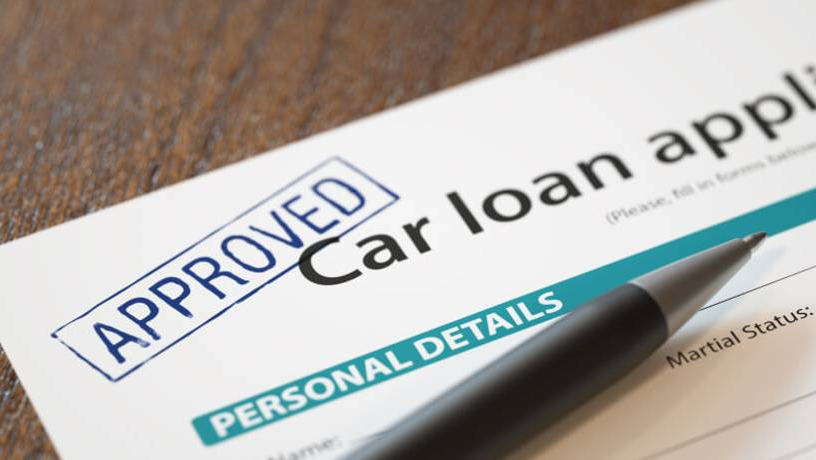
Approved car loan application form with pen

Walking into a dealership without the right paperwork is one of the most common reasons Toyota financing in Jacksonville, FL takes longer than it should. At Keith Pierson Toyota, we've seen how a little preparation goes a long way toward a smoother visit. This guide walks through exactly what our finance team commonly asks for, so you can spend less time gathering documents and more time picking out your next Toyota.

Getting Ready for Toyota Financing in Jacksonville, FL

Before you sit down with our Toyota finance department, it helps to know your credit standing and have a general sense of your budget. Your lender, your credit profile, and the vehicle you pick all shape the terms you're offered, so no two applications look quite alike. Taking a few minutes to organize your documents and think through whether you want to buy or lease can make your visit to our Toyota financial center far more efficient. If you'd like a jump start, you can pre-qualify online before you ever set foot on our lot.

Essential Documents to Bring Before You Apply

Lenders review a handful of core documents when you apply for Toyota financing. Requirements can vary somewhat by lender, but the following items are commonly requested and worth having ready.

What Counts as Proof of Identity

A valid driver's license (a Florida driver's license works well for Jacksonville-area applicants) is the standard form of identification lenders ask for. Make sure the name on your license matches the name on your other paperwork. A mismatch, like a maiden name on your ID versus a married name on your pay stub, can slow down approval unnecessarily.

Proof of Income and Employment

Lenders want reasonable assurance you can repay the loan, so proof of income is typically part of the file. Acceptable documentation commonly includes:

  • Recent pay stubs.

  • Bank statements.

  • W-2 forms.

  • 1099 forms for contract or freelance income.

Self-employed applicants are usually asked for two years of tax returns instead of pay stubs. Exact documentation requirements can vary by lender, so it's worth asking your lender what applies to your situation.

Proof of Residence

Confirming your current address is another routine step. Lenders generally accept a driver's license, utility bills, insurance bills, mortgage statements, lease statements, bank statements, or credit card statements as proof of residence. Worth knowing: PO boxes aren't accepted as proof of residence, except for APO/FPO military addresses. If you've moved recently, bring an updated document rather than an old bill, since outdated proof of address is a common reason applications stall.

Proof of Insurance

Before any loan is finalized, lenders require proof of insurance on the vehicle you're financing. Florida sets statewide minimums for registration, currently $10,000 in Personal Injury Protection and $10,000 in Property Damage Liability, though your lender will likely require more than the state minimum on a financed vehicle. Call your insurance provider ahead of time and reference the VIN to get a binder ready in advance. Doing this before your appointment can save you a return trip.

Contact Information and Phone Number Verification

Lenders and our team may need to reach you during the approval process, so having accurate, current contact information matters. A working phone number and email address help us follow up quickly if additional information is needed during your application or account setup.

Documents Checklist

  • Valid driver's license or government-issued photo ID.

  • Proof of income (pay stubs, bank statements, W-2s, 1099s, or tax returns if self-employed).

  • Proof of residence (utility bill, lease statement, bank statement, or similar; no PO boxes).

  • Proof of insurance or an insurance binder.

  • Current phone number and email address.

  • Social Security number (commonly requested by lenders for the credit application).

Trade-In Details to Prepare

If you're trading in a Toyota or any other make, a bit of extra paperwork on the trade-in side keeps things moving.

Vehicle Information and Ownership Documents

Bring the vehicle's title, current registration, and the key. Our team will also want basic details like make and model, model year, and VIN so we can properly evaluate the vehicle. Incomplete trade-in paperwork, such as a missing title or an extra key left at home, is one of the more common delays we see, so double-checking beforehand helps.

Loan Payoff Information (If Applicable)

If you still owe money on your trade-in, bring your loan account number and current payoff amount. This lets our finance team coordinate directly with your existing lender and roll the payoff into your new deal where applicable.

Financing vs. Leasing: Which Fits Your Jacksonville Lifestyle

Deciding between buying and leasing a car in Jacksonville, FL comes down to how you drive and what you want long term.

  • Leasing tends to suit drivers who like changing vehicles every two to four years and appreciate lower monthly payments.

  • Buying tends to suit drivers who want to customize their vehicle or plan to keep it well beyond the loan term.

  • Leases come with mileage limits and potential overage charges, along with concepts like residual value and depreciation that affect your end-of-lease options.

  • Add-ons like GAP coverage (Guaranteed Auto Protection) and our Excess Wear & Use Protection Plan can add peace of mind for lease customers.

If you're weighing Toyota lease options in Jacksonville against traditional financing, our team can walk through both paths so you can decide what fits your driving habits and budget.

What Influences Your Toyota Finance Terms

Several factors shape the terms a lender offers, and while the dealership can help you compare loan options, the lender ultimately decides the terms based on your credit and finances. Credit score and credit history typically carry the most weight, with income, existing debts, and your down payment size factoring in too. A larger down payment and a newer vehicle tend to support more favorable terms, though outcomes still depend on the lender's review. \

Manufacturer programs matter as well: Toyota periodically offers special APR or lease programs on specific models, and those change month to month, so what's available in March may not be there in June. Ask what's running on the model you're considering rather than assuming last month's offer still applies. Loan terms are commonly set anywhere between two and seven years, and a shorter term usually means a higher monthly payment but less total interest paid over the life of the loan.

Get a Head Start with Online Pre-Approval

One of the easiest ways to speed up Toyota financing in Jacksonville, FL is applying for pre-approval before your visit. When you submit an application through our site, Toyota Financial Services reviews it, and approved applicants typically hear back by email within one business day. That email includes your pre-approval certificate right inside it, and the certificate stays valid for 30 days at any participating Toyota dealer, not just ours. Knowing where you stand before you start browsing makes the whole process easier. You can apply for Toyota financing right from your phone or computer.

Estimate Payments and Value Your Trade Before You Visit

Before heading to our Toyota financial center, it's worth using our online tools to get a clearer financial picture. Our Toyota payment calculator lets you estimate monthly payments by adjusting your down payment, loan term, and vehicle price, so you can plan your budget realistically.

If you're trading in a vehicle, our instant cash offer tool uses KBB-powered valuation to give you a real offer, valid for seven days pending an in-person inspection, and that check can even go toward your down payment. Pairing this with our Value Your Trade process gives you a solid starting point before you ever discuss numbers with our team.

Visit the Keith Pierson Toyota Finance Center

Why Jacksonville Drivers Choose Us

As a family-owned dealership serving Jacksonville, FL for more than twenty years, we built our finance center around transparency and genuine customer service, not pressure. Whether you're comparing lenders, exploring Toyota auto loans in Jacksonville, or simply trying to understand your monthly payment options, our finance professionals are ready to walk you through it step by step.

Ready to Get Started

Bring your documents, browse our new Toyota inventory, and let us help you find financing that actually fits your life. When you're ready to talk specifics, contact our team and we'll get you started.


Posted in:

Related Posts

A hand holding four Credit Cards against a white background

Can I Buy a Car With Bad Credit?

It's possible to buy a car even if you have bad credit. However, it's important to understand how your credit score can impact your financing options. Credit agencies use an algorithm that considers your debt, income, available credit, and payment history to calculate your credit score. Higher scores indicate a lower risk to lenders, while lower scores indicate a higher risk. So a low credit score won't prevent you from securing a loan. However, banks may impose higher interest rates and offer smaller loan amounts due to the increased risk. Even with the credit scores and common practices associated with issuing loans, no standard exists that the industry must follow. This means that each lender has its own policies, which may result in approval by one lender and denial by another. Credit Scores Explained Lenders rely on the three major credit bureaus, Experian, Equifax, and Trans Union, to obtain your credit score, which indicates your creditworthiness. Scores range between 300 to 850 points, and each agency will have a different score for you based on the information they access and their algorithm. However, auto lenders typically use the FICO Auto Score to determine the creditworthiness of borrowers. It ranges from 250 to 900 points and puts more emphasis on responsible debt management, considering factors such as payment history, available credit, and debt-to-income ratios. As a result, a higher FICO score will produce a lower interest rate on a higher loan amount and vice versa. Suppose you fall within the 20% of consumers with a top-tier FICO score of 800 to 900 points. In that case, you can expect fast approval on a loan with an interest rate of 0% to 3%. Twenty-five percent of buyers have FICO scores between 740 and 799 points. This range is still a very good score. So you can expect loan approval with a 3% to 6% interest rate if you fall in this category. Scores between 670 and 739 points fall into a middle category where lenders vary slightly more on approvals and interest rates. If approved, you likely will have an interest rate between 5% and 8%. For scores ranging from 580 to 669 points, lenders are more selective about approval, and the interest rates can be between 7% and 12%. Any score falling below 580 presents the highest risk to lenders. Securing an auto loan with a score below 580 is still possible. However, interest rates start at 13% and can go much higher than that, depending on the circumstances. How To Raise Your Credit Score The credit bureaus' algorithms measure many factors, and scores usually take time to move. However, you can do a few things that can have an immediate and significant impact on your score. First, you need a copy of your credit report to see what's on it. Many people review their credit reports and find credit history that belongs to someone else. And it's almost always negative. Getting these removed from your report can change your score dramatically. If there are any late payments on your credit report, you can contact the lenders who reported them and ask for their removal. Most lenders are willing to do this if you've been consistent with your payments since the late ones occurred. Of course, they don't have to, but they never will if you don't ask. Credit utilization is another factor in your credit score. Unfortunately, most people have yet to learn what this means and how it works. Simply put, your credit utilization is how much you owe on credit cards compared to how much credit you have left to borrow against. For instance, if you have a credit card with a $1,000 limit and owe $500, your credit utilization is 50%. However, most lenders want to see your credit utilization under 30%. So in this example, if you paid $250 on this account, your rate drops to 25%, and you're now in the range lenders like to see. You can also use Experian Boost to increase your credit score. Experian Boost allows you to apply on-time rent and utility bills such as gas, electricity, and telephone to improve your credit score. Keith Pierson Toyota Finance Department At our Keith Pierson Toyota dealership, we believe everyone has the right to own a vehicle, regardless of their credit. Our finance managers have decades of experience finding loans for buyers in all credit categories. To help you get started, we encourage you to complete our online pre-approval application. You'll receive an answer in minutes, including your loan amount, interest rate, monthly payment, and terms. We know some people prefer a face-to-face meeting to discuss their financing options. Feel free to visit us at 6501 Youngerman Circle if this sounds like you. One of our finance managers will answer your questions and help you through the process. We also have a convenient online vehicle valuation tool to get an accurate price for your current vehicle as part of a trade-in. It's quick and easy. You input the relevant information about your car's make, model, mileage, and condition, and in seconds, you'll get a fair offer. We'll purchase your car whether or not you buy another vehicle from us. If you're curious about how a deal might look, we have an online calculator that lets you estimate your costs based on variable loan amounts, trade-in values, down payments, interest rates, and terms. With this information, you can shop confidently, knowing what you can afford. Explore Your Car-Buying Options Today in Jacksonville A less-than-perfect credit score shouldn't deny you the privilege of vehicle ownership. That's why our finance department provides expert advice and transparent pricing models so you can make an informed buying decision, regardless of credit history. We invite you to shop our virtual inventory to see what you like and speak with one of our loan specialists to explore your financing options. Image by Avery Evans is licensed with Unsplash License

What is an extended auto warranty?

Toyota RAV-4 2013 by Janitors | Licensed by CC BY 2.0 Are you considering purchasing an extended auto warranty for your car, SUV, or truck? Here at Keith Pierson Toyota, we have some of the most competitively priced vehicle protection plans in the Jacksonville, Florida, area. Contact us today to find out more about the various plans we can offer and take advantage of our expert auto technicians in our service and parts center. What Is an Extended Auto Warranty? An extended auto warranty is a service contract you can purchase to continue enjoying protection for your vehicle after its factory warranty expires. Most vehicles come with a standard three-year warranty, which expires after 36,000 miles of driving if that comes first. Extended auto warranties are also sometimes called vehicle protection plans or vehicle service contracts. An extended auto warranty can vary in length depending on your needs. You may decide to purchase coverage for a year or two if you plan on selling your car relatively soon to help pay for a new one. Alternatively, longer-term plans are available. The basic idea of an extended warranty is the same as a factory warranty. The plan covers damage to your car's parts and components so you can avoid a large, unexpected repair bill. The extent of the coverage provided by a protection plan can vary depending on its terms. For example, you may choose a full protection plan, which can cover almost all parts in your vehicle with the exception of windshield wipers, which are generally never covered. Alternatively, a more limited vehicle service contract may include coverage for the engine and transmission only. To access the best terms for your vehicle protection plan, you should try to arrange it as early as possible. The fewer miles your vehicle was driven, the more likely you are to be offered a comprehensive warranty for your car. Some providers may be reluctant to offer full coverage if your vehicle is older and already displays several problems. Many drivers wonder whether an extended warranty is worth the price. The answer is usually yes. With a vehicle protection plan, you make a predictable regular payment so you don't have to cough up the full cost of a repair when the time comes. If you don't buy an extended plan, you may make a small saving on your monthly payments. But you could end up having to deal with a bill for hundreds or thousands of dollars to get your vehicle back on the road if it breaks down. Moreover, as your vehicle gets older, the likelihood that it will require servicing will increase. How Does a Vehicle Protection Plan Work? Your extended warranty works like a guarantee so that if something goes wrong with your vehicle, a technician can diagnose the problem and fix it without you having to pay the full cost. The extended warranty comes into force immediately after your factory warranty expires. Once you've identified that there's a problem with your vehicle, all you need to do is make an appointment at our service center. A technician will then carry out a thorough inspection to find out what's required to put things right. Your extended warranty will typically cover the costs for parts and labor associated with the repairs that we conduct. Common problems that a service contract may take care of include mechanical breakdown of parts, other than wear and tear, and the failure of components. Damage to engines, which can often prove costly to fix, is also covered. By contrast, your auto insurance is there to cover damage to your car resulting from external factors. These factors include things like accidents, theft, and storms. Due to the different areas of coverage provided by auto insurance and extended warranties, it's a good idea to have both. Some vehicle protection plans come with additional features. For instance, some providers will commit to loaning you a vehicle if your car needs to stay in the service center for a longer period of time. Other plans may have a roadside assistance feature, which means that a technician can travel to you if you experience a breakdown or other problem while you're on the go. How Can Keith Pierson Toyota Help? Keith Pierson Toyota is your premier destination if you're looking for a dependable auto repair center in Jacksonville. Our mechanics are all trained by Toyota, giving them the skills and knowledge to carry out maintenance and repairs to the highest standards. They also have access to genuine Toyota parts and state-of-the-art equipment for diagnosing and fixing problems. If you purchase an extended auto warranty at our dealership, you can rely on the professionals in our service center to take care of your vehicle. Our auto technicians are experts in a wide range of routine maintenance tasks, including oil changes, brake pad replacements, tire rotations, and fluid top-ups. We're also used to handling more complex tasks, like engine diagnostics and repairs, and bodywork. If you drive a Toyota, there's no better place to get your vehicle serviced than a Toyota-certified service center. Our technicians have extensive experience with all Toyota vehicles, which gives them a familiarity with all Toyota parts and components. Even if you drive a vehicle from another brand, Toyota's commitment to excellence in vehicle manufacturing and servicing will help ensure that the work done by our technicians leaves you satisfied. Our service center works closely with our parts department, which stocks a full range of OEM Toyota parts. The advantage of using these high-quality parts produced by a reputable automaker is that you can be sure of their performance and durability. Aftermarket parts may be cheaper to purchase, but they're often lower quality than genuine parts. Should you have any questions about vehicle protection plans, or anything to do with our service and parts centers, don't hesitate to contact us today. Our team of auto experts here at Keith Pierson Toyota is delighted to serve Jacksonville customers, and we're standing by to take your call. Alternatively, stop by our dealership to chat with one of us in person or get assistance.

How Does Dealership Financing Work?

Image via Flickr by frankieleon If you're preparing to buy a new car, you may look at different ways to finance it. One way you could finance your new vehicle is through direct lending from a bank, credit union, or finance company. This lets you go straight to the lender for your car loan. The other way you can finance your new vehicle is with dealership financing. Dealership financing lets you get your loan through your dealership, which comes with several benefits. In this article, we discuss how dealership financing works and the advantages it can bring you when you're buying a new car. How Does Dealership Financing Work? If you choose to use dealership financing for your new vehicle, you agree with the dealership you purchase your vehicle from to pay the amount of money they finance you and a finance charge. Typically, this means you pay a monthly total to the dealership, which goes toward paying for the loan you received from the dealership. Sometimes, a dealership may keep your contract and handle collecting your payments and servicing your account with them. Most of the time, however, the dealership sells your contract to a bank, finance company, or credit union to do that job for them. While that may seem similar to a direct loan, there are several benefits to using dealership financing you are unlikely to find from a direct loan. First, dealerships offer both vehicles and financing for those vehicles in one location. This lets you ensure you get both the vehicle and the financing option you want. Second, dealerships may have different hours from other lenders, such as weekends and evenings, because those are their peak business hours. Third, dealerships offer multiple financing options because they work with a variety of banks and other lenders, meaning you can find your own best offer. The last benefit to dealership financing is that they may have special offers or programs that may help you lower the cost of your monthly payments or shorten the length of your contract. These programs often come with rules such as buying a specific vehicle, having a certain credit score, or being able to pay a larger down payment. With these rules, however, they can offer you much greater flexibility for financing a vehicle than a traditional lender, such as banks or credit unions. What Do I Need To Know Before I Finance A Vehicle? There are four things you should consider before you finance a vehicle. First, research Florida and federal laws about financing or leasing a vehicle. Looking at these laws can give you benefits such as being able to negotiate better offers, and knowing what rights you have when you plan to finance a vehicle through a dealership. Second, determine how much you can afford to pay each month. As you prepare to finance a vehicle, you want to make sure you'll have enough money to cover all of your living expenses, such as food, rent or mortgage, insurance, and utilities. After you determine how much money you can put toward financing a new vehicle, you can consider the dealership financing options. Third, it may be important for you to look at the difference between leasing a vehicle and financing a vehicle from a dealership. When you lease a vehicle, you agree to use it for an agreed-upon length of time and number of miles. Once your lease ends, you can either return the vehicle and "walk away" from the dealership, or you can purchase the vehicle for a new, lower price stipulated in the terms of your lease agreement. Finally, a lease agreement's monthly payments may be lower than financing a vehicle because you're typically paying the depreciation of the car. Fourth, it is important to know that looking at the offers a traditional lender has and also looking at the offers a dealership has both require credit checks. Sometimes, having multiple credit checks appear on a credit report can lower your credit score. To prepare for this, ensure you don't have other recent credit loans on your report except for a vehicle. This can help you avoid any challenges the multiple credit checks may cause. If you know you want to pursue dealership financing instead of traditional financing, it can help your credit more to avoid the traditional lender entirely. What Do I Need to Apply for Financing? When you're prepared to finance a vehicle, you may work with a dealership's finance and insurance (F&I) department. First, the dealership's F&I manager may ask you to complete a credit application. This document may require personal information about you, such as your: Current and previous addresses and how long you lived at them. Current and previous employers and how long you worked for them. Date of birth. Financial information on your current credit accounts, including any debts you owe. Name. Occupation. Social Security number. Sources of income. Total gross monthly income. Once you fill out the application, the dealership's team receives a credit report, which details your credit history. Your credit history is a report on financial obligations you have and how likely you are to pay them back on time. Even though the dealership gets this report, it can be important for you to have one for yourself as well. This can help you make sure you get the services you deserve. This can also help you track your credit score as they make the checks, which can cause your score to fluctuate. Are You Interested in Financing a New Vehicle? At Keith Pierson Toyota, we are here to help you with your financing needs. Whether it's looking at our offers, finding the best vehicle for your price range, or applying for financing, our team can help you find the services you need. Read our about us page to learn more about our team, goals, and how we can help you find key services. You can also use our contact page to get in touch with one of our representatives and be sure to visit our finance department 's page as well.