

Blog / Maintenance

What You Need to Know About Radiator Fluid

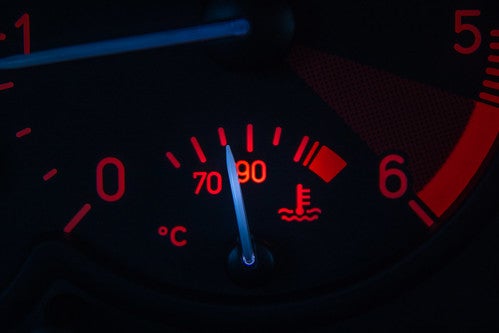
Close-up of temperature gauge on car dashboard
  • Radiator fluid helps regulate engine temperature and protects cooling-system components from corrosion.
  • Toyota coolant comes in several formulations, so the correct choice depends on your specific model and engine.
  • Regular coolant checks and service can help prevent overheating, component wear, and costly repairs.

Diesel, gasoline, hybrid, and electric-powered cars naturally create heat. Your vehicle's engine cannot handle all of this heat and needs to cool to continue running optimally. Radiator fluid, also called antifreeze or coolant, manages the heat your car's engine generates. Without it, the engine would overheat and eventually fail. 

Toyota acknowledges the vital importance of engine cooling in its vehicles and has painstakingly developed a specialized radiator fluid for its entire vehicle range. This specially formulated fluid guarantees optimal performance and efficiency, safeguarding the longevity and reliability of Toyota vehicles. Our Keith Pierson Toyota team in Jacksonville, Florida, shares more about radiator fluid and its importance in this article. You can trust us for unparalleled service and maintenance to keep your Toyota performing at its peak. 

What Does Toyota Radiator Fluid Do?

Radiator fluid is a key component in your vehicle's cooling system. It helps move heat away from the combustion chambers and transfers it to other parts of the car, ensuring temperatures stay within an optimal range. This water-based solution also has corrosion inhibitors and specialized additives to prevent advanced forms of rust and wear. So if you want to keep your car, truck, or SUV running like new, ensure you're giving your Toyota's radiator fluid the attention it deserves. 

What Types of Radiator Fluid Are Available for Your Toyota?

Determining the best radiator fluid for your Toyota can be challenging with all the options available. At Keith Pierson Toyota, we understand your confusion and want to help you make the best choice for your vehicle. Every Toyota model and variant requires a specific fluid, so consulting the owner's manual to ensure you pick the correct fluid for your vehicle is imperative. Toyota radiator fluids come in five colors: pink, red, blue, green, and clear. So what do the colors mean? Let's break it down:

  • Toyota Super Long Life Coolant (pink): Toyota has carefully formulated this coolant using hybrid organic acid technology, ensuring optimal efficiency and exceptional durability. It's the best coolant for most Toyota models and may be more expensive upfront, but its longer life span eliminates the need for frequent top-ups or replacements.
  • Toyota Long Life Coolant (red): The alternative to the pink coolant is red inorganic acid technology coolant, which is for Toyota's older and lower-end models. This coolant is more affordable and comes as a concentrated solution, but you may need to replace it more frequently than the pink one.
  • Toyota Super Long Life Coolant Blue: Toyota formulated this coolant with organic acid technology in a joint project with Subaru. So you can also use the blue Subaru Super Coolant if your Toyota has a Subaru boxer engine, such as the 86 or BRZ.
  • Toyota Frostox HT-12 Coolant (green): This coolant utilizes silicate organic acid technology and is part of Toyota's joint project with BMW. The Toyota Mk5 Supra and the 2019 BMW Z4 share the same engine, making Frostox HT-12 the ideal coolant for these vehicles.
  • Toyota Fc Stack Coolant (clear): Toyota exclusively uses colorless coolant for its fuel-cell electric vehicles, such as the Mirai. 

Which Toyota Coolant Is Right for Your Car?

While it may seem you could rely on the color of the coolant to determine what's right for your vehicle, the truth is that's not always the case. So how can you determine the best coolant for your car? You need to consult the owner's manual or seek professional advice.

At Keith Pierson Toyota, we can help you determine the best radiator fluid for your make and model. Our experienced technicians know what type of coolant is safest and most effective for your vehicle's age, mileage, and performance. 

What Happens if You Neglect Radiator Fluid?

Ignoring your car's radiator fluid could have serious consequences for your Toyota. Here are some risks that come with not changing the coolant when necessary: 

  • The engine may start to run hotter than usual, resulting in possible overheating and severe engine damage. 
  • The head gasket could blow, mixing coolant with the engine oil, and cause a major engine problem requiring replacing the engine or buying a new vehicle. 
  • Other engine parts, such as cylinders and pistons, may suffer damage when the engine runs hotter than it should. 
  • The heater could become damaged.
  • Fuel economy may decrease. 
  • The coolant won't protect the cooling system's components from corrosion, leading to parts, such as the radiator and water pump, rusting and eventually failing. 

Why Check and Change Radiator Fluid Regularly? 

Regularly checking and changing the radiator fluid is a crucial aspect of routine maintenance for any Toyota. Let's look at some of the benefits you can enjoy:

  • Hinders corrosion: Coolant loses effectiveness over time, leaving the cooling system vulnerable to contaminant build-up. A thorough flush eliminates these particles, ensuring a clean and efficient system.
  • Prevents maintenance issues: Like getting a wellness check when you're not sick, radiator flushing is an important part of preventive maintenance for your car. A coolant flush also involves inspecting the cooling system for leaks and other potential problems before they cause significant damage.
  • Cleanses the cooling system by removing contaminants: Coolant loses its anti-corrosive and rust-inhibiting properties over time, resulting in rust and scaling that contaminate the coolant and turn it into a murky brown liquid. Regular radiator flushes help clear out the old coolant and any contaminants within. 

These are just a few benefits that regular radiator fluid checks and changes can provide. 

The Keith Pierson Toyota Advantage 

We take great pride in providing your Toyota with the best service and maintenance at Keith Pierson Toyota. Our technicians are knowledgeable and up to date on all the latest technologies, so you can be sure your vehicle is in good hands. Whether it's a simple oil change or a more complex repair, our team delivers top-notch service to ensure your vehicle's longevity. 

Contact us to schedule your next service appointment and experience the Keith Pierson Toyota difference. From our first-rate customer service to our meticulous attention to detail, we guarantee you'll drive away happy with the results. 

Close-up of temperature gauge on car dashboard by Ivan Radic is licensed with CC BY 2.0

Frequently Asked Questions

What does radiator fluid do in a Toyota?

Radiator fluid helps move heat away from the engine, maintain proper operating temperatures, and protect cooling-system components from corrosion and wear.

Can I choose Toyota coolant by color alone?

No. While Toyota coolant comes in several colors, the correct coolant depends on your specific model, engine, and factory requirements. Always check your owner's manual or ask a professional technician.

What can happen if coolant service is neglected?

Neglecting radiator fluid can lead to overheating, corrosion, reduced fuel economy, heater issues, and in severe cases, major engine damage.

Posted in:

Related Posts

Toyota technician carrying a wheel during tire service

When to Replace Tires in Jacksonville | Tire Safety Tips

How to Tell if Your Car Needs New Tires Before Driving in Jacksonville Driving on worn tires anywhere is risky, but in Jacksonville, it's a gamble you really can't afford to take. Between the city's intense summer rainstorms, sun-baked asphalt, and the humidity that quietly degrades rubber over time, tires wear out differently here than in most other parts of the country. Before you back out of the driveway, it's worth knowing exactly what to look for. At Keith Pierson Toyota, we want Jacksonville drivers to feel confident on the road every day, especially heading into rainy season. You can Shop Tires Online through our service and parts department right now, or keep reading to learn the warning signs that mean it's time. Why Jacksonville's Rainy Season Puts Worn Tires at Serious Risk Jacksonville's climate isn't just hot. It's persistently wet. The rainy season stretches from late May through September. With roughly 51 inches of annual rainfall, those frequent afternoon downpours can turn highways into shallow rivers in a matter of minutes. During that stretch, your tires are the only thing standing between your vehicle and the road. Worn tread means less grip, longer stopping distances, and a dramatically higher chance of hydroplaning at highway speeds. The combination of heat, UV exposure, and sudden heavy rain is uniquely punishing here. Rubber compounds that look perfectly fine in a cooler, drier climate may already be compromised in Jacksonville. That's why local drivers can't rely on some generic national standard when deciding whether their tires are road-ready. Warning Signs Your Car Needs New Tires in Jacksonville Most of these warning signs can be spotted without any special equipment, just a few minutes of attention before a drive. Here's what to look for, along with a quick-reference table to make the diagnosis easier. Warning Sign What It Indicates Recommended Action Tread depth at or below 2/32 inches At or past legal minimum; no safe wet traction Replace immediately Tread depth at or below 4/32 inches Hydroplaning risk significantly increases in rain Replace before rainy season driving Sidewall cracking (sun-rot) UV and heat have degraded rubber structure Replace; sidewall damage is not repairable Bulges or blisters Internal structural failure; steel belts separated Replace immediately; do not drive on these tires Center tread wear Overinflation Replace and correct PSI; inspect regularly Edge tread wear Underinflation Replace and correct PSI; inspect regularly One-sided wear Alignment issues Replace and schedule alignment service Cupping or scalloping Suspension problems Replace and have suspension inspected Tread Depth Below the Safe Minimum Tread depth is the single most critical factor in tire safety, especially in wet conditions. The legal minimum in the U.S. is 2/32 of an inch, but in rainy Jacksonville, tires below 4/32 of an inch are already struggling to channel water efficiently. Below that threshold, hydroplaning risk climbs fast and wet traction drops noticeably. Most modern tires include built-in tread wear indicators, small rubber bars sitting between the tread grooves. When the tire's surface becomes flush with those bars, replacement is no longer optional. You can also check tread depth with a coin, a method covered in detail below. Florida Sun-Rot: Sidewall Cracking and UV Damage One problem that catches Florida drivers off guard is what's commonly called "sun-rot." Prolonged UV exposure and heat break down the chemical compounds that keep tire rubber pliable, resulting in sidewall cracking. You'll see a network of fine lines along the outer edge of the tire, and that signals structural degradation. Cracked sidewalls are particularly dangerous because they aren't always visible from a quick glance. You need to crouch down and inspect the full circumference of each tire. Even if the tread looks acceptable, sun-rot can cause sudden blowouts, especially when a tire heats up during highway driving. Sidewall damage is never repairable, so if you notice any cracking, replacement is your only safe option. Bulges, Blisters, and Uneven Wear Patterns A bulge or blister on the sidewall signals internal structural failure. The steel belts inside have separated, creating a weak point that can rupture without warning. There's no gray area here: any tire showing a bulge needs to come off the car immediately. Uneven wear patterns tell a slightly different story. Wear concentrated on the outer edges usually points to chronic underinflation, while wear down the center suggests consistent overinflation. One-sided wear is a strong indicator of alignment problems, and cupping or scalloping along the tread surface often points to worn suspension components. In any case, uneven wear accelerates the need for new tires and may signal a broader mechanical issue worth addressing at the same time through our service department. How to Do the Penny Test (and Why It Matters Before a Downpour) The Penny Test is the simplest way to quickly assess tread depth at home. Insert a penny into a tread groove with Lincoln's head pointing downward and facing you. If you can see the top of his head, the tread is at or below 2/32 of an inch and you need new tires now. For Jacksonville drivers, the Quarter Test gives you a more useful safety margin. Insert a quarter the same way, Washington's head pointing down. If you can see the top of his head, your tread is at or below 4/32 of an inch. That's still technically legal, but it's not where you want to be heading into a rainstorm on I-95. Check multiple spots across each tire too, since uneven wear means different areas can measure differently. Treat 4/32 of an inch as your practical replacement threshold in Jacksonville. The Quarter Test makes that easy to monitor at home between service visits. The Hydroplaning Danger: What Worn Tires Do in Heavy Florida Rain Hydroplaning happens when water builds up between the tire and the road faster than the tread can disperse it. The result is a complete loss of traction, leaving you with little to no steering or braking control. It can happen at speeds as low as 35 mph on a wet surface, and worn tires reach that threshold much faster than most people realize. Tire tread is engineered to push water out through its grooves. As tread wears down, that channeling capacity shrinks. In Jacksonville's frequent downpours, a tire with shallow tread simply can't evacuate enough water to maintain contact with the pavement. Keeping tires at or above 4/32 of an inch gives you a real safety advantage when those sudden afternoon storms roll in. How Often Do Jacksonville Drivers Need New Tires? Tire manufacturers and NHTSA recommend inspecting tires annually once they reach six years of age, and replacing them by ten years regardless of remaining tread. In Jacksonville's climate, though, that timeline can be shorter. High temperatures and constant UV exposure speed up oxidation in rubber, meaning tires used in Florida may degrade structurally before they wear down physically. For Florida drivers, a practical rule of thumb is to consider replacing tires between 3 and 6 years of age, or when tread reaches 4/32 of an inch, whichever comes first. Regular rotation every 5,000 to 7,000 miles also helps tires wear evenly and last longer, reducing how often you face early replacement. A habit worth building: have your tires inspected at every oil change. It keeps you aware of where your tread stands without requiring a separate appointment. If you're already noticing any of the warning signs above, don't wait for a routine visit. Shop New Tires in Jacksonville at Keith Pierson Toyota When it's time to replace your tires, we make the whole process straightforward from selection to installation. Our Tire Center Our Tire Center carries a wide selection of tires suited for Jacksonville's driving conditions, including all-season options engineered for wet-road performance. Our service team can assess your vehicle's specific needs and help you find the right fit without the guesswork. Price Match and Value We stand behind our pricing. Our Tire Center offers a price match program, so you can shop with confidence knowing you're getting a competitive deal without having to go elsewhere to verify it. Easy Scheduling Our service department is open seven days a week, making it easy to fit a tire inspection or replacement into your schedule. Schedule a tire service appointment directly from our site, or stop in at 6501 Youngerman Circle, Jacksonville, FL 32244. If you have questions before coming in, feel free to contact us and we'll help you figure out the right next step. Frequently Asked Questions About New Tires in Jacksonville How often do I need new tires in Florida? Tire manufacturers and NHTSA recommend having tires inspected annually once they reach six years of age and replaced by ten years regardless of condition. In Florida's heat and UV exposure, the more conservative guideline makes more sense: replace tires between 3 and 6 years of age, or when tread depth reaches 4/32 of an inch, whichever comes first. Regular rotation every 5,000 to 7,000 miles helps even out wear and extends the usable life of your tires. If you're unsure where your tires stand, a quick inspection at our service department can give you a clear answer. What are the best tires for heavy rain? For Jacksonville's rainy conditions, all-season tires with silica-based rubber compounds and tread patterns engineered for water evacuation are the right category to focus on. The silica compound maintains grip on wet surfaces, and the channel tread design moves water out from under the tire quickly to reduce hydroplaning risk. The best specific option depends on your vehicle, your typical driving conditions, and your budget. Contact us and our Tire Center team can walk you through the options that make the most sense for how and where you drive in Jacksonville.

Toyota technician inspecting a vehicle engine during service

How Long Do Car Batteries Last in Jacksonville Heat?

Jacksonville drivers know the heat here isn't just uncomfortable, it's relentless. From April through October, temperatures consistently push past 90 degrees, and even the cooler months rarely give your vehicle much of a break. That kind of sustained heat doesn't just drain your energy; it actively works against one of your car's most essential components: the battery. If you're already noticing sluggish starts or flickering electronics, don't wait for a breakdown to take action. Our service department at Keith Pierson Toyota offers complimentary battery testing so you know exactly where you stand. Understanding how Jacksonville's climate shortens battery life can be the difference between a reliable start every morning and an unexpected breakdown in a parking lot. According to AAA, batteries in hot climates like ours typically last approximately three years, compared to five years or longer in cooler northern climates, and it's something every local driver should factor into their maintenance routine. How Long Does a Car Battery Last in Jacksonville's Heat? Under normal conditions, most car batteries are rated to last between three and five years. In Jacksonville, that window shrinks considerably. High ambient temperatures, intense sun exposure, and year-round humidity all accelerate the chemical processes inside the battery, causing it to age faster than it would in a cooler climate. Many Jacksonville drivers find their batteries lasting only about three years, with some failing even sooner, especially when a vehicle sits in direct sunlight regularly. Knowing the average car battery life in Florida is shorter than the national norm helps you plan ahead rather than react after something fails. Why Jacksonville's Heat Is Your Battery's Biggest Enemy Most drivers associate dead batteries with cold weather, and while freezing temperatures do affect performance, heat kills car batteries in a more permanent way. Cold reduces immediate power output, but heat causes structural and chemical damage that shortens the battery's total lifespan. In Florida's climate, heat is the primary threat, and it works through two key mechanisms. Heat Evaporates Battery Fluid and Cuts Capacity Inside a traditional lead-acid battery, liquid electrolyte surrounds the lead plates and enables the chemical reactions that generate power. When temperatures rise sharply, that fluid evaporates faster than the battery can sustain. Over time, this leads to exposed lead plates, warping, and a buildup of sulfate crystals that block electrical flow. A car battery overheating scenario doesn't require any engine malfunction; simply sitting in a hot parking lot is enough to accelerate this degradation. Once fluid levels drop and plates begin to warp, the battery's ability to hold a full charge is permanently reduced, not just temporarily impaired. This is one reason why hot weather affects car batteries so differently than cold. Cold weather is a performance issue. Heat is a structural one. A battery that's been through several Jacksonville summers may test fine in the morning but struggle to deliver full power after sitting in direct sun for eight hours. Florida's Year-Round Warmth Leaves No Recovery Window In northern climates, batteries get a natural reset period during fall and winter. Cooler temperatures slow chemical activity and give internal components a chance to stabilize. Florida doesn't offer that reprieve. The heat persists through what passes for winter here, meaning batteries in Jacksonville face continuous thermal stress without the recovery window that extends battery life elsewhere. This is why AAA data shows Florida drivers getting roughly three years of service from a battery that could last five years or longer in a cooler northern climate. Modern vehicles compound this further. Today's cars carry more electrical loads than ever, from infotainment systems and backup cameras to advanced safety features, all drawing on the battery continuously. Warning Signs Your Car Battery Is Struggling in the Heat Heat damage tends to build gradually, but the warning signs often appear weeks before a complete failure. Watch for these specific symptoms: A slow, labored crank when starting the engine, especially after the car has been parked in the sun. The battery may no longer be strong enough to power the starter motor, or loose and corroded terminals could be contributing to the problem. Dim headlights when the engine is turned off, pointing to a battery that can't sustain consistent voltage on its own. Unexplained electronics dimming inside the cabin, including sluggish power windows or a slower-than-usual infotainment response. Corrosion around the battery terminals, often appearing as a white or bluish powdery buildup, which impairs conductivity and speeds up degradation. A swollen or bloated battery case, one of the most serious physical signs. Heat causes the casing to expand, which directly decreases battery life. At this stage, replacement isn't optional. If you notice any of these, especially during or after a stretch of hot weather, getting a battery test promptly is the smart move. Schedule your service appointment online and let our team give you a clear picture of what's happening before it becomes a roadside problem. Heat Prevention Tips to Extend Your Car Battery's Life in Jacksonville You can't change Jacksonville's climate, but you can manage how much of it your battery absorbs. A few consistent habits can meaningfully extend battery life and reduce the likelihood of an unexpected failure. Parking and Shade Habits That Reduce Heat Damage Where you park matters more than most drivers realize. Engine bay temperatures in a car parked in direct sun can climb well above the ambient air temperature, creating conditions that accelerate fluid evaporation and plate damage. Given Jacksonville's sun intensity, choosing covered parking wherever possible is one of the most effective things you can do for battery longevity. Parking in a garage, under a carport, or in a shaded structure reduces the sustained thermal load your battery absorbs over the course of a day. When covered parking isn't available, positioning your car to minimize direct sun exposure on the hood side is a simple but worthwhile habit. Driving and Accessory Habits That Protect Battery Health Avoiding frequent short trips also helps. Short drives don't give the alternator enough time to fully recharge the battery after starting, which in hot weather means the battery runs at a slight deficit repeatedly until the cumulative effect catches up. Whenever possible, consolidate errands into longer drives that allow the alternator to bring the battery back to a full charge. Before shutting the engine off, turn off accessories like the air conditioning, headlights, and audio system. This small habit reduces the electrical draw at startup and prevents the battery from being asked to do more work during the moments it's most vulnerable. Routine Checks That Catch Problems Early Regular battery testing is the most reliable way to stay ahead of heat damage. Testing measures reserve capacity and output, giving you a concrete picture of how much life the battery has left rather than guessing based on age alone. AAA recommends annual testing once a battery reaches three years of age. Cleaning corroded terminals removes buildup that restores a clean electrical connection. What to Look for When Replacing a Battery Built for Florida Heat Not all batteries are engineered equally for hot climates, and choosing the right one when the time comes can significantly impact how long it lasts. When evaluating replacement options, CCA (Cold Cranking Amps) is a commonly cited rating, but it measures winter performance and is far less relevant in Florida's climate. What matters more here is RC (Reserve Capacity), which reflects how long a battery can sustain your vehicle's electrical load if the alternator fails. In Jacksonville's heat, RC is the more meaningful number to compare. The table below breaks down the most common battery types and how they compare for Florida drivers: Battery Type Heat Tolerance/Design Reserve Capacity (RC) CCA Relevance in FL Warranty Length Best Use Case Standard Flooded Lead-Acid Lower heat tolerance; most vulnerable to fluid evaporation Moderate Low - cold-climate metric Typically 1–2 years Basic fitment in moderate climates EFB (Enhanced Flooded Battery) Improved over standard flooded; partial heat resistance Moderate to good Low Typically 2–3 years Vehicles with start-stop systems in mixed climates AGM (Absorbent Glass Mat) Highest heat resilience; sealed design minimizes evaporation risk High Low Typically 3–4 years Newer Toyota models with high electrical demand; hot climates AGM batteries are often OEM on newer Toyota models and are generally the best choice for Jacksonville drivers. Their sealed construction reduces evaporation risk, and they handle the higher electrical demands of modern vehicles more effectively than standard flooded options. Free Battery Testing and Lifetime Warranty at Keith Pierson Toyota Complimentary Testing With No Guesswork Keith Pierson Toyota takes the guesswork out of battery health with complimentary battery testing. Our service team can tell you exactly how much capacity remains and whether your battery is approaching the point where Jacksonville's heat will push it over the edge. Given that heat-related failure often happens with little warning, proactive testing is one of the most practical things a local driver can do. Lifetime Warranty Coverage Beyond testing, Keith Pierson Toyota backs qualifying new Toyotas with a Lifetime Limited Non-Factory Warranty with unlimited miles. That coverage means you're protected against unexpected powertrain failures for the life of the vehicle. Schedule Your Visit Toyota service is available seven days a week, with hours running Monday through Friday from 7 a.m. to 7 p.m., Saturday from 7 a.m. to 6 p.m., and Sunday from 9 a.m. to 4 p.m. Visit our service department page for full details, or contact us directly if you have questions before coming in. We're located at 6501 Youngerman Circle, Jacksonville, FL 32244, and we're here to help you stay ahead of battery problems before they turn into bigger ones. Frequently Asked Questions About Car Batteries and Jacksonville Heat How long should a car battery last in Florida? According to AAA data, most batteries in Florida last around three years under typical driving conditions. That's well below the national average. Heat accelerates chemical degradation and fluid evaporation, which significantly shortens the useful lifespan. Does heat kill car batteries? Yes, heat is one of the most damaging factors for battery longevity. It evaporates internal fluid and warps the lead plates, which permanently reduces the battery's ability to hold a charge. Over time, this permanently reduces the battery's ability to hold a charge. Can a car battery overheat? Yes. When engine bay and surrounding air temperatures are high enough, the battery absorbs that heat and internal temperatures rise beyond safe operating levels. This accelerates fluid loss and internal damage, especially in vehicles parked in direct sunlight for extended periods. What are the signs that my battery is struggling in the heat? Slow engine cranking, dim headlights with the engine off, unexplained electronics dimming, terminal corrosion, and a swollen battery case are all warning signs. If any of these show up, especially after a stretch of hot weather, have the battery tested before it leaves you stranded. Does hot weather affect car battery performance day to day? Yes. Even before permanent damage sets in, a battery that's hot from sun exposure may deliver inconsistent voltage, making starts feel unreliable and putting strain on other electrical systems. The longer a battery runs in these conditions without maintenance, the worse the cumulative impact becomes. Where can I get my battery tested in Jacksonville? Keith Pierson Toyota at 6501 Youngerman Circle, Jacksonville, FL 32244 offers complimentary battery testing. You can schedule a service visit online or call 888-597-3703. The service department is open seven days a week for added convenience.

Toyota service technician working on a vehicle battery during auto maintenance

Spring Cleaning Your Toyota: Essential Maintenance Tips for Jacksonville Drivers

Spring arrives fast in Jacksonville, FL, and for Toyota owners, it means more than warmer mornings. It's a narrow window between the wear of a mild but still punishing winter and the brutal heat season closing in right behind it. Jacksonville's coastal humidity, salt air, early-arriving summer heat, and heavy spring rain create conditions that accelerate wear on nearly every system in your vehicle. At Keith Pierson Toyota, we want to help you get ahead of all that. Schedule your spring service appointment before the summer rush, and we'll make sure your Toyota is ready for everything Northeast Florida throws at it. Why Spring Is the Most Important Time to Service Your Toyota in Jacksonville, FL Jacksonville's seasonal rhythm creates a narrow but critical window where smart maintenance decisions prevent expensive headaches. Your vehicle has quietly absorbed months of temperature swings, humidity spikes, and coastal air exposure. Summer heat and hurricane season approach simultaneously, putting fresh demands on systems that may already be worn. Skip this window, and you're heading into the hottest, wettest months in Florida without a proper inspection. What Florida's Mild Winter Still Does to Your Vehicle Many Jacksonville drivers assume that because winters here are relatively mild, their vehicles come through unscathed. That's not quite right. Even without snow or hard freezes, Florida winters bring persistent humidity, day-to-night temperature swings, and stretches of wet roads that quietly wear on tires, brakes, and fluid systems. Moisture finds its way into brake lines. Pollen and debris start clogging filters as early as February. Battery charge cycles take a hit from cooler nights followed by warm afternoons. The wear is subtle, but it's real. A thorough spring inspection typically reveals more than drivers expect. The Jacksonville Heat Threat: Critical Systems to Inspect Before Summer Once summer settles in, Jacksonville temperatures regularly push into the mid-to-upper 90s, and the humidity compounds the strain. The systems most vulnerable to heat damage deserve attention now, before conditions get worse. Battery Testing: Heat Kills Batteries Faster Than Cold Ever Could Most people associate battery failure with cold weather. Heat is actually the bigger threat. High temperatures accelerate the chemical reactions inside a battery, causing faster internal degradation and fluid evaporation. In hot climates like Jacksonville, batteries typically last approximately three years, compared to five years or longer in cooler regions. A battery that was borderline last fall may not survive a Jacksonville summer. We load-test batteries as part of our spring inspection to determine actual remaining capacity, not just surface voltage. That's something a home multimeter can't accurately tell you. A weak battery caught during a routine visit beats discovering the problem on a 95-degree afternoon. Our service team can also pull your vehicle's maintenance history to determine when the battery was last replaced and whether it's approaching its expected end of life in this climate. A/C Service: Schedule It Now Before the Summer Rush Begins Jacksonville's A/C system runs roughly 8 to 9 months per year. That kind of continuous operation in heat and humidity puts disproportionate strain on the compressor, refrigerant lines, and belts. A/C service becomes one of the most in-demand repairs from May through September, and wait times grow as temperatures climb. Booking an inspection in March or April puts you ahead of all that. We check refrigerant levels, belts and hoses connected to the compressor, and overall cooling performance. Refrigerant level checks require professional equipment; this isn't a DIY item. Handling A/C service now keeps repair costs lower and scheduling more flexible before peak demand hits. Cooling System and Coolant Flush: Your Engine's First Line of Defense The coolant in your Toyota absorbs engine heat and disperses it through the radiator, keeping operating temperatures within a safe range. In Florida's summer, that system works overtime. Coolant degrades over time, losing its ability to transfer heat efficiently and protect against internal corrosion. We recommend cooling system checks every 24,000 miles for Jacksonville drivers, because heat-accelerated wear shortens the effective service interval. Toyota's guidance calls for coolant changes every two years or 30,000 miles for silicate-based coolants, or up to five years or 100,000 miles for extended drain coolants, depending on the type used in your vehicle. Pressure testing is also part of our process, since small leaks or weak hoses that hold under normal conditions can fail under summer heat load. Overheating is one of the most preventable causes of serious engine damage, and a spring cooling system inspection is the right time to address it. Completing the Spring Safety Checklist: Tires, Brakes, and Filters Beyond heat-sensitive systems, foundational safety components deserve review before summer. Tires, brakes, and filters tend to get overlooked until something obvious goes wrong, but proactive inspection is far cheaper than reactive repair. Tire Pressure, Tread Depth, and Alignment After Winter Roads Tire pressure fluctuates with temperature, and even mild winter conditions in Jacksonville can leave tires slightly underinflated heading into spring. Owners can check tire pressure at home with a gauge and top off as needed. It's one of the easiest checks on the list. Florida's asphalt heat in summer accelerates tire wear significantly, so checking tread and pressure in spring establishes a useful baseline before conditions worsen. Tread depth can be verified with a gauge or the penny test. Alignment, though, requires professional equipment. Potholes, curb impacts, and general road wear all affect wheel alignment, causing uneven tire wear and reduced handling in wet conditions. We check alignment as part of a comprehensive spring inspection and can identify wear patterns that point to suspension issues before they become serious. Brake Pads, Rotors, and Fluid Before Hurricane Season Driving Hurricane season officially starts in June, but tropical moisture and heavy rain arrive in Jacksonville well before that. Wet roads demand brakes that respond quickly and predictably. We measure pad thickness, check rotors for warping or scoring, and test brake fluid for moisture contamination. Brake fluid absorbs moisture over time, which lowers its boiling point and can cause brake fade under heavy use. Testing brake fluid condition accurately requires professional tools; this isn't something owners can assess visually. Catching worn components in spring means having reliable brakes when driving conditions demand them most. Air and Cabin Filters: Built for Jacksonville's Year-Round Pollen and Humidity Spring in Jacksonville brings some of the highest pollen counts in the country, and our pollen season doesn't fully stop. Year-round humidity combined with persistent airborne allergens means both engine air filters and cabin air filters clog faster here than in drier climates. A dirty engine air filter restricts airflow and forces the engine to work harder, reducing both performance and fuel efficiency. A clogged cabin filter pushes allergens, dust, and humidity directly into the passenger compartment, degrading air quality and making the A/C work harder to keep things comfortable. Owners can do a basic visual check on the cabin filter by accessing the glove box panel, but replacement is best handled during a service visit so the condition of both filters can be assessed together. Replacing both in spring is quick and makes a noticeable difference in comfort and performance throughout the summer. Spring Maintenance System Reference System Jacksonville Risk DIY Check Professional Service Needed Battery Heat degrades cells faster; ~3-year lifespan Visual check for corrosion Load test, replacement A/C 8-9 months of continuous use strains compressor None Refrigerant level, belt/hose inspection Cooling System Heat shortens effective fluid life; 24k-mile interval Visual check for leaks Pressure test, coolant flush Tires Asphalt heat accelerates wear; pressure fluctuates Pressure check, penny tread test Alignment, rotation Brakes Wet season demands reliable stopping power Visual pad check (if visible) Fluid test, pad/rotor measurement Air/Cabin Filters Year-round pollen and humidity accelerate clogging Basic visual on cabin filter Replacement, engine filter inspection Windshield Wipers/Fluids UV and heat crack blades; heavy spring rain Visual inspection for streaks/cracks Blade replacement, fluid top-off Windshield Wipers and Fluids: Don't Overlook Jacksonville's Spring Rain Season Jacksonville gets significant rainfall in spring, with afternoon storms building fast and dropping heavy precipitation with little warning. Wiper blades degrade from UV exposure and heat even when they're not in regular use, so blades that looked acceptable in January may already be cracked or stiff by March. Owners can do a visual inspection easily, but a blade that looks intact can still streak badly under actual rain conditions. Replacement takes minutes and costs very little compared to the safety risk of reduced visibility on a flooded highway. Windshield washer fluid is worth checking and topping off as well; that's a straightforward DIY task. How to Use Toyota's Maintenance Minder to Time Your Spring Service Right Toyota's Maintenance Minder system removes the guesswork from scheduling. Rather than relying on mileage alone, it monitors actual driving conditions and engine operation to generate service reminders tailored to how the vehicle is used. That matters in Jacksonville, where stop-and-go traffic and high-temperature conditions accelerate wear faster than national averages suggest. When the oil life percentage on your dashboard drops to 15%, the system displays a wrench icon, signaling that service is due soon. At 5%, the reminder becomes more urgent. A triangle with an exclamation point signals a separate maintenance item requiring attention independent of the oil life reading. Code A indicates an oil and filter change. Code B calls for a more comprehensive visit that includes an oil and filter change, tire rotation, vehicle inspection, and fluid checks. Sub-codes refine this further: sub-code 1 means tire rotation is due; sub-code 2 indicates air filter and cabin filter inspection; sub-codes 3 through 7 correspond to other specific services, including transmission fluid, brake fluid, and spark plugs. Checking your Maintenance Minder status in early spring and cross-referencing it with a full inspection lets us address everything at once, so nothing slips through before summer. Contact our service team if you have questions about what your current codes mean for your specific model. The Lifetime Warranty Connection: Why Staying on Schedule Protects Your Investment One of the standout advantages available to Keith Pierson Toyota customers is access to a lifetime warranty with unlimited miles. That coverage comes with a clear responsibility: staying current on your maintenance schedule. Documented, consistent service is what preserves warranty protection, and Jacksonville's heat-accelerated wear cycle makes that consistency more important, not less. Skipping oil changes, ignoring brake inspections, or delaying a coolant flush doesn't just create mechanical risk. It can also jeopardize the warranty coverage that makes Toyota ownership so valuable long-term. Spring maintenance is a direct investment in both the long-term protection and the resale value that come with a clean, up-to-date service history. A Stress-Free Spring Service Experience at Keith Pierson Toyota Keith Pierson Toyota has been serving Jacksonville drivers as a family-owned dealership for over twenty years. Our Toyota-trained technicians handle everything from general inspections to complex diagnostics, using genuine Toyota parts built for your specific vehicle. The service department is open seven days a week, with weekday hours starting at 7:00 a.m. and Sunday service available from 9:00 a.m. to 4:00 p.m. Complimentary shuttle service is available within a 10-mile radius, so you're not stuck waiting while your vehicle is being worked on. The waiting area offers comfortable seating, Wi-Fi, and complimentary coffee. Whether you need an A/C inspection, a tire rotation, or a full spring safety check, the experience is built to be transparent and efficient from the first conversation to the final handoff. Schedule Your Spring Toyota Maintenance in Jacksonville, FL Today Why Now Is the Right Time The window between winter and summer is short, and every week spent waiting is a week driving with systems that haven't been properly checked. The battery that needs load testing, the A/C that needs service before the summer rush, the brakes that need fresh fluid before hurricane season rains arrive. These are specific, solvable problems that a spring inspection addresses directly, and they're far easier to handle now than in mid-July. Book Your Appointment Schedule your spring service appointment online or call us at 888-597-3703. With everything your Toyota needs under one roof, a team that values long-term relationships, and service hours built around your schedule, there's no good reason to wait. Get your Toyota ready for summer before summer is already here.