

Blog / Parts And Service

Blog

All Parts And Service New Toyota Vehicles Local Toyota Tips Model Comparison Finance Maintenance Camry Highlander Tundra Corolla Local Events & Community RAV4 Corolla Cross Tacoma Technology EV
Toyota technician carrying a wheel during tire service

When to Replace Tires in Jacksonville | Tire Safety Tips

How to Tell if Your Car Needs New Tires Before Driving in Jacksonville Driving on worn tires anywhere is risky, but in Jacksonville, it's a gamble you really can't afford to take. Between the city's intense summer rainstorms, sun-baked asphalt, and the humidity that quietly degrades rubber over time, tires wear out differently here than in most other parts of the country. Before you back out of the driveway, it's worth knowing exactly what to look for. At Keith Pierson Toyota, we want Jacksonville drivers to feel confident on the road every day, especially heading into rainy season. You can Shop Tires Online through our service and parts department right now, or keep reading to learn the warning signs that mean it's time. Why Jacksonville's Rainy Season Puts Worn Tires at Serious Risk Jacksonville's climate isn't just hot. It's persistently wet. The rainy season stretches from late May through September. With roughly 51 inches of annual rainfall, those frequent afternoon downpours can turn highways into shallow rivers in a matter of minutes. During that stretch, your tires are the only thing standing between your vehicle and the road. Worn tread means less grip, longer stopping distances, and a dramatically higher chance of hydroplaning at highway speeds. The combination of heat, UV exposure, and sudden heavy rain is uniquely punishing here. Rubber compounds that look perfectly fine in a cooler, drier climate may already be compromised in Jacksonville. That's why local drivers can't rely on some generic national standard when deciding whether their tires are road-ready. Warning Signs Your Car Needs New Tires in Jacksonville Most of these warning signs can be spotted without any special equipment, just a few minutes of attention before a drive. Here's what to look for, along with a quick-reference table to make the diagnosis easier. Warning Sign What It Indicates Recommended Action Tread depth at or below 2/32 inches At or past legal minimum; no safe wet traction Replace immediately Tread depth at or below 4/32 inches Hydroplaning risk significantly increases in rain Replace before rainy season driving Sidewall cracking (sun-rot) UV and heat have degraded rubber structure Replace; sidewall damage is not repairable Bulges or blisters Internal structural failure; steel belts separated Replace immediately; do not drive on these tires Center tread wear Overinflation Replace and correct PSI; inspect regularly Edge tread wear Underinflation Replace and correct PSI; inspect regularly One-sided wear Alignment issues Replace and schedule alignment service Cupping or scalloping Suspension problems Replace and have suspension inspected Tread Depth Below the Safe Minimum Tread depth is the single most critical factor in tire safety, especially in wet conditions. The legal minimum in the U.S. is 2/32 of an inch, but in rainy Jacksonville, tires below 4/32 of an inch are already struggling to channel water efficiently. Below that threshold, hydroplaning risk climbs fast and wet traction drops noticeably. Most modern tires include built-in tread wear indicators, small rubber bars sitting between the tread grooves. When the tire's surface becomes flush with those bars, replacement is no longer optional. You can also check tread depth with a coin, a method covered in detail below. Florida Sun-Rot: Sidewall Cracking and UV Damage One problem that catches Florida drivers off guard is what's commonly called "sun-rot." Prolonged UV exposure and heat break down the chemical compounds that keep tire rubber pliable, resulting in sidewall cracking. You'll see a network of fine lines along the outer edge of the tire, and that signals structural degradation. Cracked sidewalls are particularly dangerous because they aren't always visible from a quick glance. You need to crouch down and inspect the full circumference of each tire. Even if the tread looks acceptable, sun-rot can cause sudden blowouts, especially when a tire heats up during highway driving. Sidewall damage is never repairable, so if you notice any cracking, replacement is your only safe option. Bulges, Blisters, and Uneven Wear Patterns A bulge or blister on the sidewall signals internal structural failure. The steel belts inside have separated, creating a weak point that can rupture without warning. There's no gray area here: any tire showing a bulge needs to come off the car immediately. Uneven wear patterns tell a slightly different story. Wear concentrated on the outer edges usually points to chronic underinflation, while wear down the center suggests consistent overinflation. One-sided wear is a strong indicator of alignment problems, and cupping or scalloping along the tread surface often points to worn suspension components. In any case, uneven wear accelerates the need for new tires and may signal a broader mechanical issue worth addressing at the same time through our service department. How to Do the Penny Test (and Why It Matters Before a Downpour) The Penny Test is the simplest way to quickly assess tread depth at home. Insert a penny into a tread groove with Lincoln's head pointing downward and facing you. If you can see the top of his head, the tread is at or below 2/32 of an inch and you need new tires now. For Jacksonville drivers, the Quarter Test gives you a more useful safety margin. Insert a quarter the same way, Washington's head pointing down. If you can see the top of his head, your tread is at or below 4/32 of an inch. That's still technically legal, but it's not where you want to be heading into a rainstorm on I-95. Check multiple spots across each tire too, since uneven wear means different areas can measure differently. Treat 4/32 of an inch as your practical replacement threshold in Jacksonville. The Quarter Test makes that easy to monitor at home between service visits. The Hydroplaning Danger: What Worn Tires Do in Heavy Florida Rain Hydroplaning happens when water builds up between the tire and the road faster than the tread can disperse it. The result is a complete loss of traction, leaving you with little to no steering or braking control. It can happen at speeds as low as 35 mph on a wet surface, and worn tires reach that threshold much faster than most people realize. Tire tread is engineered to push water out through its grooves. As tread wears down, that channeling capacity shrinks. In Jacksonville's frequent downpours, a tire with shallow tread simply can't evacuate enough water to maintain contact with the pavement. Keeping tires at or above 4/32 of an inch gives you a real safety advantage when those sudden afternoon storms roll in. How Often Do Jacksonville Drivers Need New Tires? Tire manufacturers and NHTSA recommend inspecting tires annually once they reach six years of age, and replacing them by ten years regardless of remaining tread. In Jacksonville's climate, though, that timeline can be shorter. High temperatures and constant UV exposure speed up oxidation in rubber, meaning tires used in Florida may degrade structurally before they wear down physically. For Florida drivers, a practical rule of thumb is to consider replacing tires between 3 and 6 years of age, or when tread reaches 4/32 of an inch, whichever comes first. Regular rotation every 5,000 to 7,000 miles also helps tires wear evenly and last longer, reducing how often you face early replacement. A habit worth building: have your tires inspected at every oil change. It keeps you aware of where your tread stands without requiring a separate appointment. If you're already noticing any of the warning signs above, don't wait for a routine visit. Shop New Tires in Jacksonville at Keith Pierson Toyota When it's time to replace your tires, we make the whole process straightforward from selection to installation. Our Tire Center Our Tire Center carries a wide selection of tires suited for Jacksonville's driving conditions, including all-season options engineered for wet-road performance. Our service team can assess your vehicle's specific needs and help you find the right fit without the guesswork. Price Match and Value We stand behind our pricing. Our Tire Center offers a price match program, so you can shop with confidence knowing you're getting a competitive deal without having to go elsewhere to verify it. Easy Scheduling Our service department is open seven days a week, making it easy to fit a tire inspection or replacement into your schedule. Schedule a tire service appointment directly from our site, or stop in at 6501 Youngerman Circle, Jacksonville, FL 32244. If you have questions before coming in, feel free to contact us and we'll help you figure out the right next step. Frequently Asked Questions About New Tires in Jacksonville How often do I need new tires in Florida? Tire manufacturers and NHTSA recommend having tires inspected annually once they reach six years of age and replaced by ten years regardless of condition. In Florida's heat and UV exposure, the more conservative guideline makes more sense: replace tires between 3 and 6 years of age, or when tread depth reaches 4/32 of an inch, whichever comes first. Regular rotation every 5,000 to 7,000 miles helps even out wear and extends the usable life of your tires. If you're unsure where your tires stand, a quick inspection at our service department can give you a clear answer. What are the best tires for heavy rain? For Jacksonville's rainy conditions, all-season tires with silica-based rubber compounds and tread patterns engineered for water evacuation are the right category to focus on. The silica compound maintains grip on wet surfaces, and the channel tread design moves water out from under the tire quickly to reduce hydroplaning risk. The best specific option depends on your vehicle, your typical driving conditions, and your budget. Contact us and our Tire Center team can walk you through the options that make the most sense for how and where you drive in Jacksonville.

Toyota technician inspecting a vehicle engine during service

How Long Do Car Batteries Last in Jacksonville Heat?

Jacksonville drivers know the heat here isn't just uncomfortable, it's relentless. From April through October, temperatures consistently push past 90 degrees, and even the cooler months rarely give your vehicle much of a break. That kind of sustained heat doesn't just drain your energy; it actively works against one of your car's most essential components: the battery. If you're already noticing sluggish starts or flickering electronics, don't wait for a breakdown to take action. Our service department at Keith Pierson Toyota offers complimentary battery testing so you know exactly where you stand. Understanding how Jacksonville's climate shortens battery life can be the difference between a reliable start every morning and an unexpected breakdown in a parking lot. According to AAA, batteries in hot climates like ours typically last approximately three years, compared to five years or longer in cooler northern climates, and it's something every local driver should factor into their maintenance routine. How Long Does a Car Battery Last in Jacksonville's Heat? Under normal conditions, most car batteries are rated to last between three and five years. In Jacksonville, that window shrinks considerably. High ambient temperatures, intense sun exposure, and year-round humidity all accelerate the chemical processes inside the battery, causing it to age faster than it would in a cooler climate. Many Jacksonville drivers find their batteries lasting only about three years, with some failing even sooner, especially when a vehicle sits in direct sunlight regularly. Knowing the average car battery life in Florida is shorter than the national norm helps you plan ahead rather than react after something fails. Why Jacksonville's Heat Is Your Battery's Biggest Enemy Most drivers associate dead batteries with cold weather, and while freezing temperatures do affect performance, heat kills car batteries in a more permanent way. Cold reduces immediate power output, but heat causes structural and chemical damage that shortens the battery's total lifespan. In Florida's climate, heat is the primary threat, and it works through two key mechanisms. Heat Evaporates Battery Fluid and Cuts Capacity Inside a traditional lead-acid battery, liquid electrolyte surrounds the lead plates and enables the chemical reactions that generate power. When temperatures rise sharply, that fluid evaporates faster than the battery can sustain. Over time, this leads to exposed lead plates, warping, and a buildup of sulfate crystals that block electrical flow. A car battery overheating scenario doesn't require any engine malfunction; simply sitting in a hot parking lot is enough to accelerate this degradation. Once fluid levels drop and plates begin to warp, the battery's ability to hold a full charge is permanently reduced, not just temporarily impaired. This is one reason why hot weather affects car batteries so differently than cold. Cold weather is a performance issue. Heat is a structural one. A battery that's been through several Jacksonville summers may test fine in the morning but struggle to deliver full power after sitting in direct sun for eight hours. Florida's Year-Round Warmth Leaves No Recovery Window In northern climates, batteries get a natural reset period during fall and winter. Cooler temperatures slow chemical activity and give internal components a chance to stabilize. Florida doesn't offer that reprieve. The heat persists through what passes for winter here, meaning batteries in Jacksonville face continuous thermal stress without the recovery window that extends battery life elsewhere. This is why AAA data shows Florida drivers getting roughly three years of service from a battery that could last five years or longer in a cooler northern climate. Modern vehicles compound this further. Today's cars carry more electrical loads than ever, from infotainment systems and backup cameras to advanced safety features, all drawing on the battery continuously. Warning Signs Your Car Battery Is Struggling in the Heat Heat damage tends to build gradually, but the warning signs often appear weeks before a complete failure. Watch for these specific symptoms: A slow, labored crank when starting the engine, especially after the car has been parked in the sun. The battery may no longer be strong enough to power the starter motor, or loose and corroded terminals could be contributing to the problem. Dim headlights when the engine is turned off, pointing to a battery that can't sustain consistent voltage on its own. Unexplained electronics dimming inside the cabin, including sluggish power windows or a slower-than-usual infotainment response. Corrosion around the battery terminals, often appearing as a white or bluish powdery buildup, which impairs conductivity and speeds up degradation. A swollen or bloated battery case, one of the most serious physical signs. Heat causes the casing to expand, which directly decreases battery life. At this stage, replacement isn't optional. If you notice any of these, especially during or after a stretch of hot weather, getting a battery test promptly is the smart move. Schedule your service appointment online and let our team give you a clear picture of what's happening before it becomes a roadside problem. Heat Prevention Tips to Extend Your Car Battery's Life in Jacksonville You can't change Jacksonville's climate, but you can manage how much of it your battery absorbs. A few consistent habits can meaningfully extend battery life and reduce the likelihood of an unexpected failure. Parking and Shade Habits That Reduce Heat Damage Where you park matters more than most drivers realize. Engine bay temperatures in a car parked in direct sun can climb well above the ambient air temperature, creating conditions that accelerate fluid evaporation and plate damage. Given Jacksonville's sun intensity, choosing covered parking wherever possible is one of the most effective things you can do for battery longevity. Parking in a garage, under a carport, or in a shaded structure reduces the sustained thermal load your battery absorbs over the course of a day. When covered parking isn't available, positioning your car to minimize direct sun exposure on the hood side is a simple but worthwhile habit. Driving and Accessory Habits That Protect Battery Health Avoiding frequent short trips also helps. Short drives don't give the alternator enough time to fully recharge the battery after starting, which in hot weather means the battery runs at a slight deficit repeatedly until the cumulative effect catches up. Whenever possible, consolidate errands into longer drives that allow the alternator to bring the battery back to a full charge. Before shutting the engine off, turn off accessories like the air conditioning, headlights, and audio system. This small habit reduces the electrical draw at startup and prevents the battery from being asked to do more work during the moments it's most vulnerable. Routine Checks That Catch Problems Early Regular battery testing is the most reliable way to stay ahead of heat damage. Testing measures reserve capacity and output, giving you a concrete picture of how much life the battery has left rather than guessing based on age alone. AAA recommends annual testing once a battery reaches three years of age. Cleaning corroded terminals removes buildup that restores a clean electrical connection. What to Look for When Replacing a Battery Built for Florida Heat Not all batteries are engineered equally for hot climates, and choosing the right one when the time comes can significantly impact how long it lasts. When evaluating replacement options, CCA (Cold Cranking Amps) is a commonly cited rating, but it measures winter performance and is far less relevant in Florida's climate. What matters more here is RC (Reserve Capacity), which reflects how long a battery can sustain your vehicle's electrical load if the alternator fails. In Jacksonville's heat, RC is the more meaningful number to compare. The table below breaks down the most common battery types and how they compare for Florida drivers: Battery Type Heat Tolerance/Design Reserve Capacity (RC) CCA Relevance in FL Warranty Length Best Use Case Standard Flooded Lead-Acid Lower heat tolerance; most vulnerable to fluid evaporation Moderate Low - cold-climate metric Typically 1–2 years Basic fitment in moderate climates EFB (Enhanced Flooded Battery) Improved over standard flooded; partial heat resistance Moderate to good Low Typically 2–3 years Vehicles with start-stop systems in mixed climates AGM (Absorbent Glass Mat) Highest heat resilience; sealed design minimizes evaporation risk High Low Typically 3–4 years Newer Toyota models with high electrical demand; hot climates AGM batteries are often OEM on newer Toyota models and are generally the best choice for Jacksonville drivers. Their sealed construction reduces evaporation risk, and they handle the higher electrical demands of modern vehicles more effectively than standard flooded options. Free Battery Testing and Lifetime Warranty at Keith Pierson Toyota Complimentary Testing With No Guesswork Keith Pierson Toyota takes the guesswork out of battery health with complimentary battery testing. Our service team can tell you exactly how much capacity remains and whether your battery is approaching the point where Jacksonville's heat will push it over the edge. Given that heat-related failure often happens with little warning, proactive testing is one of the most practical things a local driver can do. Lifetime Warranty Coverage Beyond testing, Keith Pierson Toyota backs qualifying new Toyotas with a Lifetime Limited Non-Factory Warranty with unlimited miles. That coverage means you're protected against unexpected powertrain failures for the life of the vehicle. Schedule Your Visit Toyota service is available seven days a week, with hours running Monday through Friday from 7 a.m. to 7 p.m., Saturday from 7 a.m. to 6 p.m., and Sunday from 9 a.m. to 4 p.m. Visit our service department page for full details, or contact us directly if you have questions before coming in. We're located at 6501 Youngerman Circle, Jacksonville, FL 32244, and we're here to help you stay ahead of battery problems before they turn into bigger ones. Frequently Asked Questions About Car Batteries and Jacksonville Heat How long should a car battery last in Florida? According to AAA data, most batteries in Florida last around three years under typical driving conditions. That's well below the national average. Heat accelerates chemical degradation and fluid evaporation, which significantly shortens the useful lifespan. Does heat kill car batteries? Yes, heat is one of the most damaging factors for battery longevity. It evaporates internal fluid and warps the lead plates, which permanently reduces the battery's ability to hold a charge. Over time, this permanently reduces the battery's ability to hold a charge. Can a car battery overheat? Yes. When engine bay and surrounding air temperatures are high enough, the battery absorbs that heat and internal temperatures rise beyond safe operating levels. This accelerates fluid loss and internal damage, especially in vehicles parked in direct sunlight for extended periods. What are the signs that my battery is struggling in the heat? Slow engine cranking, dim headlights with the engine off, unexplained electronics dimming, terminal corrosion, and a swollen battery case are all warning signs. If any of these show up, especially after a stretch of hot weather, have the battery tested before it leaves you stranded. Does hot weather affect car battery performance day to day? Yes. Even before permanent damage sets in, a battery that's hot from sun exposure may deliver inconsistent voltage, making starts feel unreliable and putting strain on other electrical systems. The longer a battery runs in these conditions without maintenance, the worse the cumulative impact becomes. Where can I get my battery tested in Jacksonville? Keith Pierson Toyota at 6501 Youngerman Circle, Jacksonville, FL 32244 offers complimentary battery testing. You can schedule a service visit online or call 888-597-3703. The service department is open seven days a week for added convenience.

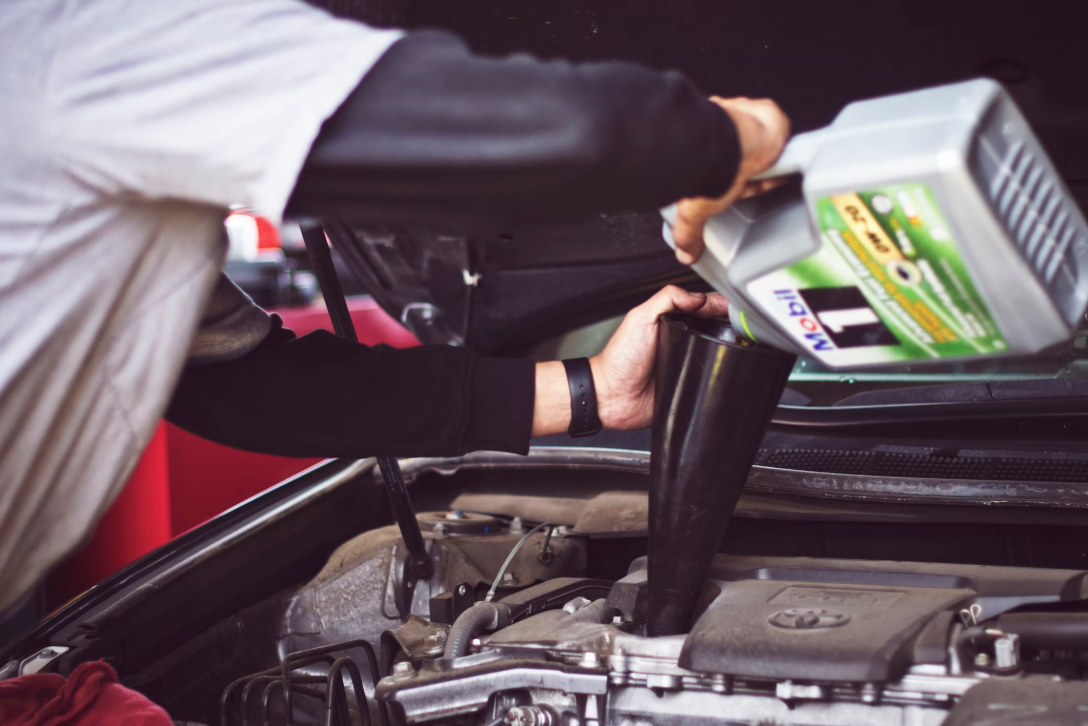
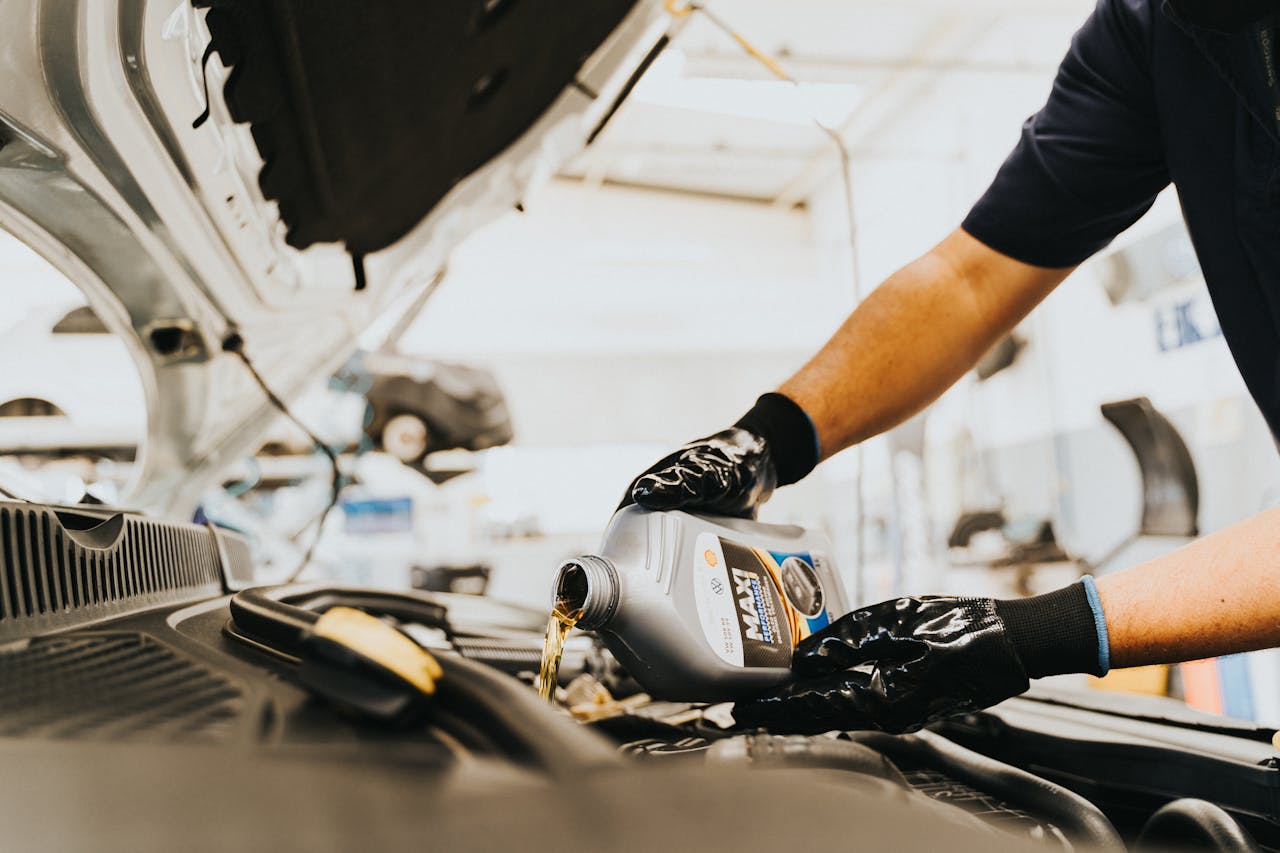
man refilling motor oil on car engine bay

How Does My Engine Oil Get Dirty Fast?

Every day, customers visit our Keith Pierson Toyota service center in Jacksonville, Florida, with questions about their vehicle's performance, but one inquiry stands out: "How does my engine oil get dirty?" The answer to this simple question reveals a fascinating journey of automotive science and engineering. more Most drivers see engine oil as another maintenance item, something we change periodically and forget about. But we see it differently. At Keith Pierson Toyota, we understand that engine oil is the lifeblood of your vehicle, working to keep your engine running smoothly. It's constantly battling extreme temperatures, microscopic debris, combustion byproducts, and the wear and tear of daily driving. Let's discover why engine oil gets dirty, what those color changes mean, and how you can protect your Toyota's engine for years to come. Are you ready to become an engine oil expert? Why Engine Oil Turns Black: The Science Behind the Grime Motor oil isn't just a lubricant — it's your engine's superhero. When the oil becomes dirty, it's doing what it's designed to do. The detergents in your motor oil are working overtime to clean up soot, carbon deposits, and various contaminants that naturally accumulate in your engine. The Cleaning Process Explained Engine oil is constantly collecting dirt, debris, and microscopic particles that would otherwise cause serious damage to your engine's internal components. As it traps these contaminants, the oil changes color — typically from an amber or light brown to a darker, almost black shade. What Makes Engine Oil Get Dirty? You might be wondering, how does engine oil get dirty? Here are several culprits: Combustion byproducts: Every time your engine runs, combustion gases can leak past the piston rings — a process called blow-by that introduces soot and other particles directly into your oil. Fuel contamination: Poor engine performance or worn piston rings can cause excessive fuel to mix with your oil, contributing to its degradation. Heat and wear: The extreme temperatures in your engine break down oil over time, causing it to collect more contaminants and lose its effectiveness. Signs Your Engine Oil Is Getting Dirty Is your oil crying out for help? Here are some telltale signs of bad engine oil: Darkening color from light amber to dark brown or black Gritty or sludgy texture when checking the dipstick Decreased engine performance Unusual engine noises Reduced fuel efficiency The Role of Your Oil Filter Your oil filter is the first line of defense against dirty oil. A clogged or inefficient filter can't trap particles, allowing contaminants to circulate freely in your engine. At Keith Pierson Toyota, we recommend regular filter changes as part of your routine maintenance. How a Bad Positive Crankcase Ventilation System Contributes to Dirty Oil The Positive Crankcase Ventilation (PCV) system is crucial in preventing oil contamination. When it's not working correctly, it can allow moisture, unburned fuel, and other contaminants to mix with your engine oil, accelerating the dirtying process. Protecting Your Engine: What You Can Do Don't worry, you're not powerless against dirty engine oil. Here are some pro tips: Schedule regular oil changes. Use high-quality motor oil recommended for your Toyota model. Have your PCV system checked during routine maintenance. Pay attention to your vehicle's performance and warning signs. Why Choose Keith Pierson Toyota for Your Oil Changes? We're not just another service center — we're your automotive partners. Our commitment goes far beyond a simple oil change. At Keith Pierson Toyota, you're getting more than a maintenance service; you're getting a comprehensive vehicle health check performed by true professionals who live and breathe Toyota engineering. Our certified technicians are trained directly by manufacturer experts to understand the intricate systems of every Toyota model. We don't believe in one-size-fits-all service. Each vehicle receives personalized attention, with our team carefully analyzing your specific model's requirements, driving conditions, and maintenance history. We use state-of-the-art diagnostic tools that interface directly with your Toyota's computer systems, allowing us to detect potential issues before they become costly problems. Our diagnostic process is so precise that we can identify subtle changes in engine performance that might go unnoticed by less specialized service centers. Every oil change at Keith Pierson Toyota includes genuine Toyota parts and premium-grade motor oils specifically formulated for your vehicle. We understand that your Toyota is an investment, and our goal is to help you maximize its performance, efficiency, and longevity. Our commitment extends beyond the service bay. We provide transparent consultations, detailed service reports, and ongoing maintenance recommendations tailored to your specific vehicle. At Keith Pierson Toyota, we'll treat your car as if it were our own. Ready To Give Your Engine Some Love? Don't let dirty engine oil compromise your vehicle's performance. Schedule an oil change appointment at Keith Pierson Toyota today. We're conveniently located in Jacksonville, Florida, and we're committed to keeping your Toyota in peak condition. man refilling motor oil on car engine bay by Tim Mossholder is licensed with Unsplash License

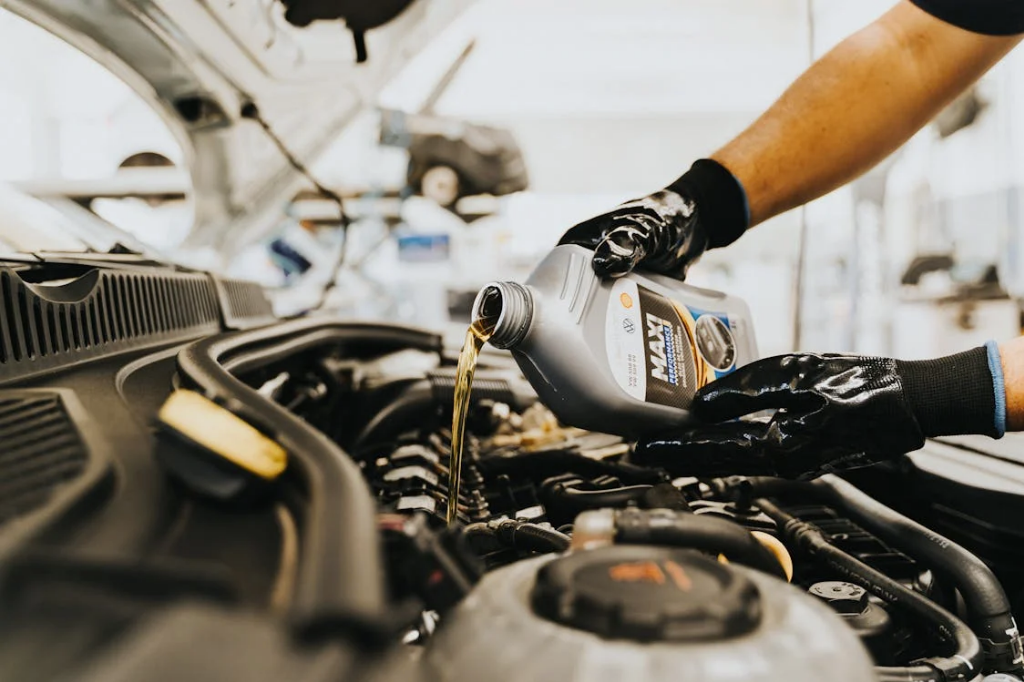
Hands Pouring Oil to Engine

What is the best type of motor oil for my car?

Selecting the proper motor oil is key to maintaining your car's optimized operation. The right lubricant can enhance fuel economy, but choosing the wrong one could increase the wear on your engine significantly. The decision you make will affect your vehicle's longevity and daily performance. To protect your car and keep it running smoothly, you need to understand the key factors in choosing the right oil for your vehicle. At Keith Pierson Toyota, we can help you get to grips with motor oil. more noteaser Overview: Importance of Choosing the Correct Motor Oil for Your Car Lubricants are vital for your engine's health, especially in today's engines, where gaps between parts can be as small as 1-2 microns, making proper lubrication crucial. While the right product creates a protective layer between moving parts to reduce wear, it also serves additional functions beyond mere lubrication. Fluid handles about 40% of the engine's cooling, so by picking the right lubricant, you're not just keeping your modern engine running; you're improving its power, making it last longer, and maybe even saving money on gas and fixes down the road. Types of Motor Oil: Conventional, Synthetic, and Synthetic Blend Your choice of motor oil can really affect how your vehicle performs and how often you need to change the lubricant. Your main choices are conventional oil, which comes from crude oil and has been used for many years, and synthetic oil, which is made in labs and works better for longer. Synthetic blend mixes features of both types. Synthetic oil's longevity is impressive, often lasting up to 15,000 miles between changes. That's significantly longer than conventional products that require replacement every 3,000 to 5,000 miles. Also, synthetic lubricants can make your car use less gas — up to 2% less compared to regular options. It costs more at first, but many drivers think it's worth it in the long run. Have you thought about switching to synthetic oil? It might save you time and money over the years. It could also help your vehicle run smoother and last longer. Think about your driving habits and what your car needs. Then you can decide if synthetic lubricant is the right choice for you. Viscosity Grades: Understanding the Numbers Viscosity grades are essential to your motor oil performance. The numbers such as 5W-30 or 0W-20 you've seen on oil bottles indicate how the lubricant behaves at various temperatures. The "W" stands for winter, pointing to the substance's cold-weather characteristics. Interpreting the Code The first number before W reveals how well an engine oil pours in cold weather, while the second number tells its thickness at normal operating temperature. It's useful to know that lower numbers represent thinner oils, which can improve fuel efficiency. A product that's too thick could cut your fuel efficiency by up to 2%, which is why picking the right lubricant for your vehicle is significant. Tailoring Your Choice Align oil selection with your vehicle's demands and driving environment. If you reside in a colder climate, you may benefit from choosing oils with lower winter ratings. If you're in a hot place, higher running heat thicknesses could be needed to shield your vehicle's engine. Understanding these numbers isn't just about knowing your vehicle — it's about giving your engine the best care. By choosing the appropriate product, you can ensure your car operates efficiently, no matter the weather. Original Equipment Manufacturer Recommendations: Following Manufacturer Guidelines for Oil Selection Manufacturer guidelines for lubricant choice are crucial in keeping your vehicle running smoothly and maintaining your warranty. These guidelines come from rigorous testing and design specific to your engine type. You can find this vital information in your owner's manual or on the lubricant filler cap under the hood. Many new cars have advanced systems that track oil life. These tools figure out when you need a change based on how you drive, taking the guesswork out of maintenance schedules. Adhering to these recommendations guarantees optimal protection for your vehicle's engine. Ignoring the manufacturer's specifications and change intervals could lead to lower engine performance and faster wear and might even void your warranty. Driving Conditions: Selecting the Right Oil for Your Specific Needs Your driving habits and surroundings play a big role in picking the best lubricant for your car. Jacksonville driving, with frequent stops and starts, can degrade the fluid more quickly than highway trips. If you mostly drive in town, you might need a lubricant that fights breakdown better and needs changing more often. For high-mileage vehicles, specialized formulations with additives may be beneficial by keeping old engine seals in good shape. If you pull heavy things or drive in very hot or cold weather, specialized formulations are designed for these demanding conditions. They're built to handle big temperature changes and keep engines clean. By matching your choice of motor oil to how and where you drive, you'll keep your engine running well, no matter what driving conditions you encounter. Experience Expert Oil Service at Keith Pierson Toyota At Keith Pierson Toyota in Jacksonville, Florida, our certified mechanics offer premium oil change services. We understand the characteristics of various lubricants and their impact on engine efficiency. Our oil change service goes beyond expectations by including a comprehensive check-up that examines fluid levels, tire pressure, and brakes. This meticulous approach ensures we evaluate your car's overall condition during each maintenance visit. If your vehicle has surpassed 30,000 miles, we offer a $10 discount on your service. If you want to schedule a service appointment or talk about your vehicle's oil requirements, Contact our team at 888-597-3703. Check out our Blog on Toyota Tacoma Oil Change Guide! Hands Pouring Oil to Engine by Daniel Andraski is licensed with Pexels License

pouring oil to engine

Understanding Oil Viscosity and Why It Matters for Your Engine

Oil viscosity is a fundamental concept in engine maintenance that plays a crucial role in ensuring your vehicle's engine operates efficiently and lasts longer. Choosing the correct oil viscosity is essential, as it significantly impacts the efficiency and durability of your engine. Understanding oil viscosity can help you make informed decisions about the type of oil to use, which ultimately enhances your vehicle's performance and longevity. Our team at Keith Pierson Toyota in Jacksonville, Florida, has compiled a short guide on all things engine oil for your convenience. more noteaser Basics of Oil Viscosity Viscosity refers to the thickness or flow characteristics of a fluid. In the context of engine oils, viscosity measures how easily the oil flows at different temperatures. It's typically denoted by a set of numbers and letters, such as 10W-30. The first number, followed by the letter "W" (which stands for winter), indicates the oil's viscosity at cold temperatures, while the second number represents the oil's viscosity at normal operating temperatures. The Society of Automotive Engineers (SAE) has established a grading system for engine oils to help consumers understand viscosity ratings easily. Oils with lower numbers are thinner and flow more easily, which is beneficial during cold starts. Conversely, oils with higher numbers are thicker and provide better lubrication at higher temperatures. This balance is crucial because an oil that's too thick or too thin can adversely affect engine performance. Impact on Engine Performance Using the correct oil viscosity is critical for optimal engine performance. The right viscosity helps lubricate engine parts, reduce friction, and prevent wear and tear. When the oil is too thin (low viscosity), it may not provide sufficient protection, leading to increased metal-to-metal contact and accelerated wear. If the oil is too thick (high viscosity), it may not flow easily, resulting in reduced fuel efficiency, increased engine strain, and potential damage to components. The consequences of using the wrong viscosity grade can be significant. Increased engine wear can lead to reduced engine life span, higher maintenance costs, and potentially catastrophic failures. Reduced fuel efficiency means more frequent trips to the gas station and higher operating costs. Using the wrong viscosity can also cause difficulty in starting the engine, particularly in cold weather, and may lead to inadequate lubrication and protection during high-temperature operation. Correct Viscosity Grade Manufacturers recommend specific viscosity grades based on the engine's design and operating conditions. You can find these recommendations in your vehicle's owners manual. Here's a look at some common viscosity grades: 0W-20: This viscosity grade is commonly recommended for newer vehicles, especially those with small, fuel-efficient engines. The "0W" indicates the oil's flow characteristics in cold temperatures, providing easy starts and quick lubrication during cold weather; the "20" refers to the oil's thickness when the engine reaches normal operating temperature. 5W-30: This versatile viscosity grade is suitable for a wide range of vehicles, including older models and those operating in moderate climates. The "5W" indicates good cold-start protection, while the "30" shows adequate protection at higher temperatures. 10W-40: Often used in older engines or under harsh operating conditions, this viscosity grade provides better high-temperature protection compared to lighter motor oil grades. The "10W" indicates easy cold-start performance, while the "40" maintains viscosity at elevated temperatures. 15W-50: Recommended for high-performance engines or vehicles operating in extreme conditions, this viscosity grade offers excellent protection against heat and wear. The "15W" indicates cold-start protection, while the "50" maintains viscosity under severe conditions. Choosing the correct viscosity grade is crucial for maintaining optimal engine performance and longevity. Always refer to your vehicle's owners manual for the manufacturer's recommendations based on your engine's design and operating conditions. Seasonal Considerations Temperature changes can significantly affect oil viscosity, making it necessary to consider seasonal variations when selecting engine oil. In colder months, oil tends to thicken, hindering its ability to flow and lubricate the engine during start-up. Conversely, oil can become too thin in hotter months, losing its ability to provide adequate protection at high operating temperatures. To address these seasonal changes, you may need to switch to a different viscosity grade. For example, a 5W-30 oil is suitable for cold weather because it flows easily at low temperatures and provides sufficient lubrication when the engine warms up. In contrast, a 10W-40 oil is better suited for warmer climates due to its higher viscosity at warm operating temperatures. Consulting your owners manual or a trusted mechanic can help you determine the best oil for your vehicle based on seasonal changes. Choosing the Right Oil Selecting the right oil for your vehicle involves understanding oil grading systems and reading labels accurately. The SAE grading system is the most common and provides a clear indication of the oil's viscosity characteristics. Also look for certifications from organizations such as the American Petroleum Institute, which ensures the oil meets specific performance standards. Consulting your owners manual is the first step in choosing the right oil. The manual provides detailed information on the recommended viscosity grade and any specific requirements for your engine. Also consider your driving conditions. If you frequently drive in extreme temperatures, tow heavy loads, or operate in stop-and-go traffic, you might need an oil with higher performance characteristics. Professional advice from a trusted mechanic or dealership, such as Keith Pierson Toyota, can be invaluable. Our service professionals are trained to understand the specific needs of various vehicles and can recommend the best oil for your car based on its make, model, and operating conditions. We can also help you understand the benefits of synthetic oils, which often provide better performance and protection compared to conventional oils. Learn more about oil changes in our Toyota Tacoma Oil Change Guide! Keep Your Engine Running Smoothly With Keith Pierson Toyota Understanding and choosing the right oil viscosity is crucial for maintaining optimal engine performance and longevity. Regularly checking and replacing your engine oil as per the manufacturer's recommendations ensures your engine remains well lubricated and protected from wear and tear. At Keith Pierson Toyota, our service professionals are here to assist with oil changes and provide expert guidance on selecting the appropriate oil for your vehicle. Come to our dealership or schedule an appointment to see how we can help you keep your engine running smoothly for years to come. Pouring Oil to Engine by Daniel Andraski is licensed with Pexels License

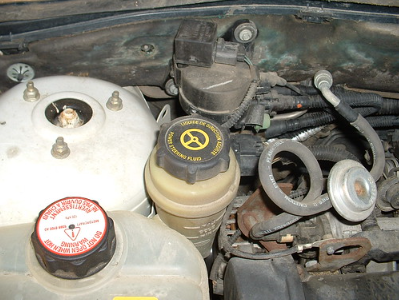
Toyota power steering fluid under the hood.

How Does Power Steering Work and How Do I Check the Fluid?

Power steering helps reduce steering effort by using hydraulic or electric assistance. Checking power steering fluid regularly can help prevent hard steering and system damage. Common warning signs include noise, leaks, low fluid, pump trouble, and unusual steering wheel movement. The advent of automobiles in the early days meant that drivers had to rely heavily on their physical strength to maneuver their vehicles, especially when it came to parking. However, the invention of power steering revolutionized the driving experience. Nowadays, most cars are equipped with this system, with the exception of certain electric and hybrid models. By utilizing either hydraulic or electric power, drivers can effortlessly turn the steering wheel, transforming once-challenging maneuvers into seamless and effortless experiences. To grasp the mechanics behind this remarkable advancement in automotive technology and how to maintain it, let's delve deeper into the inner workings of power steering systems. Introduction to Power Steering The first power steering system installed in a production vehicle made its debut in the 1951 Chrysler Imperial, signaling a major leap forward in automotive technology. This ground-breaking system didn't merely facilitate easier control over heavy vehicles; it also laid the groundwork for improvements in steering responsiveness. Prior to this, executing tight turns or parking maneuvers were arduous tasks demanding multiple wheel rotations, a result of slow gearing that allowed drivers to manage the considerable effort required to steer. With the advent of power steering, however, these systems were refined, enabling a faster steering ratio. How Power Steering Works Power steering operates on a similar principle to the brake system, functioning as a hydraulic system. It's more accurately referred to as power-assisted steering owing to the mechanical link between the steering wheel and the wheels of your vehicle. The car's engine delivers power to pump steering fluid from the reservoir to the rack and pinion via a belt and pulley. As you turn the steering wheel, the hydraulic fluid, also known as power steering fluid, is directed through a piston that provides additional force to move the vehicle in the intended direction. Once you straighten the steering wheel, the valve closes to stop the flow of fluid, causing the piston to retreat. Types of Power Steering Systems Power steering systems mainly fall into three categories: hydraulic, electric, and electrohydraulic. Hydraulic: A hydraulic power steering system connects directly to the steering rack and relies on an engine-driven belt pump to pressurize the power steering fluid. Electric: Electric power steering systems simplify design and reduce weight by removing the need for components such as a pump, pulley, belt, hoses, or power steering fluid. Instead, an electric motor connected to the steering rack or column provides the necessary steering assistance. Electrohydraulic: This hybrid system combines the features of both electric and hydraulic systems. It commonly utilizes electric pumps to pressurize the hydraulic fluid rather than engine-driven pumps, with some even capable of turning off the electric pump when not in use to save energy. The Importance of Power Steering Fluid Power steering fluid plays a crucial role in maintaining the proper function of the system. It acts as a lubricant for all the moving parts and helps dissipate heat generated by the pump. Without enough fluid, the system can malfunction, causing difficulty in turning or even complete failure. Regularly checking and maintaining the fluid level is essential to ensure a smooth and efficient driving experience. Step-by-Step Guide To Checking Power Steering Fluid To check your power steering fluid, you'll need a clean rag, a pair of gloves, and some power steering fluid. Here are the steps to follow: Park your car on a flat surface and let the engine cool down for a few minutes. Open the hood of your car and locate the power steering fluid reservoir, which is usually near the front of the engine and has a cap labeled "Power Steering." Wipe off any dirt or debris from the cap before opening it to prevent contamination. Using the rag, wipe the dipstick attached to the underside of the cap to clean it. Inspect the color of the power steering fluid. Good power steering fluid should have a pinkish, amber, or clear hue. Reinsert the dipstick into the reservoir and pull it out again to check the fluid level against the markings on the dipstick. If the level is below or near the "add" line, add more fluid until it reaches the "full" line. Put back the cap tightly and wipe off any spilled fluid with a rag. Common Power Steering Issues Power steering, like any mechanical system, can encounter issues over time. Here are a few common problems: Noise: A whining or groaning sound when turning the steering wheel could indicate a problem with your power steering system. Fluid leaks: If you notice an amber, pink, red, or even clear puddle under your car, this could be a sign of a power steering fluid leak. Low power steering fluid: If you notice difficulty in turning or a steering wheel that feels too loose, it could be due to low power steering fluid. Pump failure: An excessively noisy or rough steering wheel, especially when turning at low speeds, could indicate a problem with the power steering pump. Unusual steering wheel movements: A shaking or vibrating steering wheel could be an indication of a failing power steering system. Maintaining Power Steering System Maintaining your power steering system is crucial to ensure its longevity and optimal performance. One key aspect of this is regularly changing the power steering fluid. The frequency of fluid change depends on the type of fluid used and the volume of fluid in the system. The best approach is to adhere to the guidelines provided by the original equipment manufacturer. Generally, it's recommended to replace the power steering fluid at least every two to three years or after every 50,000 to 75,000 miles, whichever comes first. In addition to regular fluid changes, it's essential to address any issues with the power steering system immediately. Ignoring problems can lead to more significant and costly repairs in the future. If you're unsure about how to maintain your power steering system, it's always best to seek professional assistance. A trained mechanic can inspect the components of your system and advise on necessary maintenance or repairs. Need Professional Help? Visit Keith Pierson Toyota The thought of flushing your power steering system may seem daunting, or maybe you're concerned about the cleanup. No need to worry. At Keith Pierson Toyota in Jacksonville, Florida, we have a team of professional mechanics with expertise in power steering systems. From fluid replacement to addressing critical issues, we're equipped to ensure your vehicle's power steering system is maintained at its best. Feel free to contact us or visit our service center to schedule a service today. power steering 3 by schwartz.mark is licensed with CC BY 2.0 DEED Frequently Asked Questions How does power steering help when driving? Power steering reduces the physical effort needed to turn the wheel by using hydraulic or electric assistance, making parking and low-speed maneuvering much easier. What color should healthy power steering fluid be? Good power steering fluid should typically appear pinkish, amber, or clear when you inspect it on the dipstick. What are common signs of a power steering problem? Common warning signs include whining or groaning noises, fluid leaks, hard steering, a loose-feeling wheel, pump-related roughness, or shaking and vibration in the steering wheel.

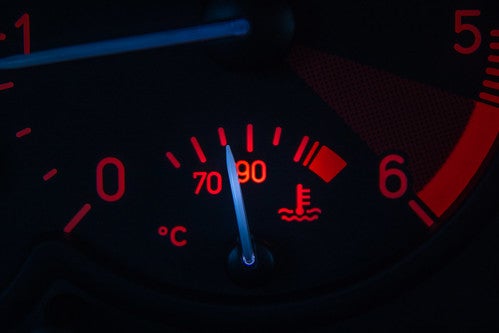
Close-up of temperature gauge on car dashboard

What You Need to Know About Radiator Fluid

Radiator fluid helps regulate engine temperature and protects cooling-system components from corrosion. Toyota coolant comes in several formulations, so the correct choice depends on your specific model and engine. Regular coolant checks and service can help prevent overheating, component wear, and costly repairs. Diesel, gasoline, hybrid, and electric-powered cars naturally create heat. Your vehicle's engine cannot handle all of this heat and needs to cool to continue running optimally. Radiator fluid, also called antifreeze or coolant, manages the heat your car's engine generates. Without it, the engine would overheat and eventually fail. Toyota acknowledges the vital importance of engine cooling in its vehicles and has painstakingly developed a specialized radiator fluid for its entire vehicle range. This specially formulated fluid guarantees optimal performance and efficiency, safeguarding the longevity and reliability of Toyota vehicles. Our Keith Pierson Toyota team in Jacksonville, Florida, shares more about radiator fluid and its importance in this article. You can trust us for unparalleled service and maintenance to keep your Toyota performing at its peak. more What Does Toyota Radiator Fluid Do? Radiator fluid is a key component in your vehicle's cooling system. It helps move heat away from the combustion chambers and transfers it to other parts of the car, ensuring temperatures stay within an optimal range. This water-based solution also has corrosion inhibitors and specialized additives to prevent advanced forms of rust and wear. So if you want to keep your car, truck, or SUV running like new, ensure you're giving your Toyota's radiator fluid the attention it deserves. What Types of Radiator Fluid Are Available for Your Toyota? Determining the best radiator fluid for your Toyota can be challenging with all the options available. At Keith Pierson Toyota, we understand your confusion and want to help you make the best choice for your vehicle. Every Toyota model and variant requires a specific fluid, so consulting the owner's manual to ensure you pick the correct fluid for your vehicle is imperative. Toyota radiator fluids come in five colors: pink, red, blue, green, and clear. So what do the colors mean? Let's break it down: Toyota Super Long Life Coolant (pink): Toyota has carefully formulated this coolant using hybrid organic acid technology, ensuring optimal efficiency and exceptional durability. It's the best coolant for most Toyota models and may be more expensive upfront, but its longer life span eliminates the need for frequent top-ups or replacements. Toyota Long Life Coolant (red): The alternative to the pink coolant is red inorganic acid technology coolant, which is for Toyota's older and lower-end models. This coolant is more affordable and comes as a concentrated solution, but you may need to replace it more frequently than the pink one. Toyota Super Long Life Coolant Blue: Toyota formulated this coolant with organic acid technology in a joint project with Subaru. So you can also use the blue Subaru Super Coolant if your Toyota has a Subaru boxer engine, such as the 86 or BRZ. Toyota Frostox HT-12 Coolant (green): This coolant utilizes silicate organic acid technology and is part of Toyota's joint project with BMW. The Toyota Mk5 Supra and the 2019 BMW Z4 share the same engine, making Frostox HT-12 the ideal coolant for these vehicles. Toyota Fc Stack Coolant (clear): Toyota exclusively uses colorless coolant for its fuel-cell electric vehicles, such as the Mirai. Which Toyota Coolant Is Right for Your Car? While it may seem you could rely on the color of the coolant to determine what's right for your vehicle, the truth is that's not always the case. So how can you determine the best coolant for your car? You need to consult the owner's manual or seek professional advice. At Keith Pierson Toyota, we can help you determine the best radiator fluid for your make and model. Our experienced technicians know what type of coolant is safest and most effective for your vehicle's age, mileage, and performance. What Happens if You Neglect Radiator Fluid? Ignoring your car's radiator fluid could have serious consequences for your Toyota. Here are some risks that come with not changing the coolant when necessary: The engine may start to run hotter than usual, resulting in possible overheating and severe engine damage. The head gasket could blow, mixing coolant with the engine oil, and cause a major engine problem requiring replacing the engine or buying a new vehicle. Other engine parts, such as cylinders and pistons, may suffer damage when the engine runs hotter than it should. The heater could become damaged. Fuel economy may decrease. The coolant won't protect the cooling system's components from corrosion, leading to parts, such as the radiator and water pump, rusting and eventually failing. Why Check and Change Radiator Fluid Regularly? Regularly checking and changing the radiator fluid is a crucial aspect of routine maintenance for any Toyota. Let's look at some of the benefits you can enjoy: Hinders corrosion: Coolant loses effectiveness over time, leaving the cooling system vulnerable to contaminant build-up. A thorough flush eliminates these particles, ensuring a clean and efficient system. Prevents maintenance issues: Like getting a wellness check when you're not sick, radiator flushing is an important part of preventive maintenance for your car. A coolant flush also involves inspecting the cooling system for leaks and other potential problems before they cause significant damage. Cleanses the cooling system by removing contaminants: Coolant loses its anti-corrosive and rust-inhibiting properties over time, resulting in rust and scaling that contaminate the coolant and turn it into a murky brown liquid. Regular radiator flushes help clear out the old coolant and any contaminants within. These are just a few benefits that regular radiator fluid checks and changes can provide. The Keith Pierson Toyota Advantage We take great pride in providing your Toyota with the best service and maintenance at Keith Pierson Toyota. Our technicians are knowledgeable and up to date on all the latest technologies, so you can be sure your vehicle is in good hands. Whether it's a simple oil change or a more complex repair, our team delivers top-notch service to ensure your vehicle's longevity. Contact us to schedule your next service appointment and experience the Keith Pierson Toyota difference. From our first-rate customer service to our meticulous attention to detail, we guarantee you'll drive away happy with the results. Close-up of temperature gauge on car dashboard by Ivan Radic is licensed with CC BY 2.0 Frequently Asked Questions What does radiator fluid do in a Toyota? Radiator fluid helps move heat away from the engine, maintain proper operating temperatures, and protect cooling-system components from corrosion and wear. Can I choose Toyota coolant by color alone? No. While Toyota coolant comes in several colors, the correct coolant depends on your specific model, engine, and factory requirements. Always check your owner's manual or ask a professional technician. What can happen if coolant service is neglected? Neglecting radiator fluid can lead to overheating, corrosion, reduced fuel economy, heater issues, and in severe cases, major engine damage.

A Beige Toyota driving down the middle of a dirt road with tall trees on each side.

Toyota Tacoma Oil Change Guide

The Toyota Tacoma stands as a symbol of dependability, allowing you to conquer challenging terrains and embrace countless adventures. An important way for you to unlock its full potential lies in vehicle maintenance. Regular service and oil changes are essential to keep your Tacoma running smoothly. more What Is the Best Oil to Use for the Tacoma? The recommended oil type and viscosity for the Toyota Tacoma may vary depending on the specific model year and engine variant. It runs well on synthetic oil with a grade of SAE 0W-20 or SW 5W-20.To ensure accuracy, it is crucial to consult your owners manual for the correct oil type. If you don't have access to your manual or need to double-check, our service center at Keith Pierson Toyota in Jacksonville, Florida, is ready to assist you. How Often Does the Tacoma Need an Oil Change? The recommended oil change interval for the Toyota Tacoma is every six months or every 5,000 to 7,500 miles, whichever comes first. However, it's important to note that the specific interval may vary based on factors such as the model year, engine type, driving conditions, and the type of oil used. In newer Toyota models, a maintenance reminder system is often installed, which monitors driving conditions and oil life to indicate the need for an oil change. There are several signs that indicate the need for an oil change, including smoke emitting from the exhaust, unusual engine noises, or vibrations when the engine is idle. Check your oil levels and texture using the dipstick provided with your vehicle. If you observe low oil levels or oil that is too thick or thin to flow properly, it's time to change the oil, even if it's not due for a scheduled service. Why Should You Change the Oil in Your Tacoma? It's important that your motor oil has the appropriate consistency for your engine to perform at its best. Motor oil serves multiple vital functions, such as lubricating the various moving parts to prevent friction and potential damage from scraping. It also plays a vital role in reducing heat buildup within the engine, preventing the risk of overheating. Regularly changing your oil and filter is essential for extending the lifespan of your engine and ensuring it remains free from blow-by contaminants. These refer to the combustion gases that get past the piston rings into the crankcase. While oil additives may provide some benefits by extending the time between oil changes, it's important not to neglect this maintenance task beyond a certain point. Failing to address oil changes on time can have a snowball effect, potentially leading to severe mechanical issues down the line. How To Change the Oil To change the oil in your Tacoma, you can follow a similar process as you would for any other vehicle. Here are the steps to successfully perform this service. Prepare Your Tools Begin by gathering the necessary tools and materials, which include rags, a new oil filter, a wrench, a ratchet, socket extensions, an oil drain pan, a funnel, gloves, and new oil. Raise Your Tacoma You have a few options available in raising your vehicle. If you prefer using car ramps, it's crucial to drive up the ramps slowly, ensuring you position the vehicle accurately without rolling over the ramp's edge. To prevent any backward movement, place a wooden block behind each of the rear wheels. Alternatively, if you opt for a car jack, consult your owners manual for the specified lifting point. Once you achieve the correct height, it's recommended to place two jack stands underneath your Tacoma for added safety. Before beginning the oil change, ensure that your vehicle is parked on a level surface, the engine is turned off, and the parking brake is engaged. If necessary, use wheel chocks for further security. By employing a suitable lifting method, you'll have ample space underneath the Tacoma to comfortably perform the oil change. Open the Hood Open the hood and secure it with the hood prop rod. Find the hood release latch inside the car, positioned beneath the steering wheel. Next, locate the engine oil cap and unscrew it to facilitate faster oil drainage before performing the next step. Drain the Oil Place the oil pan beneath the drain plug and use your wrench to loosen the plug. As the oil begins to drain out, be aware that it may come out quickly before the flow gradually slows down. Be careful of warm oil (if the engine was running) when you move the pan to catch the old oil. When the oil has drained out, place the drain plug back in position. Replace the Filter To replace your vehicle's engine filter, locate it on the passenger side of the engine bay. Use your wrench to gently remove the old filter. Before installing the new one, clean the filter's housing unit thoroughly. Rub some oil on the gasket of the new oil filter, then screw it back into place. Refill the Engine Oil Insert the funnel into the engine oil opening, carefully positioning it. Gradually pour the appropriate amount and type of new oil into the funnel to prevent any oil from dripping onto other engine bay components. If needed, use extra bottles of oil, making sure to adhere to your vehicle's specific quart requirement. After refilling the oil, examine the drain plug and oil filter for any leakage. Wipe away any oil spills and confirm that all components are secure. Check the Oil Level Check the oil level with your dipstick and add more oil if necessary. Reinstall the skid plate, start your vehicle, and perform an oil pressure test to ensure that the oil reaches the correct level. Lastly, turn off the engine and securely close the hood of your vehicle. Schedule an Oil Change for Your Toyota Tacoma Today If you prefer to take your Tacoma for an oil change, schedule an appointment with Keith Pierson Toyota today. Our qualified service technicians are available to perform anything else you may need, such as brake and battery checks. We look forward to serving you. Schedule Service View Tacoma Inventory Image by Brian Beckwith is licensed with Unsplash License

how long do toyota batteries last?

How Long Do Toyota Batteries Last?

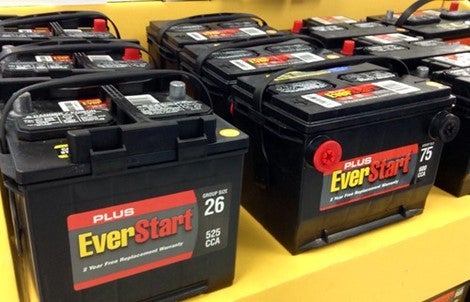
Has your car battery ever died on you? If so, you understand how stressful and annoying it can be — especially when stranded on the roadside. The battery in your Toyota is a critical component; it stores and supplies the power to start up the engine and run its many electrical and electronic systems. Over time, battery efficiency gradually decreases with use and exposure to the elements, affecting its ability to accept and hold charges and start the engine. Consequently, monitoring, maintaining, and replacing your battery when necessary is essential to keep it in optimal condition. But the question is, how long will a car battery last? more Defining a Toyota Battery's Service Life Walmart EverStart Car Batteries, Battery by Mike Mozart is licensed with CC BY 2.0 The lifespan of your Toyota battery depends on its type. Conventional lead-acid and hybrid batteries have different lifespans due to their different operating principles. Here's a quick overview of how long each type lasts: Conventional lead-acid batteries With proper maintenance, these batteries can last between three and five years. You use conventional lead-acid batteries in cars that run at least partially on gas. They utilize a combination of lead and lead dioxide plates submerged in a liquid mixture of one-third sulfuric acid and two-thirds water. While the car's running, the alternator works to recharge the battery, but it'll slowly lose its charge when it's not in use. Hybrid batteries Hybrid batteries usually last 10 to 15 years. Some hybrid vehicles, such as the Prius, use two different batteries: a conventional lead-acid one and a lithium-ion or nickel-metal hydride hybrid one. Meanwhile, the Mirai has hydrogen fuel cells and a conventional battery. You must replace the conventional battery every three to five years, but the hybrid one lasts much longer. Factors That Affect a Toyota Battery's Longevity Although your Toyota battery's service life depends mainly on its type, numerous factors can affect its longevity. Here are a few to keep in mind: The climate you live in Extreme heat and cold can significantly decrease your car battery's life span. Hot climates, such as those here in Jacksonville, Florida, can cause water to evaporate from the battery's liquid electrolytes and accelerate corrosion inside the battery. Conversely, cold temperatures below 32 degrees can reduce your battery's strength by up to 35%, making it work much harder to get your car started. How often you drive Contrary to popular belief, the more you drive your car, the better off your battery will be. The battery can drain if you take it out infrequently and leave it idle. Taking it out for a 30- to 40-minute drive each week allows the battery to charge up and maintain its capacity. Your car accessories Using your car's accessories can impact your battery's longevity, as doing so draws power from it. To maximize your battery life, avoid running the radio or air conditioner while idle, and double-check that all lights are off when you leave the car. Your car care schedule Routine battery maintenance is an essential part of your car care schedule. At our Keith Pierson Toyota dealership, our technicians can visually inspect the battery, clean its cables and clamps, and check its electrolyte levels and voltage to ensure it's at the correct charge. Tips to Help Extend the Life of Your Toyota's Battery While regular car maintenance is your best defense against an old or weak battery, these quick tips may help you get a few more months out of yours. Minimize the number of short rides: Try to do all your errands at once so you're not taking multiple short trips. This helps your battery charge fully each time. Park in a garage: Scorching sunshine and frigid weather are terrible for car batteries. Store your car inside a garage to protect it from extreme temperature fluxes, if possible. Clean off battery corrosion: Corrosion appears as white or granular buildup around cable ends and terminals. You can remove it with a soft-bristled toothbrush and baking soda, then coat the connectors in petroleum jelly. Secure your battery in the mounting bracket: Ensure the battery is snugly fit in the bracket to avoid internal damage when driving on rough roads. Turn off lights and unplug devices: Avoid anything that drains your battery while your engine is idle. Turn off headlights and internal lights, and unplug any devices you've been charging in the USB port. Regularly inspect the battery: Check it often and get an expert to inspect it during regular maintenance. Watch out for signs of a failing or near-dead battery, such as slow startups, low or flickering lights, and warning lights on the dashboard. If you recently replaced your battery and are still having problems, you may need to have your alternator inspected. Battery Services Offered at Keith Pierson Toyota Our battery services typically include an inspection of the battery and its cables and terminals and a thorough cleaning. We also perform open circuit voltage and load tests and treat the battery terminals to help prevent corrosion. Battery cables are essential for transferring power to the entire vehicle. Replacing them can provide longer battery life and optimize alternator operation. We provide a complete battery replacement service that includes removing the old battery and installing a new one, cleaning the battery holder, and properly tightening hold-down clamps and cables. This service enables proper alternator operation, quicker engine ignition, and peace of mind that your car will start when needed. We'll also treat the battery terminals to help stop corrosion. Schedule Your Next Toyota Battery Service at Keith Pierson Toyota Do you need car battery maintenance? Are you looking to replace your current one with a genuine Toyota battery? Or are you simply curious about our technicians' opinions on the matter? Whatever the case, our team at Keith Pierson Toyota is here to help. Our painstakingly trained technicians can provide the best advice and service regarding your Toyota. Contact us to schedule your battery service appointment and get answers to all of your questions.

toyota accessories for water activitiess

Best Toyota Accessories for Water Activities

Whether it's swimming, canoeing, boating, surfing, paddle boarding, or jet skiing, water activities are fun and refreshing. They're a great way to beat the summer heat and allow you to spend time outdoors with your family or friends. Before you start driving your Toyota vehicle to your next water recreation destination, you may want to equip it with some useful accessories that can make your trip easier, more pleasant, and safer. Check out this list of the best Toyota accessories for water activities, and order from our parts center today! more Portable Air Compressors If you must venture off the beaten path to reach your favorite beach, lake, or creek, consider investing in a portable air compressor. Unpaved surfaces can do a number on your tires and leave you stranded in the middle of nowhere. With a portable air compressor, you can inflate a leaky tire or spare tire regardless of your location, allowing you to drive to the nearest service center for a proper fix. Another benefit of a portable air compressor is that it can be used to fill up inflatables for your water activities. You can get an additional adapter that lets you quickly blow up inflatable water toys, sports balls, floating mattresses, kayaks, paddle boards, and more. That will certainly make your trips more fun and relaxing. Toyota offers the ARB portable air compressor, which is made of lightweight yet durable materials and delivers an impressive air flow rate. It's specially designed for fast and easy tire inflation and comes with a 19-foot air hose, inflation kit, battery clamps, and a hand-sturdy carrying case. Floor Liners Unless you're going to a swimming pool or water park, you can expect the inside of your Toyota to get messy at the end of your water recreation trip. You and your family may track dirt, water, sand, mud, and debris into your car, which can get into the carpets and potentially cause mold growth or corrosion. One effective way to protect your vehicle's interior is to install Toyota's all-weather floor liners. Consisting of two liners for the front and one for the rear, these floor liners are specially engineered to fit your specific Toyota model. This means they'll leave no gaps for moisture and dirt to reach your carpets. Additionally, they're made of a durable, weather-resistant material that's easy to clean. Ribbed channels enable them to trap moisture, while anti-slip backing keeps them in place. Canoe or Kayak Carriers Whether you enjoy taking a leisurely canoe ride on a lake or navigating your kayak through torrential rapids, you'll need a dependable and rugged canoe or kayak carrier. Attached to the roof of your Toyota, such a carrier enables you to securely transport your bulky watercraft to your destination without jeopardizing your driving safety and that of others. For the best results, you should choose a canoe or kayak carrier from a trusted brand. As one of Toyota's Associated Accessory Products, the Yakima KeelOver Canoe Carrier can be easily installed on top of your Toyota. It doesn't require any tool to assemble and attaches directly to your roof rack. Heavy-duty straps and tie-downs keep your canoe securely fastened to your car. If you need to transport a kayak, it's recommended that you get the Yakima JayLow J-Cradle Rooftop Kayak Mount. This kayak mount lets you carry one kayak in a J-Cradle position or two kayaks vertically. It's capable of supporting one kayak that weighs up to 80 pounds or two kayaks with a total weight of 110 pounds. It can be folded down when not in use. Portable Fridge Summer is the best time of the year for water activities, but the scorching temperatures can put a damper on any outing. Having a portable fridge in your Toyota vehicle is a great way to beat the heat and make your outdoor trips more enjoyable. It not only gives you easy access to refreshing cold drinks, but it can also keep your meat fresh when you're having a barbecue picnic on the beach or by the lake. The ARB Fridge Freezer is a popular accessory among Toyota owners who love the outdoors. With its robust construction and materials, this fridge is built to stand up to the elements. So, you can expect it to deliver consistent cooling performance come rain or shine. It comes with an easy-to-use touch-pad panel that allows you to adjust the temperature and set your preferred low-voltage cut-out with just a touch of a button. A password-protected locking system ensures that no unauthorized individuals will get their hands on the contents of your fridge. First Aid Kit Indulging in water activities puts you and your family at risk of injuries. Children are especially vulnerable, as they have a greater tendency to slip or fall, which can lead to cut-up hands or scraped knees. It's important to treat any wounds, even minor ones, as soon as possible so that they won't get infected. As such, you should make sure you have a first aid kit in your Toyota vehicle on your next trip to the water park, beach, lake, or swimming hole. Toyota has a compact first aid kit for treating minor injuries, such as cuts, scrapes, and scratches. Inside the water- and fire-resistant black PVC case, you'll find first aid supplies, such as self-adhesive bandages, sting relief pads, stretch bandages with metal clips, and a pair of stainless steel scissors. Also included is a personal protective equipment pack that includes four pairs of gloves, four hand sanitizer packets, and four face masks. If you own a Toyota in Jacksonville, Florida, and you want to purchase any of these awesome accessories, we invite you to drop by Keith Pierson Toyota. Our dealership is proud to offer one of the largest selections of Toyota original equipment accessories in the Jacksonville area. Whether you want to enhance your Toyota's appearance, performance, comfort, functionality, or safety, we can provide you with accessories that perfectly match the specifications of your specific model. Contact us today to find out if we have the accessories you need.

blue-toyota-camry

Toyota Camry Oil Change Guide

As the proud owner of a Toyota Camry, you can seek maintenance services for your vehicle to preserve its condition. Along with services like fluid replenishments and tire rotations, oil changes are essential to your car's operation. Below, you can review our Toyota Camry oil change guide so you can complete or obtain this important service. more What Kind of Oil Does a Toyota Camry Take? Most Camrys accept 0W-16 or 0W-20 motor oil. However, it's important to confirm the oil type that your owner's manual suggests. If you don't have access to your vehicle's manual or would like further confirmation, you can seek guidance from our service center at Keith Pierson Toyota. We'll help you get the right kind of oil for your vehicle so it can operate at its prime. When Does the Toyota Camry Need an Oil Change? The Toyota Camry typically requires an oil change every six months or every 5,000 miles that you put on your odometer. Follow an oil change schedule for whichever event comes first. You may be able to follow an extended oil change schedule for your Camry if it takes synthetic oil. This schedule would be approximately every year or every 10,000 miles. Sometimes, you may need to get an oil change for your Camry more frequently. For example, some signs that you need an oil change include smoke coming from the exhaust, a locking sound coming from your engine, or vibrations when idling. You can check your oil levels and oil texture using the dipstick that comes with your vehicle. If you notice low oil levels or oil that's too thick or thin to flow properly through your engine, you can change your oil even if it's not technically due for this service. Why Is It Important To Change the Oil in Your Toyota Camry? Motor oil that's the right consistency is essential for a properly functioning engine. It lubricates the many moving parts of your engine and prevents them from scraping against one another. It also reduces friction and prevents the likelihood of the engine overheating. When your Camry can operate on fresh oil, it may experience greater fuel efficiency and protect the life span of your engine for the long term. What's the Difference Between Conventional and Synthetic Oil? Depending on the age of your Camry, it may take conventional oil. Conventional oil is most prevalent in older Camry models. It comes from refined crude oil, and its thick composition helps it protect and lubricate older engines more thoroughly. Synthetic oil is most prevalent in newer Camry models. It comes from man-made chemical compounds, is thinner than conventional oil, and can flow better throughout the crevices of newer engines. How To Change the Oil in Your Toyota Camry The process for changing the oil in your Camry is similar to how you'd do it for any other vehicle. Follow these steps to complete this service yourself: Gather Your Supplies Begin by gathering your supplies, which include rags, a new oil filter, a wrench, an oil collection pan, a funnel, and new oil. Refer to the owner's manual of your specific Camry model to learn how many quarts you'll need. You can also acquire a method for lifting your vehicle so you have room underneath to work. Some people may use car ramps and wooden blocks, while others may use a car jack and jack stands. Lift Your Camry Lift your Camry with your chosen method. If you use car ramps, drive up them slowly so you can position the car perfectly without rolling over the edge of the ramp. Place a wooden block behind each rear wheel to prevent your Camry from rolling backward while you're working on it. If you use a car jack, lift it to the lifting point that your owner's manual specifies. Once you achieve the right height with your car jack, you can place two jack stands underneath your Camry as a safety precaution. Open Your Camry's Hood Open your Camry's hood and keep it open using the hood prop rod. Find the engine oil cap and unscrew it. This will help the oil flow out faster when you remove the drain plug in the next step. Set Up Your Oil Pan and Drain the Old Oil Go underneath the car to position the oil pan underneath the drain plug. Ideally, you can change the oil with another person present so they can ensure your safety when you're underneath the vehicle. Locate the drain plug and use a wrench to loosen it. Allow the oil to drain out, which is a process that usually takes five to 10 minutes. It may come out quickly at first, and the flow may start to slow down as time goes on. Prepare to adjust the oil pan as necessary, and be mindful of warm oil if the engine was recently running. Replace the drain plug when all the oil has come out. Replace the Old Filter Locate your car's engine filter, which is usually on the engine bay's passenger side. Use a wrench and the appropriate socket size to remove the filter. Clean the filter's housing unit before installing the new one. Secure the new filter in place by tightening it by hand. You can use your wrench to further tighten it, but be careful not to overtighten it. Refill the Engine Oil Place your funnel into the engine oil opening. Pour the motor oil into the funnel slowly so you don't drip oil on other parts of the engine bay. Use multiple bottles if necessary, ensuring that you follow your vehicle's quart requirements. Confirm the Proper Oil Levels Use your car's dipstick to confirm that you've poured in enough oil. Screw the engine oil cap back on by hand, and use a rag to clean any spilled oil. Turn your vehicle on and conduct an oil pressure test to confirm your oil reaches the proper level. Finally, turn your engine off and close your car's hood. Schedule an Oil Change for Your Toyota Camry Today If you don't have the time or desire to take on your Camry's oil change yourself, you can bring it to our service center at Keith Pierson Toyota. Schedule an appointment with us today so you can book this essential service. While you're here, our certified service technicians can perform other services, including brake and battery checks. Image via toyota.com

How Long Do Car Batteries Last?

One of the most common problems with any vehicle is a failing battery. Car batteries don't last nearly as long as the vehicles they power, and when they fail, you'll have some very inconvenient problems to deal with. But how long do car batteries typically last? And how can you extend the life of your battery? Read on to learn this and more. more Average Car Battery Life All car batteries have a finite lifespan, but how long they last depends on several things. Some of the main factors that determine the length of a battery’s life are the weather, your driving habits, and simply time. On average, though, car batteries last between three and five years. If you're starting to notice problems with your battery during that period, this is very normal. On the other hand, if your battery starts to fail well before three years, it could be a sign of a deeper issue within your vehicle that you'll want an expert technician to examine. Schedule Battery Service Order A Battery How To Extend Your Car's Battery Life There are many things you can do to help extend the life of your car battery. Some strategies to explore include: Avoid Extreme Temperatures Extreme temperatures are a common reason that car batteries drain. High outside temperatures can cause the fluids within a battery to evaporate. Since the engine already produces a considerable amount of heat, if the temperature gets too high outside, this extra heat can cause problems with the battery. Similarly, if the temperature drops too low, this can prevent the battery from functioning properly. You'll likely notice that your vehicle takes a little longer to start on cold mornings, and this is because the battery needs to work harder. You should aim to reduce your battery's exposure to extreme temperatures. One way to do this is by parking your vehicle in a garage. If you don't plan on driving your vehicle for a while, you can also consider removing the battery and bringing it inside. Finally, ensure there is no debris like dust or leaves underneath your vehicle's hood, as this can restrict air flow. Drive for Extended Time Periods When you drive your vehicle, the power from the engine helps to recharge your vehicle's battery. By occasionally driving your vehicle for extended periods of time, you can help to ensure that your battery is always at full capacity. If you only use your vehicle locally, you may want to consider taking it for a longer drive every once in a while, simply to charge the battery. Check the Battery Terminals The battery terminals are the two metal spots on the battery that connect it to the rest of your vehicle. If there is something between the terminals and the battery, you may experience issues with starting your vehicle. One simple thing to check for is that the terminals are securely fastened. Turn off the vehicle and try wiggling the connections to ensure they don't move. While you're there, also look for any signs of corrosion around the terminals. If you see any corrosion, you can try removing it with a toothbrush dipped in baking soda. Reduce Battery Consumption When Idling When your vehicle is idling, the engine isn't charging your battery. A good strategy is to reduce battery consumption when you're idling so that your battery doesn't have to work as hard. Some ways you can do this are by turning off the AC or by unplugging any devices that you're charging. If you're idling at night, you can also consider turning off your headlights. Turn Off Lights When Exiting the Vehicle Finally, whenever you exit your vehicle, make sure you've turned off all the lights. A common reason that batteries die is that people forget to turn off their lights when leaving the vehicle, and they remain on throughout the night. This can drain the battery to the point where you'll be unable to start your vehicle in the morning. Many vehicles now have an automatic headlight setting, which will turn off your lights when you turn off the vehicle. If your vehicle doesn't have this setting, make a mental note to always check the lights before going inside. Signs That Your Car Battery Needs Replacing There are a few key signs to look for that will tell you there's an issue with your battery. The first is if you're having trouble starting your vehicle. While it's normal for a vehicle to take an extra second or two in extremely cold weather, it should start right away on a normal day. If you're noticing that your vehicle takes longer than normal to start, or if it's not starting at all, you could have a dead battery. When you turn the key, check if any lights turn on. If not, the battery is likely dead. The other sign you can look for is dim headlights. If you're having more trouble than usual seeing at night, this could be because your battery is starting to drain. While it could be an issue with your light bulbs, dim headlights are more commonly the result of a poor battery. Once you see your headlights starting to dim, it's only a matter of time before the battery fails entirely. Visit Keith Pierson Toyota for Car Battery Service Your car's battery is one of the most important components, as without it, your vehicle won't start. However, it's also one of the shortest-lasting components within a vehicle. It's not uncommon for a car owner to have to replace their battery several times throughout ownership. If you are having trouble with your car's battery, or suspect there might be an issue, Keith Pierson Toyota is here to help. We can quickly diagnose the source of the problem and determine the best solution. Should the problem turn out to be your battery, we can find the perfect replacement for your make and model, then install it for you. We'll also safely dispose of the old battery, saving you the hassle. To learn more about our car battery services or to schedule a service visit, please contact us today. Image by Daniel @ bestjumpstarterreview.com is licensed with Unsplash License

Contact Us

Fill out this form below and we'll contact you shortly
*Required Fields