


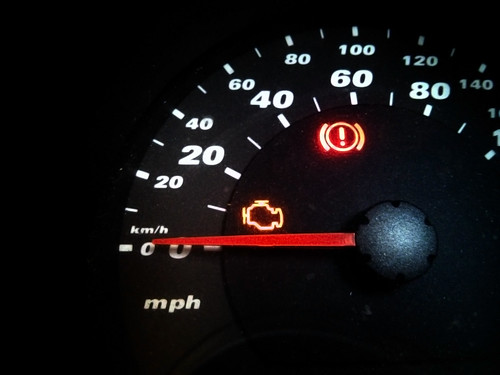
Toyota Dashboard Lights
If you notice something wrong with your Toyota while you’re driving around Jacksonville, Florida, you should have the problem diagnosed at Keith Pierson Toyota as soon as possible. Detecting and fixing problems promptly can help prevent major issues that require expensive repairs. So, how do you know if your vehicle is experiencing a problem? One of the easiest ways to identify car issues is to check the warning lights in your dashboard. Follow this useful guide to learn what different dashboard lights mean.
Check Engine Light
The check engine light may appear due to a variety of reasons, from overheating to low oil pressure. It can also mean that the oil cap is loose, open, or cracked, which causes fuel to evaporate. If this light illuminates, it’s advisable that you pull over and inspect your gas cap and other parts of your vehicle. If it’s blinking, stop driving right away. In most cases, a flashing check engine light is a sign of a major problem that can make your car unsafe to drive or lead to severe engine damage if ignored.
Oil Pressure Light
The oil pressure light is the old-fashioned oil can symbol in your dashboard. When this light comes on, it indicates that the oil pump isn’t properly circulating oil throughout the engine. This may result from low oil levels or a faulty oil pump. You should have the problem addressed immediately because improper lubrication can cause damage to your engine.
Engine Temperature Warning Light
When the engine temperature indicator lights up, it means you have an overheated engine. Usually, this has something to do with the coolant, but it can also occur due to an engine problem. Take your car to a service center as soon as possible to prevent further damage.
Battery Alert
An illuminated battery symbol in your dashboard indicates a problem with your car’s charging system. More often than not, it happens because your battery is running out of juice. If you have a low battery, you’ll probably see the clock fading or headlamps dimming. Don’t wait too long to have your battery checked or you may find yourself stranded with a car that won’t start. It’s worth noting that the culprit can also be a loose or worn battery cable or damaged alternator belt.
Low Fuel Indicator
Most drivers should know what the low fuel indicator means. When this light is on, it isn’t a good idea to assume you have enough fuel left to make it to your destination if you still have a considerable distance to go. Congested traffic or bad weather can cause your fuel to run out sooner than you think, so it’s best to fill up at the closest gas station.
Tire Pressure Warning Light
The recommended tire pressure may vary from one vehicle to another, but it’s usually 30 to 35 pounds per square inch. Check your owner’s manual to find out the ideal tire pressure for your specific Toyota vehicle. If the pressure in any of your tires is too low or too high, the tire pressure warning light will come on. Driving with over-inflated or under-inflated tires can jeopardize your safety and cause damage to your car.
Brake Warning Light
Engaging the parking brake will cause the brake warning light to turn on. However, if the light doesn’t go away after you release the parking brake, it’s an indication that you may have a brake problem. Some of the possible causes include low brake fluid levels, worn brake pads or discs, or a problem with the anti-lock brake system.
Anti-Lock Brake Warning Light
The anti-lock brake system serves the function of keeping your vehicle in contact with the road. If you notice an illuminated “ABS” warning in your dashboard, it’s a sign that this system isn’t working properly. To minimize your risk of accidents, you should have the issue checked at a Toyota service center right away.
Bear in mind that your anti-lock brake system performs a self-check every time you start your car, causing the “ABS” light to turn on momentarily. If it goes off after a few seconds, it means the system is in good working order.
Traction Control Light
When the traction control light appears, it doesn’t mean your vehicle is experiencing a problem. Instead, the purpose of this indicator is to let you know that your car’s traction control system is activated.
The traction control system can automatically detect if one wheel is moving faster than another. If it finds that one of your wheels is slipping, it’ll apply the brakes to help your vehicle regain traction. This system is particularly useful when you’re driving on slippery surfaces during the rainy or winter season.
Traction Control Malfunction Warning
The traction control malfunction warning lights up when something is wrong with the traction control system of your vehicle, which can be a damaged sensor or another problem. In some vehicles, the same control module operates both the traction control system and the anti-lock brakes. In this case, the light may also come on when your anti-lock brake system is faulty.
Seat Belt Reminder
If you forget to put on your seat belt, you’ll see an illuminated seat belt reminder light. Since failure to buckle up can lead to severe injuries in the event of an accident, it’s important to heed the seat belt reminder when it comes on.
Air Bag Indicator
The air bag warning light signals that one of your air bags or the entire air bag system is malfunctioning. Your air bags help keep you safe during a collision, so you should have the problem fixed as soon as you can.
Ignoring any of the warning lights in your dashboard can increase your risk of accidents or cause further damage to your vehicle. Keith Pierson Toyota is the best place in the Jacksonville area to have your Toyota checked for problems. Our Toyota-certified service center has the most advanced diagnostic equipment to ensure accurate detection of car problems and a team of factory-trained technicians who have extensive experience servicing and repairing Toyota vehicles. Feel free to contact us if you need more information about our auto services.
Connect with us


Recent Blog Entries
- Jacksonville’s Best Spring Events: Drive There in Comfort with Your Toyota
- When to Replace Tires in Jacksonville | Tire Safety Tips
- 2026 Toyota Tacoma vs. Ford Ranger for Jacksonville Drivers
- How Long Do Car Batteries Last in Jacksonville Heat?
- Why Jacksonville First-Time Buyers Choose the Toyota Camry Over the Honda Accord