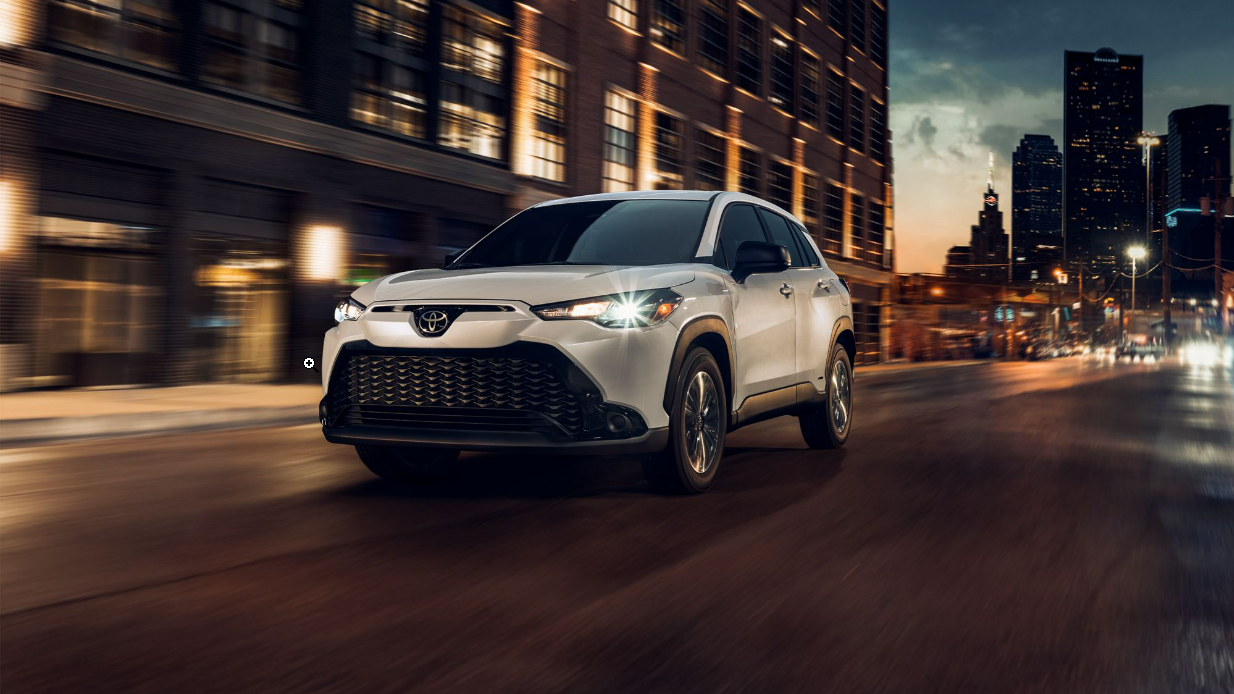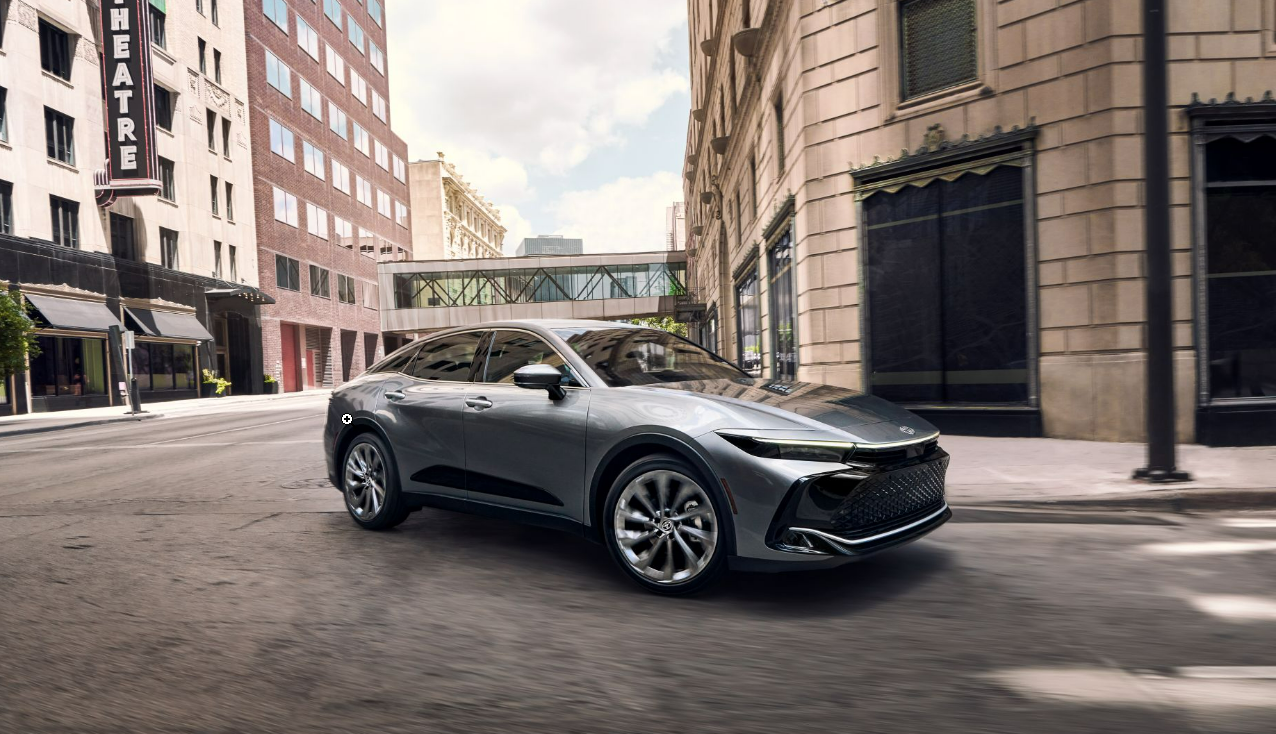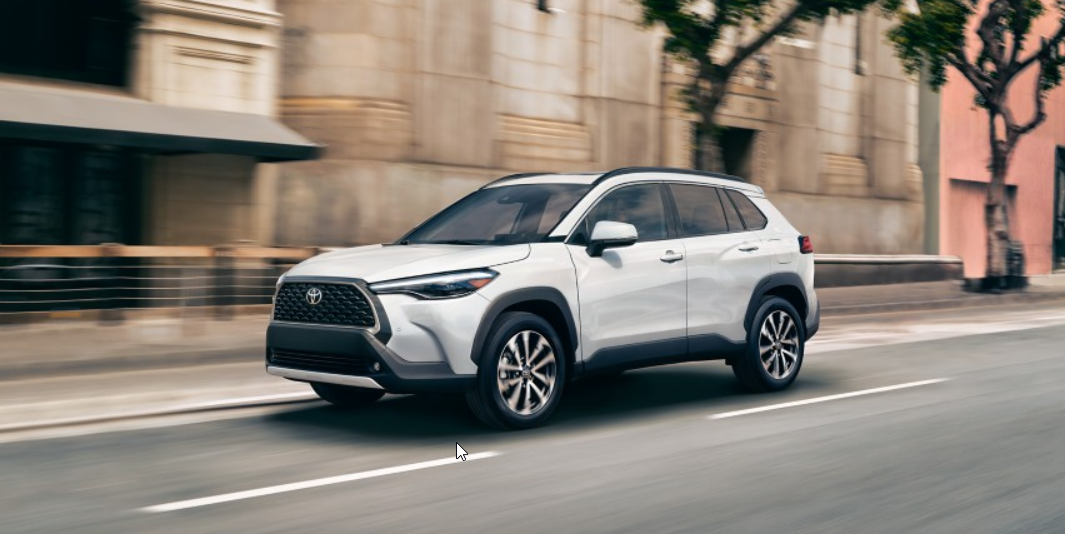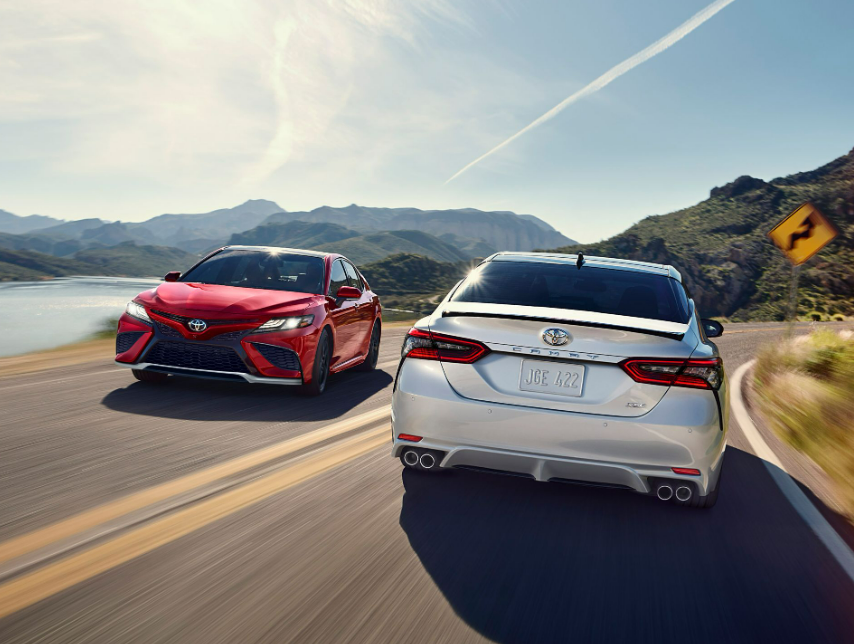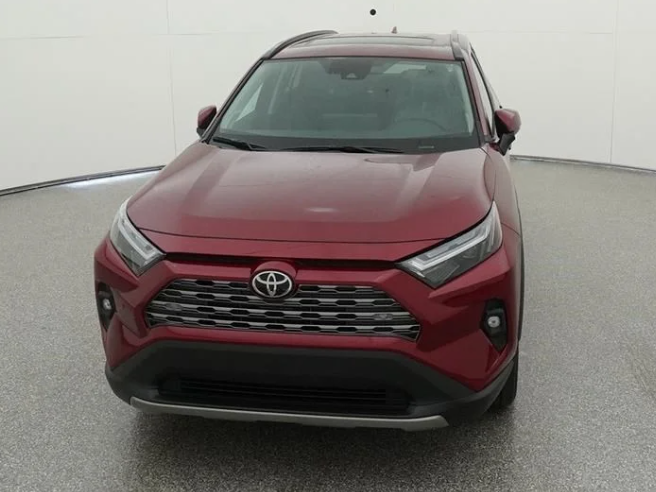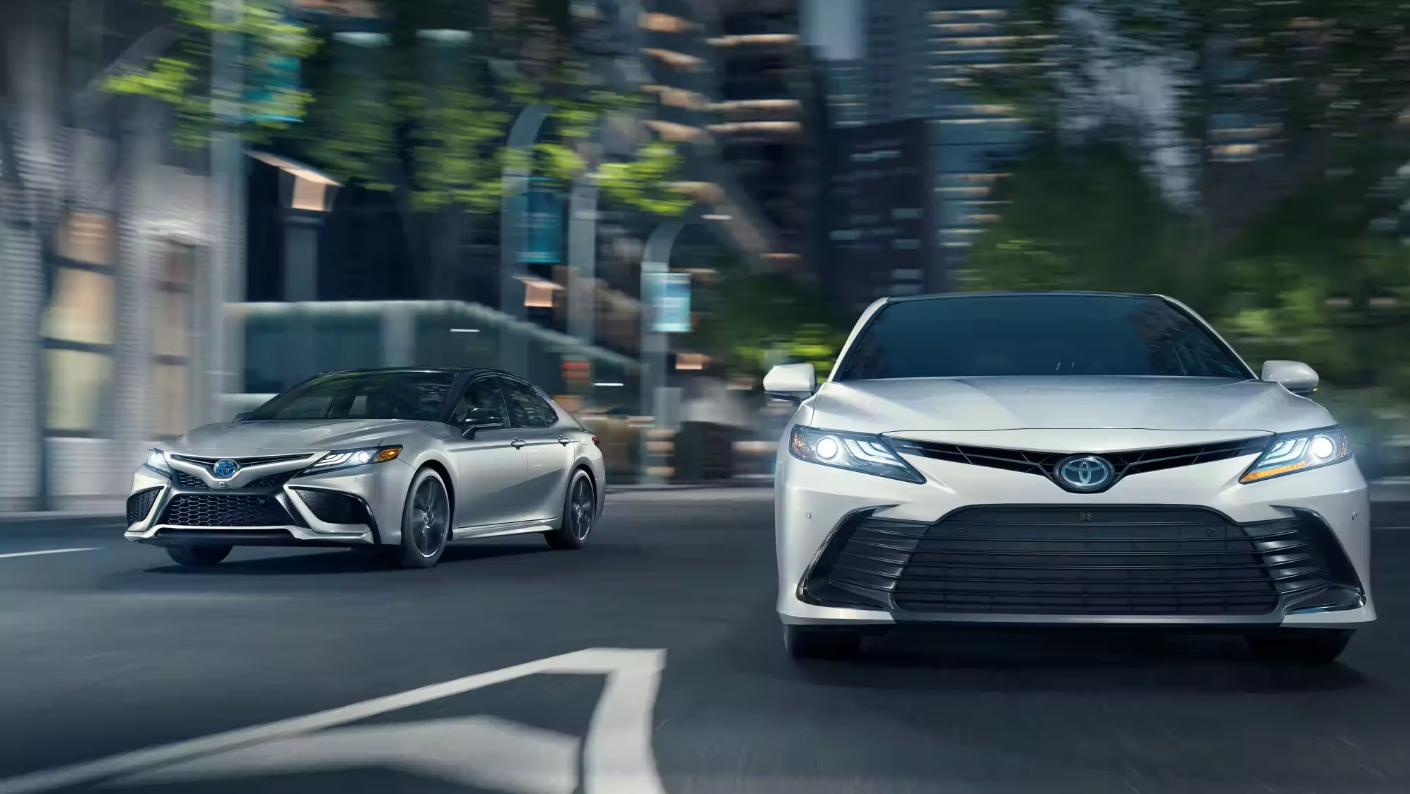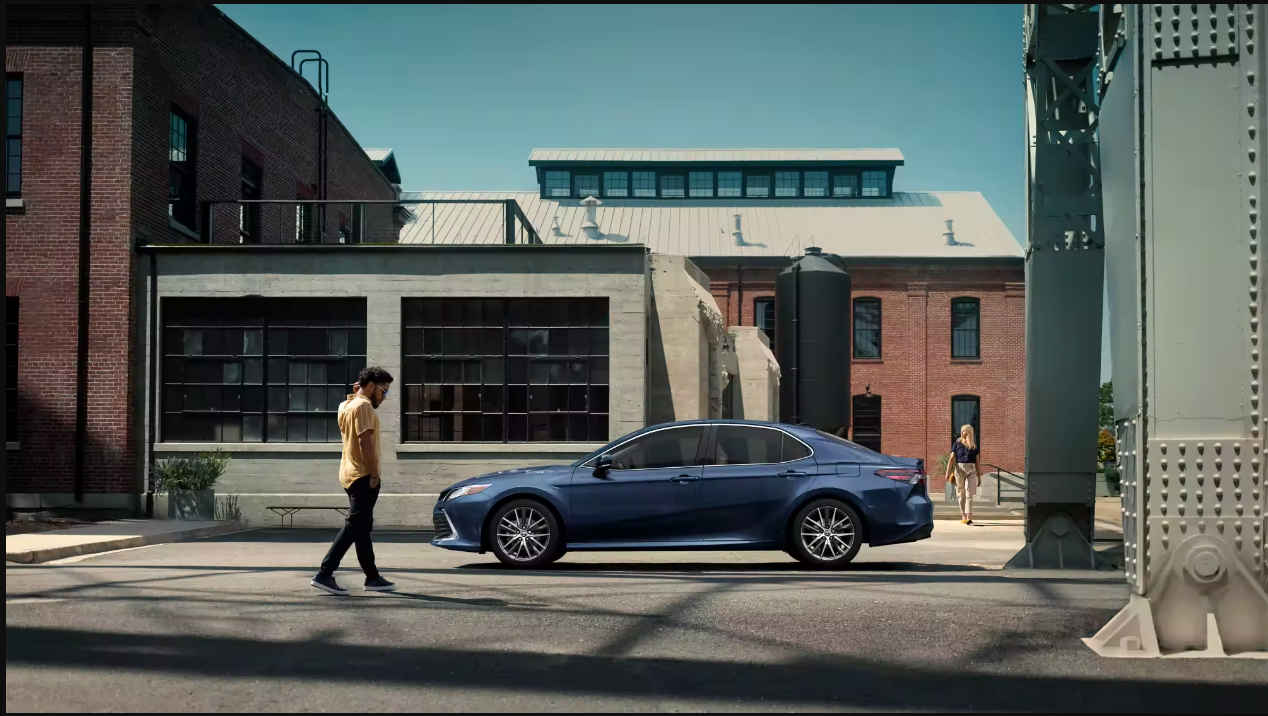


2026 Toyota Camry driving through a tree-lined neighborhood

Choosing a midsize sedan has never been simple, especially when two of the segment’s strongest competitors go head-to-head. The 2026 Toyota Camry vs. Honda Accord debate is one that Jacksonville drivers have been having for years, and for good reason. Both vehicles bring serious credentials to the table.

In 2026, though, the comparison has shifted in a meaningful way, making it worth a closer look before you decide which one belongs in your driveway. If you already know the Camry is calling your name, browse our current 2026 Camry inventory and see what’s available right now.

A Key Decision Point: Hybrid-Only Camry vs. Accord’s Dual Powertrain Lineup

One fundamental difference shapes this entire comparison: how each car is powered. Toyota made a bold move with the Camry by going fully hybrid, while Honda kept its options open with the Accord. That single distinction affects fuel costs, driving feel, and long-term ownership value.

2026 Toyota Camry: Exclusively Hybrid Power

Toyota went all-in on hybrid technology for the 2026 Camry, eliminating the traditional gasoline-only engine entirely. Every Camry trim runs Toyota’s 2.5L hybrid system producing 225 hp in FWD configuration, or 232 hp with available Electronic On-Demand AWD. Five trims are available: LE, SE, Nightshade Edition, XLE, and XSE.

2026 Honda Accord: Turbocharged Gas or Hybrid

The Accord gives drivers a choice. The LX and SE trims use a turbocharged gas engine producing 192 hp, while the Sport Hybrid, EX-L Hybrid, Sport-L Hybrid, and Touring Hybrid trims run Honda’s hybrid system at 204 total system hp. This flexibility makes the Accord appealing for anyone not yet ready to commit fully to hybrid technology.

Side-by-Side Specs

Feature Category Camry Hybrid Accord Gas Accord Hybrid
Engine/Powertrain 2.5L hybrid system Turbocharged gas Hybrid system
Horsepower 225 hp (FWD) / 232 hp (AWD) 192 hp 204 hp
Fuel Economy (City/Hwy/Comb) 53/50/51 (LE); 48/47/47 (other FWD trims) 29/37/32 (LX); 28/36/31 (SE) 51/44/48 (EX-L Hybrid); 46/41/44 (other trims)
Drivetrain FWD standard; AWD available FWD FWD
Standard Safety Suite Toyota Safety Sense 3.0 Honda Sensing Honda Sensing
Trims LE, SE, Nightshade Edition, XLE, XSE LX, SE Sport Hybrid, EX-L Hybrid, Sport-L Hybrid, Touring Hybrid

Fuel Efficiency: How the MPG Numbers Stack Up

Fuel economy is often the deciding factor here, and the Camry LE leads the segment at an EPA-estimated 53 city/50 highway/51 combined. Other FWD Camry trims come in around 48/47/47. For Jacksonville drivers logging daily miles on I-95, that efficiency adds up fast over the course of a year.

The Accord’s base gas trims rate at 29/37/32 (LX) and 28/36/31 (SE), which are respectable figures for a conventional powertrain. The Accord Hybrid closes the gap considerably, with the EX-L Hybrid rated at 51/44/48 and other hybrid trims around 46/41/44. At that point, the decision between the two hybrids may come down to trim content and driving feel rather than mpg alone.

What Sets the 2026 Toyota Camry Apart

The Camry’s strengths extend well beyond its hybrid powertrain. Toyota’s reliability record in this segment is hard to match, and resale value rankings have held near the top of the midsize class for years. The Camry tends to make financial sense well past the five-year mark.

Toyota Safety Sense 3.0 comes standard across every Camry trim, bundling adaptive cruise control, automatic emergency braking, lane departure alert, and pedestrian detection. Apple CarPlay and Android Auto are also standard. Traffic Jam Assist is available on the XLE and XSE as part of the Premium and Premium Plus packages, while connected services such as Cloud Navigation, Intelligent Assistant, and Destination Assist are offered through a Drive Connect subscription. Certain Accord hybrid trims offer built-in Alexa and Google connectivity.

The 2026 Camry also blends sporty design with everyday practicality. The exterior carries a more athletic stance than previous generations, while the cabin remains thoughtfully laid out for real-world use.

What Sets the 2026 Honda Accord Apart

The 2026 Accord stands out on interior space and comfort-oriented design. Honda has long been praised for roomy cabins, and the Accord continues that tradition with generous headroom and legroom that make longer drives more comfortable. For families or anyone frequently carrying passengers, that extra rear-seat space is a genuine advantage.

The Accord’s technology package is worth noting too. Honda Sensing is standard across all trims. Alexa Built-In comes standard on Sport Hybrid and above, while Google Built-In is standard on the Touring Hybrid. The dual powertrain lineup adds flexibility the Camry doesn’t offer, giving drivers more entry points in terms of both engine choice and feature set.

Interior Comfort, Technology, and Safety Features

Cabin Space, Seating, and Interior Quality

The Accord edges ahead slightly in overall passenger space, particularly in rear-seat legroom, making it a strong option for drivers who regularly transport adults. The Camry leans sportier in seat design and dashboard layout. Both use quality materials throughout, and neither feels like a budget compromise. The Accord’s LX starts with 17-inch alloy wheels, while the Camry LE comes with 16-inch alloys. Both offer standard automatic climate control across trims.

Infotainment and Driver Assistance

Both vehicles come well-equipped with large touchscreens and smooth smartphone integration. The Accord’s interface is known for being intuitive, a quality Honda has refined over several model years. On the safety front, Toyota Safety Sense 3.0 and Honda Sensing each cover adaptive cruise control, automatic emergency braking, lane-keeping assist, and pedestrian detection as standard equipment. Neither cuts corners here, which is reassuring regardless of which you choose.

On the safety front, both sedans have earned strong third-party recognition for 2026. The Camry was named an IIHS Top Safety Pick+, the institute’s highest honor, and also holds a 5-Star Overall Safety Rating from NHTSA. The Accord earned the IIHS Top Safety Pick award, the second-tier designation.

Trim Levels and Value: Comparing Your Options

2026 Camry Hybrid Trim Lineup

Since every 2026 Camry is a hybrid, the trim structure focuses on stacking comfort and technology upgrades from a consistent efficiency baseline. The entry-level LE delivers Toyota Safety Sense 3.0, hybrid powertrain efficiency, Apple CarPlay, and Android Auto. Higher trims add premium audio, heated and ventilated seats, a larger digital gauge cluster, and upgraded materials. The XSE and XLE represent the top of the range with the most complete feature sets.

2026 Honda Accord Trim Lineup

The Accord’s lineup spans both gas and hybrid variants. Gas-powered LX and SE trims offer an accessible starting point. Mid-level and top hybrid trims add features like a moonroof, premium sound systems, Alexa Built-In (Sport Hybrid and above), and Google Built-In (Touring Hybrid). The broader spread gives drivers more flexibility, though anyone comparing feature-for-feature with the Camry should note which Accord trims are gas versus hybrid.

If you’d like to explore how the Camry’s trims line up against what we have on the lot, take a look at our full new Toyota inventory for current availability.

Which Midsize Sedan Fits Jacksonville Drivers Best?

Jacksonville’s driving environment is a useful lens for making this decision. Daily I-95 commutes, year-round humidity, and the constant mix of highway and stop-and-go city traffic all favor a powertrain tuned for efficiency in varied conditions. The Camry’s hybrid-only approach delivers that consistency in every single trim, with no gas-only option to accidentally select at purchase. For eco-conscious drivers or those who want to lock in fuel savings from day one, that simplicity is a real advantage.

The Accord is the right fit for drivers who want more flexibility in powertrain choice or who place a premium on rear-seat space for family use. Its broader trim range and built-in voice assistant options at higher trims are genuine differentiators.

Both cars are genuinely excellent midsize sedans. For Jacksonville drivers who prioritize hybrid efficiency across every trim, solid long-term reliability, and strong resale value, the 2026 Camry is worth serious consideration.

Explore the 2026 Toyota Camry at Keith Pierson Toyota in Jacksonville

At Keith Pierson Toyota, we’ve been serving Jacksonville drivers for over two decades from our dealership at 6501 Youngerman Circle. We take the time to walk drivers through the entire decision-making process with patience and genuine product knowledge.

Every new Toyota we sell comes with two years or 25,000 miles of complimentary maintenance (whichever comes first) and a lifetime warranty with unlimited miles, which adds meaningfully to the Camry’s already strong ownership value. Our service team is available seven days a week, and we offer a complimentary shuttle service for your convenience.

Whether you’re ready to purchase or simply want to experience a 2026 Camry in person after test-driving an Accord, we welcome the conversation. Reach our sales team at 888-461-3879, or contact us online to schedule a visit at your convenience.

Inflatable summer letters floating in a swimming pool

Jacksonville is one of those cities that quietly earns your loyalty. It has Atlantic coastline, a serious arts scene, nature preserves that feel genuinely wild, and a community culture that welcomes everyone, usually without charging a penny for it. If you haven’t spent much time here, the sheer range of free things to do in Jacksonville FL this summer will probably catch you off guard. Uncrowded beaches, original works by Florida artists, tidal paddling routes north of town: the experiences are real, and most of them won’t cost you anything.

Why Jacksonville Is One of Florida’s Best Cities for a Free Summer

Unlike many Florida cities where every attraction comes with a ticket price, Jacksonville layers paid options on top of a generous foundation of free experiences. You can spend an entire weekend here barely touching your wallet, working through beaches, parks, markets, and museums with almost no transactions involved.

Geography plays a big role. Jacksonville has over 22 miles of Atlantic coastline and more than 80,000 acres of parks, plus a downtown waterfront running along the St. Johns River. These outdoor spaces are enormous and largely free to access. For families watching their summer budgets, that kind of built-in infrastructure is hard to beat.

Top 5 Free Things to Do in Jacksonville FL This Summer

These aren’t obscure finds. They’re the kinds of places locals return to regularly, and each one is genuinely worth the trip.

1. Hit the Beach at Jacksonville Beach, Neptune Beach, or Hanna Park

Jacksonville Beach is the most developed of the options, with a lively boardwalk, nearby restaurants, and a social energy that peaks in summer. Neptune Beach, just north, is noticeably quieter with a small-town feel that draws families looking for a more relaxed afternoon. Both offer free Atlantic Coast access.

Kathryn Abbey Hanna Park is low-cost rather than strictly free: a small vehicle entry fee of about $5 per car applies. Even so, the value is exceptional. The park spans over 450 acres near the Mayport Naval Station and includes ocean beach access, a freshwater lake, and wooded trails through shaded coastal scrub habitat. Kids can swim in the ocean while adults explore over 20 miles of biking and hiking trails.

Practical tips: arrive early on summer weekends, as beach parking fills fast on holidays. Pack sunscreen, water, and snacks since concession access at Hanna Park is limited.

2. Walk or Bike the Jacksonville Riverwalk and Friendship Fountain

The Jacksonville Riverwalk runs along both the Northbank and Southbank of the St. Johns River, weaving through parks, public art, restaurants, and museums across a long stretch of downtown waterfront. It works equally well on foot or by bike and connects to several free or low-cost attractions, making it a natural anchor for a full day out.

The Southbank section leads to Friendship Fountain, one of Jacksonville’s most recognizable landmarks. At peak flow, the fountain shoots water up to 120 feet in the air, and the surrounding park has shaded benches, open lawn space, and a clear view of the downtown skyline. Early morning visits are especially peaceful; evenings bring cooler temperatures and better light for photos.

Metered parking is available near the Riverwalk, and rideshare services connect well to most downtown locations.

3. Explore Free Art and Culture at MOCA Jacksonville and the Cummer Museum of Art & Gardens

Art and culture in Jacksonville are more accessible than most visitors expect. MOCA Jacksonville, located in the historic Western Union Telegraph Building downtown, offers several free admission windows: VyStar Free Saturdays run from 11 a.m. to 5 p.m. every Saturday, Museum Nights are free the first and third Wednesday of each month from 5 to 9 p.m., and Jacksonville Public Library cardholders get in free the last Friday of each month. Rotating exhibitions keep the programming fresh, and the building itself is worth visiting for its architecture.

The Cummer Museum of Art & Gardens, located along the St. Johns River in the Riverside neighborhood, holds one of the most significant art collections in the American Southeast. Free admission is available every First Saturday from 10 a.m. to 4 p.m. and every third Thursday from 4 p.m to 8 p.m. The museum’s riverfront gardens are open during those visits and rank among the most beautifully maintained outdoor spaces in the city.

Check each museum’s calendar before visiting to plan around free admission days, as schedules can shift.

4. Shop, Stroll, and Discover at the Riverside Arts Market and Jacksonville Farmers Market

Few places capture the character of Jacksonville like its open-air markets. The Riverside Arts Market runs every Saturday from 10 a.m. to 3 p.m. under the Fuller Warren Bridge, bringing together local artists, food vendors, and live entertainment in one of the city’s most walkable settings. Entry is free, and the atmosphere alone is worth the trip. Live music echoes under the bridge while shoppers browse ceramics, handmade jewelry, and specialty foods.

The Jacksonville Farmers Market, one of the oldest continuously operating markets in Florida, runs multiple days each week and features fresh produce, local seafood, and specialty goods. No paid admission required.

Both markets pair well with a broader day in the Riverside or Avondale neighborhoods, where independent shops, cafes, and historic architecture reward unhurried exploration.

5. Hike and Paddle at Talbot Island State Parks and Local Nature Preserves

North of Jacksonville, the Talbot Island State Parks represent some of the finest coastal ecology in Florida. Big Talbot Island State Park is best known for its dramatic Boneyard Beach, where ancient live oaks toppled by erosion create a sculptural stretch of bleached wood along the shoreline. It’s one of the most photographed natural scenes in Northeast Florida. A modest state park vehicle entry fee applies, so check the current rate before visiting.

For paddlers, the kayak and canoe launch at Big Talbot provides access to Nassau Sound and surrounding tidal creeks. Shorebirds, dolphins, and river otters have all been spotted regularly along the water. The nearby Timucuan Ecological and Historic Preserve adds trails and historical depth to the area, with free access to its natural and cultural sites.

These outdoor spots combine physical activity with genuine immersion in Florida’s coastal environment, making them some of the most rewarding experiences the region offers.

Free and Low-Cost Family Activities to Keep Kids Entertained All Summer

The top five destinations above work well for families, but some translate better than others depending on the age of your kids. For hot afternoons when outdoor activity isn’t appealing, MOCA Jacksonville’s free VyStar Saturdays are a natural fit: air conditioning, hands-on exhibitions, and programming that holds younger visitors’ attention.

The Riverside Arts Market is relaxed and stroller-friendly, with food options that keep kids happy while adults browse. At Hanna Park, ocean swimming and a freshwater lake for kayaking and pedal boats give children variety and keeps energy levels productive. The Riverwalk is wide, flat, and easy for younger kids on bikes or scooters.

For nature-focused families, Big Talbot Island’s Boneyard Beach tends to generate genuine wonder in kids old enough to explore its driftwood formations. Pair it with a paddle through the tidal creeks for an afternoon that feels far removed from anything in the city. Confirm hours and any seasonal closures on official park pages before heading out, as details can shift.

How to Stay in the Loop on Free Jacksonville Events This Season

Jacksonville summer events are spread across a wide range of neighborhoods and venues, which makes them easy to miss. The Visit Jacksonville events calendar is one of the most reliable single sources for free concerts, outdoor festivals, art shows, and community gatherings throughout the season. The City of Jacksonville’s parks and recreation department also posts announcements for neighborhood programming.

Local neighborhood associations in Riverside, San Marco, and the Beaches often organize free events independently of the city’s main calendar. Following these groups on social media surfaces programming that doesn’t always appear in broader listings. Always confirm details on official pages before visiting, since schedules for summer 2026 events may change.

Tips for Making the Most of Jacksonville’s Outdoor Spots This Summer

Jacksonville in July and August is legitimately hot. Afternoon temperatures regularly climb into the low-to-mid 90s, and humidity adds to the challenge. Planning outdoor activities for early morning or the hours before sunset makes a real difference in comfort. A sunrise beach visit, a morning Riverwalk bike ride, or a late afternoon paddle at Talbot Island will feel entirely different from that same outing at two in the afternoon.

Sunscreen, water, and light breathable clothing are non-negotiable. Insect repellent matters in wooded and marsh environments, particularly after rain. Many Jacksonville parks have limited or no concession access, so packing snacks and extra water avoids cutting a trip short.

For nature parks farther from the city, a personal vehicle remains the most practical option.

Hit the Road This Summer with Keith Pierson Toyota

Getting the most out of Jacksonville this summer means moving freely between its beaches, parks, markets, and neighborhoods. Dependable transportation makes all the difference.

Keith Pierson Toyota is a family-owned dealership located at 6501 Youngerman Circle in Jacksonville. Our inventory covers a wide range of needs: a spacious SUV for a Hanna Park family day, a fuel-efficient sedan for daily city driving, a capable truck for hauling gear to the Talbot Island boat launch. You can browse new Toyota inventory online, or visit our lot to see new vehicles, Certified Pre-Owned options, and budget-friendly used cars in person.

Every new vehicle comes with two years of complimentary maintenance and lifetime warranties with unlimited miles. Toyota service is available seven days a week. Our sales team is available Monday through Saturday from 8:30 a.m. to 8 p.m. and Sunday from 10 a.m. to 7 p.m. You can also reach us at 888-461-3879.

Jacksonville has more to offer than most people realize, and most of it is right outside your door. The only thing left is getting there.

Image by Warren Umoh is licensed with Unsplash License.

Pink tulips, spring flowers, and decorated eggs on pink background

Spring in Jacksonville does something to the city. The weather softens, the parks fill up, and suddenly the event calendar is packed with festivals, outdoor gatherings, and community celebrations that remind you why living here is worth it. Whether you’ve been here for decades or just moved in, the spring events Jacksonville FL has to offer cover just about every interest, age group, and budget. The challenge isn’t finding something to do; it’s figuring out where to go first. If you’re thinking about upgrading your ride before the season kicks off, browse our new Toyota in Jacksonville inventory to find something ready for wherever spring takes you.

Why Jacksonville Springs to Life This Season

Jacksonville’s geography works in its favor. Sprawling across more than 840 square miles with abundant green space, waterways, and a warm climate, the city is practically built for outdoor events. Spring hits that sweet spot before the humidity takes over, making it genuinely comfortable to be outside for hours at a time. From morning markets to weekend festivals that stretch well into the evening, the spring calendar here is shaping up to be one of the most vibrant in recent memory.

For families especially, this season creates a natural rhythm of activity. Events tend to be designed for everyone, not just one slice of the community, and that accessibility is a big part of what makes Jacksonville’s spring scene so appealing.

The Festivals You Should Already Have on Your Radar

Jacksonville’s spring festivals span everything from arts and culture to music, food, and local heritage. A few confirmed highlights deserve a spot on your calendar right now.

Jacksonville Jazz Festival

If there’s one event that defines spring in Jacksonville, it’s the Jacksonville Jazz Festival. Running May 21 through 24, 2026, at Ford on Bay in Downtown Jacksonville, this free festival draws nationally recognized performers and thousands of attendees each year across multiple outdoor stages. The atmosphere is relaxed and celebratory, with food vendors, craft booths, and waterfront views rounding out the whole thing.

Parking downtown during the Jazz Festival fills faster than most people expect. VIP and Premium Experience packages include dedicated parking, but general admission attendees are better off arriving early, using public lots near Ford on Bay, or just taking rideshare for the evening. For real-time parking information as the festival approaches, check the official Jacksonville Jazz Festival website directly.

Springing The Blues Music Festival

For a beach-day outing with serious musical credibility, Springing The Blues delivers. Held April 10 through 12, 2026, at Seawalk Pavilion in Jacksonville Beach, this free outdoor blues festival has been drawing devoted fans to the coast for decades. The lineup consistently features strong national and regional acts, and the beachside venue makes it easy to spend a full day without feeling rushed. Whether you’re a longtime blues fan or just want an excuse to get to the beach early in the season, it’s worth the drive.

Best Family-Friendly Spring Events

Plantmania

Plant lovers and curious families should mark May 30 and 31, 2026, for Plantmania at Duval Hall in the Jacksonville Fairgrounds. This indoor plant expo brings together vendors, collectors, and enthusiasts for a weekend dedicated to houseplants, tropicals, rare specimens, and everything in between. It’s a genuinely fun outing for kids who are curious about nature, adults building out their home gardens, or anyone who just enjoys browsing something a little different. The indoor setting also means weather is never a concern, which is a nice bonus.

Spring Day Trips Worth the Drive

Jacksonville’s surrounding area offers some solid day-trip options that make a spring weekend feel like a real escape without requiring an overnight stay. Springing The Blues at Jacksonville Beach is the obvious choice here, turning a festival outing into a half-day at the coast. From most Jacksonville neighborhoods, the drive to Seawalk Pavilion takes under 30 minutes, so leaving late morning, catching a few sets, walking the beach, and being home before dinner is completely doable.

For families planning multiple spring outings, the combination of downtown festivals and beach events means you’re rarely more than a short drive from something worth attending. If you’d like help planning your spring outings or finding the right vehicle for your family’s needs, get in touch and we’re happy to help.

Getting There Comfortably Matters More Than You Think

Driving to these events is the default for most Jacksonville residents, and for good reason. The city’s layout makes a personal vehicle essential for moving between neighborhoods, parks, and event venues without a lot of friction. A comfortable, reliable ride genuinely changes the texture of your weekend. When the drive itself is smooth, you arrive in a better mood, and the experience starts before you even park.

Two Toyota models stand out as particularly well-suited to Jacksonville’s spring event lifestyle: the Toyota Sequoia for larger groups and gear-heavy outings, and the Toyota Prius for city events and fuel-efficient drives to the beach.

Toyota Sequoia

The Toyota Sequoia seats up to 8 passengers, making it the natural pick when the whole family or a group of friends is heading out together. It’s powered by Toyota’s i-FORCE MAX Twin-Turbo V6 Hybrid, producing 437 horsepower and 583 lb-ft of torque, with available AWD and available load-leveling rear air suspension for a stable, comfortable ride regardless of road conditions. Towing capacity reaches up to 9,500 lbs, which matters less for a jazz festival but becomes genuinely useful for families who use their spring weekends for more than just events. For downtown festivals like the Jazz Festival, the Sequoia’s cargo space handles strollers, coolers, chairs, and everything else a family brings along without a second thought.

Toyota Prius

For solo commuters, couples, or anyone heading to a city event or beach festival without a full carload of gear, the Toyota Prius makes a strong case for itself. It earns an EPA-estimated 57 MPG city / 56 MPG highway, which makes those regular spring weekend drives noticeably easier on the wallet. Standard Toyota Safety Sense 3.0 comes on every trim, and the Prius’s compact footprint is a real advantage when you’re hunting for parking near Ford on Bay or along the Jacksonville Beach strip.

Quick Comparison

Model Seating Fuel Economy Key Feature Towing Capacity Best For
Toyota Sequoia Up to 8 Hybrid V6 efficiency i-FORCE MAX Twin-Turbo V6 Hybrid, available AWD Up to 9,500 lbs Large groups, gear-heavy outings, family festivals
Toyota Prius 5 57 MPG city / 56 highway Toyota Safety Sense 3.0, compact size N/A City events, beach trips, fuel-efficient day drives

Whether the Sequoia or Prius fits your lifestyle better, we’re here to help you find the right match. Browse our inventory of used vehicles in Jacksonville if you’re looking for a great-condition Toyota at a different price point. Get your Toyota road-trip ready before the spring season hits its stride.

Making the Most of Jacksonville This Spring

Jacksonville’s spring calendar rewards the curious and the prepared. A few practical tips can help you get the most out of these events without the usual headaches.

Plan Your Parking Before You Go

For downtown events like the Jazz Festival at Ford on Bay, parking fills earlier than most people expect. Check event websites for official parking guidance, identify backup lots in advance, and seriously consider rideshare for evenings when you’d otherwise be leaving at the same time as thousands of other attendees. The Toyota Prius’s compact size gives you more options when space is tight.

Pack Smart for the Day

Outdoor festivals in Jacksonville can stretch across several hours, and spring weather, while generally comfortable, can shift. Bring layers for evening events and sun protection for afternoon ones. The Sequoia’s cargo area handles a full day’s worth of gear easily, from folding chairs to a packed cooler, without requiring any creative trunk rearranging.

Use Your Toyota’s Navigation

Toyota’s built-in navigation takes the guesswork out of downtown parking by showing real-time traffic and routing options. When you’re trying to get the family to the Jazz Festival without circling for 20 minutes, that kind of tool earns its keep. Pairing it with a quick check of the official event site before you leave makes for a noticeably smoother arrival.

Stay Connected to the Local Calendar

The four confirmed spring events above are excellent starting points, but Jacksonville’s event ecosystem runs deep. Check local parks and recreation listings, community social media groups, and neighborhood apps regularly throughout March, April, and May. The spring events Jacksonville FL residents enjoy most often include smaller, community-driven gatherings that tend to surface through those channels first.

If you’re ready to find the right Toyota for your spring outings, reach out to us and we’ll help you explore your options. Spring in Jacksonville is genuinely worth showing up for, and having the right vehicle makes every outing a little easier to enjoy.

Frequently Asked Questions

Is the Jacksonville Jazz Festival free to attend? Yes, general admission to the Jacksonville Jazz Festival is free. VIP and Premium Experience packages are available for purchase and include dedicated parking and other perks. Check the official Jacksonville Jazz Festival website for current ticket and package details.

Where is the Jazz Festival held? The Jacksonville Jazz Festival takes place at Ford on Bay in Downtown Jacksonville.

What is the best way to handle parking at the Jazz Festival? General admission attendees should plan to arrive early and use public parking lots near Ford on Bay. Rideshare is a practical option, especially for evening performances when traffic leaving the area is heavy. VIP package holders receive dedicated parking as part of their experience. The official Jazz Festival website is the best source for real-time parking information closer to the event dates.

Is Springing The Blues a good event for families? Yes. Springing The Blues at Seawalk Pavilion in Jacksonville Beach is an outdoor, family-friendly festival with a relaxed atmosphere. The beach setting gives kids room to move around, and the free admission makes it an easy choice for a day trip.

Which Toyota model is better for downtown Jacksonville events? It depends on your group size. The Toyota Prius is compact and fuel-efficient, making it easier to park in tighter downtown spaces and more economical for frequent drives. The Toyota Sequoia is the better choice when you’re bringing the whole family or hauling gear, with seating for up to 8 and plenty of cargo room.

Image by Olivie Strauss under the Unsplash+ License
Toyota technician carrying a wheel during tire service

How to Tell if Your Car Needs New Tires Before Driving in Jacksonville

Driving on worn tires anywhere is risky, but in Jacksonville, it’s a gamble you really can’t afford to take. Between the city’s intense summer rainstorms, sun-baked asphalt, and the humidity that quietly degrades rubber over time, tires wear out differently here than in most other parts of the country. Before you back out of the driveway, it’s worth knowing exactly what to look for. At Keith Pierson Toyota, we want Jacksonville drivers to feel confident on the road every day, especially heading into rainy season. You can Shop Tires Online through our service and parts department right now, or keep reading to learn the warning signs that mean it’s time.

Why Jacksonville’s Rainy Season Puts Worn Tires at Serious Risk

Jacksonville’s climate isn’t just hot. It’s persistently wet. The rainy season stretches from late May through September. With roughly 51 inches of annual rainfall, those frequent afternoon downpours can turn highways into shallow rivers in a matter of minutes. During that stretch, your tires are the only thing standing between your vehicle and the road. Worn tread means less grip, longer stopping distances, and a dramatically higher chance of hydroplaning at highway speeds.

The combination of heat, UV exposure, and sudden heavy rain is uniquely punishing here. Rubber compounds that look perfectly fine in a cooler, drier climate may already be compromised in Jacksonville. That’s why local drivers can’t rely on some generic national standard when deciding whether their tires are road-ready.

Warning Signs Your Car Needs New Tires in Jacksonville

Most of these warning signs can be spotted without any special equipment, just a few minutes of attention before a drive. Here’s what to look for, along with a quick-reference table to make the diagnosis easier.

Warning Sign What It Indicates Recommended Action
Tread depth at or below 2/32 inches At or past legal minimum; no safe wet traction Replace immediately
Tread depth at or below 4/32 inches Hydroplaning risk significantly increases in rain Replace before rainy season driving
Sidewall cracking (sun-rot) UV and heat have degraded rubber structure Replace; sidewall damage is not repairable
Bulges or blisters Internal structural failure; steel belts separated Replace immediately; do not drive on these tires
Center tread wear Overinflation Replace and correct PSI; inspect regularly
Edge tread wear Underinflation Replace and correct PSI; inspect regularly
One-sided wear Alignment issues Replace and schedule alignment service
Cupping or scalloping Suspension problems Replace and have suspension inspected

Tread Depth Below the Safe Minimum

Tread depth is the single most critical factor in tire safety, especially in wet conditions. The legal minimum in the U.S. is 2/32 of an inch, but in rainy Jacksonville, tires below 4/32 of an inch are already struggling to channel water efficiently. Below that threshold, hydroplaning risk climbs fast and wet traction drops noticeably.

Most modern tires include built-in tread wear indicators, small rubber bars sitting between the tread grooves. When the tire’s surface becomes flush with those bars, replacement is no longer optional. You can also check tread depth with a coin, a method covered in detail below.

Florida Sun-Rot: Sidewall Cracking and UV Damage

One problem that catches Florida drivers off guard is what’s commonly called “sun-rot.” Prolonged UV exposure and heat break down the chemical compounds that keep tire rubber pliable, resulting in sidewall cracking. You’ll see a network of fine lines along the outer edge of the tire, and that signals structural degradation.

Cracked sidewalls are particularly dangerous because they aren’t always visible from a quick glance. You need to crouch down and inspect the full circumference of each tire. Even if the tread looks acceptable, sun-rot can cause sudden blowouts, especially when a tire heats up during highway driving. Sidewall damage is never repairable, so if you notice any cracking, replacement is your only safe option.

Bulges, Blisters, and Uneven Wear Patterns

A bulge or blister on the sidewall signals internal structural failure. The steel belts inside have separated, creating a weak point that can rupture without warning. There’s no gray area here: any tire showing a bulge needs to come off the car immediately.

Uneven wear patterns tell a slightly different story. Wear concentrated on the outer edges usually points to chronic underinflation, while wear down the center suggests consistent overinflation. One-sided wear is a strong indicator of alignment problems, and cupping or scalloping along the tread surface often points to worn suspension components. In any case, uneven wear accelerates the need for new tires and may signal a broader mechanical issue worth addressing at the same time through our service department.

How to Do the Penny Test (and Why It Matters Before a Downpour)

The Penny Test is the simplest way to quickly assess tread depth at home. Insert a penny into a tread groove with Lincoln’s head pointing downward and facing you. If you can see the top of his head, the tread is at or below 2/32 of an inch and you need new tires now.

For Jacksonville drivers, the Quarter Test gives you a more useful safety margin. Insert a quarter the same way, Washington’s head pointing down. If you can see the top of his head, your tread is at or below 4/32 of an inch. That’s still technically legal, but it’s not where you want to be heading into a rainstorm on I-95. Check multiple spots across each tire too, since uneven wear means different areas can measure differently.

Treat 4/32 of an inch as your practical replacement threshold in Jacksonville. The Quarter Test makes that easy to monitor at home between service visits.

The Hydroplaning Danger: What Worn Tires Do in Heavy Florida Rain

Hydroplaning happens when water builds up between the tire and the road faster than the tread can disperse it. The result is a complete loss of traction, leaving you with little to no steering or braking control. It can happen at speeds as low as 35 mph on a wet surface, and worn tires reach that threshold much faster than most people realize.

Tire tread is engineered to push water out through its grooves. As tread wears down, that channeling capacity shrinks. In Jacksonville’s frequent downpours, a tire with shallow tread simply can’t evacuate enough water to maintain contact with the pavement. Keeping tires at or above 4/32 of an inch gives you a real safety advantage when those sudden afternoon storms roll in.

How Often Do Jacksonville Drivers Need New Tires?

Tire manufacturers and NHTSA recommend inspecting tires annually once they reach six years of age, and replacing them by ten years regardless of remaining tread. In Jacksonville’s climate, though, that timeline can be shorter. High temperatures and constant UV exposure speed up oxidation in rubber, meaning tires used in Florida may degrade structurally before they wear down physically.

For Florida drivers, a practical rule of thumb is to consider replacing tires between 3 and 6 years of age, or when tread reaches 4/32 of an inch, whichever comes first. Regular rotation every 5,000 to 7,000 miles also helps tires wear evenly and last longer, reducing how often you face early replacement.

A habit worth building: have your tires inspected at every oil change. It keeps you aware of where your tread stands without requiring a separate appointment. If you’re already noticing any of the warning signs above, don’t wait for a routine visit.

Shop New Tires in Jacksonville at Keith Pierson Toyota

When it’s time to replace your tires, we make the whole process straightforward from selection to installation.

Our Tire Center

Our Tire Center carries a wide selection of tires suited for Jacksonville’s driving conditions, including all-season options engineered for wet-road performance. Our service team can assess your vehicle’s specific needs and help you find the right fit without the guesswork.

Price Match and Value

We stand behind our pricing. Our Tire Center offers a price match program, so you can shop with confidence knowing you’re getting a competitive deal without having to go elsewhere to verify it.

Easy Scheduling

Our service department is open seven days a week, making it easy to fit a tire inspection or replacement into your schedule. Schedule a tire service appointment directly from our site, or stop in at 6501 Youngerman Circle, Jacksonville, FL 32244. If you have questions before coming in, feel free to contact us and we’ll help you figure out the right next step.

Frequently Asked Questions About New Tires in Jacksonville

How often do I need new tires in Florida?

Tire manufacturers and NHTSA recommend having tires inspected annually once they reach six years of age and replaced by ten years regardless of condition. In Florida’s heat and UV exposure, the more conservative guideline makes more sense: replace tires between 3 and 6 years of age, or when tread depth reaches 4/32 of an inch, whichever comes first. Regular rotation every 5,000 to 7,000 miles helps even out wear and extends the usable life of your tires. If you’re unsure where your tires stand, a quick inspection at our service department can give you a clear answer.

What are the best tires for heavy rain?

For Jacksonville’s rainy conditions, all-season tires with silica-based rubber compounds and tread patterns engineered for water evacuation are the right category to focus on. The silica compound maintains grip on wet surfaces, and the channel tread design moves water out from under the tire quickly to reduce hydroplaning risk. The best specific option depends on your vehicle, your typical driving conditions, and your budget. Contact us and our Tire Center team can walk you through the options that make the most sense for how and where you drive in Jacksonville.

2026 Toyota Tacoma parked inside a covered structure

How Long Should a Car Battery Last in Jacksonville’s Heat? Toyota Battery Care Tips

Jacksonville drivers know the heat here isn’t just uncomfortable, it’s relentless. From April through October, temperatures consistently push past 90 degrees, and even the cooler months rarely give your vehicle much of a break. That kind of sustained heat doesn’t just drain your energy; it actively works against one of your car’s most essential components: the battery. If you’re already noticing sluggish starts or flickering electronics, don’t wait for a breakdown to take action. Our service department at Keith Pierson Toyota offers complimentary battery testing so you know exactly where you stand.

Understanding how Jacksonville’s climate shortens battery life can be the difference between a reliable start every morning and an unexpected breakdown in a parking lot. According to AAA, batteries in hot climates like ours typically last approximately three years, compared to five years or longer in cooler northern climates, and it’s something every local driver should factor into their maintenance routine.

How Long Does a Car Battery Last in Jacksonville’s Heat?

Under normal conditions, most car batteries are rated to last between three and five years. In Jacksonville, that window shrinks considerably. High ambient temperatures, intense sun exposure, and year-round humidity all accelerate the chemical processes inside the battery, causing it to age faster than it would in a cooler climate.

Many Jacksonville drivers find their batteries lasting only about three years, with some failing even sooner, especially when a vehicle sits in direct sunlight regularly. Knowing the average car battery life in Florida is shorter than the national norm helps you plan ahead rather than react after something fails.

Why Jacksonville’s Heat Is Your Battery’s Biggest Enemy

Most drivers associate dead batteries with cold weather, and while freezing temperatures do affect performance, heat kills car batteries in a more permanent way. Cold reduces immediate power output, but heat causes structural and chemical damage that shortens the battery’s total lifespan. In Florida’s climate, heat is the primary threat, and it works through two key mechanisms.

Heat Evaporates Battery Fluid and Cuts Capacity

Inside a traditional lead-acid battery, liquid electrolyte surrounds the lead plates and enables the chemical reactions that generate power. When temperatures rise sharply, that fluid evaporates faster than the battery can sustain. Over time, this leads to exposed lead plates, warping, and a buildup of sulfate crystals that block electrical flow. A car battery overheating scenario doesn’t require any engine malfunction; simply sitting in a hot parking lot is enough to accelerate this degradation. Once fluid levels drop and plates begin to warp, the battery’s ability to hold a full charge is permanently reduced, not just temporarily impaired.

This is one reason why hot weather affects car batteries so differently than cold. Cold weather is a performance issue. Heat is a structural one. A battery that’s been through several Jacksonville summers may test fine in the morning but struggle to deliver full power after sitting in direct sun for eight hours.

Florida’s Year-Round Warmth Leaves No Recovery Window

In northern climates, batteries get a natural reset period during fall and winter. Cooler temperatures slow chemical activity and give internal components a chance to stabilize. Florida doesn’t offer that reprieve. The heat persists through what passes for winter here, meaning batteries in Jacksonville face continuous thermal stress without the recovery window that extends battery life elsewhere.

This is why AAA data shows Florida drivers getting roughly three years of service from a battery that could last five years or longer in a cooler northern climate. Modern vehicles compound this further. Today’s cars carry more electrical loads than ever, from infotainment systems and backup cameras to advanced safety features, all drawing on the battery continuously.

Warning Signs Your Car Battery Is Struggling in the Heat

Heat damage tends to build gradually, but the warning signs often appear weeks before a complete failure. Watch for these specific symptoms:

  • A slow, labored crank when starting the engine, especially after the car has been parked in the sun. The battery may no longer be strong enough to power the starter motor, or loose and corroded terminals could be contributing to the problem.

  • Dim headlights when the engine is turned off, pointing to a battery that can’t sustain consistent voltage on its own.

  • Unexplained electronics dimming inside the cabin, including sluggish power windows or a slower-than-usual infotainment response.

  • Corrosion around the battery terminals, often appearing as a white or bluish powdery buildup, which impairs conductivity and speeds up degradation.

  • A swollen or bloated battery case, one of the most serious physical signs. Heat causes the casing to expand, which directly decreases battery life. At this stage, replacement isn’t optional.

If you notice any of these, especially during or after a stretch of hot weather, getting a battery test promptly is the smart move. Schedule your service appointment online and let our team give you a clear picture of what’s happening before it becomes a roadside problem.

Heat Prevention Tips to Extend Your Car Battery’s Life in Jacksonville

You can’t change Jacksonville’s climate, but you can manage how much of it your battery absorbs. A few consistent habits can meaningfully extend battery life and reduce the likelihood of an unexpected failure.

Parking and Shade Habits That Reduce Heat Damage

Where you park matters more than most drivers realize. Engine bay temperatures in a car parked in direct sun can climb well above the ambient air temperature, creating conditions that accelerate fluid evaporation and plate damage. Given Jacksonville’s sun intensity, choosing covered parking wherever possible is one of the most effective things you can do for battery longevity. Parking in a garage, under a carport, or in a shaded structure reduces the sustained thermal load your battery absorbs over the course of a day. When covered parking isn’t available, positioning your car to minimize direct sun exposure on the hood side is a simple but worthwhile habit.

Driving and Accessory Habits That Protect Battery Health

Avoiding frequent short trips also helps. Short drives don’t give the alternator enough time to fully recharge the battery after starting, which in hot weather means the battery runs at a slight deficit repeatedly until the cumulative effect catches up. Whenever possible, consolidate errands into longer drives that allow the alternator to bring the battery back to a full charge.

Before shutting the engine off, turn off accessories like the air conditioning, headlights, and audio system. This small habit reduces the electrical draw at startup and prevents the battery from being asked to do more work during the moments it’s most vulnerable.

Routine Checks That Catch Problems Early

Regular battery testing is the most reliable way to stay ahead of heat damage. Testing measures reserve capacity and output, giving you a concrete picture of how much life the battery has left rather than guessing based on age alone. AAA recommends annual testing once a battery reaches three years of age. Cleaning corroded terminals removes buildup that restores a clean electrical connection.

What to Look for When Replacing a Battery Built for Florida Heat

Not all batteries are engineered equally for hot climates, and choosing the right one when the time comes can significantly impact how long it lasts.

When evaluating replacement options, CCA (Cold Cranking Amps) is a commonly cited rating, but it measures winter performance and is far less relevant in Florida’s climate. What matters more here is RC (Reserve Capacity), which reflects how long a battery can sustain your vehicle’s electrical load if the alternator fails. In Jacksonville’s heat, RC is the more meaningful number to compare.

The table below breaks down the most common battery types and how they compare for Florida drivers:

Spec 2026 Toyota Tacoma 2026 Ford Ranger
Engine 2.4L Turbo + Electric Motor (i-FORCE MAX hybrid) 2.3L EcoBoost Turbo Four-Cylinder
Hybrid Option Yes No
Towing Capacity Up to 6,500 lbs Up to 7,500 lbs
Fuel Economy (City/Hwy) ~22 / 24 MPG (hybrid) ~21-23 / 24-25 MPG
Standard Safety Suite Toyota Safety Sense 3.0 Standard driver-assist features
Manual Transmission Available Not available
Resale Value Superior retention Higher depreciation

AGM batteries are often OEM on newer Toyota models and are generally the best choice for Jacksonville drivers. Their sealed construction reduces evaporation risk, and they handle the higher electrical demands of modern vehicles more effectively than standard flooded options.

Free Battery Testing and Lifetime Warranty at Keith Pierson Toyota

Complimentary Testing With No Guesswork

Keith Pierson Toyota takes the guesswork out of battery health with complimentary battery testing. Our service team can tell you exactly how much capacity remains and whether your battery is approaching the point where Jacksonville’s heat will push it over the edge. Given that heat-related failure often happens with little warning, proactive testing is one of the most practical things a local driver can do.

Lifetime Warranty Coverage

Beyond testing, Keith Pierson Toyota backs qualifying new Toyotas with a Lifetime Limited Non-Factory Warranty with unlimited miles. That coverage means you’re protected against unexpected powertrain failures for the life of the vehicle.

Schedule Your Visit

Toyota service is available seven days a week, with hours running Monday through Friday from 7 a.m. to 7 p.m., Saturday from 7 a.m. to 6 p.m., and Sunday from 9 a.m. to 4 p.m. Visit our service department page for full details, or contact us directly if you have questions before coming in. We’re located at 6501 Youngerman Circle, Jacksonville, FL 32244, and we’re here to help you stay ahead of battery problems before they turn into bigger ones.

Frequently Asked Questions About Car Batteries and Jacksonville Heat

How long should a car battery last in Florida? According to AAA data, most batteries in Florida last around three years under typical driving conditions. That’s well below the national average. Heat accelerates chemical degradation and fluid evaporation, which significantly shortens the useful lifespan.

Does heat kill car batteries? Yes, heat is one of the most damaging factors for battery longevity. It evaporates internal fluid and warps the lead plates, which permanently reduces the battery’s ability to hold a charge. Over time, this permanently reduces the battery’s ability to hold a charge.

Can a car battery overheat? Yes. When engine bay and surrounding air temperatures are high enough, the battery absorbs that heat and internal temperatures rise beyond safe operating levels. This accelerates fluid loss and internal damage, especially in vehicles parked in direct sunlight for extended periods.

What are the signs that my battery is struggling in the heat? Slow engine cranking, dim headlights with the engine off, unexplained electronics dimming, terminal corrosion, and a swollen battery case are all warning signs. If any of these show up, especially after a stretch of hot weather, have the battery tested before it leaves you stranded.

Does hot weather affect car battery performance day to day? Yes. Even before permanent damage sets in, a battery that’s hot from sun exposure may deliver inconsistent voltage, making starts feel unreliable and putting strain on other electrical systems. The longer a battery runs in these conditions without maintenance, the worse the cumulative impact becomes.

Where can I get my battery tested in Jacksonville? Keith Pierson Toyota at 6501 Youngerman Circle, Jacksonville, FL 32244 offers complimentary battery testing. You can schedule a service visit online or call 888-597-3703. The service department is open seven days a week for added convenience.

Toyota technician inspecting a vehicle engine during service

Jacksonville drivers know the heat here isn’t just uncomfortable, it’s relentless. From April through October, temperatures consistently push past 90 degrees, and even the cooler months rarely give your vehicle much of a break. That kind of sustained heat doesn’t just drain your energy; it actively works against one of your car’s most essential components: the battery. If you’re already noticing sluggish starts or flickering electronics, don’t wait for a breakdown to take action. Our service department at Keith Pierson Toyota offers complimentary battery testing so you know exactly where you stand.

Understanding how Jacksonville’s climate shortens battery life can be the difference between a reliable start every morning and an unexpected breakdown in a parking lot. According to AAA, batteries in hot climates like ours typically last approximately three years, compared to five years or longer in cooler northern climates, and it’s something every local driver should factor into their maintenance routine.

How Long Does a Car Battery Last in Jacksonville’s Heat?

Under normal conditions, most car batteries are rated to last between three and five years. In Jacksonville, that window shrinks considerably. High ambient temperatures, intense sun exposure, and year-round humidity all accelerate the chemical processes inside the battery, causing it to age faster than it would in a cooler climate.

Many Jacksonville drivers find their batteries lasting only about three years, with some failing even sooner, especially when a vehicle sits in direct sunlight regularly. Knowing the average car battery life in Florida is shorter than the national norm helps you plan ahead rather than react after something fails.

Why Jacksonville’s Heat Is Your Battery’s Biggest Enemy

Most drivers associate dead batteries with cold weather, and while freezing temperatures do affect performance, heat kills car batteries in a more permanent way. Cold reduces immediate power output, but heat causes structural and chemical damage that shortens the battery’s total lifespan. In Florida’s climate, heat is the primary threat, and it works through two key mechanisms.

Heat Evaporates Battery Fluid and Cuts Capacity

Inside a traditional lead-acid battery, liquid electrolyte surrounds the lead plates and enables the chemical reactions that generate power. When temperatures rise sharply, that fluid evaporates faster than the battery can sustain. Over time, this leads to exposed lead plates, warping, and a buildup of sulfate crystals that block electrical flow. A car battery overheating scenario doesn’t require any engine malfunction; simply sitting in a hot parking lot is enough to accelerate this degradation. Once fluid levels drop and plates begin to warp, the battery’s ability to hold a full charge is permanently reduced, not just temporarily impaired.

This is one reason why hot weather affects car batteries so differently than cold. Cold weather is a performance issue. Heat is a structural one. A battery that’s been through several Jacksonville summers may test fine in the morning but struggle to deliver full power after sitting in direct sun for eight hours.

Florida’s Year-Round Warmth Leaves No Recovery Window

In northern climates, batteries get a natural reset period during fall and winter. Cooler temperatures slow chemical activity and give internal components a chance to stabilize. Florida doesn’t offer that reprieve. The heat persists through what passes for winter here, meaning batteries in Jacksonville face continuous thermal stress without the recovery window that extends battery life elsewhere.

This is why AAA data shows Florida drivers getting roughly three years of service from a battery that could last five years or longer in a cooler northern climate. Modern vehicles compound this further. Today’s cars carry more electrical loads than ever, from infotainment systems and backup cameras to advanced safety features, all drawing on the battery continuously.

Warning Signs Your Car Battery Is Struggling in the Heat

Heat damage tends to build gradually, but the warning signs often appear weeks before a complete failure. Watch for these specific symptoms:

  • A slow, labored crank when starting the engine, especially after the car has been parked in the sun. The battery may no longer be strong enough to power the starter motor, or loose and corroded terminals could be contributing to the problem.

  • Dim headlights when the engine is turned off, pointing to a battery that can’t sustain consistent voltage on its own.

  • Unexplained electronics dimming inside the cabin, including sluggish power windows or a slower-than-usual infotainment response.

  • Corrosion around the battery terminals, often appearing as a white or bluish powdery buildup, which impairs conductivity and speeds up degradation.

  • A swollen or bloated battery case, one of the most serious physical signs. Heat causes the casing to expand, which directly decreases battery life. At this stage, replacement isn’t optional.

If you notice any of these, especially during or after a stretch of hot weather, getting a battery test promptly is the smart move. Schedule your service appointment online and let our team give you a clear picture of what’s happening before it becomes a roadside problem.

Heat Prevention Tips to Extend Your Car Battery’s Life in Jacksonville

You can’t change Jacksonville’s climate, but you can manage how much of it your battery absorbs. A few consistent habits can meaningfully extend battery life and reduce the likelihood of an unexpected failure.

Parking and Shade Habits That Reduce Heat Damage

Where you park matters more than most drivers realize. Engine bay temperatures in a car parked in direct sun can climb well above the ambient air temperature, creating conditions that accelerate fluid evaporation and plate damage. Given Jacksonville’s sun intensity, choosing covered parking wherever possible is one of the most effective things you can do for battery longevity. Parking in a garage, under a carport, or in a shaded structure reduces the sustained thermal load your battery absorbs over the course of a day. When covered parking isn’t available, positioning your car to minimize direct sun exposure on the hood side is a simple but worthwhile habit.

Driving and Accessory Habits That Protect Battery Health

Avoiding frequent short trips also helps. Short drives don’t give the alternator enough time to fully recharge the battery after starting, which in hot weather means the battery runs at a slight deficit repeatedly until the cumulative effect catches up. Whenever possible, consolidate errands into longer drives that allow the alternator to bring the battery back to a full charge.

Before shutting the engine off, turn off accessories like the air conditioning, headlights, and audio system. This small habit reduces the electrical draw at startup and prevents the battery from being asked to do more work during the moments it’s most vulnerable.

Routine Checks That Catch Problems Early

Regular battery testing is the most reliable way to stay ahead of heat damage. Testing measures reserve capacity and output, giving you a concrete picture of how much life the battery has left rather than guessing based on age alone. AAA recommends annual testing once a battery reaches three years of age. Cleaning corroded terminals removes buildup that restores a clean electrical connection.

What to Look for When Replacing a Battery Built for Florida Heat

Not all batteries are engineered equally for hot climates, and choosing the right one when the time comes can significantly impact how long it lasts.

When evaluating replacement options, CCA (Cold Cranking Amps) is a commonly cited rating, but it measures winter performance and is far less relevant in Florida’s climate. What matters more here is RC (Reserve Capacity), which reflects how long a battery can sustain your vehicle’s electrical load if the alternator fails. In Jacksonville’s heat, RC is the more meaningful number to compare.

The table below breaks down the most common battery types and how they compare for Florida drivers:

Battery Type Heat Tolerance/Design Reserve Capacity (RC) CCA Relevance in FL Warranty Length Best Use Case
Standard Flooded Lead-Acid Lower heat tolerance; most vulnerable to fluid evaporation Moderate Low – cold-climate metric Typically 1–2 years Basic fitment in moderate climates
EFB (Enhanced Flooded Battery) Improved over standard flooded; partial heat resistance Moderate to good Low Typically 2–3 years Vehicles with start-stop systems in mixed climates
AGM (Absorbent Glass Mat) Highest heat resilience; sealed design minimizes evaporation risk High Low Typically 3–4 years Newer Toyota models with high electrical demand; hot climates

AGM batteries are often OEM on newer Toyota models and are generally the best choice for Jacksonville drivers. Their sealed construction reduces evaporation risk, and they handle the higher electrical demands of modern vehicles more effectively than standard flooded options.

Free Battery Testing and Lifetime Warranty at Keith Pierson Toyota

Complimentary Testing With No Guesswork

Keith Pierson Toyota takes the guesswork out of battery health with complimentary battery testing. Our service team can tell you exactly how much capacity remains and whether your battery is approaching the point where Jacksonville’s heat will push it over the edge. Given that heat-related failure often happens with little warning, proactive testing is one of the most practical things a local driver can do.

Lifetime Warranty Coverage

Beyond testing, Keith Pierson Toyota backs qualifying new Toyotas with a Lifetime Limited Non-Factory Warranty with unlimited miles. That coverage means you’re protected against unexpected powertrain failures for the life of the vehicle.

Schedule Your Visit

Toyota service is available seven days a week, with hours running Monday through Friday from 7 a.m. to 7 p.m., Saturday from 7 a.m. to 6 p.m., and Sunday from 9 a.m. to 4 p.m. Visit our service department page for full details, or contact us directly if you have questions before coming in. We’re located at 6501 Youngerman Circle, Jacksonville, FL 32244, and we’re here to help you stay ahead of battery problems before they turn into bigger ones.

Frequently Asked Questions About Car Batteries and Jacksonville Heat

How long should a car battery last in Florida? According to AAA data, most batteries in Florida last around three years under typical driving conditions. That’s well below the national average. Heat accelerates chemical degradation and fluid evaporation, which significantly shortens the useful lifespan.

Does heat kill car batteries? Yes, heat is one of the most damaging factors for battery longevity. It evaporates internal fluid and warps the lead plates, which permanently reduces the battery’s ability to hold a charge. Over time, this permanently reduces the battery’s ability to hold a charge.

Can a car battery overheat? Yes. When engine bay and surrounding air temperatures are high enough, the battery absorbs that heat and internal temperatures rise beyond safe operating levels. This accelerates fluid loss and internal damage, especially in vehicles parked in direct sunlight for extended periods.

What are the signs that my battery is struggling in the heat? Slow engine cranking, dim headlights with the engine off, unexplained electronics dimming, terminal corrosion, and a swollen battery case are all warning signs. If any of these show up, especially after a stretch of hot weather, have the battery tested before it leaves you stranded.

Does hot weather affect car battery performance day to day? Yes. Even before permanent damage sets in, a battery that’s hot from sun exposure may deliver inconsistent voltage, making starts feel unreliable and putting strain on other electrical systems. The longer a battery runs in these conditions without maintenance, the worse the cumulative impact becomes.

Where can I get my battery tested in Jacksonville? Keith Pierson Toyota at 6501 Youngerman Circle, Jacksonville, FL 32244 offers complimentary battery testing. You can schedule a service visit online or call 888-597-3703. The service department is open seven days a week for added convenience.

2026 Toyota Camry sedan parked outside a modern cafe on a city street

Buying your first car is one of the biggest financial decisions you’ll make, and picking the right sedan can feel genuinely overwhelming when two solid options are staring you down. The Toyota Camry vs. Honda Accord debate comes up constantly among Jacksonville first-time buyers, and it’s easy to see why. Both are credible, well-built midsize sedans. But when you dig into the details, the 2026 Camry pulls ahead in ways that matter most to someone making this purchase for the first time.

This guide walks you through an honest comparison so you can arrive at a decision with confidence. Browse our new Toyota inventory in Jacksonville while you read along.

Why Jacksonville First-Time Buyers Are Seriously Considering the 2026 Toyota Camry Over the Honda Accord

The appeal here isn’t just about brand loyalty. First-time buyers in Jacksonville are drawn to the 2026 Camry because it checks several boxes at once: strong reliability, a lower total cost of ownership, and a hybrid powertrain that now comes standard across the entire lineup. That last point is new this generation, and it changes the conversation significantly.

The Honda Accord is still a solid car, and there’s a reason it’s been a perennial bestseller. But as first-time buyers work through their options, the 2026 Camry’s mix of value, technology, and long-term financial sense tends to tip the scales.

Every 2026 Camry Is Now a Hybrid, and That Matters for First-Time Buyers

Toyota’s all-hybrid Camry strategy continues for 2026. No traditional gas-only engine option exists in the lineup. Every trim level ships with a hybrid powertrain as standard. For first-time buyers who want hybrid efficiency without navigating complicated trim hierarchies, this simplifies everything. You don’t have to research which package includes the hybrid. You just pick the Camry.

Standard Hybrid Power Across Every Trim Level

The significance of this shift is hard to overstate when comparing Camry vs. Accord hybrid options. Every 2026 Camry, from the entry-level LE through the SE, Nightshade, XLE, and XSE, runs Toyota’s hybrid powertrain.

The setup pairs a 2.5-liter four-cylinder engine with electric motors and an Electronically Controlled Continuously Variable Transmission. FWD models produce 225 hybrid system net horsepower, while AWD trims add a rear electric motor for 232 hybrid system net horsepower. AWD availability extends across the lineup, not just premium trims.

For first-time buyers, this removes a real layer of decision fatigue. You can focus on the features that fit your lifestyle rather than worrying about whether the powertrain you want is even available at your budget.

How the Honda Accord Compares on Hybrid Availability

The Accord does offer a hybrid model, and it’s genuinely capable. But Accord hybrid availability remains tied to specific trims. The base LX and SE trims use a 1.5L turbocharged gas engine.

Buyers who want hybrid fuel economy need to step up to the Sport Hybrid or higher. For a first-time buyer working within a tight budget, entering the Camry lineup at any trim and still driving away in a hybrid sedan is a meaningful structural advantage.

Real-World Fuel Savings for Jacksonville Commuters and Weekend Drivers

Jacksonville driving puts real demands on a fuel budget. Whether you’re sitting in I-95 traffic during a weekday commute, heading to Jacksonville Beach on a Sunday, or making runs through Riverside for dinner and errands, your car is working constantly across a mix of stop-and-go and highway miles.

The 2026 Camry LE FWD earns an EPA-estimated 53 city / 50 highway / 51 combined MPG. With a 13-gallon fuel tank, that translates to an estimated range of roughly 663 miles on a full tank in combined driving, which means fewer fill-up stops whether you’re crossing town or making a longer trip.

AWD is available across every trim, with the LE AWD delivering 51/49/50 MPG city/highway/combined. Other AWD trims range from 46/46/46 (SE, Nightshade, and XLE AWD) down to 44/43/44 (XSE AWD), still well ahead of the Accord’s base gas engine.

For first-time buyers managing rent, student loans, and other living expenses, saving a meaningful amount at the pump every month adds up quickly. The hybrid advantage is most pronounced in city and mixed driving, exactly the kind of driving that Jacksonville daily life demands.

Camry vs. Accord Side-by-Side: Features, Safety, and Technology

Both sedans are genuinely competitive, and neither is a poor choice on paper. But in specific categories, the details tend to favor the Camry for buyers making their first major purchase who want reassurance across every dimension. The table below illustrates the key differences at entry and hybrid trim levels.

Trim / Model Engine & Powertrain Horsepower Fuel Economy (City/Hwy) Standard Safety Suite Notes
Camry LE FWD 2.5L 4-cyl hybrid with electric motor, CVT 225 hp (hybrid system net) 53 / 50 MPG Toyota Safety Sense 3.0 (full suite) All trims hybrid-standard
Camry LE AWD 2.5L 4-cyl hybrid + rear electric motor, CVT 232 hp (hybrid system net) 51 / 49 MPG Toyota Safety Sense 3.0 (full suite) AWD available across trims
Accord LX (Gas) 1.5L turbocharged 4-cyl 192 hp 29 / 37 MPG Honda Sensing (full suite) Base trim — no hybrid
Accord Sport Hybrid 2.0L hybrid + electric motor 204 hp 46 / 41 MPG Honda Sensing (full suite); blind spot monitoring not included on LX Hybrid begins at Sport trim

Standard Safety Technology: What You Get at Every Trim

This is one of the clearest practical differentiators between the two sedans. The 2026 Camry comes equipped with Toyota Safety Sense 3.0 as standard on every trim, including the entry-level LE. That means every Camry buyer gets Pre-Collision System with Pedestrian Detection, Lane Departure Alert with Steering Assist, Full-Speed Range Dynamic Radar Cruise Control, Lane Tracing Assist, Road Sign Assist, Automatic High Beams, Proactive Driving Assist, and Blind Spot Monitor with Rear Cross-Traffic Alert.

The Accord’s Honda Sensing suite is also well-regarded and comes standard across all trims, covering Collision Mitigation Braking, Road Departure Mitigation, Lane Departure Warning, Forward Collision Warning, Adaptive Cruise Control with Low-Speed Follow, Lane Keeping Assist, Traffic Sign Recognition, Auto High-Beam Headlights, and Traffic Jam Assist. However, Blind Spot Information and Rear Cross-Traffic Monitor are standard only on the SE trim and above. A buyer choosing the base Accord LX does not get blind spot monitoring included.

For a first-time driver still building confidence on Jacksonville roads, knowing that blind spot monitoring is already there at the Camry’s entry trim is a concrete, buyer-relevant difference.

Infotainment, Connectivity, and Cabin Quality

The Camry leans into a driver-focused layout with an infotainment interface that connects easily with both Apple CarPlay and Android Auto. Cabin materials feel well-considered at mid-range trim levels, and the ergonomics work for a wide range of drivers.

The Accord’s interior is spacious and polished, but some buyers find the touch-heavy controls take adjustment time. For a first-time owner learning their new car’s systems, the Camry’s more straightforward interface tends to win in everyday usability.

Total Cost of Ownership: What First-Time Buyers in Jacksonville Actually Pay

The sticker price is only part of what you actually pay for a car. First-time buyers often underestimate downstream costs: fuel, insurance, maintenance, and eventual repairs. Looking at the full picture, the Camry typically holds an edge because of both its trim-level value and the ownership perks built into purchasing through Keith Pierson Toyota.

If you’re ready to move forward, you can get pre-approved for financing directly through our website before you even set foot in the dealership.

Starting Trim Value and What You Get for the Money

The Camry’s entry-level trims tend to deliver more standard equipment relative to the price point. First-time buyers stretching their budget want to feel like they’re getting something worthwhile at every level of the lineup.

When your base trim already includes a hybrid powertrain, full Toyota Safety Sense 3.0, and modern connectivity, that’s a meaningful value density that doesn’t require stepping up to access.

Reliability and Resale Value: The Long-Term Case

The Camry has built one of the strongest reliability reputations in the segment over multiple decades. That track record for longevity and low ownership costs is a foundational reason buyers return to it generation after generation. For a first-time buyer, that history matters because it reduces the risk of unexpected repair costs in the years after purchase.

Resale value is another area where the Camry’s reputation continues to pay off. Camrys tend to hold their value well, which has real implications for buyers who plan to trade in or sell within five to seven years. Buying a car with strong resale retention is, in practical terms, a form of financial protection built into the purchase itself.

Which Sedan Fits Your Jacksonville Lifestyle

Jacksonville has a particular rhythm, and the right car needs to keep up with it. The city sprawls, the commutes are real, and weekends often involve everything from highway cruising on I-95 to winding neighborhood streets in Riverside and beach runs out to Jacksonville Beach. The Camry’s ride quality strikes a balance that works across all of these scenarios.

The spacious interior plays into the Jacksonville lifestyle as well. Whether you’re loading up beach gear, packing for a weekend trip, or just wanting a cabin that doesn’t feel cramped after a long commute, the Camry accommodates without compromise. Here’s a quick breakdown matching buyer profiles to the better-fit choice:

  • Budget-conscious first-time buyer: Camry LE FWD (hybrid efficiency at the entry trim, no upgrade required)

  • Fuel-efficiency-first buyer: Camry LE FWD (53 city / 50 hwy / 51 combined vs. Accord LX gas at 29/37/32)

  • Tech and safety-focused buyer: Camry (full Toyota Safety Sense standard at every trim level, including blind spot monitoring)

  • AWD-curious buyer: Camry AWD option (available across trims; the Accord does not offer AWD)

Why Keith Pierson Toyota Is the Right Dealership for Your First Major Purchase

The car itself is only half the decision. Where you buy matters just as much, especially for first-time buyers navigating the process without prior experience. Keith Pierson Toyota is a family-owned and operated dealership in Jacksonville, and that shows in how we approach every customer relationship.

Truly Family Owned

We’ve served Jacksonville drivers for over twenty years as a family-owned business, not a large corporate group. That means you’re working with people who have a genuine stake in your satisfaction and your long-term loyalty.

Our team understands that buying your first car involves as much education as it does paperwork, and we’re built around a people-first approach. No pressure, no confusion, no rushing you through a process you don’t fully understand yet.

Lifetime Powertrain Warranty

Every new vehicle we sell is backed by our Lifetime Limited Non-Factory Warranty, which covers powertrain components indefinitely. To maintain coverage, owners need to follow the manufacturer’s recommended maintenance schedule and have that service performed at our Jacksonville location.

We believe in being upfront about that requirement because it’s also what keeps your vehicle running well for the long haul.

ToyotaCare Complimentary Maintenance

Every new Camry purchase also includes ToyotaCare, Toyota’s complimentary factory-scheduled maintenance program covering 2 years or 25,000 miles, whichever comes first.

ToyotaCare covers oil changes, inspections, and routine service items at no cost to you. For a first-time owner still learning what routine service costs, this removes a significant variable from the budget right away.

Ready to Take the Next Step?

Practical conveniences round out the ownership experience with us as well. Our service department is open seven days a week, and online tools for trade-in evaluations and service scheduling are available anytime. For a first-time buyer, those details matter because they add up to an ownership relationship that actually supports you after you drive off the lot.

The Toyota Camry vs. Honda Accord decision isn’t one-size-fits-all, but for first-time Jacksonville buyers who prioritize value, long-term reliability, and a powertrain that works for them from day one, the 2026 Camry makes a compelling case. We’d love to help you find yours.

Contact us at Keith Pierson Toyota to get started, or stop by our Jacksonville location at 6501 Youngerman Circle, Jacksonville, FL 32244. Our sales team is available Monday through Saturday from 8:30 a.m. to 8 p.m. and Sunday from 10 a.m. to 7 p.m.

Toyota service technician working on a vehicle battery during auto maintenance

Spring arrives fast in Jacksonville, FL, and for Toyota owners, it means more than warmer mornings. It’s a narrow window between the wear of a mild but still punishing winter and the brutal heat season closing in right behind it. Jacksonville’s coastal humidity, salt air, early-arriving summer heat, and heavy spring rain create conditions that accelerate wear on nearly every system in your vehicle.

At Keith Pierson Toyota, we want to help you get ahead of all that. Schedule your spring service appointment before the summer rush, and we’ll make sure your Toyota is ready for everything Northeast Florida throws at it.

Why Spring Is the Most Important Time to Service Your Toyota in Jacksonville, FL

Jacksonville’s seasonal rhythm creates a narrow but critical window where smart maintenance decisions prevent expensive headaches. Your vehicle has quietly absorbed months of temperature swings, humidity spikes, and coastal air exposure. Summer heat and hurricane season approach simultaneously, putting fresh demands on systems that may already be worn. Skip this window, and you’re heading into the hottest, wettest months in Florida without a proper inspection.

What Florida’s Mild Winter Still Does to Your Vehicle

Many Jacksonville drivers assume that because winters here are relatively mild, their vehicles come through unscathed. That’s not quite right. Even without snow or hard freezes, Florida winters bring persistent humidity, day-to-night temperature swings, and stretches of wet roads that quietly wear on tires, brakes, and fluid systems. Moisture finds its way into brake lines. Pollen and debris start clogging filters as early as February. Battery charge cycles take a hit from cooler nights followed by warm afternoons.

The wear is subtle, but it’s real. A thorough spring inspection typically reveals more than drivers expect.

The Jacksonville Heat Threat: Critical Systems to Inspect Before Summer

Once summer settles in, Jacksonville temperatures regularly push into the mid-to-upper 90s, and the humidity compounds the strain. The systems most vulnerable to heat damage deserve attention now, before conditions get worse.

Battery Testing: Heat Kills Batteries Faster Than Cold Ever Could

Most people associate battery failure with cold weather. Heat is actually the bigger threat. High temperatures accelerate the chemical reactions inside a battery, causing faster internal degradation and fluid evaporation. In hot climates like Jacksonville, batteries typically last approximately three years, compared to five years or longer in cooler regions. A battery that was borderline last fall may not survive a Jacksonville summer.

We load-test batteries as part of our spring inspection to determine actual remaining capacity, not just surface voltage. That’s something a home multimeter can’t accurately tell you. A weak battery caught during a routine visit beats discovering the problem on a 95-degree afternoon. Our service team can also pull your vehicle’s maintenance history to determine when the battery was last replaced and whether it’s approaching its expected end of life in this climate.

A/C Service: Schedule It Now Before the Summer Rush Begins

Jacksonville’s A/C system runs roughly 8 to 9 months per year. That kind of continuous operation in heat and humidity puts disproportionate strain on the compressor, refrigerant lines, and belts. A/C service becomes one of the most in-demand repairs from May through September, and wait times grow as temperatures climb. Booking an inspection in March or April puts you ahead of all that.

We check refrigerant levels, belts and hoses connected to the compressor, and overall cooling performance. Refrigerant level checks require professional equipment; this isn’t a DIY item. Handling A/C service now keeps repair costs lower and scheduling more flexible before peak demand hits.

Cooling System and Coolant Flush: Your Engine’s First Line of Defense

The coolant in your Toyota absorbs engine heat and disperses it through the radiator, keeping operating temperatures within a safe range. In Florida’s summer, that system works overtime. Coolant degrades over time, losing its ability to transfer heat efficiently and protect against internal corrosion.

We recommend cooling system checks every 24,000 miles for Jacksonville drivers, because heat-accelerated wear shortens the effective service interval. Toyota’s guidance calls for coolant changes every two years or 30,000 miles for silicate-based coolants, or up to five years or 100,000 miles for extended drain coolants, depending on the type used in your vehicle.

Pressure testing is also part of our process, since small leaks or weak hoses that hold under normal conditions can fail under summer heat load. Overheating is one of the most preventable causes of serious engine damage, and a spring cooling system inspection is the right time to address it.

Completing the Spring Safety Checklist: Tires, Brakes, and Filters

Beyond heat-sensitive systems, foundational safety components deserve review before summer. Tires, brakes, and filters tend to get overlooked until something obvious goes wrong, but proactive inspection is far cheaper than reactive repair.

Tire Pressure, Tread Depth, and Alignment After Winter Roads

Tire pressure fluctuates with temperature, and even mild winter conditions in Jacksonville can leave tires slightly underinflated heading into spring. Owners can check tire pressure at home with a gauge and top off as needed. It’s one of the easiest checks on the list. Florida’s asphalt heat in summer accelerates tire wear significantly, so checking tread and pressure in spring establishes a useful baseline before conditions worsen.

Tread depth can be verified with a gauge or the penny test. Alignment, though, requires professional equipment. Potholes, curb impacts, and general road wear all affect wheel alignment, causing uneven tire wear and reduced handling in wet conditions. We check alignment as part of a comprehensive spring inspection and can identify wear patterns that point to suspension issues before they become serious.

Brake Pads, Rotors, and Fluid Before Hurricane Season Driving

Hurricane season officially starts in June, but tropical moisture and heavy rain arrive in Jacksonville well before that. Wet roads demand brakes that respond quickly and predictably. We measure pad thickness, check rotors for warping or scoring, and test brake fluid for moisture contamination.

Brake fluid absorbs moisture over time, which lowers its boiling point and can cause brake fade under heavy use. Testing brake fluid condition accurately requires professional tools; this isn’t something owners can assess visually. Catching worn components in spring means having reliable brakes when driving conditions demand them most.

Air and Cabin Filters: Built for Jacksonville’s Year-Round Pollen and Humidity

Spring in Jacksonville brings some of the highest pollen counts in the country, and our pollen season doesn’t fully stop. Year-round humidity combined with persistent airborne allergens means both engine air filters and cabin air filters clog faster here than in drier climates.

A dirty engine air filter restricts airflow and forces the engine to work harder, reducing both performance and fuel efficiency. A clogged cabin filter pushes allergens, dust, and humidity directly into the passenger compartment, degrading air quality and making the A/C work harder to keep things comfortable.

Owners can do a basic visual check on the cabin filter by accessing the glove box panel, but replacement is best handled during a service visit so the condition of both filters can be assessed together. Replacing both in spring is quick and makes a noticeable difference in comfort and performance throughout the summer.

Spring Maintenance System Reference

System Jacksonville Risk DIY Check Professional Service Needed
Battery Heat degrades cells faster; ~3-year lifespan Visual check for corrosion Load test, replacement
A/C 8-9 months of continuous use strains compressor None Refrigerant level, belt/hose inspection
Cooling System Heat shortens effective fluid life; 24k-mile interval Visual check for leaks Pressure test, coolant flush
Tires Asphalt heat accelerates wear; pressure fluctuates Pressure check, penny tread test Alignment, rotation
Brakes Wet season demands reliable stopping power Visual pad check (if visible) Fluid test, pad/rotor measurement
Air/Cabin Filters Year-round pollen and humidity accelerate clogging Basic visual on cabin filter Replacement, engine filter inspection
Windshield Wipers/Fluids UV and heat crack blades; heavy spring rain Visual inspection for streaks/cracks Blade replacement, fluid top-off

Windshield Wipers and Fluids: Don’t Overlook Jacksonville’s Spring Rain Season

Jacksonville gets significant rainfall in spring, with afternoon storms building fast and dropping heavy precipitation with little warning. Wiper blades degrade from UV exposure and heat even when they’re not in regular use, so blades that looked acceptable in January may already be cracked or stiff by March.

Owners can do a visual inspection easily, but a blade that looks intact can still streak badly under actual rain conditions. Replacement takes minutes and costs very little compared to the safety risk of reduced visibility on a flooded highway. Windshield washer fluid is worth checking and topping off as well; that’s a straightforward DIY task.

How to Use Toyota’s Maintenance Minder to Time Your Spring Service Right

Toyota’s Maintenance Minder system removes the guesswork from scheduling. Rather than relying on mileage alone, it monitors actual driving conditions and engine operation to generate service reminders tailored to how the vehicle is used. That matters in Jacksonville, where stop-and-go traffic and high-temperature conditions accelerate wear faster than national averages suggest.

When the oil life percentage on your dashboard drops to 15%, the system displays a wrench icon, signaling that service is due soon. At 5%, the reminder becomes more urgent. A triangle with an exclamation point signals a separate maintenance item requiring attention independent of the oil life reading.

Code A indicates an oil and filter change. Code B calls for a more comprehensive visit that includes an oil and filter change, tire rotation, vehicle inspection, and fluid checks. Sub-codes refine this further: sub-code 1 means tire rotation is due; sub-code 2 indicates air filter and cabin filter inspection; sub-codes 3 through 7 correspond to other specific services, including transmission fluid, brake fluid, and spark plugs.

Checking your Maintenance Minder status in early spring and cross-referencing it with a full inspection lets us address everything at once, so nothing slips through before summer. Contact our service team if you have questions about what your current codes mean for your specific model.

The Lifetime Warranty Connection: Why Staying on Schedule Protects Your Investment

One of the standout advantages available to Keith Pierson Toyota customers is access to a lifetime warranty with unlimited miles. That coverage comes with a clear responsibility: staying current on your maintenance schedule. Documented, consistent service is what preserves warranty protection, and Jacksonville’s heat-accelerated wear cycle makes that consistency more important, not less.

Skipping oil changes, ignoring brake inspections, or delaying a coolant flush doesn’t just create mechanical risk. It can also jeopardize the warranty coverage that makes Toyota ownership so valuable long-term. Spring maintenance is a direct investment in both the long-term protection and the resale value that come with a clean, up-to-date service history.

A Stress-Free Spring Service Experience at Keith Pierson Toyota

Keith Pierson Toyota has been serving Jacksonville drivers as a family-owned dealership for over twenty years. Our Toyota-trained technicians handle everything from general inspections to complex diagnostics, using genuine Toyota parts built for your specific vehicle. The service department is open seven days a week, with weekday hours starting at 7:00 a.m. and Sunday service available from 9:00 a.m. to 4:00 p.m.

Complimentary shuttle service is available within a 10-mile radius, so you’re not stuck waiting while your vehicle is being worked on. The waiting area offers comfortable seating, Wi-Fi, and complimentary coffee. Whether you need an A/C inspection, a tire rotation, or a full spring safety check, the experience is built to be transparent and efficient from the first conversation to the final handoff.

Schedule Your Spring Toyota Maintenance in Jacksonville, FL Today

Why Now Is the Right Time

The window between winter and summer is short, and every week spent waiting is a week driving with systems that haven’t been properly checked. The battery that needs load testing, the A/C that needs service before the summer rush, the brakes that need fresh fluid before hurricane season rains arrive. These are specific, solvable problems that a spring inspection addresses directly, and they’re far easier to handle now than in mid-July.

Book Your Appointment

Schedule your spring service appointment online or call us at 888-597-3703. With everything your Toyota needs under one roof, a team that values long-term relationships, and service hours built around your schedule, there’s no good reason to wait. Get your Toyota ready for summer before summer is already here.

2026 Toyota RAV4 Hybrid driving along a scenic coastal highway near the ocean

Choosing between the RAV4 Hybrid and the standard RAV4 is one of the more meaningful decisions a Jacksonville car buyer can make right now. Both vehicles share the same beloved platform, the same versatile interior, and the Toyota reliability drivers have trusted for years. But the differences go deeper than a badge on the tailgate. From how they handle heavy traffic to how well they hold their value, these two versions serve genuinely different kinds of drivers. If you’re ready to see both side by side, browse our new Toyota inventory in Jacksonville and find the trim that fits your life.

Figuring out which RAV4 is right for you starts with an honest look at what each actually offers. The gas vs. hybrid debate comes down to three things: how you drive, how long you plan to keep the vehicle, and how much you value long-term savings over a lower sticker price. For daily commuters navigating Jacksonville’s busiest corridors, the hybrid’s advantages are hard to ignore. For buyers with simpler needs and tighter upfront budgets, the standard model remains a strong contender.

Head-to-Head: RAV4 Hybrid vs. Standard RAV4 Specs and Features

These two share a surprising amount of common ground, which is part of what makes this comparison so interesting. Both offer roomy cabins, Toyota Safety Sense as standard, and a wide range of trim levels. The meaningful differences show up in the powertrain, standard features, and the driving experience those systems produce.

Compare the RAV4 Hybrid to its gas counterpart at equivalent trims and the hybrid consistently comes better equipped. That shifts the value equation in ways that aren’t immediately obvious from the sticker price alone.

A quick note worth flagging: starting with the 2026 model year, the RAV4 lineup is hybrid-only. The standard gas RAV4 is no longer offered as a new vehicle, so this comparison applies to the most recent gas RAV4 models still available at our Jacksonville dealership. If you’re considering the 2026 RAV4, every trim is electrified.

Powertrain, Performance, and AWD Availability

Toyota engineered the standard RAV4 with a 2.5L four-cylinder making 203 horsepower. Front-wheel drive comes standard, with AWD available as an option depending on the trim. The RAV4 Hybrid takes a different approach entirely.

Toyota paired that same 2.5L engine with electric motors for a net combined output of 219 horsepower, delivered through an electronically controlled CVT (ECVT) rather than an 8-speed automatic. Every 2025 RAV4 Hybrid trim is AWD-only, so 219 hp applies across the lineup.

The result is quicker acceleration: the hybrid hits 60 mph in approximately 7.4 seconds versus around 8.0 seconds for the gas model. Perhaps more importantly, Toyota includes Electronic On-Demand AWD as standard across every RAV4 Hybrid trim level. Every hybrid buyer gets AWD with no upgrade required.

Feature RAV4 Gas RAV4 Hybrid
Engine 2.5L 4-cylinder, 203 hp 2.5L 4-cylinder + electric motors, 219 hp
Transmission 8-speed automatic CVT
0-60 mph 8.0 seconds 7.3 seconds
Fuel Economy (City/Hwy/Combined) 27/35/30 mpg (LE FWD, XLE FWD, XLE Premium FWD, Limited FWD); 27/34/30 mpg (LE AWD); 27/33/29 mpg (XLE AWD, XLE Premium AWD); 25/33/28 mpg (Limited AWD) 41/38/39 mpg (LE, XLE, XLE Premium, SE, XSE, Limited); 38/35/37 mpg (Woodland Edition)
AWD Optional Standard

The hybrid also delivers higher instant torque from its electric motors, and that distinction matters more in real driving than it ever does on a spec sheet.

Trim Levels, Pricing, and What You Get at Each Level

A side-by-side trim comparison shows the RAV4 Hybrid does carry a higher starting MSRP, typically several thousand dollars more than a comparable gas trim (prices are subject to change and should be confirmed at time of purchase). That gap narrows quickly once you factor in the standard AWD, the additional features built into each hybrid trim, and the fuel savings that start on day one.

The 2025 RAV4 Hybrid lineup runs from the LE up to the Limited, with seven trims in total: LE, XLE, XLE Premium, SE, Woodland Edition, XSE, and Limited, each adding progressive upgrades in technology, comfort, and convenience. The XLE Premium and Limited trims offer exceptional value given everything they include.

How Jacksonville’s Roads Give the RAV4 Hybrid a Serious Edge

Jacksonville has a driving character that outsiders tend to underestimate. It’s a geographically massive city, with long commutes, heavy interchange traffic, and stretches of highway that regularly slow to a crawl during peak hours. That environment is exactly where the RAV4 Hybrid earns its keep.

Stop-and-Go Efficiency on I-295 and the JTB

Anyone who regularly travels I-295 or J. Turner Butler Boulevard knows the rhythm: accelerate, brake, creep, repeat. For a gasoline engine, that cycle is pure inefficiency. Every deceleration burns fuel that produces no forward motion.

The RAV4 Hybrid’s regenerative braking system recaptures that energy and feeds it back into the battery, so the hybrid actually gets more efficient in the kind of traffic that makes gas-powered vehicles less efficient. That’s why the hybrid’s mpg advantage is so pronounced in urban driving compared to straight highway cruising.

Instant Torque and the Hybrid Driving Experience

Beyond fuel savings, the electric motor genuinely changes how the vehicle feels. Electric motors deliver full torque immediately, without the slight hesitation a combustion engine needs as it builds rpm. Getting onto a busy on-ramp, merging at speed on the JTB, or simply moving confidently through a busy intersection feels noticeably quicker in the hybrid.

Drivers who’ve made the switch consistently describe it as more fluid and responsive, particularly in the daily scenarios Jacksonville traffic tends to create.

Why Florida Heat Makes the RAV4 Hybrid the Smarter Choice

Florida’s climate adds a variable that buyers in cooler states rarely think about. Running the AC in Jacksonville heat isn’t optional for most of the year, and in a conventional gas vehicle, heavy AC use pulls directly from the engine’s output, cutting into fuel efficiency.

Toyota engineered the RAV4 Hybrid with an electric AC compressor that keeps running on battery power even when the gas engine shuts off at a red light. You stay cool during a stop without the engine cycling back on just to maintain cabin temperature.

When you’re sitting in traffic in July with the AC running full blast, that’s a genuinely practical advantage, not just a specification on paper. The hybrid system also draws on battery power to support climate control during acceleration, reducing strain on the combustion engine and preserving more of the efficiency you’re paying for.

Calculating the Real ROI: Does the RAV4 Hybrid Pay for Itself in Jacksonville?

Every smart buyer eventually gets here: does the higher upfront cost actually pay off? The honest answer is that it depends on your mileage, but for most Jacksonville drivers with typical commuting patterns, the math tends to favor the hybrid over time.

Fuel Savings at Local Gas Prices

The efficiency gap is significant. Using EPA-estimated combined figures, most RAV4 Hybrid trims (LE, XLE, XLE Premium, SE, XSE, Limited) achieve 39 mpg combined versus 30 mpg combined for the gas RAV4 in FWD configuration (gas AWD trims drop to 28 to 30 mpg combined depending on trim). Here’s the fuel cost comparison based on clearly labeled assumptions:

  • Assumed annual mileage: 15,000 miles/year

  • Assumed local gas price: $4.00/gallon (estimate only; actual prices vary)

  • RAV4 Gas fuel cost: 15,000 ÷ 30 mpg × $4.00 = approximately $2,000/year

  • RAV4 Hybrid fuel cost: 15,000 ÷ 39 mpg × $4.00 = approximately $1,538/year

  • Annual savings: approximately $462/year

  • 5-year savings: approximately $2,310

We want to be direct about what this means: if the hybrid’s upfront premium exceeds $2,310, fuel savings alone won’t fully close the gap in five years. That’s an honest figure, and buyers deserve to see it clearly. The hybrid’s value case strengthens when you factor in standard AWD, stronger resale demand, and the ownership advantages described below.

Resale Value and Long-Term Reliability

Toyota’s reputation for longevity applies fully to the hybrid lineup. The company has been refining hybrid technology for decades, and the RAV4 Hybrid is a direct beneficiary of that engineering experience. The hybrid battery is designed to last the life of the vehicle under normal use and carries a 10-year/150,000-mile warranty.

On resale, demand for fuel-efficient SUVs remains strong, and RAV4 Hybrids consistently hold their value better than gas versions. The hybrid isn’t just cheaper to fuel; it’s typically worth more when it’s time to sell or trade in.

We’re happy to help you run the numbers for your specific situation. Contact our team and we’ll walk through the ownership math with you before you make any decisions.

Which RAV4 Is Right for Your Jacksonville Lifestyle?

The standard RAV4 Gas remains a capable, well-priced SUV that deserves serious consideration, particularly for buyers who drive lower annual mileage, spend more time on open highways than in city traffic, or are working with a tighter upfront budget. The hybrid’s long-term value argument only works in your favor if you’re driving enough miles to actually benefit from the efficiency advantage.

For most Jacksonville drivers who commute regularly through the city, use their vehicle heavily, and plan to own it for several years, the RAV4 Hybrid makes a compelling case on nearly every dimension. Better efficiency, more standard features, AWD included at no extra cost, stronger resale value, a more responsive driving experience, and electric climate control that keeps working at every red light all point in the same direction.

Once you understand what the hybrid actually delivers relative to its price, the question of whether it’s worth it becomes a lot easier to answer.

How Keith Pierson Toyota Lowers the Total Cost of Ownership Even Further

The financial case for the RAV4 Hybrid gets even stronger when you factor in what Keith Pierson Toyota brings to the ownership experience.

2 Years of Complimentary Maintenance

Every new Toyota purchased at Keith Pierson Toyota comes with ToyotaCare, which covers normal factory scheduled maintenance for 2 years or 25,000 miles, whichever comes first. Routine service costs are taken off the table during the critical early ownership period, which meaningfully improves your real-world cost of ownership and makes the hybrid’s ROI case even more compelling over the first two years.

Exclusive Lifetime Warranty

Keith Pierson Toyota also backs every new vehicle with an exclusive Lifetime Warranty with unlimited miles. That kind of long-term coverage changes the calculus on ownership confidence entirely. Whether you plan to drive the vehicle for five years or fifteen, you’re not weighing long-term repair risk against the purchase decision.

Take the Next Step

Both the RAV4 Hybrid and the standard RAV4 Gas are available at Keith Pierson Toyota, located at 6501 Youngerman Circle in Jacksonville, FL 32244. A side-by-side test drive will clarify the differences faster than any spec sheet. Browse our new Toyota inventory in Jacksonville to see current availability, or contact our team to schedule a test drive and get your questions answered before you come in.

2026 Toyota RAV4 on a gravel road near a ranch

If you’re shopping for a hybrid SUV in Jacksonville, the RAV4 Hybrid versus CR-V Hybrid decision is worth taking seriously. Both are legitimate contenders in one of the most competitive vehicle segments around. But they’re built for different kinds of drivers, and that difference matters more here in Jacksonville than most comparison articles acknowledge.

You can browse our new Toyota inventory to see current RAV4 Hybrid availability, or read on for a thorough, honest breakdown of how these two stack up.

RAV4 Hybrid vs. CR-V Hybrid: Jacksonville’s Hybrid SUV Showdown

This comparison goes well beyond the spec sheet. Jacksonville is a city built for people who live big. You might be grinding through I-95 traffic near Mandarin on Monday, hauling gear out to Little Talbot Island on Saturday, and shuttling kids to soccer in St. Johns on Sunday. The SUV that wins here isn’t simply the one with the best mileage number. It’s the one that fits the full picture of your life.

Why This Comparison Matters for Florida Drivers

Florida’s driving environment is genuinely unlike anywhere else. The heat from May through October is relentless. Roads range from smooth interstate lanes to sandy beach access paths, and Jacksonville’s sprawling geography means real mileage adds up fast.

Hybrid efficiency matters here, but so does AWD confidence, cabin comfort in brutal humidity, and a powertrain that handles constant stop-and-go. Both the RAV4 Hybrid and CR-V Hybrid address these realities, though each takes a different path to get there.

Performance and Fuel Efficiency: Real-World Numbers for Jacksonville Commutes

This is where the two models start to clearly separate. On paper, both are efficient family SUVs. Behind the wheel, they feel noticeably different.

RAV4 Hybrid: AWD Power Built for More Than the Commute

The 2026 RAV4 Hybrid pairs a 2.5-liter four-cylinder engine with electric motors for a combined system output of 226 horsepower on FWD models and 236 horsepower on AWD models.

When equipped with AWD, its Electronic On-Demand AWD uses a dedicated rear motor to deliver power independently to the rear axle, giving you genuine traction rather than a marketing claim. The LE, SE, and XLE Premium trims offer FWD or AWD, while the Woodland, XSE, and Limited trims come with AWD as standard.

For Jacksonville drivers who venture toward Amelia Island, unpaved trails at Jennings State Forest, or the boat ramps at Mayport, that AWD confidence is practically useful. Strong off-the-line acceleration makes merging onto I-295 or navigating busy intersections on US-1 feel effortless.

CR-V Hybrid: Smooth and Efficient but Different in Character

The 2026 CR-V Hybrid uses a 2.0-liter Atkinson-cycle engine alongside two electric motors. The 2026 CR-V Hybrid produces a total system output of 204 horsepower. It’s a refined, smooth-riding vehicle that handles urban driving well, and FWD is the default configuration with AWD available as an option.

For commuters whose day is entirely urban, it performs admirably. For anyone who wants a hybrid capable across a broader range of conditions, the RAV4 Hybrid carries a clear advantage.

MPG on I-95, US-1, and the Drive from Orange Park or St. Johns

Fuel economy is central to why Jacksonville drivers are gravitating toward hybrid SUVs. The RAV4 Hybrid achieves an EPA-estimated 47 mpg city on FWD LE, SE, and XLE Premium trims (47/40/43 city/highway/combined), a strong number for anyone commuting daily from Orange Park, Fleming Island, or St. Johns into downtown, where regenerative braking in stop-and-go traffic adds real efficiency. AWD trims come in slightly lower, with the LE AWD and SE AWD rated 46/39/42.

The CR-V Hybrid delivers up to 43 mpg city on the 2WD Sport and Sport-L trims (43/36/40 city/highway/combined), with AWD Sport, Sport-L, and Sport Touring trims rated 40/34/37 and the TrailSport AWD at 38/33/35. Either vehicle saves you money versus a conventional SUV, but the RAV4 Hybrid edges ahead on combined efficiency at the top of each lineup without giving up output.

Specs at a Glance

Feature RAV4 Hybrid (Base LE) RAV4 Hybrid (Top Trim Limited) CR-V Hybrid (Base Sport) CR-V Hybrid (Top Trim Sport Touring)
Engine/Powertrain 2.5L 4-cyl + dual electric motors 2.5L 4-cyl + dual electric motors 2.0L 4-cyl + dual electric motors 2.0L 4-cyl + dual electric motors
Drivetrain FWD or AWD AWD standard FWD standard, AWD available AWD standard
Horsepower (system) 226 hp (FWD) / 236 hp (AWD) 236 hp (AWD) 204 hp 204 hp
Fuel Economy (City/Hwy/Combined) Up to 47/40/43 mpg (FWD) 43/37/41 mpg (AWD) Up to 43/36/40 mpg (2WD) 40/34/37 mpg (AWD)
Towing Capacity 1,750 lbs (LE FWD/AWD) 3,500 lbs 1,000 lbs 1,000 lbs
Cargo Volume (behind 2nd row) 37.8 cu ft 37.8 cu ft 36.3 cu ft 34.7 cu ft
Cargo Volume (max, seats folded) 70.4 cu ft 70.4 cu ft 71.8 cu ft 71.8 cu ft
Rear Legroom 37.8 in 37.8 in 41.0 in 41.0 in

Interior Comfort, Technology, and Climate Control

Choosing between these two on the inside involves genuine trade-offs. Both interiors are well-designed, just aimed at slightly different priorities.

Dual-Zone Climate Control and Cabin Comfort in Florida Heat

Dual-zone automatic climate control is standard across the RAV4 Hybrid lineup and on every CR-V Hybrid trim (Sport, TrailSport, Sport-L, and Sport Touring), which is essentially a must-have for Florida summers. When it’s 94 degrees outside and the humidity is climbing, independent temperature settings for driver and passenger stop being a luxury and start being a daily essential.

The CR-V Hybrid earns recognition for cabin insulation and a noticeably quiet ride. The RAV4 Hybrid’s interior is comfortable and thoughtfully put together, with a design aesthetic that leans more rugged than refined.

Infotainment, Driver Assists, and Standard Tech Compared

The RAV4 Hybrid features Toyota’s 10.5-inch multimedia touchscreen with wireless Apple CarPlay and Android Auto, plus Toyota Safety Sense 4.0 (TSS 4.0), which includes updated detection capabilities for systems like pre-collision warning and lane tracing assist.

The CR-V Hybrid brings Honda Sensing, which covers similar ground. Both systems hold up well in daily use. You can view available RAV4 Hybrid models to review current trim configurations and what comes standard.

Cargo Space, Practicality, and Everyday Versatility

This section surprises a lot of buyers. The CR-V Hybrid offers more rear legroom (41.0 inches versus 37.8 inches in the RAV4) and a slight edge in maximum cargo volume with the rear seats folded (71.8 cubic feet versus 70.4 cubic feet in the RAV4). The RAV4 Hybrid actually wins on cargo behind the second row, with 37.8 cubic feet versus the CR-V Hybrid’s 36.3 cubic feet (or 34.7 in the Sport Touring trim).

The RAV4 Hybrid handles the demands of active Jacksonville households without complaint and actually offers more cargo room behind the second row (37.8 versus 36.3 cubic feet on most CR-V Hybrid trims), but buyers who prioritize rear-passenger legroom (41.0 inches in the CR-V Hybrid versus 37.8 inches in the RAV4) or maximum cargo with seats folded may find the CR-V Hybrid more accommodating. Both are practical family vehicles, the priorities just land in different places.

Adventure Capability: Which SUV Earns the Jacksonville Lifestyle Badge?

The outdoors are never far in Jacksonville. Paddleboarding at Huguenot Memorial Park, kayaking the Timucuan Preserve, hauling a Jon boat to the St. Johns River or the Mayport boat launch on a Saturday morning. The ability to handle varied terrain confidently genuinely matters here.

The RAV4 Hybrid’s dedicated rear electric motor and trail-capable AWD make it the right pick for drivers who push beyond the pavement. The Woodland trim adds extra ground clearance (8.5 inches versus 8.1 on standard RAV4 grades, compared to 8.2 inches on the CR-V Hybrid AWD), all-terrain tires, and a tow hitch as standard equipment. Soft sand, muddy ramps, uneven terrain, the Woodland handles all of it.

A 3,500-pound towing capacity on Woodland, XLE Premium AWD, SE AWD, XSE AWD, and Limited AWD means those trims can manage a small trailer or fishing boat without hesitation. The LE FWD, LE AWD, SE FWD, and XLE Premium FWD are rated at 1,750 pounds, still sufficient for lighter loads.

The CR-V Hybrid is a capable family vehicle, but its lighter adventure profile suits suburban routines better than off-road exploration. If your weekends involve more than a mall parking lot, the RAV4 Hybrid wins this category outright.

Pricing, Long-Term Value, and the Warranty That Changes Everything

Total cost of ownership puts this decision into a clearer financial perspective.

MSRP and Cost of Ownership

At comparable trim levels, the two vehicles are closely matched on price based on the latest available manufacturer data. Toyota’s historically strong resale values and lower long-term maintenance costs give the RAV4 Hybrid a meaningful edge when you’re thinking beyond the sticker price. Reliability is a frequent concern for buyers looking past the first few years, and Toyota’s track record on that front is hard to argue with.

Keith Pierson Toyota’s Lifetime Warranty: A 23-Year Tradition Honda Can’t Match

Here’s where the conversation shifts decisively. Keith Pierson Toyota has been serving Jacksonville for over two decades, and one of its most valued commitments is a Lifetime Warranty with unlimited time and unlimited miles on every new vehicle purchase. This is a Keith Pierson Toyota program, not a Toyota manufacturer offering, and no Honda dealership in Jacksonville provides anything comparable.

When you drive a RAV4 Hybrid off our lot, you’re locking in protection with no expiration date. Every new vehicle purchase also includes two years of complimentary maintenance, adding real dollar value and removing one of the most common sources of post-purchase stress.

Why Jacksonville Drivers Choose Keith Pierson Toyota for the RAV4 Hybrid

A 23-Year Commitment to Jacksonville Drivers

Keith Pierson Toyota is family-owned and has been a fixture in Jacksonville’s automotive community for more than 23 years. Decisions are made with customers in mind, not handed down from a corporate committee. The team at 6501 Youngerman Circle brings genuine expertise and a no-pressure approach to every interaction.

The Lifetime Warranty Advantage

No other dealership in the Jacksonville area offers unlimited time and unlimited miles coverage on a new vehicle purchase. That’s a promise that follows you for as long as you own your RAV4 Hybrid, delivering peace of mind that no sticker price comparison can replicate.

Schedule Your Test Drive

Reading about these two SUVs gets you most of the way there. The moment you sit in the RAV4 Hybrid, feel the AWD engage, and experience the responsive acceleration, the comparison stops being theoretical. Browse our new Toyota inventory to check current availability, or visit us at 6501 Youngerman Circle in Jacksonville. Sales hours run Monday through Saturday from 8:30 a.m. to 8 p.m. and Sunday from 10 a.m. to 7 p.m.

Frequently Asked Questions About the 2026 RAV4 Hybrid vs. CR-V Hybrid

Does the 2026 RAV4 Hybrid have AWD? Yes, AWD is available on every 2026 RAV4 Hybrid trim. The LE, SE, and XLE Premium trims offer a choice between FWD and AWD, while the Woodland, XSE, and Limited come with AWD as standard. Toyota engineered the system with a dedicated rear electric motor that delivers power independently to the rear axle.

What is the towing capacity of the 2026 CR-V Hybrid? The 2026 CR-V Hybrid has a confirmed towing capacity of 1,000 pounds per Honda’s official specifications. On the other hand, the 2026 RAV4 Hybrid is rated at 3,500 pounds, which is a meaningful advantage for Jacksonville drivers who tow trailers, boats, or gear on a regular basis.

Is the RAV4 Hybrid a good choice for Florida’s heat? It is. The RAV4 Hybrid comes standard with dual-zone automatic climate control, letting driver and passenger set independent temperatures, which makes a real difference during Jacksonville’s long, humid summers. The hybrid powertrain also performs efficiently in stop-and-go conditions, where regenerative braking on congested stretches of I-95 or US-1 actively improves fuel economy.

Which hybrid SUV holds its value better? Toyota vehicles have consistently ranked among the strongest performers for resale value in the hybrid SUV segment. Both models hold their value well compared to non-hybrid alternatives, but the RAV4 Hybrid’s track record and brand recognition in the used-vehicle market have historically given it an edge at trade-in time.

What is Keith Pierson Toyota’s Lifetime Warranty? Keith Pierson Toyota’s Lifetime Warranty is a dealership-level program offering unlimited time and unlimited miles coverage on new vehicle purchases. It has been a cornerstone of our commitment to Jacksonville drivers for 23 years and is not a Toyota manufacturer program. No mileage cap, no expiration date. To learn more, contact our team directly.