


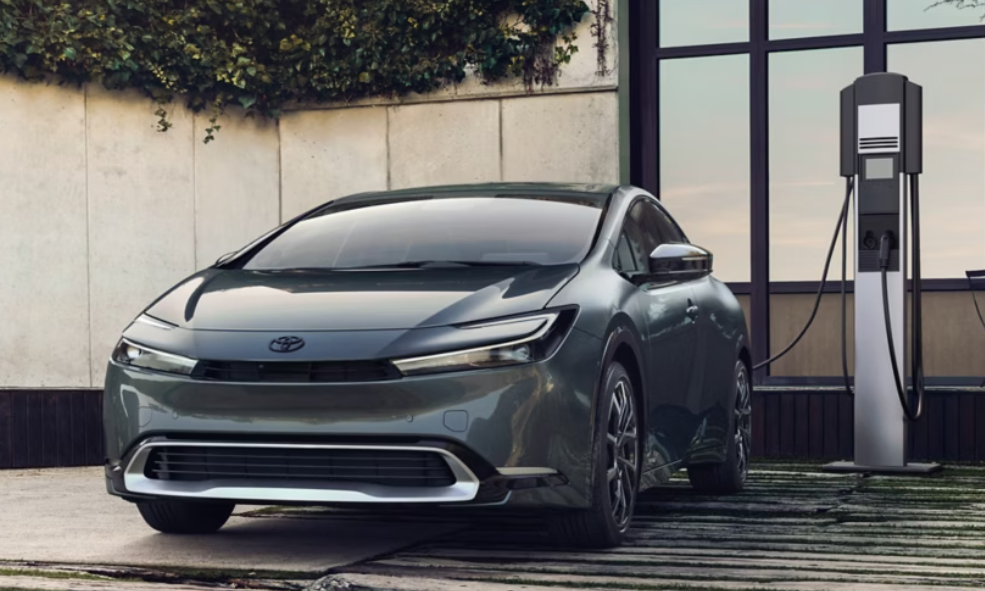
You’re not alone if you’re wondering whether your next car should have a gasoline engine, a hybrid system, or a fully electric drivetrain. Newer hybrids and fully electric vehicles (EVs) have different ownership and cost considerations compared to traditional gas-powered cars. This guide breaks down gas vs. hybrid vs. electric cars’ pros and cons, along with which options might be best for you.
The Differences Between Gas, Hybrid, and Electric Powertrains
Gas cars use internal combustion engines that burn fossil fuels and release carbon dioxide, along with other emissions and pollutants, from their tailpipes. Until recently, this was the only option for your car’s powertrain. Gas-powered engines offer two big advantages. First, gas stations are easy to find in Jacksonville, and refueling only takes a few minutes. Second, every repair shop will be familiar with almost any problem with your car.
EVs run exclusively on battery power, with electric motors doing all the work. EV battery production uses natural resources upfront, but these cars compensate through years of zero-emission driving. To recharge the battery, you’ll plug an EV in at home or at a public charger. Charging infrastructure is growing in Jacksonville, so you’ll likely be able to find a public charger without too much searching. However, keep in mind it could take nearly an hour to fully charge an EV.
Hybrids use both a gas engine and one or more electric motors to move the car forward. The car decides when to use gas or electricity. Many hybrids also have regenerative braking that helps recharge the battery. Some hybrids just recharge while driving, while plug-in hybrids need to charge at home or public charging stations. Hybrids have excellent fuel efficiency and cut emissions.
Maintenance and Budget Considerations
Gas-powered cars are currently the cheapest option upfront. However, they also need routine maintenance, including oil changes, fluid checks, filter swaps, tune-ups, and tire rotations. These costs add up over time and tend to increase as your car gets older.
Hybrids are typically more expensive than gas-powered cars. They also require all the maintenance that a gas-powered car needs with occasional checks on hybrid-specific parts. However, their braking systems actually help save money by reducing wear on brake pads.
EVs cost the most upfront, but their prices are decreasing. One of the biggest advantages of EVs is that they need minimal maintenance. They don’t need oil changes and have fewer moving parts. You just need some basic maintenance, including tire rotations, brake checks, and cooling system inspections. You’ll also save a lot of money not having to buy gasoline.
Performance and Driving Experience
EVs offer a very different driving experience compared to gas-powered cars. Electric motors deliver instant power. Once you hit the pedal, you’ll get immediate acceleration — no lag like gas engines. Electric motors are very quiet, so you won’t hear the engine noise of a traditional car. With all the instant torque, EVs are fun to drive around Jacksonville. When it comes to hybrids, these cars blend electric performance with gas reliability, switching seamlessly between the two.
Keep in mind that EV battery performance is dependent on the weather. Florida’s heat can put extra stress on your battery system, degrading your battery’s performance and charging ability. During the summer, it’s best to park in the shade to protect your EV.
Which Type of Car Is Best for You?
If you drive short, predictable routes or have a daily commute, you’ll love a hybrid or EV. You’ll save money and time after making your way through downtown traffic since you can plug in at home and avoid the gas station. EVs now also come in all shapes and sizes, from small commuter cars to big trucks and SUVs. You’ll likely be able to find an EV that meets your style and needs.
Gas-powered cars and hybrids still might be the best options for road trips. They give you the freedom to roam without having to search for charging stations or wait for your batteries to charge. However, charging infrastructure is increasing and improving, so long drives and trips in an EV may soon become easy.
If you’re concerned about the environment, an EV is a great choice. They produce the lowest amount of pollution and greenhouse gas emissions compared to your other options. EVs will become even more eco-friendly as Florida adds more clean energy.
If you want to invest in a hybrid or EV and are concerned about your budget, it’s best to look at total ownership costs. Hybrids and EVs are often less expensive in the long run because of their fuel and maintenance savings. However, if you don’t believe you have the upfront budget to buy a hybrid or EV, you may want to speak with our finance team to hear about all of your options.
Experience Gas, Hybrid, and EV Options at Keith Pierson Toyota
Each person’s driving needs are different, so no single powertrain will work for everyone. If you’re still not sure which kind of car is best for you, we invite you to visit our dealership in Jacksonville, Florida, to find out more. Our team can walk you through all your options based on your situation. Your personal needs, budget, driving habits, and preferences will point toward the right choice. Contact us today to learn more about gas, hybrid, and electric Toyotas.
Connect with us


