

Blog / Vehicle Comparisons

2026 Toyota Corolla Cross vs. 2026 Honda HR-V: Urban SUV Battle in Jacksonville

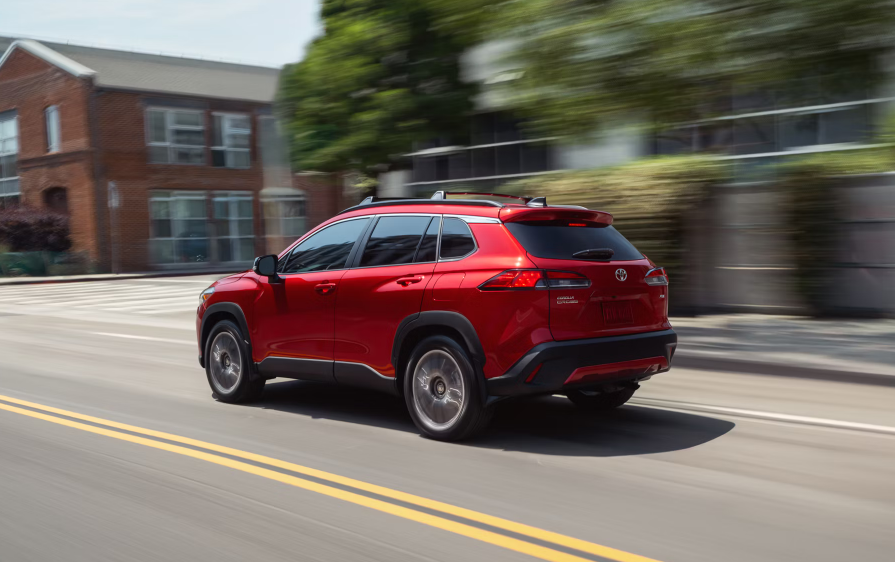
2026 Toyota Corolla Cross driving on city street

Compact SUVs have basically taken over Jacksonville driveways at this point. Makes sense, really. They handle downtown traffic without feeling cramped, swallow beach gear for Jacksonville Beach weekends, and still sip fuel efficiently on the daily commute. If you're cross-shopping the 2026 Toyota Corolla Cross vs 2026 Honda HR-V, you're looking at two of the most capable small SUVs on the market. The right pick really just depends on how you use your vehicle day to day.

Below, we'll cover the specs, safety scores, and where each one falls short in daily use, so you can browse the 2026 Corolla Cross inventory in Jacksonville with a clear idea of what you're getting.

2026 Toyota Corolla Cross vs. Honda HR-V: Comparing Jacksonville's Popular Compact SUVs

The Corolla Cross rides on Toyota's TNGA-C platform, slotting neatly between the RAV4 and the Corolla sedan in size and price. It measures 176 inches long, 72 inches wide, and 65 inches tall, with 8.0 to 8.1 inches of ground clearance depending on trim. The HR-V is slightly longer at 179.8 inches, matches the Corolla Cross in width at 72.4 inches, and stands up to 63.8 inches tall on a 104.5-inch wheelbase. Honda builds the HR-V in three trims, LX, Sport, and EX-L, while Toyota offers the Corolla Cross in L, LE, and XLE, plus three Corolla Cross Hybrid trims (S, SE, and XSE). Both target the same buyer: someone who wants SUV versatility without a full-size footprint.

City Driving, Handling, and Parking in Jacksonville

Whether you're heading through downtown on I-95 or squeezing into a tight spot near San Marco Square, maneuverability matters. The Corolla Cross has a notably responsive steering feel that many drivers find reassuring in stop-and-go traffic. The HR-V leans toward a smoother, more relaxed ride that suits longer stretches like the Southside-to-Beaches commute.

Both SUVs are compact enough for tight parking garages downtown, and each includes visibility aids, though the HR-V's greenhouse design gives it a slight edge in outward sightlines. Neither vehicle feels unwieldy in Jacksonville traffic, so this comparison often comes down to personal preference in ride feel.

Fuel Economy and Everyday Running Costs

The Corolla Cross with FWD earns an EPA-estimated 31 city, 33 highway, and 32 MPG combined; AWD models come in at 29/31/30. The Corolla Cross Hybrid is the standout, rated at 46 city, 39 highway, and 42 MPG combined. The HR-V is gas-only across its lineup, with 2WD models rated 26/32/28 and AWD models at 25/30/27. The Corolla Cross Hybrid's 42 MPG combined rating beats anything the HR-V lineup offers, which makes it the stronger pick for high-mileage Jacksonville commuters.

If you're putting real miles on I-295 every week between Mandarin and downtown, that hybrid advantage adds up fast at the pump. If fuel costs are a top priority, exploring 2026 Toyota Corolla Cross details is a good next step before you decide between the HR-V or Corolla Cross.

Cargo Space and Passenger Comfort

Interior Room and Seating

The Corolla Cross offers a full inch more front legroom at 42.9 inches versus the HR-V's 41.9, though the HR-V's total passenger volume, up to 98.7 cubic feet on LX and Sport trims and 97.3 on EX-L, edges out the Corolla Cross's 93.8 to 94.9 cubic feet. The trade-off shows up in the back seat: the Corolla Cross gives rear passengers 39.1 inches of headroom against the HR-V's 38.0.

Rear legroom favors the HR-V at 37.7 inches to the Corolla Cross's 32.0. The Corolla Cross cabin uses quality materials, with SofTex, heated seats, and a 10-way power driver's seat standard on the XLE. Dual-zone climate control is also available, which matters during Jacksonville's humid summer months.


Spec Corolla Cross Honda HR-V
Platform TNGA-C Honda global subcompact platform
Trims L, LE, XLE, Hybrid LX, Sport, EX-L
Length 176" 179.8"
Width 72" 72.4"
Height 65" up to 63.8"
Ground Clearance 8.0" hybrid / 8.1" gas 7.0" LX and EX-L / 7.3" Sport

Cargo Capacity for Errands and Road Trips

With rear seats folded, the HR-V offers 55.1 cubic feet of cargo space, compared to 46.9 cubic feet for the FWD Corolla Cross and 44 cubic feet for AWD models. Behind the rear seats, cargo figures are closer: 24.4 cubic feet for the HR-V versus 24 cubic feet for the FWD Corolla Cross. Both use a 60/40 split rear seat for flexibility, and a power liftgate is available on the Corolla Cross XLE. If you regularly haul youth-sports gear or oversized items, the HR-V's folded-seat capacity is worth noting.

The HR-V wins on maximum cargo volume, no question, but the Corolla Cross holds its own for everyday errands and grocery runs.

Technology and Infotainment Features

Honda equips every HR-V trim with a 9-inch touchscreen, a 7-inch driver display, wireless Apple CarPlay and Android Auto, and a wireless charging pad. Audio is where the trims separate: the LX gets four speakers, the Sport six, and the EX-L eight. The Corolla Cross comes standard with an 8-inch touchscreen and a 7-inch digital gauge cluster, with a 10.5-inch display available on the LE and standard on the XLE, alongside a 12.3-inch digital cluster on XLE models. Toyota also includes standard wireless Apple CarPlay and Android Auto across the lineup, with six speakers standard and nine-speaker JBL audio available on higher trims.

If you want the largest standard screen without upgrading trims, the HR-V has the edge; step up to the XLE and the Corolla Cross moves ahead on both screen size and cluster. You can browse the 2026 Corolla Cross inventory in Jacksonville at Keith Pierson Toyota to see these features in person.

Safety Features and Driver-Assistance Systems

Toyota Safety Sense on the Corolla Cross

Every 2026 Corolla Cross trim comes standard with Toyota Safety Sense 3.0, which bundles a pre-collision system with pedestrian detection, proactive driving assist, full-speed dynamic radar cruise control, lane departure alert with steering assist, automatic high beams, lane tracing

Posted in:

Recommended Posts

Technician inspecting brake rotor during vehicle service

Brake Rotor Cleaner: Essential for Maintaining Your Toyota's Brakes in Jacksonville

Jacksonville drivers deal with heavy rain, coastal humidity, and salt air that quietly work against a vehicle's braking system. Rotors and pads here collect dust and grime faster than they would in a drier climate, so small maintenance habits go a long way. Brake rotor cleaner plays a bigger role in that upkeep than many owners expect, and understanding how it works can help you recognize when your Toyota needs professional attention. If you notice anything unusual with your brakes, our Toyota brake service and repair team is ready to take a closer look. What Is Brake Rotor Cleaner and Why It Matters Brake rotor cleaner is a solvent-based product formulated to strip grease, oil, brake fluid, and built-up brake dust from rotors, calipers, pads, and drums. It's a specialized brake parts cleaner rather than a general-purpose degreaser, and mixing the two up can cause real problems down the line. The formula evaporates quickly and leaves no residue behind, keeping the pad-to-rotor contact surface clean for consistent stopping power. Most brake and rotor cleaner products are non-conductive, so they're generally safe to use around basic electrical connectors, but they can still damage sensitive sensors near the braking system, such as wheel speed sensors, so overspray should be kept away from those components. They are also not safe for plastic components. Overspray on plastic housings, trim, or wiring covers can soften or degrade the material over time, so careless application can create new problems while solving old ones. How Brake Cleaner Removes Dust, Grime, and Corrosion The solvent breaks down oils, grease, and stubborn residue first. Then the high-pressure spray physically dislodges debris from tight spots like caliper brackets and rotor vents, areas that are hard to reach with a rag or brush alone. Finally, rapid evaporation leaves the surface dry and residue-free, which is what proper pad-to-rotor contact requires. Brake dust isn't harmless. It's a mix of friction material and fine metal shavings, and that particulate can pose respiratory concerns if inhaled in significant amounts over time. Letting that buildup sit on rotors and calipers doesn't just create a housekeeping issue; it can measurably reduce braking effectiveness. Brake Rotor Cleaner vs. General Brake Cleaner Brake rotor cleaner and general brake system cleaning products often overlap, but rotor-specific formulas are tuned to handle the contaminants unique to rotors, pads, and calipers. Never substitute something like carb cleaner for a proper brake and rotor cleaner. Carb cleaner tends to leave a residue that interferes with braking friction and can cause pads to grab unevenly, the opposite of what you want from a cleaning product. Why Clean Brake Components Are Critical to Safe Stopping Clean rotors and pads aren't just about appearance. They directly affect how quickly and predictably your Toyota stops, especially in wet Jacksonville conditions where every bit of friction counts. Brake Dust, Road Grime, and Heat Exposure As brake dust and road grime accumulate, they create a layer between the pad and rotor that interferes with the friction needed for effective braking. Add in the heat generated during hard stops, and you get hot spots where the rotor's metal expands unevenly. That uneven expansion is a common source of vibration and noise, and over time it shortens the life of both pads and rotors. Moisture and Corrosion on Rotor Surfaces Steel and cast-iron rotors rust when exposed to rain, dew, or humidity, a near-daily reality across Jacksonville, Orange Park, Middleburg, Fleming Island, and Jacksonville Beach. A thin layer of surface rust is completely normal; it typically wipes away within the first few moments of driving as the pads scrub the surface clean. Problems start when a vehicle sits idle for extended periods, especially in coastal parking spots exposed to salt air. Prolonged inactivity allows pitting to form, and deep pits can lead to noise, vibration, and early wear that eventually turns into warping. If you notice heavier rust after a stretch of heavy rain or a long weekend of coastal parking, it's worth having the system checked before minor surface rust turns into something deeper. Never apply oils, waxes, sealants, or lubricants to a rotor's friction surface. Doing so compromises braking performance and often introduces the exact noise and vibration issues you were trying to avoid. Signs Your Toyota's Brakes Need Inspection or Service Your Toyota often gives early warning signs before a braking issue becomes serious. Knowing what to listen and feel for can help you get ahead of a problem. Brake Noise and Squealing A quick squeal after a rainy morning is normal, just surface rust getting cleared off by regular driving. Persistent squealing or grinding, especially at low speeds, tells a different story and usually points to worn pads or an uneven rotor surface. Abnormal, ongoing noise is one of the clearest signals that pads are wearing thin and need a professional look. Vibration or Pulsation When Braking A shudder felt through the steering wheel or throughout the car usually means the pads are grabbing unevenly against the rotor surface. Drivers often call this "warping," but technically it's thickness variation across the rotor. Vibration alone doesn't automatically confirm a warped rotor; there are several possible causes, which is exactly why a professional diagnosis beats guessing based on feel alone. Uneven Pad Wear and Reduced Stopping Performance When a rotor spins unevenly, the pads riding against it wear unevenly too, which compounds vibration issues over time. Heavy rust can also thin a rotor below its minimum thickness specification, reducing its ability to dissipate heat and handle repeated stops. If it's taking longer to stop than it used to, don't wait. Reduced stopping power is a safety issue, and getting your Toyota inspected as soon as possible is the right move. Why Brake Cleaner Should Be Used with Caution Brake rotor cleaner is a genuinely useful product, but it's also an industrial solvent that demands respect. Certain formulations, when exposed to high heat from welding, sparks, or a hot exhaust, can break down into phosgene gas. Manufacturer safety data sheets for these products typically flag them as extremely flammable and pressurized, so brake cleaner should never be sprayed near an open flame, running engine, or hot exhaust component. Those same SDS documents note that these products can be harmful or fatal if swallowed, pose an aspiration hazard, and can cause nervous system depression from prolonged vapor exposure. Anyone using brake cleaner should do so only for its intended purpose, in a well-ventilated space, wearing gloves and a mask. It's also worth knowing that the EPA has finalized rules restricting trichloroethylene and PCE in chlorinated brake cleaners due to their carcinogen classification, which has shifted many formulations toward non-chlorinated alternatives. Risks of Improper Use on Rotors and Pads Only products labeled safe for brake friction surfaces should ever touch pads or rotors. Using the wrong solvent, or applying the right one incorrectly, can damage sensitive sensors near the braking system (such as wheel speed sensors), degrade rubber seals, damage plastic components through overspray, or leave a residue that undermines braking performance rather than improving it. When in doubt about which product or method is appropriate for your vehicle, ask a trained technician instead of experimenting on your own. Why Rotor and Brake Diagnosis Belongs to Trained Technicians Cleaning a rotor is one thing. Diagnosing why it's rusted, pitted, or vibrating is a different task entirely, and it requires training, experience, and the right equipment. The Dangers of DIY Brake Disassembly An improperly installed pad can create uneven pressure across the rotor, leading to accelerated wear and a repair bill larger than if the job had been done correctly the first time. Incorrect reassembly or a missed underlying issue can lead to brake failure, endangering the driver and everyone else on the road. If you notice warping, pitting, or vibration, or you're simply unsure what's causing a symptom, the safest step is scheduling a professional inspection rather than attempting rotor work yourself. What a Professional Brake Inspection Covers A thorough inspection goes well beyond glancing at pad thickness. Technicians check calipers, brake hoses, slide pins, caliper boots, fluid condition, and pad carriers, and they measure whether a rotor can be resurfaced or needs replacement. Best practice is to have your braking system inspected roughly every six months, since problems with calipers or fluid often develop well before pads show obvious wear. Our ASE-certified technicians handle everything from routine inspections to more complex repairs, and if it's been a while since your last checkup, now's a good time to schedule brake service in Jacksonville. Call a professional rather than wait if you notice any of these: Deep pitting on the rotor surface that doesn't clear up with normal driving. Vibration or pulsation that suggests warping or thickness variation. Rotors measuring close to or below minimum thickness specifications. Noticeably reduced stopping power or longer stopping distances. Toyota Brake Pad and Rotor Service at Keith Pierson Toyota Our service team provides a full range of brake services for Toyota vehicles, using Genuine Toyota parts, pads, calipers, rotors, drums, and shoes included, all built to original equipment standards. That means the parts installed on your vehicle match what Toyota-designed rotors and components were engineered to work with, rather than a generic aftermarket substitute. We work on vehicles from across Jacksonville, Orange Park, Middleburg, Fleming Island, Jacksonville Beach, and the surrounding North Florida area, and our technicians understand how the region's humidity and coastal exposure affect brake components differently than drier inland climates. Schedule Your Brake Service in Jacksonville Today Brake maintenance isn't something to put off, especially in a climate where rust and humidity accelerate wear on rotors and hardware. Why Drivers Choose Us ASE-certified technicians who diagnose beyond just pad thickness Genuine Toyota parts built to original equipment standards Local expertise in how North Florida's coastal conditions affect brakes Ready to Book? If you've noticed noise, vibration, or reduced stopping power, don't wait for the problem to get worse. Schedule service with our team today, or contact us with any questions about what your Toyota's brakes may need.

The Bearded Pig

Best BBQ Places in Jacksonville, FL: Our Staff Picks for Summer Grilling

Summer in Jacksonville means one thing for our crew at Keith Pierson Toyota: hunting down the best BBQ places in Jacksonville FL. We've spent years tracking down smoky brisket and sides worth fighting over, and we're sharing our staff picks for anyone chasing good barbecue this season. Consider this your neighbor's guide, built from real visits and real cravings. Why Jacksonville's BBQ Scene Is Perfect for Summer Warm weather practically demands outdoor dining, and Jacksonville delivers, with pit smoke drifting through neighborhoods all over town. The city blends Southern and Texas traditions with coastal Florida flavor, so local barbecue rarely sticks to one lane. Local ingredients show up in sides and sauces year-round, and the region's food truck culture keeps things interesting for anyone on the hunt for good smoked meat on a Friday night. Add in festivals built entirely around barbecue, and you've got a scene that rewards exploration all summer long. Our Staff Picks: Favorite BBQ Restaurants in Jacksonville, FL A quick note before we get into specifics: hours and menus at these spots change without much warning. Call ahead or check each restaurant's website or social pages before you make the drive, especially for limited-run items. The Bearded Pig Located in San Marco, The Bearded Pig blends Southern and Texas traditions, smoking everything in-house over locally grown oak. The menu covers smoked sausage, brisket, pulled pork, and a rotating lineup of poultry and ribs, with sides that come out fresh rather than boiled to mush, think baked beans, mac-n-cheese, collard greens. Start with the jalapeno poppers or bearded poutine while you wait, because burnt ends here sell out fast and rarely last past the lunch rush. The place is dog-friendly with heated outdoor seating, and it's earned recognition in the MICHELIN Guide. There's a free private lot on-site, so park there or around the corner rather than at PRI across the street. Lunch draws a line out the door, so plan accordingly. 4 Rivers Smokehouse Founder John Rivers, a Jacksonville native, opened this 4 Rivers Smokehouse location on Baymeadows Rd as the company's fourth, and it's grown into a family-friendly staple. The signature brisket is dry-rubbed, wet-aged for 30 days, smoked for 18 hours, and cut to order, which explains the loyal following. Food & Wine named it the Best BBQ in Florida, and Southern Living listed it among the South's Best BBQ Joints. It's open Sundays, with extended hours until 9pm on Fridays and Saturdays. For gatherings, their catering packages include three meats, three sides, a gallon of beverage, and all the serving essentials. Sides include Southern green beans, baked cheese grits, and a handful of other comfort-food staples. Catering here requires 24-hour notice and a $200 minimum on delivery, which makes it a reliable pick for weddings, graduations, or company picnics. Bono's Pit Bar-B-Q Lou Bono started Bono's Pit Bar-B-Q back in 1949 near Kings Avenue and Atlantic Boulevard in San Marco, and it's now Jacksonville's second longest continuously operating BBQ restaurant. Bono's still cooks the traditional way over a wood-fired pit. With roughly twenty locations spanning Florida and Colorado, including spots on Beach Blvd, Duval Station Rd, Philips Highway, San Jose Blvd, and Jacksonville Beach, there's likely one near you. The Hawg Feast platter, loaded with two pounds of slow-smoked meat, is built for sharing, and easy carryout across every location makes Bono's a dependable answer whenever you're craving barbecue without much planning. Woody's Bar-B-Q Woody's Bar-B-Q has been serving Jacksonville since 1980, built on family recipes that lean heavily Southern. The Signature Baby Back Ribs and original spare ribs are the draw, paired with coleslaw and BBQ beans that round out the plate. With locations on University Blvd S and Powers Ave, Woody's also runs Kids Eat Free nights and a Kid's Club program, which makes it one of the easier picks for families with young ones in tow. Don't Miss the Food Trucks and Local Pitmasters Jacksonville's mobile barbecue scene deserves just as much attention as its sit-down restaurants. Kings BBQ, based in St. Augustine, is run by pitmaster Ryan King, who competes across the Southeast and brings that competition-level skill to events throughout Northeast Florida. Berndt Ends BBQ, owned by pitmaster Berndt Ends, shows up at festivals and markets around town with smoked meats and sides that keep people coming back. Monroe's Smokehouse now operates its Westside location along with a food truck for catering, offering traditional-inspired plates and Southern sides that pair well with their house sauces. These pitmasters often bring flavors you won't find on a permanent menu, so keep an eye on their social pages for where they'll park next at Jacksonville's summer markets and festivals. Great BBQ Spots for Families and Group Gatherings Big groups need room to spread out, and several of our picks handle that well. Woody's Kids Eat Free nights and Kid's Club program make it a natural choice for families, while Bono's casual setting and shareable Hawg Feast platter suit larger crowds without much fuss. 4 Rivers Smokehouse leans into family-style dining too, with its bakery counter and home-style sides giving kids and adults alike something to enjoy. For a bigger community experience, the annual Beer Bourbon & BBQ Festival brings VIP admission with a BBQ dinner plate, live entertainment, and the Shrine of Swine, alongside food trucks and restaurant booths, making it a solid outing for anyone who wants a taste of everything in one afternoon. Takeout, Catering, and BBQ for Summer Road Trips Road trips and cookouts both benefit from a good takeout plan, and Jacksonville's barbecue restaurants make that easy. Bono's offers straightforward carryout at every location, which works well if you're loading up before a drive to St. Augustine or Fleming Island. For bigger events, 4 Rivers Smokehouse handles full-service catering for weddings and other milestone events, with a 24-hour notice window and that $200 delivery minimum we mentioned earlier. If you're planning a summer road trip along the coast toward Jacksonville Beach or Atlantic Beach, packing a cooler with barbecue from one of these spots beats searching for food once you're already on the move. That's where a dependable vehicle matters, too. Hauling coolers, folding chairs, and a full family means you want room to stretch out, and browsing new Toyota models in Jacksonville is a smart place to start if your current ride isn't quite up to the job. Tips for Enjoying BBQ Like a Local Parking and Timing Tips Parking fills up fast at popular spots, especially around lunch. The Bearded Pig's free lot is your best bet in San Marco, and skipping the PRI lot across the street saves you a headache. Arriving right at opening or after the 1pm rush tends to shorten wait times, and rideshare is worth considering if you're heading somewhere with tight street parking. How to Order: Sides, Sauces, and Meat by the Pound Ordering barbecue well takes a little strategy. Meats are often sold by the pound, so knowing your group size helps you avoid over- or under-ordering, and asking staff about daily limited items, like The Bearded Pig's burnt ends, can save you disappointment. Don't skip the sides: baked beans, collard greens, mac-n-cheese, and cornbread each bring something different to the plate, and most places are happy to let you sample sauces before committing. If you land somewhere new, asking staff for their personal favorite dish is usually the fastest way to a good meal. Keith Pierson Toyota: Your Neighbor on the Road to Great BBQ We put this list together because we live here too, and chasing down great barbecue is one of our favorite parts of summer. Family-Owned and Community-Rooted Keith Pierson Toyota is family-owned and operated right here in Jacksonville, serving neighbors throughout Orange Park, Atlantic Beach, Nocatee, St. Augustine, Fleming Island, Jacksonville Beach, Mandarin, Regency, Arlington, and Lake City. Get in Touch Whether you're loading up the family for a Woody's dinner or hauling a cooler of Bono's carryout to the beach, having a dependable vehicle makes those summer plans easier. Stop by our dealership on Youngerman Circle just off Blanding Blvd, next to Sam's Club, or reach out to our team if you'd like help finding a vehicle built for whatever summer throws your way.

Family loading bags into SUV cargo area

Back-to-School Prep in Jacksonville: Activities and Tips for Families

Summer break moves fast, and before you know it, backpacks are back on shoulders and school buses are back on the road. For families across Duval County, back to school activities Jacksonville FL offer a chance to prepare together. There's supply shopping to do, schedules to sort out, and the family car needs a once-over before it's back on daily carpool duty. This guide walks through the events, routines, and vehicle checks that make the transition smoother for everyone. Getting Jacksonville Families Ready for Back-to-School Season Start with a family calendar that tracks school start dates, teacher planning days, and supply shopping deadlines. DCPS employee planning and in-service days run Monday, August 3 through Friday, August 7, 2026, with the first day of school set for Monday, August 10, 2026, and the last day scheduled for May 28, 2027. Confirm these dates directly with DCPS, since school calendars can shift. DCPS serves 120,000+ students across 170 schools, so plenty of Jacksonville families are going through the same countdown you are. Talking with your kids about new routines ahead of time helps ease first-day jitters, and community events during these weeks give families a chance to swap tips with neighbors dealing with the same first-bell anxiety. If you have questions about getting your vehicle road-ready before the rush of daily drop-offs begins, Keith Pierson Toyota welcomes families to reach out anytime through our contact page. Back-to-School Activities and Events Around Jacksonville Jacksonville families have plenty of local opportunities to celebrate the season before textbooks take over the schedule. Supply drives and weekend festivals build community while lightening the financial load of school prep. Event details can change year to year, so always verify current listings before making plans. Backpack Giveaways and Community Drives Searching for a backpack event or a bookbag giveaway during late summer usually turns up several options around Jacksonville. Local health-focused giveaways have included free hearing screenings alongside backpack distributions. Past events have offered 500 backpacks filled with supplies, along with vendor booths, haircuts, games, and even free sports and school physicals. One recurring example has taken place from 9 a.m. to 1 p.m. at 7535 Fort Caroline Hills Dr., Jacksonville, FL 32277, hosted by SERTOMA as part of its annual health screening outreach. Confirm dates and locations with the host organization each year, since these details can shift. Family-Friendly Festivals and Weekend Fun Weekend festivals give families a reason to enjoy the last stretch of summer before routines tighten up. The Riverside Arts Market, held Saturdays year-round from 10 a.m. to 3 p.m. at 715 Riverside Avenue under the Fuller Warren Bridge, draws more than 4,000 visitors weekly and features a 350-person amphitheater with free admission and parking. It's a relaxed way to spend a Saturday morning browsing local vendors before school schedules take over. These family activities Jacksonville FL residents enjoy each summer help ease kids out of lazy-day mode and into a structured routine. Mastering the Jacksonville School Commute Once school starts, the daily commute becomes a fixture of family life. DCPS transportation operates 860 buses, moving roughly 48,000 students across more than 3,600 daily trips and nearly 10 million miles each year, with a fleet ranked #1 in Florida for newest buses. Bus eligibility generally applies to elementary students living more than 1.5 miles from their assigned school and middle or high school students living more than 2 miles away, though families should confirm eligibility with DCPS directly. School-zone safety is part of the commute too. DCPS, the superintendent's office, and JSO run the "Be Safe, Be Seen" campaign, a joint effort focused on cutting down school-zone risks. Last year, 42 students were hit by vehicles going to or from school in Duval County, and three were killed. Slowing down in school zones, obeying crossing guards, and keeping children under 13 in the backseat all make a real difference. Carpool Planning Tips for Busy Families Carpooling with neighbors or classmates cuts down on traffic and gives kids social time on the way to school. A few practical steps make it work: Set a weekly rotation so no single parent handles every drop-off. Share phone numbers and a backup contact in case plans change last minute. Agree on a pickup window to avoid idling in front of the school for too long. A reliable Jacksonville school commute depends on communication as much as scheduling, so keep the group chat active during the first few weeks while everyone adjusts. Packing Backpacks, Sports Gear, and Lunches Efficiently Mornings run smoother when prep happens the night before. Packing lunches, laying out clothes, and having kids pack their own backpacks builds independence and cuts down on scrambling. For families juggling after-school sports, keeping gear in a designated bin near the door means nothing gets left behind during the morning rush. Getting Your Family Vehicle Ready for the School Year A reliable vehicle matters just as much as a packed lunch when it comes to school-year readiness. Before carpool season kicks into gear, it's worth scheduling service and catching small issues before they turn into missed school mornings. Safety Checks and Dependability for Daily Drives Daily school runs put extra wear on a vehicle, so a pre-season checkup matters. Our service center handles routine maintenance, diagnostics, tire rotations, wheel alignments, battery inspections, and Toyota Factory scheduled maintenance, all aimed at helping prevent breakdowns and preserve long-term vehicle value. Regular checks on brakes, lights, and fluid levels give parents peace of mind before school-zone traffic picks up again. Safety technology also plays a growing role in school-zone driving. Toyota Safety Sense 3.0 comes standard across many 2026 models, including the Camry, Corolla, Highlander, and Tacoma, while Toyota Safety Sense 4.0 is standard on every 2026 RAV4 trim. One feature worth knowing about is Safe Exit Assist, which helps prevent a rear door from opening when a vehicle is approaching from behind. It's a small detail, but it can matter a lot during hectic drop-off lines. Families exploring a Toyota family vehicle Jacksonville drivers can count on may want to browse the new Toyota lineup to compare available safety features. Cargo Space Solutions for Sports Gear and Activities Sports season often overlaps with the start of school, and DCPS bus policy prohibits oversized items like large band instruments or athletic equipment that can't be held in a seat, unless prior approval is granted. That makes personal vehicles a practical backup for hauling gear to games and practices. The 2026 RAV4 offers 37.8 cubic feet of cargo space with seats up and 70.4 cubic feet with seats folded, plus a low load floor, 60/40 split-folding seats, tie-down points, and a power liftgate on the XLE Premium trim and above. Loading soccer bags or band equipment gets a lot easier with that kind of setup. Easing the Transition from Summer to School Routines Adjusting to a new school-year schedule takes some time. Gradually moving bedtimes and wake-up times earlier in the weeks before school starts helps children's bodies adapt without the shock of an abrupt schedule change. Building a consistent evening routine, including quiet reading time or a set lights-out hour, reinforces the new rhythm. Small, steady changes tend to work better than trying to fix everything the night before school starts. Weekend Family Activities to Recharge During the School Year Once the school year is underway, weekends become the reset button families need. The Jacksonville Zoo and Botanical Gardens spans about 122 acres and houses more than 2,000 animals and over 1,000 plant species, drawing more than a million visits annually; it's open daily from 9 a.m. to 5 p.m. at 370 Zoo Pkwy. For a quieter outing, Hanna Park offers camping, hiking trails, and biking trails along the coast, while the Jacksonville Main Library's Children's Library and story times give younger kids a low-key way to unwind. Older kids might enjoy a fast-paced afternoon at K1 Speed, a visit to the Cummer Museum of Arts & Gardens, or cheering on the Jaguars, Jumbo Shrimp, Icemen, or Sharks depending on the season. Always check attraction hours ahead of a visit, since schedules can shift. Your Jacksonville Back-to-School Checklist A clear checklist keeps back-to-school prep Jacksonville families manageable instead of overwhelming. Consider working through these steps: Confirm the DCPS 2026-2027 calendar, including the August 10, 2026 start date and any planning days, directly with the district or your child's school. Take advantage of the Florida Back to School Sales Tax Holiday, running Monday, July 20 through Thursday, August 20, 2026, which exempts clothing items $100 or less, school supplies $50 or less, learning aids $30 or less, and computers or accessories $1,500 or less for noncommercial use. Gather required paperwork: immunization records, proof of residency, and any forms specific to your school or district, whether DCPS, St. Johns County School District, or Clay County School District. Schedule a vehicle check on tires, brakes, and fluid levels before the morning carpool routine ramps up. Verify bus eligibility and route details with DCPS transportation if your child will be riding the bus. Mark backpack giveaways, health screenings, and community drives on your calendar, confirming details with each host organization beforehand. Ready When You Are Whether you're circling school dates on the calendar or getting your car ready for daily drop-offs, Keith Pierson Toyota is glad to be a resource for Jacksonville families this season. Stop by, browse our Toyota service and parts offerings, or reach out with any questions as you prepare for a smooth, safe school year ahead.