


Blog / Parts And Service

Oil Changes

285164038_5e3ab9ff51

Regularly getting your oil changed is a key part of any good routine maintenance schedule for your vehicle. Keeping your oil fresh can help your engine have a longer life and improve performance. If you come to Keith Pierson Toyota in Jacksonville, we'll be delighted to carry out an oil change for you. Here's what you can expect and why you should make regular oil changes a priority.

How Often Should I Get an Oil Change?

The answer to this question depends on the type of car you drive and the engine oil it uses. The best way to figure out how often your oil needs changing is to check your owner's manual where you'll find a recommendation from your vehicle's manufacturer. On the other hand, a good rule of thumb to follow is to have your oil changed every 5,000 miles of driving. For many drivers, this equates to every six months or so. You may be able to change your oil less frequently if you use synthetic engine oil.

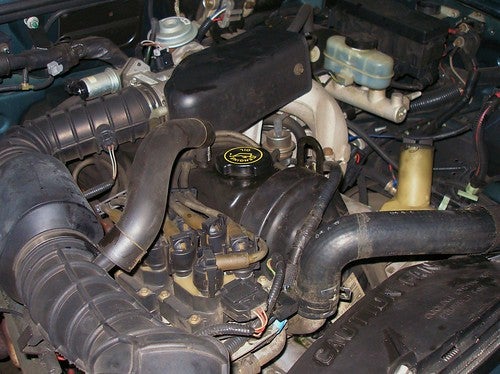
Image via Flickr by Dennis S. Hurd

Why Do I Need To Get an Oil Change?

Engine oil lubricates your engine so that its moving parts don't get damaged when your vehicle is running. However, oil breaks down over time, reducing its effectiveness as a lubricant. It can also become contaminated by debris or dirt. For example, every time you turn on your car's engine, there is a brief period of time during which the engine parts are not covered in oil, exposing them to more friction. Over time, this can cause particles of engine components to wear off, contaminating the oil.

These problems can be prevented by regularly changing out the old oil, replacing the oil filter, and adding fresh oil.

What Is Involved in an Oil Change?

When you come into Keith Pierson Toyota in Jacksonville for an oil change, one of our expert service team will start by draining your old engine oil. This is done by placing a receptacle under the engine to collect the oil, then opening the oil cap to drain it. Once the oil has drained, our technician will check your oil filter and replace it if necessary. This is a critical part of an oil change, because an old oil filter can no longer filter debris out of the oil while it flows around the engine. The new oil filter will help your engine oil do its job for a longer period of time.

What Benefits Do Regular Oil Changes Provide?

The first advantage of getting your oil changed regularly is that it will help lubricate your engine more effectively. If you fail to change your oil, sludge can build up on engine parts, which can reduce the performance of your vehicle. For instance, your engine's power and fuel efficiency may be hampered because the sludge and debris produce more resistance when your engine is running.

The second benefit is that regular oil changes can lengthen the lifespan of your engine's components. An engine that is constantly overworked due to a lack of lubrication from its oil will wear out sooner, resulting in damaged parts and an expensive repair bill.

Finally, getting a regular oil change provides our auto experts with the chance to inspect your vehicle for signs of other issues. Routine inspections like these can help identify issues before they become major problems, which will save you money over the long-term. For example, one of our mechanics can check if your brake pads are already worn out and in need of replacing.

What Should I Pay Attention to When Getting an Oil Change?

The main thing you'll want to look out for is the cost of the service you're getting. Reputable auto repair shops should only be charging you for the new oil they use to replace your existing oil, and an oil filter if necessary. Some service centers will offer you a free multi-point inspection as part of your oil change. If this shows up any additional problems, be sure to ask the auto technician you're dealing with to explain any service costs your unsure about or unhappy with.

Here at Keith Pierson Toyota, we have a range of service coupons to help you save money on your routine maintenance needs, such as oil changes. It's a good idea to check out our service coupon specials before you bring your vehicle into us so that we can offer you the best deal possible.

Schedule an Oil Change at Keith Pierson Toyota Today

For drivers like you in north Florida looking for a reliable and dependable auto repair shop, we encourage you to choose Keith Pierson Toyota. Our Toyota-certified team of auto technicians is trained to the highest standards and can be trusted to handle all of your car maintenance needs, including oil changes. We use synthetic motor oil, which is long-lasting and performs better than conventional engine oil.

While you're visiting our service center, you can speak to any of our auto professionals about the other maintenance and repair services we can offer. Our service center is experienced in performing battery tests, engine diagnostics, brake checkups, and much more. We also know how to handle larger and more complex repair jobs, whether the damage has been caused in an accident or by general wear and tear. Our service center stocks genuine Toyota parts, so you can be confident that the components we put into your vehicle will be high quality.

We appreciate that you may have a busy schedule that makes it difficult to find time for auto maintenance appointments. That's why our service center is open seven days a week. We offer service hours from 7 a.m. to 7 p.m. Monday to Friday, 7 a.m. to 6 p.m. on Saturdays, and 9 a.m. to 4 p.m. on Sundays.

You can either schedule your service appointment online or drop by our Jacksonville service center to have your car serviced. We look forward to helping you with your oil change and any other maintenance needs so that you can get back on the road in no time at all.

Posted in:

Related Posts

man refilling motor oil on car engine bay

How Does My Engine Oil Get Dirty Fast?

Every day, customers visit our Keith Pierson Toyota service center in Jacksonville, Florida, with questions about their vehicle's performance, but one inquiry stands out: "How does my engine oil get dirty?" The answer to this simple question reveals a fascinating journey of automotive science and engineering. more Most drivers see engine oil as another maintenance item, something we change periodically and forget about. But we see it differently. At Keith Pierson Toyota, we understand that engine oil is the lifeblood of your vehicle, working to keep your engine running smoothly. It's constantly battling extreme temperatures, microscopic debris, combustion byproducts, and the wear and tear of daily driving. Let's discover why engine oil gets dirty, what those color changes mean, and how you can protect your Toyota's engine for years to come. Are you ready to become an engine oil expert? Why Engine Oil Turns Black: The Science Behind the Grime Motor oil isn't just a lubricant — it's your engine's superhero. When the oil becomes dirty, it's doing what it's designed to do. The detergents in your motor oil are working overtime to clean up soot, carbon deposits, and various contaminants that naturally accumulate in your engine. The Cleaning Process Explained Engine oil is constantly collecting dirt, debris, and microscopic particles that would otherwise cause serious damage to your engine's internal components. As it traps these contaminants, the oil changes color — typically from an amber or light brown to a darker, almost black shade. What Makes Engine Oil Get Dirty? You might be wondering, how does engine oil get dirty? Here are several culprits: Combustion byproducts: Every time your engine runs, combustion gases can leak past the piston rings — a process called blow-by that introduces soot and other particles directly into your oil. Fuel contamination: Poor engine performance or worn piston rings can cause excessive fuel to mix with your oil, contributing to its degradation. Heat and wear: The extreme temperatures in your engine break down oil over time, causing it to collect more contaminants and lose its effectiveness. Signs Your Engine Oil Is Getting Dirty Is your oil crying out for help? Here are some telltale signs of bad engine oil: Darkening color from light amber to dark brown or black Gritty or sludgy texture when checking the dipstick Decreased engine performance Unusual engine noises Reduced fuel efficiency The Role of Your Oil Filter Your oil filter is the first line of defense against dirty oil. A clogged or inefficient filter can't trap particles, allowing contaminants to circulate freely in your engine. At Keith Pierson Toyota, we recommend regular filter changes as part of your routine maintenance. How a Bad Positive Crankcase Ventilation System Contributes to Dirty Oil The Positive Crankcase Ventilation (PCV) system is crucial in preventing oil contamination. When it's not working correctly, it can allow moisture, unburned fuel, and other contaminants to mix with your engine oil, accelerating the dirtying process. Protecting Your Engine: What You Can Do Don't worry, you're not powerless against dirty engine oil. Here are some pro tips: Schedule regular oil changes. Use high-quality motor oil recommended for your Toyota model. Have your PCV system checked during routine maintenance. Pay attention to your vehicle's performance and warning signs. Why Choose Keith Pierson Toyota for Your Oil Changes? We're not just another service center — we're your automotive partners. Our commitment goes far beyond a simple oil change. At Keith Pierson Toyota, you're getting more than a maintenance service; you're getting a comprehensive vehicle health check performed by true professionals who live and breathe Toyota engineering. Our certified technicians are trained directly by manufacturer experts to understand the intricate systems of every Toyota model. We don't believe in one-size-fits-all service. Each vehicle receives personalized attention, with our team carefully analyzing your specific model's requirements, driving conditions, and maintenance history. We use state-of-the-art diagnostic tools that interface directly with your Toyota's computer systems, allowing us to detect potential issues before they become costly problems. Our diagnostic process is so precise that we can identify subtle changes in engine performance that might go unnoticed by less specialized service centers. Every oil change at Keith Pierson Toyota includes genuine Toyota parts and premium-grade motor oils specifically formulated for your vehicle. We understand that your Toyota is an investment, and our goal is to help you maximize its performance, efficiency, and longevity. Our commitment extends beyond the service bay. We provide transparent consultations, detailed service reports, and ongoing maintenance recommendations tailored to your specific vehicle. At Keith Pierson Toyota, we'll treat your car as if it were our own. Ready To Give Your Engine Some Love? Don't let dirty engine oil compromise your vehicle's performance. Schedule an oil change appointment at Keith Pierson Toyota today. We're conveniently located in Jacksonville, Florida, and we're committed to keeping your Toyota in peak condition. man refilling motor oil on car engine bay by Tim Mossholder is licensed with Unsplash License

Hands Pouring Oil to Engine

What is the best type of motor oil for my car?

Selecting the proper motor oil is key to maintaining your car's optimized operation. The right lubricant can enhance fuel economy, but choosing the wrong one could increase the wear on your engine significantly. The decision you make will affect your vehicle's longevity and daily performance. To protect your car and keep it running smoothly, you need to understand the key factors in choosing the right oil for your vehicle. At Keith Pierson Toyota, we can help you get to grips with motor oil. more noteaser Overview: Importance of Choosing the Correct Motor Oil for Your Car Lubricants are vital for your engine's health, especially in today's engines, where gaps between parts can be as small as 1-2 microns, making proper lubrication crucial. While the right product creates a protective layer between moving parts to reduce wear, it also serves additional functions beyond mere lubrication. Fluid handles about 40% of the engine's cooling, so by picking the right lubricant, you're not just keeping your modern engine running; you're improving its power, making it last longer, and maybe even saving money on gas and fixes down the road. Types of Motor Oil: Conventional, Synthetic, and Synthetic Blend Your choice of motor oil can really affect how your vehicle performs and how often you need to change the lubricant. Your main choices are conventional oil, which comes from crude oil and has been used for many years, and synthetic oil, which is made in labs and works better for longer. Synthetic blend mixes features of both types. Synthetic oil's longevity is impressive, often lasting up to 15,000 miles between changes. That's significantly longer than conventional products that require replacement every 3,000 to 5,000 miles. Also, synthetic lubricants can make your car use less gas — up to 2% less compared to regular options. It costs more at first, but many drivers think it's worth it in the long run. Have you thought about switching to synthetic oil? It might save you time and money over the years. It could also help your vehicle run smoother and last longer. Think about your driving habits and what your car needs. Then you can decide if synthetic lubricant is the right choice for you. Viscosity Grades: Understanding the Numbers Viscosity grades are essential to your motor oil performance. The numbers such as 5W-30 or 0W-20 you've seen on oil bottles indicate how the lubricant behaves at various temperatures. The "W" stands for winter, pointing to the substance's cold-weather characteristics. Interpreting the Code The first number before W reveals how well an engine oil pours in cold weather, while the second number tells its thickness at normal operating temperature. It's useful to know that lower numbers represent thinner oils, which can improve fuel efficiency. A product that's too thick could cut your fuel efficiency by up to 2%, which is why picking the right lubricant for your vehicle is significant. Tailoring Your Choice Align oil selection with your vehicle's demands and driving environment. If you reside in a colder climate, you may benefit from choosing oils with lower winter ratings. If you're in a hot place, higher running heat thicknesses could be needed to shield your vehicle's engine. Understanding these numbers isn't just about knowing your vehicle — it's about giving your engine the best care. By choosing the appropriate product, you can ensure your car operates efficiently, no matter the weather. Original Equipment Manufacturer Recommendations: Following Manufacturer Guidelines for Oil Selection Manufacturer guidelines for lubricant choice are crucial in keeping your vehicle running smoothly and maintaining your warranty. These guidelines come from rigorous testing and design specific to your engine type. You can find this vital information in your owner's manual or on the lubricant filler cap under the hood. Many new cars have advanced systems that track oil life. These tools figure out when you need a change based on how you drive, taking the guesswork out of maintenance schedules. Adhering to these recommendations guarantees optimal protection for your vehicle's engine. Ignoring the manufacturer's specifications and change intervals could lead to lower engine performance and faster wear and might even void your warranty. Driving Conditions: Selecting the Right Oil for Your Specific Needs Your driving habits and surroundings play a big role in picking the best lubricant for your car. Jacksonville driving, with frequent stops and starts, can degrade the fluid more quickly than highway trips. If you mostly drive in town, you might need a lubricant that fights breakdown better and needs changing more often. For high-mileage vehicles, specialized formulations with additives may be beneficial by keeping old engine seals in good shape. If you pull heavy things or drive in very hot or cold weather, specialized formulations are designed for these demanding conditions. They're built to handle big temperature changes and keep engines clean. By matching your choice of motor oil to how and where you drive, you'll keep your engine running well, no matter what driving conditions you encounter. Experience Expert Oil Service at Keith Pierson Toyota At Keith Pierson Toyota in Jacksonville, Florida, our certified mechanics offer premium oil change services. We understand the characteristics of various lubricants and their impact on engine efficiency. Our oil change service goes beyond expectations by including a comprehensive check-up that examines fluid levels, tire pressure, and brakes. This meticulous approach ensures we evaluate your car's overall condition during each maintenance visit. If your vehicle has surpassed 30,000 miles, we offer a $10 discount on your service. If you want to schedule a service appointment or talk about your vehicle's oil requirements, Contact our team at 888-597-3703. Check out our Blog on Toyota Tacoma Oil Change Guide! Hands Pouring Oil to Engine by Daniel Andraski is licensed with Pexels License

pouring oil to engine

Understanding Oil Viscosity and Why It Matters for Your Engine

Oil viscosity is a fundamental concept in engine maintenance that plays a crucial role in ensuring your vehicle's engine operates efficiently and lasts longer. Choosing the correct oil viscosity is essential, as it significantly impacts the efficiency and durability of your engine. Understanding oil viscosity can help you make informed decisions about the type of oil to use, which ultimately enhances your vehicle's performance and longevity. Our team at Keith Pierson Toyota in Jacksonville, Florida, has compiled a short guide on all things engine oil for your convenience. more noteaser Basics of Oil Viscosity Viscosity refers to the thickness or flow characteristics of a fluid. In the context of engine oils, viscosity measures how easily the oil flows at different temperatures. It's typically denoted by a set of numbers and letters, such as 10W-30. The first number, followed by the letter "W" (which stands for winter), indicates the oil's viscosity at cold temperatures, while the second number represents the oil's viscosity at normal operating temperatures. The Society of Automotive Engineers (SAE) has established a grading system for engine oils to help consumers understand viscosity ratings easily. Oils with lower numbers are thinner and flow more easily, which is beneficial during cold starts. Conversely, oils with higher numbers are thicker and provide better lubrication at higher temperatures. This balance is crucial because an oil that's too thick or too thin can adversely affect engine performance. Impact on Engine Performance Using the correct oil viscosity is critical for optimal engine performance. The right viscosity helps lubricate engine parts, reduce friction, and prevent wear and tear. When the oil is too thin (low viscosity), it may not provide sufficient protection, leading to increased metal-to-metal contact and accelerated wear. If the oil is too thick (high viscosity), it may not flow easily, resulting in reduced fuel efficiency, increased engine strain, and potential damage to components. The consequences of using the wrong viscosity grade can be significant. Increased engine wear can lead to reduced engine life span, higher maintenance costs, and potentially catastrophic failures. Reduced fuel efficiency means more frequent trips to the gas station and higher operating costs. Using the wrong viscosity can also cause difficulty in starting the engine, particularly in cold weather, and may lead to inadequate lubrication and protection during high-temperature operation. Correct Viscosity Grade Manufacturers recommend specific viscosity grades based on the engine's design and operating conditions. You can find these recommendations in your vehicle's owners manual. Here's a look at some common viscosity grades: 0W-20: This viscosity grade is commonly recommended for newer vehicles, especially those with small, fuel-efficient engines. The "0W" indicates the oil's flow characteristics in cold temperatures, providing easy starts and quick lubrication during cold weather; the "20" refers to the oil's thickness when the engine reaches normal operating temperature. 5W-30: This versatile viscosity grade is suitable for a wide range of vehicles, including older models and those operating in moderate climates. The "5W" indicates good cold-start protection, while the "30" shows adequate protection at higher temperatures. 10W-40: Often used in older engines or under harsh operating conditions, this viscosity grade provides better high-temperature protection compared to lighter motor oil grades. The "10W" indicates easy cold-start performance, while the "40" maintains viscosity at elevated temperatures. 15W-50: Recommended for high-performance engines or vehicles operating in extreme conditions, this viscosity grade offers excellent protection against heat and wear. The "15W" indicates cold-start protection, while the "50" maintains viscosity under severe conditions. Choosing the correct viscosity grade is crucial for maintaining optimal engine performance and longevity. Always refer to your vehicle's owners manual for the manufacturer's recommendations based on your engine's design and operating conditions. Seasonal Considerations Temperature changes can significantly affect oil viscosity, making it necessary to consider seasonal variations when selecting engine oil. In colder months, oil tends to thicken, hindering its ability to flow and lubricate the engine during start-up. Conversely, oil can become too thin in hotter months, losing its ability to provide adequate protection at high operating temperatures. To address these seasonal changes, you may need to switch to a different viscosity grade. For example, a 5W-30 oil is suitable for cold weather because it flows easily at low temperatures and provides sufficient lubrication when the engine warms up. In contrast, a 10W-40 oil is better suited for warmer climates due to its higher viscosity at warm operating temperatures. Consulting your owners manual or a trusted mechanic can help you determine the best oil for your vehicle based on seasonal changes. Choosing the Right Oil Selecting the right oil for your vehicle involves understanding oil grading systems and reading labels accurately. The SAE grading system is the most common and provides a clear indication of the oil's viscosity characteristics. Also look for certifications from organizations such as the American Petroleum Institute, which ensures the oil meets specific performance standards. Consulting your owners manual is the first step in choosing the right oil. The manual provides detailed information on the recommended viscosity grade and any specific requirements for your engine. Also consider your driving conditions. If you frequently drive in extreme temperatures, tow heavy loads, or operate in stop-and-go traffic, you might need an oil with higher performance characteristics. Professional advice from a trusted mechanic or dealership, such as Keith Pierson Toyota, can be invaluable. Our service professionals are trained to understand the specific needs of various vehicles and can recommend the best oil for your car based on its make, model, and operating conditions. We can also help you understand the benefits of synthetic oils, which often provide better performance and protection compared to conventional oils. Learn more about oil changes in our Toyota Tacoma Oil Change Guide! Keep Your Engine Running Smoothly With Keith Pierson Toyota Understanding and choosing the right oil viscosity is crucial for maintaining optimal engine performance and longevity. Regularly checking and replacing your engine oil as per the manufacturer's recommendations ensures your engine remains well lubricated and protected from wear and tear. At Keith Pierson Toyota, our service professionals are here to assist with oil changes and provide expert guidance on selecting the appropriate oil for your vehicle. Come to our dealership or schedule an appointment to see how we can help you keep your engine running smoothly for years to come. Pouring Oil to Engine by Daniel Andraski is licensed with Pexels License