Blog / Corolla Cross

Which Toyota Is Best for Business Owners in Duval County?

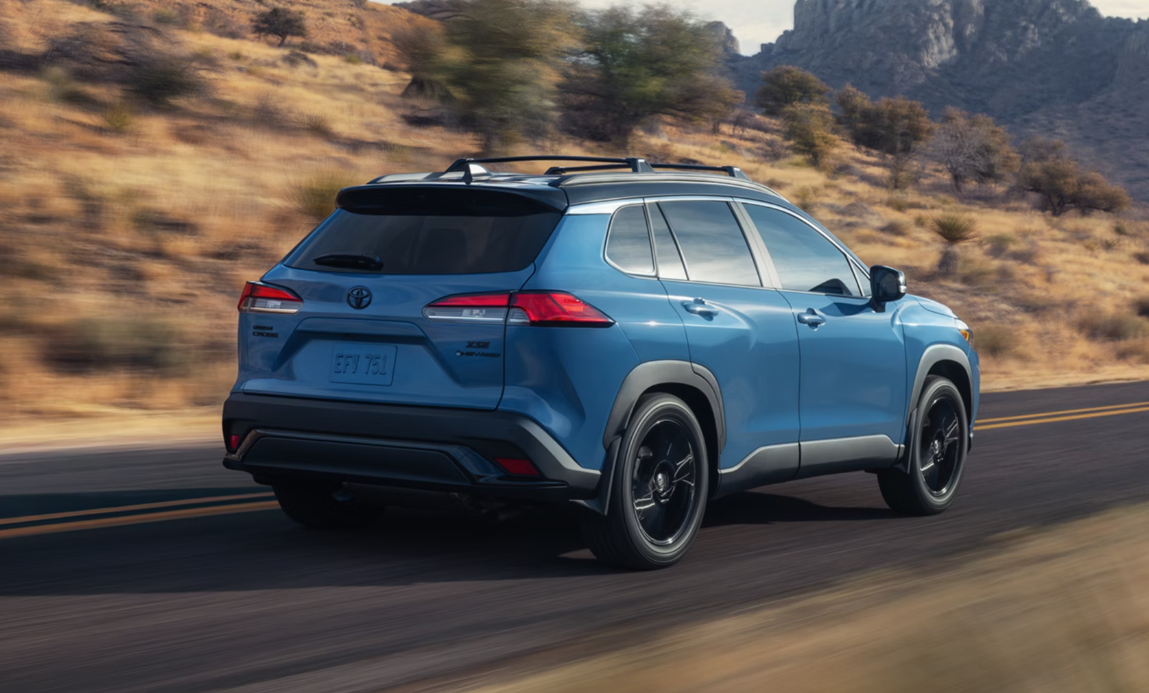
Toyota Corolla in Blue

Florida drivers have a range of vehicles to choose from for their business needs. Whether you run a small business, require space to transport equipment, or want a passenger-carrying champion, Keith Pierson Toyota has a car, van, or crossover to suit your needs. From a professional sedan for client appointments to commercial vans for gear storage, business owners in Duval County can prioritize their commercial needs when they shop with us. Toyota dealerships in Jacksonville, like ours, offer you the chance to test-drive your chosen vehicle before you commit to the purchase.

Understanding Your Business Vehicle Needs in Jacksonville

To help you choose the right vehicle, it's important to review your top business requirements. For example, if you run a delivery service, you may need a Toyota work van to transport packages. As a lawyer or business consultant, you'll visit multiple clients, so a professional-looking sedan may be your best option. For running a taxi service or another type of passenger transport business, one of Toyota's three-row SUVs would be ideal.

Top Toyota Models for Business Owners

Once you've identified your business's core needs, you'll find it easier to choose from the following Toyota commercial vehicles and personal cars available at our Toyota Duval dealership.

Toyota Camry

The Camry is a midsize sedan with a hybrid powertrain, offering great gas mileage on your business trips. Its 2.5L engine and electric motors generate 225 horsepower combined in front-wheel drive (FWD) or 232 horsepower combined with the available all-wheel drive (AWD). The most fuel-efficient trim levels have an EPA-estimated 49 mpg on the highway with AWD and 50 mpg in FWD. Inside the cabin, both rows of seats are adult-friendly with over 15 cubic feet of space for your things at the rear.

Toyota Corolla

The Toyota Corolla is a compact car with an affordable price tag. Its budget-friendly starting MSRP of $22,500 makes it an ideal choice if you're starting out with your business venture. The 2.0L engine produces 169 horsepower and has an EPA-estimated 41 mpg on the highway, impressive for a gas-powered car. Inside the cabin, adult passengers are comfortable in the front row. You can choose between a 13-cubic-foot trunk or the hatchback version with up to 18 cubic feet of space.

Toyota Sienna

This minivan is a wise choice if your business needs include both passenger and cargo carrying. It seats up to eight people across three rows, with adult-friendly dimensions in all rows and 33 cubic feet of storage at the rear. The Sienna runs on a hybrid powertrain, boosting its gas mileage, with the FWD achieving an EPA-estimated 36 mpg combined and producing 245 horsepower with its 2.5L engine.

Toyota Highlander

The Highlander SUV offers a bit more power, a solid towing capacity, and the ability to handle light off-roading. So, if your business demands hauling a trailer or heavier gear but not quite the performance you'd get with a truck, the Highlander is a good choice. You can accommodate up to eight passengers across three rows. The engine is a 2.4L turbocharged unit that generates 265 horsepower.

Toyota Tundra

For transporting heavy equipment or loads, you should check out Toyota's full-sized pickup, the Tundra. You can equip it with various cargo beds, including an extended 8-foot-long bed for extra space. Both cab options have two rows of seats. In the Double Cab, the second row has legroom comparable to a compact car, while the Crew Cab offers adult-friendly dimensions. The Tundra is powered by a 3.4L twin-turbocharged V-6 engine generating 389 horsepower or by the hybrid setup, available on select trims, which increases output to 437 horsepower.

Commercial Fleet Options

Toyota fleet vehicles from our Jacksonville dealership are a great choice if you want to secure competitive pricing when you purchase several vehicles for your growing business. You can rely on our professional service team to take care of all your fleet maintenance needs, whether you decide to purchase Toyota vehicles outright or take advantage of our leasing program. All Toyota commercial trucks and vans are equipped with a wide range of safety features to keep you and your employees protected on the road.

Financing Options for Your Business

At our Duval dealership, you can take advantage of various commercial financing options for your vehicle purchase. We work with a variety of national and local lenders to provide excellent auto financing to meet your needs. You can benefit from low-interest loans or flexible repayment plans. Alternatively, you may want to consider leasing your new fleet, which can reduce your ongoing monthly costs.

Find Your Perfect Business Vehicle at Keith Pierson Toyota

Have you found the perfect Toyota vehicle for your business needs? Perhaps you're still unsure. Don't hesitate to visit us at Keith Pierson Toyota near Jacksonville. We can advise you on the benefits of the Camry, Highlander, Tundra, and other vehicles across Toyota's SUV and truck lineup. Our finance professionals will be delighted to work with you to tailor a loan package that fits your business's budget. We're looking forward to helping you and your business achieve success in Florida.

Posted in:

Related Posts

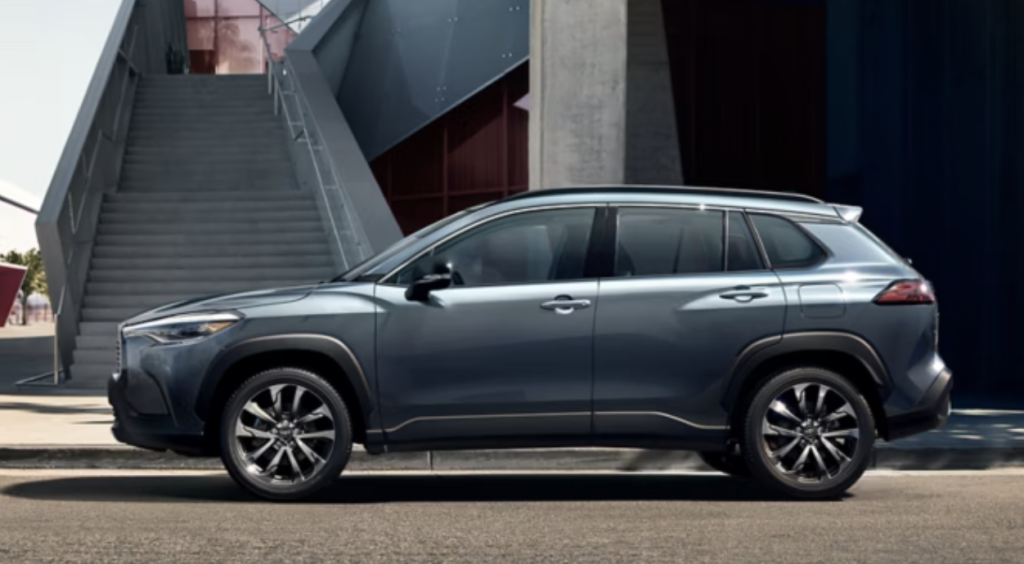
2025 Toyota Corolla Cross vs. Mazda CX-30: Which Subcompact SUV Is Right for You?

The Toyota Corolla Cross and Mazda CX-30 are two top contenders for car shoppers seeking a well-equipped compact SUV. While the CX-30 has an upscale cabin and a sporty vibe, the Corolla Cross offers more interior space and better fuel efficiency. Here's a closer look at how these two models compare. The Growing Popularity of Subcompact SUVs Compact SUVs continue to grow in popularity because of their versatility, efficiency, and maneuverability. This blend of practicality and reasonable pricing makes them attractive to a wide range of drivers. Why Compare the 2025 Toyota Corolla Cross vs. Mazda CX-30? It makes sense to compare the 2025 Toyota Corolla and Mazda CX-30 because they're in the same price range and both fit into the compact SUV market. What's New in the 2025 Models? The Toyota Corolla Cross carries over to the 2025 model year with only one update. A new Polymetal Gray paint color is now available. The Mazda CX-30 also had a carry-over year, with just an updated navigation system and expanded Alexa capabilities. Pricing and Trims Overview The 2025 Toyota Corolla Cross and Mazda CX-30 come in several trim levels. 2025 Toyota Corolla Cross Trims The trim level lineup for the 2025 Toyota Corolla Cross includes: L: Starting at $24,135 LE: Starting at $26,465 XLE: Starting at $29,660 Hybrid S: Starting at $28,495 Hybrid SE: Starting at $29,815 Hybrid Nightshade: Starting at $30,740 Hybrid XSE: Starting at $31,680 2025 Mazda CX-30 Trims The trim level lineup for the 2025 Mazda CX-30 includes: 2.5 S: Starts at $25,195 2.5 S Select Sport: Starts at $26,850 2.5 S Preferred: Starts at $29,140 2.5 S Carbon Edition: Starts at $30,140 2.5 S Premium: Starts at $32,340 2.5 Carbon Turbo: Starts at $33,140 2.5 Turbo Premium: Starts at $35,340 2.5 Turbo Premium Plus: Starts at $37,150 Engine Performance and Drivability The Corolla Cross makes driver and passenger comfort a priority, offering a smooth and comfortable ride. The CX-30 offers a sportier feel behind the wheel. Engine Specifications: Toyota Corolla Cross vs. Mazda CX-30 Under the hood of the gas-powered Toyota Corolla Cross, you'll find a 2.0-liter four-cylinder engine with 169 horsepower. It works with a continuously variable automatic transmission and comes with front-wheel drive. The hybrid models use the 2.0-liter four-cylinder engine with three electric motors. These combine to provide 196 horsepower, and all-wheel drive comes standard. The Mazda CX-30 comes equipped with a standard 2.5-liter four-cylinder engine producing 191 horsepower. It's paired with a six-speed automatic transmission and includes all-wheel drive. If you're seeking more power, an available turbo four-cylinder engine generates up to 250 horsepower. Fuel Economy and Efficiency If fuel efficiency is a priority for your driving needs, the Corolla Cross is the more efficient of these two SUVs. EPA Ratings and Real-World MPG for the Corolla Cross The Corolla Cross has an EPA rating of 31 mpg in the city and 33 mpg on the highway. Choosing the hybrid can increase these numbers to 45 mpg in the city and 38 mpg on the highway. Evaluating the CX-30's Fuel Efficiency The most efficient version of the CX-30 is the non-turbo engine. It can get up to 26 mpg in the city and 33 mpg on the highway. Interior, Comfort, and Space These small SUVs offer comfortable, well-equipped cabins with seating for up to five people. The Corolla Cross has a slightly larger cargo area. Passenger Comfort: Seating and Space Comparison The Corolla Cross has 38.3 inches of front seat headroom and 37.1 inches of rear seat headroom. The rear seat passengers enjoy 34.8 inches of legroom. Behind the rear seats, you'll have 21.5 cubic feet of cargo space. The CX-30 offers 38.1 inches of front headroom and 38.3 inches of rear headroom. The rear seat passengers have 36.3 inches of legroom. Behind the rear seats, the cargo area offers 20.2 inches of storage space. Technology and Infotainment Features Technology is becoming increasingly important for drivers. Both the Corolla Cross and CX-30 come well equipped with infotainment tech. Infotainment Systems: User Experience and Connectivity An 8-inch touch screen comes standard in the entry-level Corolla Cross. It works with wireless Apple CarPlay and Android Auto. A 7-inch digital gauge cluster is added in the XLE trim and above, and a 9-inch touchscreen is available. The Mazda CX-30 has an 8.8-inch infotainment display that's operated using a central command dial instead of a touch screen. Apple CarPlay and Android Auto come standard, along with a six-speaker audio system. To access wireless Apple CarPlay and Android Auto, you'll need to upgrade to the Premium trim, which also includes a wireless charging pad. Safety Features and Driver Assistance Whether you choose the Toyota or the Mazda, you'll have access to a full suite of advanced driver aids. Standard Safety Features Every Corolla Cross comes with Toyota Safety Sense 3.0. It includes: Lane tracing assist Proactive driving assist Dynamic radar cruise control Pre-collision system with pedestrian detection Road sign assist Automatic high-beam headlights Lane departure alert The XLE adds to this list with front and rear parking sensors and rear automatic braking, and you'll get a blind-spot monitoring system with rear cross-traffic alert with the LE and above. The Mazda CX-30 also has a comprehensive list of standard driver aids, including: Forward collision warning Automatic braking Lane-keep assist Adaptive cruise control Blind-spot warning with rear cross-traffic alert Ready to Find Your Next Compact SUV? Now that you have a better idea about how the 2025 Toyota Corolla Cross compares to the 2025 Mazda CX-30, visit Keith Pierson Toyota to take a closer look at the Corolla Cross. Schedule a test-drive to experience how it feels behind the wheel and explore its spacious, comfortable cabin. Our knowledgeable team is here to answer your questions about the Corolla Cross and to walk you through all its great features and equipment. Stop by our dealership in Jacksonville, Florida, or give us a call today.

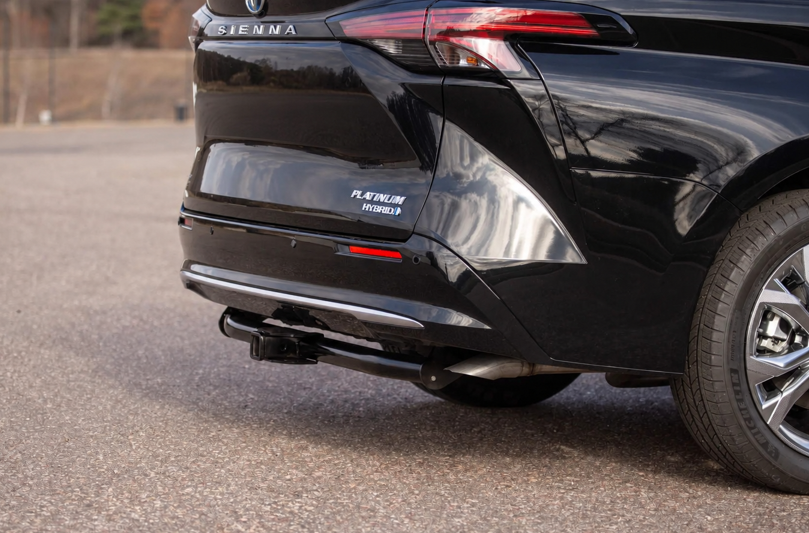
Toyota Sienna rear tow hitch accessory close-up

Toyota Sienna Tow Package and Accessories: What to Know Before Your Next Trip

Planning a camping trip to the springs near St. Augustine or hauling a boat down to a Jacksonville-area ramp? Before you hitch up, it helps to know that not every Toyota Sienna is factory-ready to tow. Tow readiness varies quite a bit by trim, and knowing those differences now can save you a headache later. Our team at Keith Pierson Toyota is happy to talk through which Sienna trim fits your towing needs. Understanding the 2026 Toyota Sienna Tow Package There's no single, universal tow package that applies across every Sienna trim. For the 2026 model year, Toyota builds one trim, the Woodland Edition, with a hitch and wiring already in place. Every other trim relies on accessories added after the fact, so the towing capacity you see advertised often assumes the right equipment is already installed, and that's not the case across the lineup. What's Standard on the Woodland Edition The Woodland Edition comes with a factory towing hitch receiver and wiring harness with a 4-pin connector, and the Sienna is rated to tow up to 3,500 lbs when properly equipped. It also includes standard AWD, which adds confidence when hauling a trailer on wet pavement or a boat ramp, plus 6.9 inches of ground clearance, six-tenths of an inch more than the 6.3 inches on other trims, useful for uneven terrain at a campsite or unpaved lot. Inside, the Woodland Edition seats seven, with SofTex-trimmed sport second-row captain's chairs with a super-long-slide feature for extra legroom. A standard 1500W inverter with two 120V AC outlets lets you run small equipment or charge gear without adding an inverter, and it's optional on most other trims. Black roof rails, 18-inch dark-finished alloy wheels, and a 12.3-inch Toyota Audio Multimedia system round out the package. The trim comes in Ice Cap, Cypress, Cement, or Midnight Black Metallic. Why Other Trims Need Dealer-Installed Accessories LE, XLE, XSE, Limited, and Platinum trims don't come with a hitch or trailer wiring from the factory. If you want to tow with one of these, you'll need to add the right components through a dealer. Toyota does not recommend towing without a properly installed hitch and wiring setup. Toyota Sienna Towing Accessories Explained For trims outside the Woodland Edition, towing capability comes together through a handful of separate accessories rather than one bundled kit. Knowing what each piece does makes it easier to have an informed conversation with a parts specialist. Trailer Hitch Receivers and Wiring Harnesses The core accessory is the Tow Hitch Converter Assembly, which provides the receiver where a ball mount attaches. Alongside it, a Towing Wire Harness, a 4-pin connector, powers the trailer's lighting so it communicates properly with traffic around you. Dual Port Covers protect any connectors that aren't in use, keeping moisture and debris out when you're not towing. Ball Mounts and Electrical Connectors The ball mount and trailer ball are sold separately from the hitch itself, so they need to be added to complete the setup. Getting the connectors matched correctly matters more than it might seem. Genuine Toyota wire harness installation is designed to preserve the vehicle's electrical system integrity, while some aftermarket wiring systems can compromise it over time. There's also a structural difference worth knowing about. Genuine Toyota hitch hardware uses up to 16 frame connection points, compared to fewer than 6 on many typical aftermarket hitches, and that spreads towing stress more evenly across the body structure. Genuine hitches also use a no-drill installation that preserves frame integrity, whereas aftermarket drilling can introduce rust or stress points over time. If you're sourcing accessories, our parts department can help match the right components to your specific Sienna trim. The Woodland Edition ships ready to tow, rated by Toyota up to 3,500 lbs, while LE, XLE, XSE, Limited, and Platinum trims need a Tow Hitch Converter Assembly, wiring harness, ball mount, and trailer ball added separately. Within that 3,500-lb ceiling, common loads include small utility trailers, pop-up campers, personal watercraft, and small boats, the kinds of things many Jacksonville-area families haul to nearby lakes or coastal launch points. Weight Considerations Before You Tow Weight limits aren't just a technicality. They affect how your Sienna performs with a trailer attached, including handling and braking, so none of the figures below should be estimated. Cargo and Passenger Weight Limits Total load capacity is the combined weight of passengers, cargo, added equipment, and trailer tongue weight your Sienna can carry. It's the difference between curb weight and the vehicle's gross vehicle weight rating, not curb weight plus payload. On the 2026 XSE specifically, curb weight (the vehicle's weight with standard equipment and no passengers or cargo) is 4,675 lbs, seating capacity is 7, and cargo volume runs 33.5 cu.ft. behind the third row, 75.2 cu.ft. behind the second row, and 101.0 cu.ft. behind the first row. Curb weights range from 4,610 lbs on the LE to 4,725 lbs on the Limited and Platinum, so figures for one trim shouldn't be assumed for others. For your specific Sienna, check the doorjamb sticker and the owner's manual for exact figures, since passenger count and optional equipment both affect available capacity. Gross trailer weight should never exceed 3,500 lbs, and your Sienna's specific 2WD GCWR (gross combined weight rating, meaning the total weight of the vehicle, passengers, cargo, and trailer combined) can be confirmed in your owner's manual or on your vehicle's certification label. Understanding Tongue Weight Tongue weight is the downward force the trailer's coupler places on the hitch. The Sienna's maximum tongue weight is 350 lbs, which is 10 percent of its 3,500-lb tow rating. Tow-savvy drivers often aim for 10 to 15 percent of total trailer weight, but that's a general guideline, and on a Sienna the 350-lb ceiling comes first: a 3,000-lb trailer loaded to 15 percent would put 450 lbs on the hitch, well past the limit. Remember that tongue weight counts against your payload, along with passengers and cargo. Since too little or too much tongue weight makes a trailer harder to control at speed, check the loaded tongue weight on a scale rather than estimating it. Preparing Your Sienna's Systems for Towing Getting your Sienna road-ready involves more than hooking up a trailer. A few system checks make a real difference in how the vehicle performs under load, especially on longer hauls. Cooling System and Speed Considerations Towing raises cooling demands on any vehicle, since the engine works harder to move additional weight. Your owner's manual includes guidance on managing engine heat while towing, so it's worth reviewing the section specific to your model year before a long trip, particularly if you're heading out in Florida's summer heat. Toyota also recommends a maximum towing speed of 65 mph on flat, dry, straight roads, and you should never exceed posted limits or your trailer's rated speed, since sway instability increases as speed climbs. Pre-Trip Checklist Tire pressure checked on both vehicle and trailer, matched to the trailer manufacturer's spec. Mirrors adjusted or upgraded for a clear view of the trailer and surrounding lanes. Total load weight confirmed against your Sienna's rated capacity. Planned towing speed kept at or below 65 mph on suitable roads. Our service team can walk through these checks with you if you'd rather have a professional set of eyes on the setup before a trip. Confirming Your Sienna's Towing Setup Even with the right accessories installed, it's worth double-checking everything before you head out, especially if you're towing near your Sienna's rated limit. Checking Your Owner's Manual and Trim Specifications Your owner's manual lists the towing specifications for your specific trim and model year, and it's the most reliable reference for your exact vehicle. Since figures like GCWR, tire inflation, and mirror requirements can shift between model years, always verify against your own printed manual rather than relying on general figures alone. Why Professional Verification Matters Factory option content can reduce a Sienna's towing capacity, so it's worth having a Toyota Parts Professional confirm your setup rather than assuming your configuration matches published figures. This matters whether you're researching Sienna towing capacity for the first time or you've towed with a previous Sienna and want to confirm this year's specs. Get Toyota-Compatible Towing Accessories at Keith Pierson Toyota If you're outfitting a Sienna for towing or just confirming what your current setup can handle, our team in Jacksonville is ready to help with genuine parts and proper installation. Genuine Parts, Properly Sourced Our parts department helps Jacksonville-area drivers find accessories that match their exact Sienna trim, whether it's a wiring harness, hitch receiver, or ball mount. Choosing Toyota Genuine Parts over generic aftermarket options helps protect your vehicle's frame and electrical system long term. Certified Installation You Can Trust Our technicians install towing accessories correctly the first time, which matters for both safety and long-term reliability. Rather than guessing at compatibility, our team confirms what your specific Sienna needs before any work begins. Schedule Your Visit We serve drivers throughout Jacksonville, Orange Park, Middleburg, Fleming Island, Jacksonville Beach, and surrounding North Florida communities. If you're planning a trip to a nearby lake or campground within an hour's drive, schedule a pre-trip inspection with us first. Reach our parts team at 866-706-4236, stop by 6501 Youngerman Circle in Jacksonville, or schedule towing setup service online, and we'll help make sure your Sienna is ready for the road ahead.

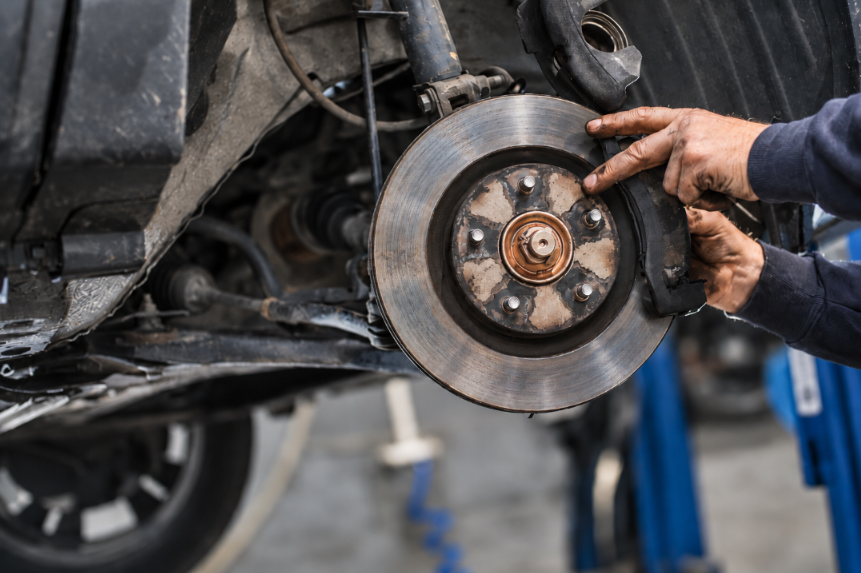
Technician inspecting brake rotor during vehicle service

Brake Rotor Cleaner: Essential for Maintaining Your Toyota's Brakes in Jacksonville

Jacksonville drivers deal with heavy rain, coastal humidity, and salt air that quietly work against a vehicle's braking system. Rotors and pads here collect dust and grime faster than they would in a drier climate, so small maintenance habits go a long way. Brake rotor cleaner plays a bigger role in that upkeep than many owners expect, and understanding how it works can help you recognize when your Toyota needs professional attention. If you notice anything unusual with your brakes, our Toyota brake service and repair team is ready to take a closer look. What Is Brake Rotor Cleaner and Why It Matters Brake rotor cleaner is a solvent-based product formulated to strip grease, oil, brake fluid, and built-up brake dust from rotors, calipers, pads, and drums. It's a specialized brake parts cleaner rather than a general-purpose degreaser, and mixing the two up can cause real problems down the line. The formula evaporates quickly and leaves no residue behind, keeping the pad-to-rotor contact surface clean for consistent stopping power. Most brake and rotor cleaner products are non-conductive, so they're generally safe to use around basic electrical connectors, but they can still damage sensitive sensors near the braking system, such as wheel speed sensors, so overspray should be kept away from those components. They are also not safe for plastic components. Overspray on plastic housings, trim, or wiring covers can soften or degrade the material over time, so careless application can create new problems while solving old ones. How Brake Cleaner Removes Dust, Grime, and Corrosion The solvent breaks down oils, grease, and stubborn residue first. Then the high-pressure spray physically dislodges debris from tight spots like caliper brackets and rotor vents, areas that are hard to reach with a rag or brush alone. Finally, rapid evaporation leaves the surface dry and residue-free, which is what proper pad-to-rotor contact requires. Brake dust isn't harmless. It's a mix of friction material and fine metal shavings, and that particulate can pose respiratory concerns if inhaled in significant amounts over time. Letting that buildup sit on rotors and calipers doesn't just create a housekeeping issue; it can measurably reduce braking effectiveness. Brake Rotor Cleaner vs. General Brake Cleaner Brake rotor cleaner and general brake system cleaning products often overlap, but rotor-specific formulas are tuned to handle the contaminants unique to rotors, pads, and calipers. Never substitute something like carb cleaner for a proper brake and rotor cleaner. Carb cleaner tends to leave a residue that interferes with braking friction and can cause pads to grab unevenly, the opposite of what you want from a cleaning product. Why Clean Brake Components Are Critical to Safe Stopping Clean rotors and pads aren't just about appearance. They directly affect how quickly and predictably your Toyota stops, especially in wet Jacksonville conditions where every bit of friction counts. Brake Dust, Road Grime, and Heat Exposure As brake dust and road grime accumulate, they create a layer between the pad and rotor that interferes with the friction needed for effective braking. Add in the heat generated during hard stops, and you get hot spots where the rotor's metal expands unevenly. That uneven expansion is a common source of vibration and noise, and over time it shortens the life of both pads and rotors. Moisture and Corrosion on Rotor Surfaces Steel and cast-iron rotors rust when exposed to rain, dew, or humidity, a near-daily reality across Jacksonville, Orange Park, Middleburg, Fleming Island, and Jacksonville Beach. A thin layer of surface rust is completely normal; it typically wipes away within the first few moments of driving as the pads scrub the surface clean. Problems start when a vehicle sits idle for extended periods, especially in coastal parking spots exposed to salt air. Prolonged inactivity allows pitting to form, and deep pits can lead to noise, vibration, and early wear that eventually turns into warping. If you notice heavier rust after a stretch of heavy rain or a long weekend of coastal parking, it's worth having the system checked before minor surface rust turns into something deeper. Never apply oils, waxes, sealants, or lubricants to a rotor's friction surface. Doing so compromises braking performance and often introduces the exact noise and vibration issues you were trying to avoid. Signs Your Toyota's Brakes Need Inspection or Service Your Toyota often gives early warning signs before a braking issue becomes serious. Knowing what to listen and feel for can help you get ahead of a problem. Brake Noise and Squealing A quick squeal after a rainy morning is normal, just surface rust getting cleared off by regular driving. Persistent squealing or grinding, especially at low speeds, tells a different story and usually points to worn pads or an uneven rotor surface. Abnormal, ongoing noise is one of the clearest signals that pads are wearing thin and need a professional look. Vibration or Pulsation When Braking A shudder felt through the steering wheel or throughout the car usually means the pads are grabbing unevenly against the rotor surface. Drivers often call this "warping," but technically it's thickness variation across the rotor. Vibration alone doesn't automatically confirm a warped rotor; there are several possible causes, which is exactly why a professional diagnosis beats guessing based on feel alone. Uneven Pad Wear and Reduced Stopping Performance When a rotor spins unevenly, the pads riding against it wear unevenly too, which compounds vibration issues over time. Heavy rust can also thin a rotor below its minimum thickness specification, reducing its ability to dissipate heat and handle repeated stops. If it's taking longer to stop than it used to, don't wait. Reduced stopping power is a safety issue, and getting your Toyota inspected as soon as possible is the right move. Why Brake Cleaner Should Be Used with Caution Brake rotor cleaner is a genuinely useful product, but it's also an industrial solvent that demands respect. Certain formulations, when exposed to high heat from welding, sparks, or a hot exhaust, can break down into phosgene gas. Manufacturer safety data sheets for these products typically flag them as extremely flammable and pressurized, so brake cleaner should never be sprayed near an open flame, running engine, or hot exhaust component. Those same SDS documents note that these products can be harmful or fatal if swallowed, pose an aspiration hazard, and can cause nervous system depression from prolonged vapor exposure. Anyone using brake cleaner should do so only for its intended purpose, in a well-ventilated space, wearing gloves and a mask. It's also worth knowing that the EPA has finalized rules restricting trichloroethylene and PCE in chlorinated brake cleaners due to their carcinogen classification, which has shifted many formulations toward non-chlorinated alternatives. Risks of Improper Use on Rotors and Pads Only products labeled safe for brake friction surfaces should ever touch pads or rotors. Using the wrong solvent, or applying the right one incorrectly, can damage sensitive sensors near the braking system (such as wheel speed sensors), degrade rubber seals, damage plastic components through overspray, or leave a residue that undermines braking performance rather than improving it. When in doubt about which product or method is appropriate for your vehicle, ask a trained technician instead of experimenting on your own. Why Rotor and Brake Diagnosis Belongs to Trained Technicians Cleaning a rotor is one thing. Diagnosing why it's rusted, pitted, or vibrating is a different task entirely, and it requires training, experience, and the right equipment. The Dangers of DIY Brake Disassembly An improperly installed pad can create uneven pressure across the rotor, leading to accelerated wear and a repair bill larger than if the job had been done correctly the first time. Incorrect reassembly or a missed underlying issue can lead to brake failure, endangering the driver and everyone else on the road. If you notice warping, pitting, or vibration, or you're simply unsure what's causing a symptom, the safest step is scheduling a professional inspection rather than attempting rotor work yourself. What a Professional Brake Inspection Covers A thorough inspection goes well beyond glancing at pad thickness. Technicians check calipers, brake hoses, slide pins, caliper boots, fluid condition, and pad carriers, and they measure whether a rotor can be resurfaced or needs replacement. Best practice is to have your braking system inspected roughly every six months, since problems with calipers or fluid often develop well before pads show obvious wear. Our ASE-certified technicians handle everything from routine inspections to more complex repairs, and if it's been a while since your last checkup, now's a good time to schedule brake service in Jacksonville. Call a professional rather than wait if you notice any of these: Deep pitting on the rotor surface that doesn't clear up with normal driving. Vibration or pulsation that suggests warping or thickness variation. Rotors measuring close to or below minimum thickness specifications. Noticeably reduced stopping power or longer stopping distances. Toyota Brake Pad and Rotor Service at Keith Pierson Toyota Our service team provides a full range of brake services for Toyota vehicles, using Genuine Toyota parts, pads, calipers, rotors, drums, and shoes included, all built to original equipment standards. That means the parts installed on your vehicle match what Toyota-designed rotors and components were engineered to work with, rather than a generic aftermarket substitute. We work on vehicles from across Jacksonville, Orange Park, Middleburg, Fleming Island, Jacksonville Beach, and the surrounding North Florida area, and our technicians understand how the region's humidity and coastal exposure affect brake components differently than drier inland climates. Schedule Your Brake Service in Jacksonville Today Brake maintenance isn't something to put off, especially in a climate where rust and humidity accelerate wear on rotors and hardware. Why Drivers Choose Us ASE-certified technicians who diagnose beyond just pad thickness Genuine Toyota parts built to original equipment standards Local expertise in how North Florida's coastal conditions affect brakes Ready to Book? If you've noticed noise, vibration, or reduced stopping power, don't wait for the problem to get worse. Schedule service with our team today, or contact us with any questions about what your Toyota's brakes may need.