


Spring arrives fast in Jacksonville, FL, and for Toyota owners, it means more than warmer mornings. It’s a narrow window between the wear of a mild but still punishing winter and the brutal heat season closing in right behind it. Jacksonville’s coastal humidity, salt air, early-arriving summer heat, and heavy spring rain create conditions that accelerate wear on nearly every system in your vehicle.
At Keith Pierson Toyota, we want to help you get ahead of all that. Schedule your spring service appointment before the summer rush, and we’ll make sure your Toyota is ready for everything Northeast Florida throws at it.
Why Spring Is the Most Important Time to Service Your Toyota in Jacksonville, FL
Jacksonville’s seasonal rhythm creates a narrow but critical window where smart maintenance decisions prevent expensive headaches. Your vehicle has quietly absorbed months of temperature swings, humidity spikes, and coastal air exposure. Summer heat and hurricane season approach simultaneously, putting fresh demands on systems that may already be worn. Skip this window, and you’re heading into the hottest, wettest months in Florida without a proper inspection.
What Florida’s Mild Winter Still Does to Your Vehicle
Many Jacksonville drivers assume that because winters here are relatively mild, their vehicles come through unscathed. That’s not quite right. Even without snow or hard freezes, Florida winters bring persistent humidity, day-to-night temperature swings, and stretches of wet roads that quietly wear on tires, brakes, and fluid systems. Moisture finds its way into brake lines. Pollen and debris start clogging filters as early as February. Battery charge cycles take a hit from cooler nights followed by warm afternoons.
The wear is subtle, but it’s real. A thorough spring inspection typically reveals more than drivers expect.
The Jacksonville Heat Threat: Critical Systems to Inspect Before Summer
Once summer settles in, Jacksonville temperatures regularly push into the mid-to-upper 90s, and the humidity compounds the strain. The systems most vulnerable to heat damage deserve attention now, before conditions get worse.
Battery Testing: Heat Kills Batteries Faster Than Cold Ever Could
Most people associate battery failure with cold weather. Heat is actually the bigger threat. High temperatures accelerate the chemical reactions inside a battery, causing faster internal degradation and fluid evaporation. In hot climates like Jacksonville, batteries typically last approximately three years, compared to five years or longer in cooler regions. A battery that was borderline last fall may not survive a Jacksonville summer.
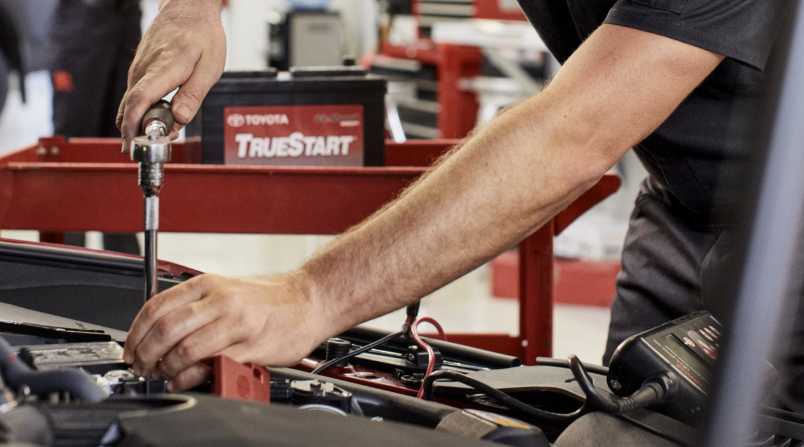
We load-test batteries as part of our spring inspection to determine actual remaining capacity, not just surface voltage. That’s something a home multimeter can’t accurately tell you. A weak battery caught during a routine visit beats discovering the problem on a 95-degree afternoon. Our service team can also pull your vehicle’s maintenance history to determine when the battery was last replaced and whether it’s approaching its expected end of life in this climate.
A/C Service: Schedule It Now Before the Summer Rush Begins
Jacksonville’s A/C system runs roughly 8 to 9 months per year. That kind of continuous operation in heat and humidity puts disproportionate strain on the compressor, refrigerant lines, and belts. A/C service becomes one of the most in-demand repairs from May through September, and wait times grow as temperatures climb. Booking an inspection in March or April puts you ahead of all that.
We check refrigerant levels, belts and hoses connected to the compressor, and overall cooling performance. Refrigerant level checks require professional equipment; this isn’t a DIY item. Handling A/C service now keeps repair costs lower and scheduling more flexible before peak demand hits.
Cooling System and Coolant Flush: Your Engine’s First Line of Defense
The coolant in your Toyota absorbs engine heat and disperses it through the radiator, keeping operating temperatures within a safe range. In Florida’s summer, that system works overtime. Coolant degrades over time, losing its ability to transfer heat efficiently and protect against internal corrosion.
We recommend cooling system checks every 24,000 miles for Jacksonville drivers, because heat-accelerated wear shortens the effective service interval. Toyota’s guidance calls for coolant changes every two years or 30,000 miles for silicate-based coolants, or up to five years or 100,000 miles for extended drain coolants, depending on the type used in your vehicle.
Pressure testing is also part of our process, since small leaks or weak hoses that hold under normal conditions can fail under summer heat load. Overheating is one of the most preventable causes of serious engine damage, and a spring cooling system inspection is the right time to address it.
Completing the Spring Safety Checklist: Tires, Brakes, and Filters
Beyond heat-sensitive systems, foundational safety components deserve review before summer. Tires, brakes, and filters tend to get overlooked until something obvious goes wrong, but proactive inspection is far cheaper than reactive repair.
Tire Pressure, Tread Depth, and Alignment After Winter Roads
Tire pressure fluctuates with temperature, and even mild winter conditions in Jacksonville can leave tires slightly underinflated heading into spring. Owners can check tire pressure at home with a gauge and top off as needed. It’s one of the easiest checks on the list. Florida’s asphalt heat in summer accelerates tire wear significantly, so checking tread and pressure in spring establishes a useful baseline before conditions worsen.
Tread depth can be verified with a gauge or the penny test. Alignment, though, requires professional equipment. Potholes, curb impacts, and general road wear all affect wheel alignment, causing uneven tire wear and reduced handling in wet conditions. We check alignment as part of a comprehensive spring inspection and can identify wear patterns that point to suspension issues before they become serious.
Brake Pads, Rotors, and Fluid Before Hurricane Season Driving
Hurricane season officially starts in June, but tropical moisture and heavy rain arrive in Jacksonville well before that. Wet roads demand brakes that respond quickly and predictably. We measure pad thickness, check rotors for warping or scoring, and test brake fluid for moisture contamination.
Brake fluid absorbs moisture over time, which lowers its boiling point and can cause brake fade under heavy use. Testing brake fluid condition accurately requires professional tools; this isn’t something owners can assess visually. Catching worn components in spring means having reliable brakes when driving conditions demand them most.
Air and Cabin Filters: Built for Jacksonville’s Year-Round Pollen and Humidity
Spring in Jacksonville brings some of the highest pollen counts in the country, and our pollen season doesn’t fully stop. Year-round humidity combined with persistent airborne allergens means both engine air filters and cabin air filters clog faster here than in drier climates.
A dirty engine air filter restricts airflow and forces the engine to work harder, reducing both performance and fuel efficiency. A clogged cabin filter pushes allergens, dust, and humidity directly into the passenger compartment, degrading air quality and making the A/C work harder to keep things comfortable.
Owners can do a basic visual check on the cabin filter by accessing the glove box panel, but replacement is best handled during a service visit so the condition of both filters can be assessed together. Replacing both in spring is quick and makes a noticeable difference in comfort and performance throughout the summer.
Spring Maintenance System Reference
| System | Jacksonville Risk | DIY Check | Professional Service Needed |
|---|---|---|---|
| Battery | Heat degrades cells faster; ~3-year lifespan | Visual check for corrosion | Load test, replacement |
| A/C | 8-9 months of continuous use strains compressor | None | Refrigerant level, belt/hose inspection |
| Cooling System | Heat shortens effective fluid life; 24k-mile interval | Visual check for leaks | Pressure test, coolant flush |
| Tires | Asphalt heat accelerates wear; pressure fluctuates | Pressure check, penny tread test | Alignment, rotation |
| Brakes | Wet season demands reliable stopping power | Visual pad check (if visible) | Fluid test, pad/rotor measurement |
| Air/Cabin Filters | Year-round pollen and humidity accelerate clogging | Basic visual on cabin filter | Replacement, engine filter inspection |
| Windshield Wipers/Fluids | UV and heat crack blades; heavy spring rain | Visual inspection for streaks/cracks | Blade replacement, fluid top-off |
Windshield Wipers and Fluids: Don’t Overlook Jacksonville’s Spring Rain Season
Jacksonville gets significant rainfall in spring, with afternoon storms building fast and dropping heavy precipitation with little warning. Wiper blades degrade from UV exposure and heat even when they’re not in regular use, so blades that looked acceptable in January may already be cracked or stiff by March.
Owners can do a visual inspection easily, but a blade that looks intact can still streak badly under actual rain conditions. Replacement takes minutes and costs very little compared to the safety risk of reduced visibility on a flooded highway. Windshield washer fluid is worth checking and topping off as well; that’s a straightforward DIY task.
How to Use Toyota’s Maintenance Minder to Time Your Spring Service Right
Toyota’s Maintenance Minder system removes the guesswork from scheduling. Rather than relying on mileage alone, it monitors actual driving conditions and engine operation to generate service reminders tailored to how the vehicle is used. That matters in Jacksonville, where stop-and-go traffic and high-temperature conditions accelerate wear faster than national averages suggest.
When the oil life percentage on your dashboard drops to 15%, the system displays a wrench icon, signaling that service is due soon. At 5%, the reminder becomes more urgent. A triangle with an exclamation point signals a separate maintenance item requiring attention independent of the oil life reading.
Code A indicates an oil and filter change. Code B calls for a more comprehensive visit that includes an oil and filter change, tire rotation, vehicle inspection, and fluid checks. Sub-codes refine this further: sub-code 1 means tire rotation is due; sub-code 2 indicates air filter and cabin filter inspection; sub-codes 3 through 7 correspond to other specific services, including transmission fluid, brake fluid, and spark plugs.
Checking your Maintenance Minder status in early spring and cross-referencing it with a full inspection lets us address everything at once, so nothing slips through before summer. Contact our service team if you have questions about what your current codes mean for your specific model.
The Lifetime Warranty Connection: Why Staying on Schedule Protects Your Investment
One of the standout advantages available to Keith Pierson Toyota customers is access to a lifetime warranty with unlimited miles. That coverage comes with a clear responsibility: staying current on your maintenance schedule. Documented, consistent service is what preserves warranty protection, and Jacksonville’s heat-accelerated wear cycle makes that consistency more important, not less.
Skipping oil changes, ignoring brake inspections, or delaying a coolant flush doesn’t just create mechanical risk. It can also jeopardize the warranty coverage that makes Toyota ownership so valuable long-term. Spring maintenance is a direct investment in both the long-term protection and the resale value that come with a clean, up-to-date service history.
A Stress-Free Spring Service Experience at Keith Pierson Toyota
Keith Pierson Toyota has been serving Jacksonville drivers as a family-owned dealership for over twenty years. Our Toyota-trained technicians handle everything from general inspections to complex diagnostics, using genuine Toyota parts built for your specific vehicle. The service department is open seven days a week, with weekday hours starting at 7:00 a.m. and Sunday service available from 9:00 a.m. to 4:00 p.m.
Complimentary shuttle service is available within a 10-mile radius, so you’re not stuck waiting while your vehicle is being worked on. The waiting area offers comfortable seating, Wi-Fi, and complimentary coffee. Whether you need an A/C inspection, a tire rotation, or a full spring safety check, the experience is built to be transparent and efficient from the first conversation to the final handoff.
Schedule Your Spring Toyota Maintenance in Jacksonville, FL Today
Why Now Is the Right Time
The window between winter and summer is short, and every week spent waiting is a week driving with systems that haven’t been properly checked. The battery that needs load testing, the A/C that needs service before the summer rush, the brakes that need fresh fluid before hurricane season rains arrive. These are specific, solvable problems that a spring inspection addresses directly, and they’re far easier to handle now than in mid-July.
Book Your Appointment
Schedule your spring service appointment online or call us at 888-597-3703. With everything your Toyota needs under one roof, a team that values long-term relationships, and service hours built around your schedule, there’s no good reason to wait. Get your Toyota ready for summer before summer is already here.
Connect with us


Recent Blog Entries
- How Much Can a Toyota Highlander Actually Tow? A Guide for Jacksonville Families
- Fall Festivals and Fun in Jacksonville: Your Guide to Local Autumn Events
- Fastest Toyota Cars: Performance and Thrills for Jacksonville Enthusiasts
- Toyota Corolla Safety Features: Protecting Jacksonville Families on the Road
- Toyota Tundra for Sale in Jacksonville, FL: Your Guide to Trims and Features