


2024 Toyota 4Runner: Towing Capacity and Specs

The Toyota 4Runner is a beloved versatile SUV, and the 2024 version of the model only aims to heighten its popularity. If you’re in the market for a new SUV, there are countless reasons why the 2024 4Runner should top your list. Learning about its specifications and features can help you to make an informed decision about which new car is the best for you and your driving habits.
Read the rest of this entry »What is the meaning and history of the Toyota logo?
Automobile logos are important symbols that represent a car manufacturer’s brand identity and values. You can learn a lot about a brand by looking at its automobile logo, as most brands use designs that capture their essence. You’ll recognize the most popular automobile logos, including the iconic Toyota logo. With a unique design and backstory, the Toyota logo signals that a car will have exceptional quality and performance, as well as cutting-edge upgrades. Let’s take a closer look at the meaning and history of the Toyota logo.
Read the rest of this entry »
Can you believe it’s almost time to say goodbye to 2023 and hello to 2024? If you’re still pondering how to ring in the New Year, worry no more. Jacksonville is buzzing with fabulous events that promise an unforgettable New Year’s Eve. From mesmerizing fireworks to elegant galas and even a peaceful meditation session, there’s something for everyone. So, let’s get to it and discover the top NYE events for welcoming 2024, all brought to you by Keith Pierson Toyota!
Read the rest of this entry »2024 Toyota RAV4: Tire Size, Towing Capacity, Etc.

If you’re in the market for a versatile SUV that can hold a lot of cargo and get good fuel economy, you’re in luck. The Toyota RAV4 may be just the SUV you’re looking for. It has convenient cargo configurations and achieves impressive miles per gallon. Learn more about what the brand-new Toyota RAV4 has to offer, so you can better understand its overall value before making a purchase.
Read the rest of this entry »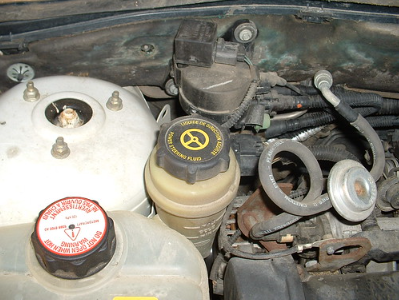
- Power steering helps reduce steering effort by using hydraulic or electric assistance.
- Checking power steering fluid regularly can help prevent hard steering and system damage.
- Common warning signs include noise, leaks, low fluid, pump trouble, and unusual steering wheel movement.
The advent of automobiles in the early days meant that drivers had to rely heavily on their physical strength to maneuver their vehicles, especially when it came to parking. However, the invention of power steering revolutionized the driving experience. Nowadays, most cars are equipped with this system, with the exception of certain electric and hybrid models.
By utilizing either hydraulic or electric power, drivers can effortlessly turn the steering wheel, transforming once-challenging maneuvers into seamless and effortless experiences. To grasp the mechanics behind this remarkable advancement in automotive technology and how to maintain it, let’s delve deeper into the inner workings of power steering systems.
Introduction to Power Steering
The first power steering system installed in a production vehicle made its debut in the 1951 Chrysler Imperial, signaling a major leap forward in automotive technology. This ground-breaking system didn’t merely facilitate easier control over heavy vehicles; it also laid the groundwork for improvements in steering responsiveness.
Prior to this, executing tight turns or parking maneuvers were arduous tasks demanding multiple wheel rotations, a result of slow gearing that allowed drivers to manage the considerable effort required to steer. With the advent of power steering, however, these systems were refined, enabling a faster steering ratio.
How Power Steering Works
Power steering operates on a similar principle to the brake system, functioning as a hydraulic system. It’s more accurately referred to as power-assisted steering owing to the mechanical link between the steering wheel and the wheels of your vehicle.
The car’s engine delivers power to pump steering fluid from the reservoir to the rack and pinion via a belt and pulley. As you turn the steering wheel, the hydraulic fluid, also known as power steering fluid, is directed through a piston that provides additional force to move the vehicle in the intended direction. Once you straighten the steering wheel, the valve closes to stop the flow of fluid, causing the piston to retreat.
Types of Power Steering Systems
Power steering systems mainly fall into three categories: hydraulic, electric, and electrohydraulic.
- Hydraulic: A hydraulic power steering system connects directly to the steering rack and relies on an engine-driven belt pump to pressurize the power steering fluid.
- Electric: Electric power steering systems simplify design and reduce weight by removing the need for components such as a pump, pulley, belt, hoses, or power steering fluid. Instead, an electric motor connected to the steering rack or column provides the necessary steering assistance.
- Electrohydraulic: This hybrid system combines the features of both electric and hydraulic systems. It commonly utilizes electric pumps to pressurize the hydraulic fluid rather than engine-driven pumps, with some even capable of turning off the electric pump when not in use to save energy.
The Importance of Power Steering Fluid
Power steering fluid plays a crucial role in maintaining the proper function of the system. It acts as a lubricant for all the moving parts and helps dissipate heat generated by the pump. Without enough fluid, the system can malfunction, causing difficulty in turning or even complete failure. Regularly checking and maintaining the fluid level is essential to ensure a smooth and efficient driving experience.
Step-by-Step Guide To Checking Power Steering Fluid
To check your power steering fluid, you’ll need a clean rag, a pair of gloves, and some power steering fluid. Here are the steps to follow:
- Park your car on a flat surface and let the engine cool down for a few minutes.
- Open the hood of your car and locate the power steering fluid reservoir, which is usually near the front of the engine and has a cap labeled “Power Steering.”
- Wipe off any dirt or debris from the cap before opening it to prevent contamination.
- Using the rag, wipe the dipstick attached to the underside of the cap to clean it.
- Inspect the color of the power steering fluid. Good power steering fluid should have a pinkish, amber, or clear hue.
- Reinsert the dipstick into the reservoir and pull it out again to check the fluid level against the markings on the dipstick.
- If the level is below or near the “add” line, add more fluid until it reaches the “full” line.
- Put back the cap tightly and wipe off any spilled fluid with a rag.
Common Power Steering Issues
Power steering, like any mechanical system, can encounter issues over time. Here are a few common problems:
- Noise: A whining or groaning sound when turning the steering wheel could indicate a problem with your power steering system.
- Fluid leaks: If you notice an amber, pink, red, or even clear puddle under your car, this could be a sign of a power steering fluid leak.
- Low power steering fluid: If you notice difficulty in turning or a steering wheel that feels too loose, it could be due to low power steering fluid.
- Pump failure: An excessively noisy or rough steering wheel, especially when turning at low speeds, could indicate a problem with the power steering pump.
- Unusual steering wheel movements: A shaking or vibrating steering wheel could be an indication of a failing power steering system.
Maintaining Power Steering System
Maintaining your power steering system is crucial to ensure its longevity and optimal performance. One key aspect of this is regularly changing the power steering fluid. The frequency of fluid change depends on the type of fluid used and the volume of fluid in the system. The best approach is to adhere to the guidelines provided by the original equipment manufacturer. Generally, it’s recommended to replace the power steering fluid at least every two to three years or after every 50,000 to 75,000 miles, whichever comes first.
In addition to regular fluid changes, it’s essential to address any issues with the power steering system immediately. Ignoring problems can lead to more significant and costly repairs in the future. If you’re unsure about how to maintain your power steering system, it’s always best to seek professional assistance. A trained mechanic can inspect the components of your system and advise on necessary maintenance or repairs.
Need Professional Help? Visit Keith Pierson Toyota
The thought of flushing your power steering system may seem daunting, or maybe you’re concerned about the cleanup. No need to worry. At Keith Pierson Toyota in Jacksonville, Florida, we have a team of professional mechanics with expertise in power steering systems. From fluid replacement to addressing critical issues, we’re equipped to ensure your vehicle’s power steering system is maintained at its best. Feel free to contact us or visit our service center to schedule a service today.
power steering 3 by schwartz.mark is licensed with CC BY 2.0 DEED
Frequently Asked Questions
How does power steering help when driving?
Power steering reduces the physical effort needed to turn the wheel by using hydraulic or electric assistance, making parking and low-speed maneuvering much easier.
What color should healthy power steering fluid be?
Good power steering fluid should typically appear pinkish, amber, or clear when you inspect it on the dipstick.
What are common signs of a power steering problem?
Common warning signs include whining or groaning noises, fluid leaks, hard steering, a loose-feeling wheel, pump-related roughness, or shaking and vibration in the steering wheel.
2024 Toyota 4Runner vs Jeep Grand Cherokee

Old school or new? Body-on-frame or unibody platform? Modern tech features or more conventional ones? Off-road performance, smooth on-road handling, or both? These are some of the many questions that spring up in the minds of prospective buyers in pursuit of the perfect midsize SUV. Among the plethora of options, two models have carved out a niche for themselves — the 2024 Jeep Grand Cherokee and the 2024 Toyota 4Runner. Both are a cut above the typical crossover, offering an irresistible fusion of on-road comfort and off-road prowess.
Read the rest of this entry »
Ah, Jacksonville, Florida—a vibrant city known for its beautiful beaches, rich history, and an abundance of free activities that’ll make your stay unforgettable. Whether you’re a proud resident or just passing through, there’s no shortage of exciting things to do here without spending a dime. From scenic parks to captivating cultural experiences, we’re about to dive into the best free activities Jacksonville has to offer. So, let’s get ready to explore the Sunshine State’s hidden treasures!
Read the rest of this entry »2024 Toyota Tundra Review, Pricing, and Specs

Offering unparalleled durability, reliability, capability, and exceptional resale value, it’s no surprise that the legendary Toyota Tundra stands out as one of the finest half-ton pickups on the market. The 2024 model has upped the ante with the addition of its signature Nightshade package, injecting a burst of boldness into the timeless Tundra design. To complement this, the Platinum trim now offers the TRD Off-Road Package as a factory-installed option, further enhancing the off-roading capability of the Tundra.
Read the rest of this entry »2024 Toyota Camry vs. 2024 Honda Accord

If you’re looking for a car you can depend on, you’re likely considering the 2024 Toyota Camry or 2024 Honda Accord. These are perennial favorites thanks to their comfortable, competent designs. Toyota continues to impress with its midsize family sedan, so if you’re in the market for a Camry to drive in and around Jacksonville, Florida, you can count on Toyota’s high standards and forward-thinking in your next vehicle. Purchase your Toyota at Keith Pierson Toyota to enjoy our high standards.
Read the rest of this entry »What You Need to Know About Radiator Fluid
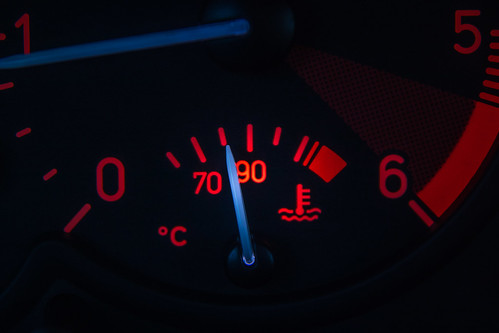
- Radiator fluid helps regulate engine temperature and protects cooling-system components from corrosion.
- Toyota coolant comes in several formulations, so the correct choice depends on your specific model and engine.
- Regular coolant checks and service can help prevent overheating, component wear, and costly repairs.
Diesel, gasoline, hybrid, and electric-powered cars naturally create heat. Your vehicle’s engine cannot handle all of this heat and needs to cool to continue running optimally. Radiator fluid, also called antifreeze or coolant, manages the heat your car’s engine generates. Without it, the engine would overheat and eventually fail.
Toyota acknowledges the vital importance of engine cooling in its vehicles and has painstakingly developed a specialized radiator fluid for its entire vehicle range. This specially formulated fluid guarantees optimal performance and efficiency, safeguarding the longevity and reliability of Toyota vehicles. Our Keith Pierson Toyota team in Jacksonville, Florida, shares more about radiator fluid and its importance in this article. You can trust us for unparalleled service and maintenance to keep your Toyota performing at its peak.
Read the rest of this entry »Connect with us


