


2024 Toyota Camry Color Options

If you’re in the market for a midsize sedan, the 2024 Toyota Camry is definitely worth your consideration. Besides being a pleasure to drive, highly fuel-efficient, and extremely comfortable and well-equipped, the iconic sedan also looks amazing with its sleek, sophisticated styling and eye-catching paint colors. It comes with a wide variety of color options to suit different tastes. Let’s take a look at the color options and other features of the 2024 Toyota Camry.
Read the rest of this entry »Toyota Key Fob Tricks You May Not Know
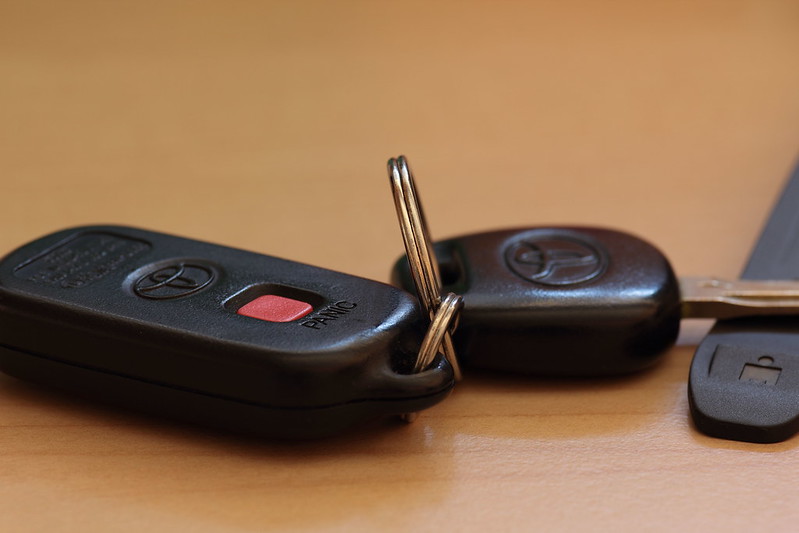
- Some Toyota key fobs may be able to roll all four windows down or activate a power-saving mode.
- Most Toyota key fob battery issues can be resolved by opening the fob carefully and replacing the battery.
- Keith Pierson Toyota can help with battery replacement, programming, and genuine replacement key fobs.
Your Toyota’s key fob is a useful device that allows you to easily perform functions such as locking and unlocking the doors and trunk of your car. If you own a newer model, you may also have the Toyota Smart Key system that facilitates keyless entry. Besides these common functions, your key fob can do some other things that you may not be aware of. Check out this helpful guide to make the most of your Toyota key fob.
What Are Some of the Lesser-Known Uses of a Toyota Key Fob?
The features available on Toyota key fobs may vary from one model to another. So you may or may not be able to use all the tricks listed below, but there’s no harm in giving them a try. Let’s take a look at some of the hidden features of your Toyota key fob.
Rolling All Four Windows Up and Down
If you own a Toyota Prius from 2016 onwards, you can use your key fob to unroll all your windows at once. This trick is especially handy when you want to let hot air out of the cabin on a scorching summer day. All you need to do is press and hold the unlock button, and you’ll see all four windows roll down simultaneously. When you’re ready to park your vehicle in a shady spot, simply press and hold the lock button to roll them right back up again.
Activating Power Saving Mode
Does your Toyota have the push-button start function? If it does, you may be able to put your key fob in power saving mode. Once this mode is activated, your key fob can’t send or receive radio waves, which ensures that its battery will last longer. This is a great trick to use when you don’t plan on driving your vehicle for days or weeks, such as when you’re busy working at home or going on a vacation. It can also help prevent thieves from stealing your car when it’s parked outside.
You can activate power saving mode on your Toyota key fob by pressing and holding the lock button until you see a red light flash once. Continue holding the lock button and press the unlock button twice, which will cause the light to flash three times. This means that your key fob has entered into power saving mode. If you want to turn off this so-called sleep mode, simply press any button to cancel.
Note that this Toyota key fob trick is unavailable on some Smart Key-equipped models. Check your owners manual to find out if it works on your vehicle.
How To Replace Your Key Fob Battery
If you find that your Toyota key fob isn’t working as it should, the culprit is more often than not a dead battery. Fortunately, it isn’t difficult to replace your key fob battery. Here’s how to do it.
Opening the Key Fob
Opening the key fob can be tricky, as you may break it if you aren’t careful. However, there’s a simple and safe way to do this. If you’re driving a newer Toyota vehicle, your key fob has a built-in metal key that can be inserted into a slot meant for opening the case. To gain access to this key, check the bottom of the fob for a small button and press it. This will release the key, which you can use to open the fob and replace the battery.
Older Toyota key fobs open differently. You’ll have to insert a thin tool, such as a paperclip, penny, or flat-head screwdriver, into the notch at the bottom of the fob. Then, turn the tool until the case pops open.
Replacing the Battery
Before you replace your key fob battery, make sure you know what type of battery you need to purchase. For most Toyota models, the key fob uses a CR2032 battery, which is readily available at big-box department stores or electronics stores. However, to be safe, it’s best that you get your replacement key fob battery from the service center of your local Toyota dealership. The factory-certified technicians at a dealership know what type of battery is compatible with your specific key fob, and they can also help you with the battery replacement.
If you prefer to take matters into your own hands, you’ll need one of the aforementioned flat tools to replace your Toyota key fob battery. After you’ve opened the key fob, you’ll see an electronic piece that can be easily removed. Place the fob on its back, and use the tool to remove the old battery from its slot. Then, install the new battery to complete the process.
Programming the Key Fob
Before you head back on the road, you need to take one additional step, which is programming your Toyota key fob. Doing this ensures that your fob is synced with your vehicle so that it will function as it should the next time you use it. Follow these steps to properly program your key fob:
- Get in your Toyota and close all the doors.
- Insert your car key into the ignition and turn it from “off” to “on.”
- Within five seconds, turn the key to the “off” position.
- Take the key out of the ignition.
- Open and close the driver-side door two times within 40 seconds.
- Insert your key into the ignition and then remove it.
If you manage to do everything within 40 seconds, your door locks will engage to indicate that you’ve successfully programmed your Toyota key fob.
Get Help With Your Toyota Key Fob From Keith Pierson Toyota
If you own a Toyota vehicle in Jacksonville, Florida, and need help with your key fob, get in touch with the knowledgeable and helpful team at Keith Pierson Toyota. Whether you want to learn how to use certain key fob functions or replace your key fob battery, we’re happy to provide you with any information or assistance you need. If you’ve lost your key fob, you can get an original equipment manufacturer replacement that matches your Toyota model from our well-stocked parts center. Contact us today to get the best Toyota key fob services in the Jacksonville area.
Keys by John Loo is licensed with CC BY 2.0
Frequently Asked Questions
Can a Toyota key fob roll the windows down?
Some Toyota models may allow you to roll all four windows down by pressing and holding the unlock button. Availability can vary by model and model year, so it’s best to test the feature carefully or check your owner’s manual.
What battery does a Toyota key fob usually use?
For many Toyota models, the key fob uses a CR2032 battery. If you want to be certain you have the correct replacement for your specific vehicle, the service center at Keith Pierson Toyota can help.
What should I do if my Toyota key fob still does not work after a battery replacement?
If your key fob still is not working, it may need to be reprogrammed or inspected for damage. You can reach out to Keith Pierson Toyota for help with programming, battery replacement, or getting the right replacement fob.
2024 Toyota Sequoia vs. 2024 Chevy Tahoe

If you plan to purchase a three-row full-size SUV soon, you probably have the 2024 Toyota Sequoia and 2024 Chevrolet Tahoe on your shortlist. These two SUVs can be difficult to choose between, as they both excel in almost every department, from performance to comfort. However, if you take a closer look at their specifications and features, you should be able to determine which one is a better fit for you. In this head-to-head comparison, find out how the Toyota Sequoia stacks up against the Chevrolet Tahoe.
EV Charging Stations in Jacksonville, FL

f you live in Jacksonville, Florida, or are just visiting, you’ll find electric car charging stations in parking garages and nearby attractions, hotels, and shopping outlets. The city of Jacksonville offers 197 public charging station ports (Level 2 and Level 3) within about 15 miles. While some are free, some are run by companies that charge a membership fee for free or deeply discounted charging at all their stations. Take a look at this list of electric charging stations in Jacksonville and other useful information.
Read the rest of this entry »Toyota Tacoma Oil Change Guide
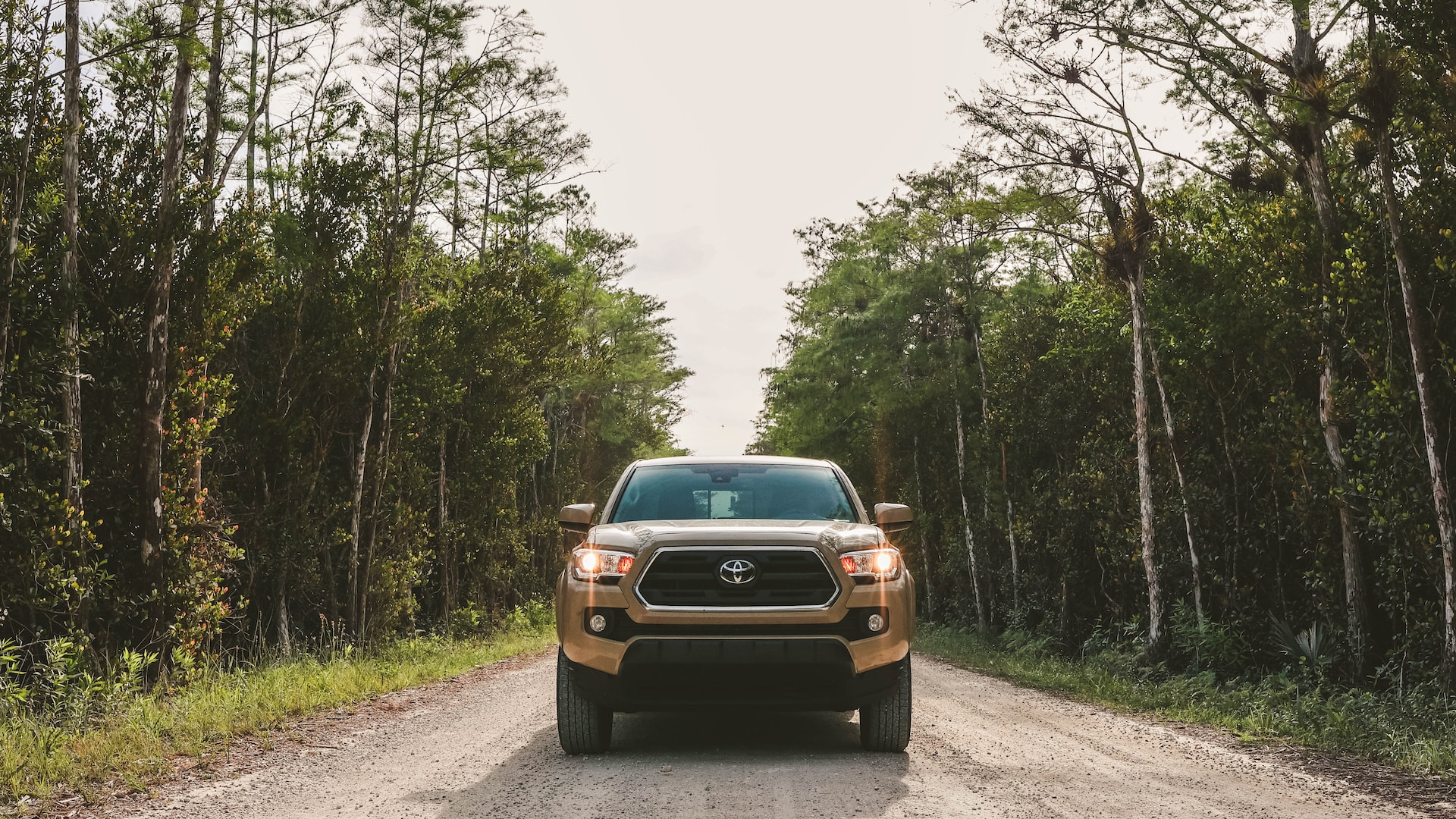
The Toyota Tacoma stands as a symbol of dependability, allowing you to conquer challenging terrains and embrace countless adventures. An important way for you to unlock its full potential lies in vehicle maintenance. Regular service and oil changes are essential to keep your Tacoma running smoothly.
Read the rest of this entry »Can I Buy a Car With Bad Credit?
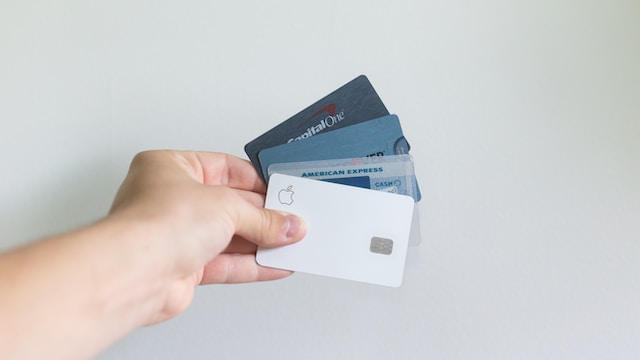
It’s possible to buy a car even if you have bad credit. However, it’s important to understand how your credit score can impact your financing options. Credit agencies use an algorithm that considers your debt, income, available credit, and payment history to calculate your credit score. Higher scores indicate a lower risk to lenders, while lower scores indicate a higher risk.
So a low credit score won’t prevent you from securing a loan. However, banks may impose higher interest rates and offer smaller loan amounts due to the increased risk. Even with the credit scores and common practices associated with issuing loans, no standard exists that the industry must follow. This means that each lender has its own policies, which may result in approval by one lender and denial by another.
Read the rest of this entry »What to Look for When Buying a Used Toyota

Are you thinking about buying a used car in Jacksonville, Florida? At Keith Pierson Toyota, we understand that purchasing a pre-owned vehicle can be an exciting and budget-friendly option. However, it’s best to approach the process with caution and ensure you make a wise investment. Let’s take a look at some valuable tips and insights on what to look out for when buying a used car and important factors to consider during your purchase.
Read the rest of this entry »2023 Toyota Hybrid Lineup: Camry, RAV4, and More

Hybrids were once a curiosity, with many wondering if they would be reliable or even safe. But today, hybrids are widely accepted as a bridge between conventional and fully electric vehicles. Hybrid cars offer the best of both worlds, combining an internal combustion engine with battery-powered electric motors. They’re designed to operate more efficiently than traditional gasoline vehicles, save on fuel costs, and reduce overall emissions.
Toyota has been an innovator in the hybrid car segment, with over 20 years of experience in mass production. Its 2023 hybrid lineup is a testament to its commitment to the technology and future of mobility. Toyota has something for everyone, from the dependable Corolla Hybrid to the power-packed Prius Prime Hybrid. Whether you’re on the prowl for a small hatchback for your daily commute or an SUV to take the family on weekend road trips around Jacksonville, Toyota’s 2023 lineup has you covered.
Let’s take a closer look at Toyota’s 2023 hybrid lineup and all the features that make each model unique.
Read the rest of this entry »Highlander Transmission Fluid Change Guide
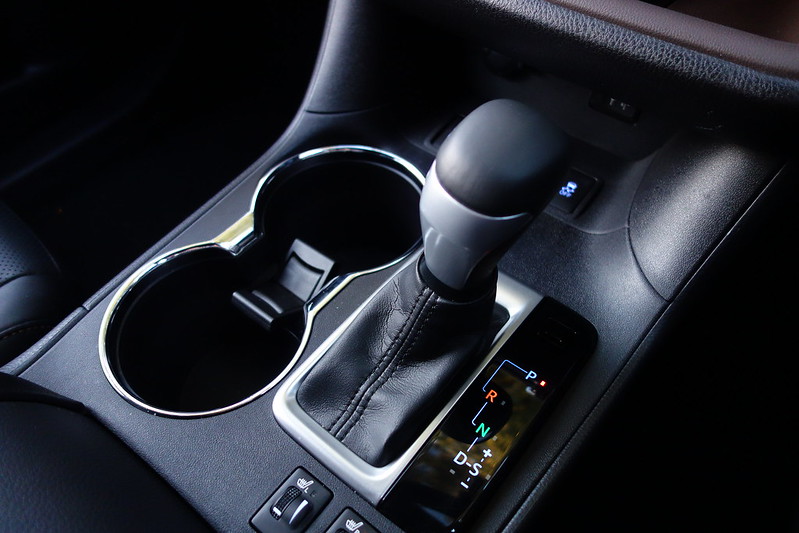
- Checking your Toyota Highlander’s transmission fluid is a straightforward process when you follow the correct steps and inspect both condition and level.
- Transmission fluid should generally be changed around every 30,000 miles or every two years, though severe driving conditions may require shorter intervals.
- Warning signs such as grinding noises, slipping gears, difficult shifting, and unexpected surging can point to contaminated or low transmission fluid.
The transmission is an integral part of your Highlander, transferring power from the engine to the wheels as you drive. It’s responsible for converting the right amount of power to achieve the desired speed, so even a minor problem in the transmission can significantly affect your vehicle’s performance. Getting your Highlander’s transmission checked and serviced regularly is essential to stay on top of any potential issues. With proper maintenance, you can expect your Highlander to have fewer transmission problems over its life span.
Keeping the transmission fluid clean and topped up is one of the most important aspects of maintaining your Highlander’s transmission. The transmission fluid lubricates and cools the transmission’s internal components. Without it, the transmission can’t function properly. Over time, dirt and debris contaminate the fluid, and you’ll need to replace it to prevent potential transmission damage. Fortunately, changing the transmission fluid on your Highlander is relatively straightforward.
Read below as our team at Keith Pierson Toyota in Jacksonville, Florida, shares this informative guide with all the information you need to successfully replace your Highlander’s transmission fluid and keep your vehicle running smoothly.
How Do You Check Transmission Fluid in a Toyota Highlander?
Checking the automatic transmission fluid on your Toyota Highlander is an easy process. Follow the steps below:
- Park the vehicle: Ensure it’s on a level surface, engage the parking brake, start the engine, and let it run for a few minutes to warm up.
- Locate the transmission fluid dipstick: If you’re having trouble locating it, consult the owner’s manual. It’s typically on the right side of the oil dipstick.
- Pull out the dipstick: Wipe it clean with a piece of cloth, then reinsert it. Remember to keep the engine running and the car in Park with the parking brake engaged.
- Check the fluid: Smear a bit between your finger and thumb to test its consistency; it should be bright red, transparent, free of particles, and smooth. You’ll need to schedule a complete fluid change if you notice any abnormalities.
- Clean, reinsert, and remove the dipstick again: This time, check the fluid level. Ensure it reaches the “Full” line on the dipstick, or add more fluid.
How Do You Change Transmission Fluid in a Toyota Highlander?
Changing the transmission fluid involves more than checking it, but it’s still doable. Generally, having a certified technician change it is best. But if you prefer doing it yourself, follow these steps:
- Park your Highlander on a level surface with the parking brake engaged.
- Elevate the car using ramps or jack stands to safely raise the vehicle to give you access to the transmission pan.
- Locate and remove the transmission oil pan to drain the fluid. Place a drain pan underneath it to catch all the drained fluid.
- Replace the filter and reinstall the pan using a new gasket, securing all bolts tightly.
- Refill the transmission with new fluid using a funnel to avoid spills. Ensure you’re using your Highlander’s correct transmission fluid type, which you’ll find in the owner’s manual.
- Replace the transmission dipstick into its hole and check that it registers correctly on the gauge.
- Recheck your work and ensure you’ve tightened all screws properly before starting your vehicle.
- Lower the car and start the engine to check for leaks around the oil pan.
How Often Should I Change My Highlander’s Transmission Fluid?
Maintaining the health of your car’s transmission is essential to ensure your vehicle runs smoothly. While knowing when to do a transmission fluid change may seem overwhelming, it’s quite simple.
The recommended change interval for your Highlander’s transmission fluid is usually around 30,000 miles or every two years, whichever comes first. Shorter intervals may be necessary if you drive in more demanding conditions, such as regularly towing heavy trailers or dealing with the frequent stop-and-go traffic in Jacksonville. Refer to the owner’s manual for specific recommendations, which can vary depending on your vehicle’s model year.
How Do You Know When To Change Your Highlander’s Transmission Fluid?
While regular maintenance is essential, a few warning signs indicate you may need to change your Highlander’s transmission fluid sooner than expected, including the following:
- Unusual noises coming from the transmission (e.g., whining, grinding): When driving your vehicle, if you notice your transmission grinding or making strange noises, stop immediately and check the transmission fluid level while the engine is still running. Your vehicle most likely requires a transmission flush if the transmission fluid level is normal.
- Slipping gears: If you experience gear slippage when accelerating or shifting, it could be because of a lack of transmission fluid or the presence of dirt and grease. Either way, you’ll need to change the transmission fluid to get your vehicle back up and running at full performance.
- Difficult shifting: If your car takes too long to shift between gears, it could indicate a dirty transmission filter, which can cause your vehicle to respond slowly and result in jerky, rough shifting. Changing the transmission fluid and filter is the best remedy.
- Unexpected surging: Dirt and contaminants in your vehicle’s transmission can lead to an inconsistent flow of clean transmission fluid, causing the unexplainable surging of your vehicle. It may jump or surge forward and fall backward for no good reason, which is a clear sign it’s time to change the transmission fluid.
Schedule Your Transmission Fluid Change at Keith Pierson Toyota
Although you can change your Toyota Highlander’s transmission fluid yourself, taking it to a certified technician at Keith Pierson Toyota is the best way to ensure your vehicle receives the proper care and attention it requires. Our experienced technicians can accurately assess the transmission fluid’s condition and recommend a course of action. And if you’re due for an upgrade, we offer a wide selection of quality pre-owned and new Highlander models. Contact us today to book a service appointment to keep your Highlander’s transmission fluid running at its best.
Toyota Highlander GXL by Ilam Toyota is licensed with CC BY 2.0
Frequently Asked Questions
How do you check transmission fluid in a Toyota Highlander?
Park on a level surface, warm up the engine, locate the dipstick, wipe and reinsert it, then inspect both the fluid’s condition and the level against the “Full” line.
How often should Highlander transmission fluid be changed?
This guide recommends changing your Highlander’s transmission fluid about every 30,000 miles or every two years, though severe driving conditions can shorten that interval.
What are signs your Highlander may need a transmission fluid change?
Common warning signs include grinding or whining noises, slipping gears, difficult shifting, and unexpected surging while driving.

Summers in Jacksonville, Florida, usually involve days enjoying the sand and surf at Jacksonville Beach, rocking out at Beachella Music & Arts Fair, and watching the Independence Day fireworks downtown. But why not do things a little differently this year? These unique summer activities are perfect for shaking things up.
Read the rest of this entry »Connect with us


Recent Blog Entries
- Toyota Tundra for Sale in Jacksonville, FL: Your Guide to Trims and Features
- Bands from Jacksonville, FL: A Soundtrack for Your Next Toyota Road Trip
- 2026 Toyota Camry vs. 2026 Honda Accord: The Midsize Sedan Showdown in Jacksonville
- Top 5 Free Things To Do in Jacksonville This Summer: Explore with Keith Pierson Toyota
- Jacksonville’s Best Spring Events: Drive There in Comfort with Your Toyota