

Your Toyota Highlander's transmission plays an important role in delivering power to the wheels and supporting smooth vehicle operation. Transmission fluid helps lubricate and protect internal components, making proper fluid maintenance an important part of long-term vehicle care.
However, checking or changing Toyota Highlander transmission fluid is not necessarily the same process for every vehicle. Different Highlander model years and powertrains can use different transmission designs, fluid specifications, and service procedures.
In this guide, the team at Keith Pierson Toyota in Jacksonville, FL, explains how Highlander transmission fluid is checked, when replacement may be recommended, and which symptoms should prompt a professional inspection.
Key Takeaways
- Transmission fluid inspection and replacement procedures vary by Highlander model year, powertrain, and transmission.
- Many newer Toyota transmissions are sealed and do not have a conventional fluid dipstick.
- Maintenance schedules depend on Toyota's recommendations, operating conditions, and inspection findings.
How Do You Check Transmission Fluid in a Toyota Highlander?
The correct method depends on your Highlander's transmission. Some older Toyota vehicles have a transmission fluid dipstick, while many newer models use a sealed transmission that requires a specific inspection procedure.
Older Highlanders With a Dipstick
If your Highlander has a transmission fluid dipstick, consult the owner's manual or applicable service instructions before checking the fluid.
The required fluid temperature, engine operating condition, and level-checking procedure can vary. Follow the correct markings and inspection instructions for your specific transmission.
Highlanders With a Sealed Transmission
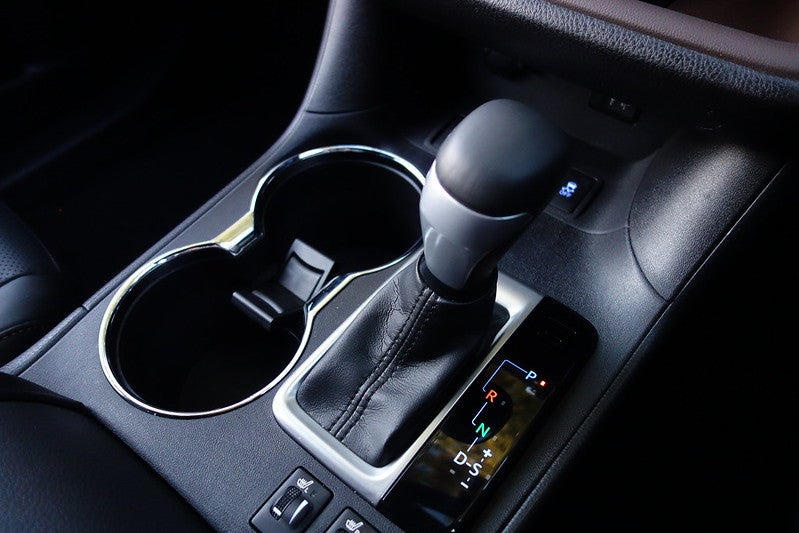
Many newer Toyota transmissions do not have a traditional dipstick. Checking fluid level may require specialized procedures and monitoring transmission fluid temperature.
Because incorrect fluid levels or incompatible fluid can cause problems, inspection is generally best handled by a qualified technician familiar with Toyota transmission systems.
Helpful Tip: Check the Toyota owner's manual and Warranty & Maintenance Guide for your specific model year before attempting transmission fluid maintenance. Do not add fluid without confirming the correct specification and procedure.
How Do You Change Transmission Fluid in a Toyota Highlander?
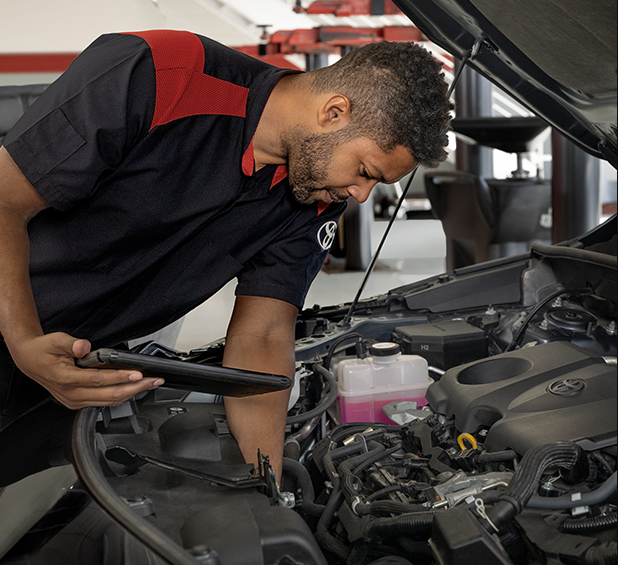
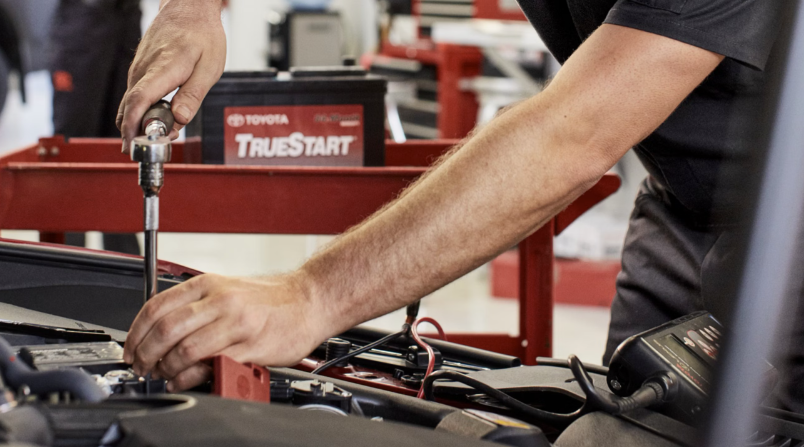
Transmission fluid replacement involves draining and refilling the transmission with the correct fluid, but the specific procedure varies by transmission design. A service method appropriate for an older Highlander may not be suitable for a newer vehicle or a hybrid model.
Depending on the transmission, a technician may perform the following steps:
- Confirm vehicle specifications. Identify the model year, powertrain, transmission type, and required transmission fluid.
- Inspect the transmission. Check for signs of leakage, damage, and other conditions that may affect transmission operation.
- Determine the appropriate service. Review Toyota's maintenance guidance, operating conditions, and inspection findings.
- Drain the transmission fluid. Follow the manufacturer-specified procedure for the particular transmission.
- Refill with the specified fluid. Use the correct Toyota-approved fluid specification and required quantity.
- Verify the fluid level. Follow the applicable procedure, which may require monitoring transmission fluid temperature.
- Check the completed service. Inspect for leaks and confirm normal transmission operation.
Some transmission designs have different requirements for fluid filters, drain and fill plugs, sealing components, and service equipment. Removing a transmission pan or replacing a filter is not a universal step for every Toyota Highlander.
For drivers without the appropriate tools and model-specific service information, professional transmission service is generally the more practical option.
How Often Should You Change Toyota Highlander Transmission Fluid?
There is no single transmission fluid replacement interval that applies to every Toyota Highlander. The appropriate maintenance schedule depends on the model year, transmission type, driving conditions, and recommendations in the vehicle's official maintenance guide.
For some Highlander configurations, Toyota recommends inspecting the transmission for leakage during scheduled maintenance rather than replacing transmission fluid at a universal mileage interval.
Driving Conditions That May Affect Maintenance
Additional transmission fluid service may be specified for certain vehicles operated primarily under special conditions, such as:
- Frequent towing or heavy loading: Where applicable to the vehicle and its maintenance guide.
- Extended low-speed operation: Including prolonged idling under qualifying operating conditions.
- Other severe-use conditions: As identified in the vehicle's Warranty & Maintenance Guide.
Maintenance Reminder: A commonly quoted interval such as every 30,000 miles or every two years should not replace the Toyota maintenance schedule for your specific Highlander.
Our Toyota Service Center in Jacksonville can help you review your vehicle's maintenance needs.
What Are the Signs of Toyota Highlander Transmission Problems?
Some changes in driving behavior can indicate a possible transmission problem. However, these symptoms do not always mean the transmission fluid needs to be changed.
Unusual Noises
Whining, grinding, or other unexpected sounds may indicate a mechanical or drivetrain problem that requires diagnosis.
Difficulty Shifting
Delayed, rough, or inconsistent shifting may involve transmission operation, fluid concerns, electronic controls, or other issues.
Slipping or Unusual Acceleration
If engine speed increases without the expected vehicle response, have the issue evaluated promptly.
Fluid Leaks
Fluid beneath the vehicle may indicate a leak. The source and fluid type should be identified before deciding on a repair.
Warning Lights or Messages
A check engine light or transmission-related warning may indicate the need for diagnostic testing.
Changes in Driving Behavior
Unexpected surging, hesitation, or other changes in vehicle response should be inspected rather than attributed to fluid condition alone.
A transmission fluid change is not guaranteed to resolve these symptoms. Proper diagnosis is important because the issue may involve components or systems beyond the fluid itself.
Safety Note: If your Highlander is shifting unpredictably, losing drive, leaking significant fluid, or displaying a serious warning, stop driving when it is safe to do so and arrange professional assistance. Continuing to drive with a serious transmission problem may cause further damage.
Transmission Fluid Change vs. Transmission Flush
A transmission fluid change and a transmission flush are not necessarily the same service. The methods, equipment, and amount of fluid exchanged can differ.
The appropriate service depends on the transmission, its condition, and Toyota's recommendations. A transmission flush should not be assumed necessary simply because the fluid is older or the vehicle has developed shifting symptoms.
Before authorizing service, ask what procedure is recommended for your specific Highlander and why. A qualified technician can explain whether inspection, fluid replacement, or additional diagnosis is appropriate.
Schedule Toyota Highlander Transmission Service
Have questions about your Highlander's transmission fluid, maintenance schedule, or shifting performance? Keith Pierson Toyota is here to help Jacksonville-area drivers explore the appropriate next step.
You can also learn more about our Toyota Service Center or review current service and parts specials before your visit.
Toyota Highlander GXL by Ilam Toyota is licensed under CC BY 2.0 .
Frequently Asked Questions
How do you check transmission fluid in a Toyota Highlander?
The procedure depends on the model year and transmission. Some older Highlanders have a dipstick, while many newer vehicles use sealed transmissions that require a model-specific inspection procedure. Consult your owner's manual or a Toyota service professional.
How often should Highlander transmission fluid be changed?
There is no universal replacement interval for every Highlander. Follow the Warranty & Maintenance Guide for your specific vehicle, including any additional requirements that apply to special operating conditions.
What are signs of Toyota Highlander transmission problems?
Potential signs include unusual noises, rough or delayed shifting, unexpected changes in acceleration, fluid leaks, and warning messages. These symptoms require diagnosis and do not automatically mean a fluid change will solve the problem.
Can I change Toyota Highlander transmission fluid myself?
The process depends on the vehicle's transmission design and may require specialized tools, fluid-temperature checks, and model-specific service information. Professional service is recommended if you are unsure of the correct procedure.