

Blog / Toyota Tips

Blog

All Toyota Tips New Toyota Vehicles Local Parts And Service Model Comparison Finance Maintenance Camry Highlander Tundra Corolla Local Events & Community RAV4 Corolla Cross Tacoma Technology EV
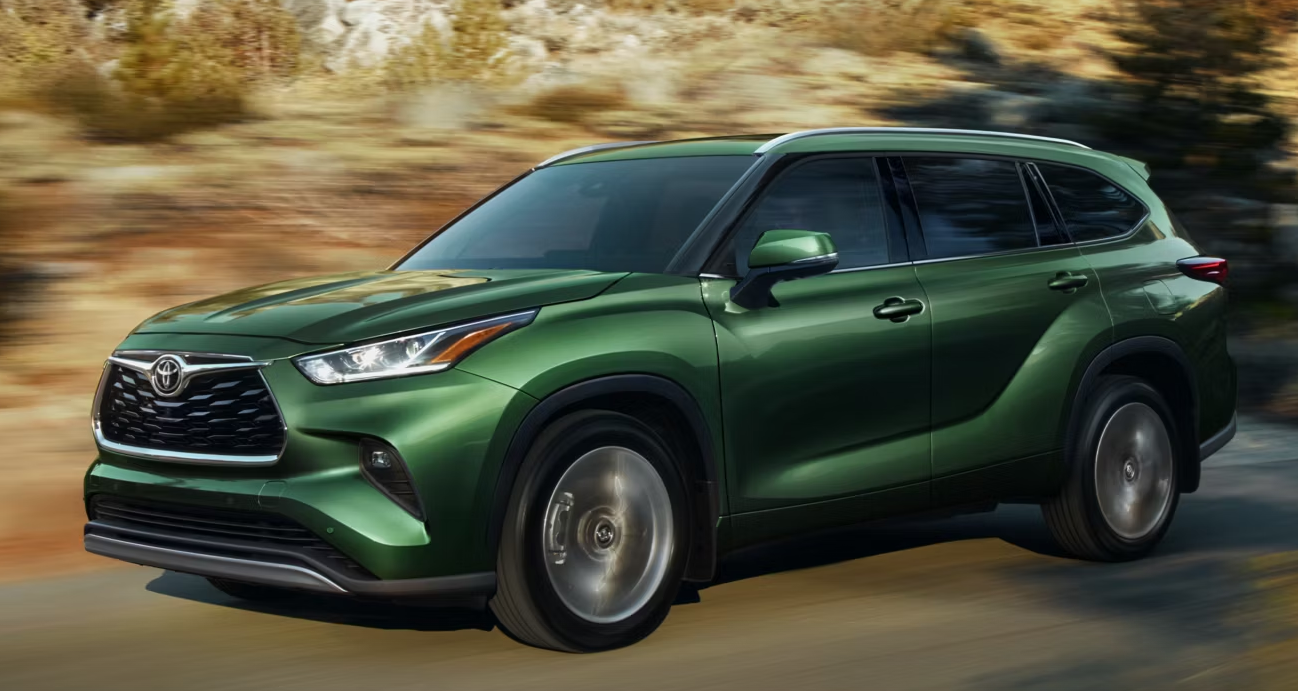
Green Highlander driving through desert

What's New for the 2026 Toyota Highlander: Tech, Safety, and Interior Updates

Standard All-Wheel Drive now comes on all gas-powered 2026 Toyota Highlander models. Upgraded 12.3-inch touchscreens and wireless smartphone integration enhance the modern family cabin. Toyota Safety Sense 2.5+ is standard, featuring refined radar cruise and lane assistance. What's New for the 2026 Toyota Highlander: Tech, Safety, and Interior Updates The 2026 Toyota Highlander arrives with thoughtful improvements that matter to families who spend real time on the road. Toyota focused on what makes daily life easier: better screens that respond faster, safety features that work without overwhelming you, and interior touches that acknowledge how families actually use their vehicles. Whether you're shuttling kids to school, heading to the beach, or managing weekend errands around Jacksonville, the updates address practical needs. We invite you to browse our new Highlander inventory and experience these improvements firsthand. What's New for the 2026 Toyota Highlander: A Quick Overview The latest Highlander builds on a proven foundation while addressing areas where families wanted more. The three-row SUV keeps its spacious layout but refines the execution with more modern connectivity, improved infotainment, and performance options including both gas and hybrid powertrains. Gas models use a 2.4-liter turbocharged four-cylinder engine delivering 265 horsepower and 310 lb-ft of torque through an eight-speed automatic transmission, with AWD now standard across all configurations. Hybrid models pair a 2.5-liter hybrid system producing 243 net combined horsepower with a CVT transmission and standard electronic AWD, achieving up to 35 mpg. Both provide 84.3 cubic feet of cargo capacity when the second and third rows fold flat. The changes reflect conversations Toyota had with actual owners about better entertainment options, smarter driver assistance, and more USB ports. These updates respond directly to that feedback, making the seven- or eight-passenger SUV more practical for how families live now. If you are considering your first SUV, our Highlander first time buyer guide can help you navigate the options. Smarter Technology for Everyday Driving Upgraded Infotainment and Display Features The infotainment system gets a substantial upgrade starting with an 8-inch touchscreen on base models, with Higher trims like the Limited and Platinum featuring a 12.3-inch center touchscreen that makes navigation and controls easier to manage while driving. The interface responds faster than previous generations. Wireless Apple CarPlay and Android Auto integration comes standard across all Highlander trims, meaning you can keep your phone tucked away while still accessing apps, music, and navigation, no matter which model you choose. The system connects automatically when you start the vehicle. The digital instrument panel provides customizable information displays on all models, while the Platinum adds a 12.3-inch digital gauge cluster that adapts to what you want to see. The Platinum trim includes a 10-inch color head-up display that projects key information onto the windshield, keeping your eyes closer to the road during highway drives. Wireless Connectivity That Keeps Families Connected Multiple USB ports throughout the cabin acknowledge that everyone travels with devices needing charging. The placement considers all three rows, so passengers in the back aren't fighting over a single outlet. Wireless charging pads in the front add convenience for compatible phones. The upgraded audio system delivers clear sound quality. Limited and Platinum trims feature an 11-speaker JBL system that makes podcasts understandable and music enjoyable without cranking the volume. Long drives to Amelia Island or St. Augustine become more pleasant when everyone can actually hear their entertainment. Higher trims also include a driver-to-rear intercom system and a household power outlet for families who need to power devices or communicate with passengers in the third row. Enhanced Safety Features for Peace of Mind Toyota Safety Sense 2.5+ Updates Worth Knowing Toyota Safety Sense 2.5+ comes standard on all Highlander trims, bringing refined driver-assistance technologies that work naturally. The Full-Speed Range Dynamic Radar Cruise Control adjusts smoothly to traffic flow on I-95 without jerky acceleration. Lane Departure Alert with Steering Assist provides gentle warnings without overreacting, while Lane Tracing Assist helps keep you centered during highway driving. For more details on the latest tech, see Toyota Safety Sense 3.0: what's new in recent models. The Pre-Collision System with Pedestrian Detection monitors situations ahead with improved sensitivity. Road Sign Assist recognizes traffic signs and displays them on your dashboard, while Automatic High Beams switch between high and low beams based on surrounding traffic. Standard Blind Spot Monitor with RCTA with Rear Cross-Traffic Alert adds extra awareness when changing lanes or backing out of parking spaces. These features support rather than replace attentive driving. They catch moments when your focus drifts to a passenger question or you're searching for an exit. New Driver Monitoring and Parking Assistance Front and Rear Parking Assist with Automatic Braking makes navigating tight Jacksonville shopping center parking lots less stressful. The system helps guide you into spots while monitoring blind spots and alerting you to approaching vehicles or pedestrians. The Panoramic View Monitor provides 360-degree visibility, especially valuable for drivers transitioning from smaller vehicles to the Highlander's 194-inch length. The Platinum trim includes Bird's Eye View Camera with Perimeter Scan, a digital rearview mirror, and adaptive headlights that swivel into curves, enhancing visibility during nighttime drives and Florida's unpredictable weather conditions. Interior Comfort Upgrades for Passengers of All Ages Refined Materials and Seating Improvements Step inside and you'll immediately notice improved material quality. Surfaces feel more substantial, with better padding on armrests and door panels. Limited and Platinum trims feature leather upholstery that elevates the cabin experience while remaining practical for families. Seating configurations got attention to legroom and headroom across all three rows. The third row now accommodates adults for shorter trips rather than exclusively children. Second-row seats slide and recline with improved range, letting passengers find comfortable positions during longer drives. Available heated and ventilated power-adjustable front seats maintain comfort regardless of Florida's temperature extremes, with memory functions on higher trims preserving your preferred settings. The XSE and Limited trims offer heated captain's chairs for the second row, while the Limited and above trims include a heated steering wheel. All models feature 60/40-split folding second and third-row seats for flexible cargo management, along with a height-adjustable power liftgate. The Platinum trim adds rain-sensing wipers with windshield wiper de-icer. Storage Solutions and Climate Control Enhancements Practical storage appears throughout the cabin. Cupholders accommodate various container sizes without wobbling. Door pockets fit water bottles and tablets. Center console bins handle chargers, sunglasses, and registration documents. These details matter during family road trips when clutter accumulates quickly. Tri-zone automatic climate control comes standard, letting front passengers and second-row occupants set individual temperature preferences. This prevents the common scenario where the driver needs cooling while rear passengers feel cold. Each zone maintains its setting independently, creating more consistent comfort throughout the cabin. All models include keyless entry and start, power-adjustable driver's seat, and drive modes including Eco, Normal, and Sport. The Platinum's panoramic sunroof adds an open-air feel that families appreciate during pleasant Florida weather. How the 2026 Highlander Fits Your Northeast Florida Lifestyle Living in Northeast Florida creates specific vehicle requirements that the 2026 Highlander addresses naturally. The spacious interior handles beach trips with gear for multiple family members, from surfboards on the roof to coolers and chairs tucked in the cargo area. Flexible seating arrangements adapt to whether you're hauling people or cargo. Standard AWD on all gas models provides confident handling during Florida's intense summer storms when roads flood quickly. While you won't encounter snow, the enhanced traction proves valuable when navigating wet roads or sandy beach access points. Climate control capabilities matter in a region where temperatures swing between air-conditioned interiors and parking lots that feel like ovens. Jacksonville's mix of highway driving and urban navigation suits the Highlander's capabilities well. Adequate acceleration merges onto I-295 safely while maintaining efficiency during stop-and-go traffic on Beach Boulevard. The hybrid option's 35 mpg rating particularly appeals to commuters covering significant weekly mileage across Northeast Florida. Is the 2026 Highlander the Right Upgrade for Your Family? Consider what matters most in your daily vehicle use. If you frequently transport more than five people, the genuine three-row capability distinguishes the Highlander from competitors that treat the third row as emergency seating. Toyota's reputation for durability and strong resale values supports families prioritizing reliability over the vehicle's lifespan. To protect your investment, every new vehicle comes with our lifetime warranty. Technology-focused families will appreciate the comprehensive connectivity and entertainment options. Safety-conscious buyers find value in the extensive driver-assistance features that support attentive driving. Understanding which trim level delivers the features you'll actually use helps focus your decision. You can explore the 2026 trim differences to find your perfect match. Trim Level Key Tech Updates Safety Enhancements Interior Comfort Features XLE 8-inch touchscreen, digital instrument panel, keyless entry TSS 2.5+ (full suite), available Blind Spot Monitor Power driver's seat, tri-zone climate, 60/40 split-folding seats XSE/Limited 12.3-inch touchscreen, JBL audio, intercom, household outlet, 12.3-inch digital gauge cluster Front and Rear Parking Assist with Automatic Braking (standard on Limited; not available on XSE) Ventilated front seats, leather, heated steering wheel, memory seats Platinum Head-up display, digital rearview mirror, 12.3-inch digital gauge cluster Panoramic View Monitor, Bird's Eye View Camera, adaptive headlights Heated second-row seats, panoramic sunroof We encourage you to visit us and test different trim levels to understand which features matter enough to justify the investment. Contact our team with questions about specific configurations or to schedule a convenient time for your family to experience the Highlander. Explore the 2026 Toyota Highlander at Keith Pierson Toyota Visit Our Jacksonville Dealership Seeing the 2026 Highlander in person reveals details that specifications can't fully capture. We maintain inventory at our Jacksonville location that lets you compare trim levels side by side. Our family-owned dealership brings over twenty years of experience helping local families find vehicles that match their actual needs. We understand Northeast Florida driving conditions and can discuss how different Highlander configurations perform in real-world scenarios you'll encounter. Bring your family along to test seating comfort, cargo space with strollers or sports equipment, and technology features everyone will use. Schedule Your Test Drive Today Schedule a test drive by calling 888-461-3879 during our sales hours, which run Monday through Saturday from 8:30 AM to 8 PM and Sunday from 10 AM to 7 PM. Every new vehicle from Keith Pierson Toyota includes two years of complimentary maintenance and a lifetime warranty with unlimited miles. Our service center operates seven days a week with extended hours. Reach our service department at 888-597-3703 to learn about maintaining your Highlander after purchase. Vehicles are arriving at our dealership now, making it the right time to explore whether these updates align with what your family needs. Frequently Asked Questions What are the engine options for the 2026 Toyota Highlander at Keith Pierson Toyota? The 2026 Highlander offers two powertrains: a 2.4-liter turbocharged gas engine with 265 horsepower and a 2.5-liter hybrid system delivering 243 net combined horsepower and up to 35 mpg. Is All-Wheel Drive standard on the new 2026 Highlander? Yes, for the 2026 model year, Toyota has made All-Wheel Drive (AWD) standard across all gas configurations, providing better traction for Jacksonville's unpredictable weather. How much cargo space does the 2026 Toyota Highlander offer? Both the gas and hybrid models provide up to 84.3 cubic feet of cargo capacity when the second and third rows are folded flat, perfect for hauling gear across Northeast Florida. What safety features are included in the 2026 Highlander? Every trim includes Toyota Safety Sense 2.5+, which features Pre-Collision Systems with Pedestrian Detection, Dynamic Radar Cruise Control, and Road Sign Assist.
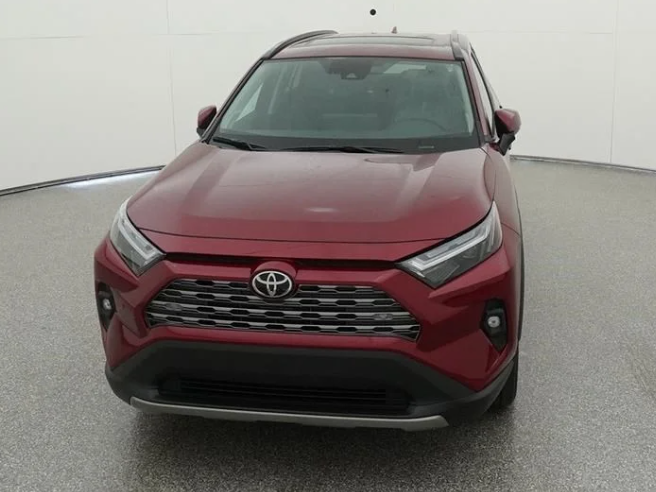
2024 Toyota Rav4 in red.

Used Toyota Checklist: What Jacksonville Buyers Should Inspect

If you're shopping for a used Toyota in Jacksonville, don't just kick the tires and hope for the best. Florida's climate poses challenges that can turn your dream car into a nightmare if you're not careful. At Keith Pierson Toyota, we know that our humid summers and salty coastal air create problems you won't find in states like Colorado or Montana. When buying a used Toyota, a detailed inspection is your best friend for avoiding expensive surprises that could drain your bank account faster than you'd expect. more Exterior and Frame Condition Florida's weather doesn't hold back when it comes to damaging cars. High humidity, salt air, and intense sunlight contribute to significant vehicle damage over time, including rust, faded paint, and deteriorating materials and exteriors. Living near the coast makes these issues even worse for Jacksonville car buyers. You'll want to focus on spots where rust loves to hide. Common areas where corrosion can spread quickly if untreated include the undercarriage, wheel wells, and door edges. Look for bubbling paint, chips, scratches, or that telltale fading. Once rust starts, it's hard to stop, especially in Florida's sticky climate. Be particularly vigilant with the body panels. Uneven gaps between panels, rippled surfaces, or paint that doesn't quite match are signs of an accident. Make sure everything lines up properly, including the doors, hood, and trunk. Conspicuous gaps might mean the car's experienced significant damage. The outside appearance often tells you everything about the previous owner's treatment of the vehicle. Engine, Fluids, and Under-The-Hood Checks Toyota engines are tough, but they're not bulletproof. Older models, particularly the Camry and Corolla, may experience increased oil consumption due to wear and tear of the piston rings and valve seals. Some develop nasty habits, such as burning oil or building up sludge when owners skip oil changes. Timing chains can stretch over time, and certain models have head gasket issues that emerge as the cars age. Here's where Florida's heat becomes your enemy. In South Florida, summer temperatures frequently reach the 90s, with pavement temperatures exceeding 140 degrees Farenheight, causing your engine enormous stress. Watch for overheating signs: the temperature gauge climbing, steam coming from under the hood, or that sweet smell of coolant. The hoses might be failing, the water pump may be dying, or coolant levels could be low. Check all the essential liquids: oil, transmission fluid, brake fluid, power steering fluid, and coolant. They should be clean and at proper levels. Listen for unusual noises, such as knocking, grinding, or whining sounds, which can indicate trouble. If belts and hoses are cracked or leaking, you're looking at possible catastrophic engine failure and dangerous loss of control while driving. Batteries hate Florida's heat. Most last from three to five years, but electrolyte evaporation in our scorching temperatures can reduce this. Interior Comfort and Technology Used Toyota vehicles can experience infotainment system issues, including the radio cutting out, Bluetooth connectivity problems, and unresponsive touch screens. Faulty climate control is a major issue in Florida, where air conditioning (AC) isn't optional. In Jacksonville's climate, broken AC can make your commute miserable. Test all features, including AC, heating, lights, power windows, seat adjustment, mirrors, locks, and infotainment systems, to make sure everything works as you expect. Turn the key, and watch those dashboard lights carefully. They should come on, then go off when the engine starts. Never buy a car with illuminated warning lights, as it will likely need repairs before you drive it off the lot. Check that the speedometer, fuel gauge, and other displays give accurate readings you can trust. Give the seats and interior a good once-over for any signs of trouble. Rips, stains, and worn spots — especially on leather — can cost serious money to fix correctly. Look for water damage: Florida's high humidity creates an ideal environment for long-term mold and electrical issues. The condition inside usually mirrors the previous owner's care of everything else. Proceed with caution if the interior is damaged. Reviewing Vehicle History and Service Records Florida's used car market can be sketchy, and the numbers prove it in ways that should make Jacksonville buyers extra cautious. Over 2.14 million vehicles on U.S. roads have rolled-back odometers, with a 4% increase from the previous year and an 18.6% increase since 2021. Florida ranks fourth in the nation with 90,900 vehicles having rolled-back odometers, showing an alarming 6.4% yearly increase. When someone tampers with an odometer, consumers lose an average of $4,000. That's why obtaining a vehicle history report isn't optional; it's smart business. Living in hurricane country means flood-damaged cars end up everywhere, including Jacksonville dealership lots. A vehicle identification number, or VIN, check can reveal flood damage and other title problems sellers conveniently forget to mention during their sales pitch. These reports show accidents, the number of owners, and maintenance records that help you separate the gems from the lemons before you waste time on a test-drive. Opt for a professional independent inspection if you're serious about buying and want peace of mind. The typical cost of a prepurchase inspection ranges from $100 to $300, but it can catch problems you'd never spot during a casual walk-around, including engine trouble, transmission issues, or frame damage that could cost thousands later. A well-documented service history is an excellent sign of a reliable car that's been properly cared for. Missing service records might indicate that the previous owner wasn't stringent about maintenance, which could cause trouble later on. Your Trusted Partner for Quality Used Toyotas in Jacksonville Toyota builds solid cars that can last hundreds of thousands of miles, but even the best vehicles need proper vetting before you sign on the dotted line. At Keith Pierson Toyota, we understand Toyotas inside and out. Our certified preowned Toyota inspection puts vehicles through strict examinations that go beyond a quick once-over, and we back them with warranties that actually mean something when problems arise. Our factory-trained technicians know precisely what to look for in Florida's tricky used car market, whether it's spotting subtle flood damage signs or catching those model-specific quirks that could cause issues later. Find Your Perfect Used Vehicle at Keith Pierson Toyota If you're ready to find your next used vehicle without the stress and uncertainty that comes with private sellers, our team at Keith Pierson Toyota in Jacksonville, Florida, knows how to separate the winners from the losers. We'll walk you through everything to ensure you feel confident about your choice instead of second-guessing yourself. Visit us today for a test-drive, or contact us online. Don't wait to discover how local expertise and honest advice make all the difference in finding the perfect used Toyota for your Jacksonville adventures and daily commute.

Best Toyota Vehicles by Budget: Budget, Mid-Range & Premium Options

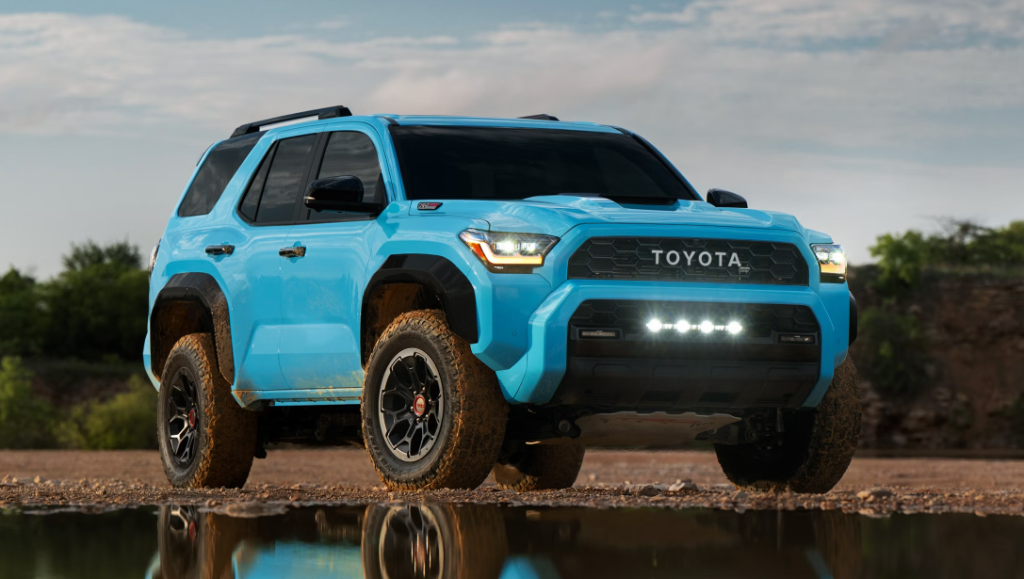
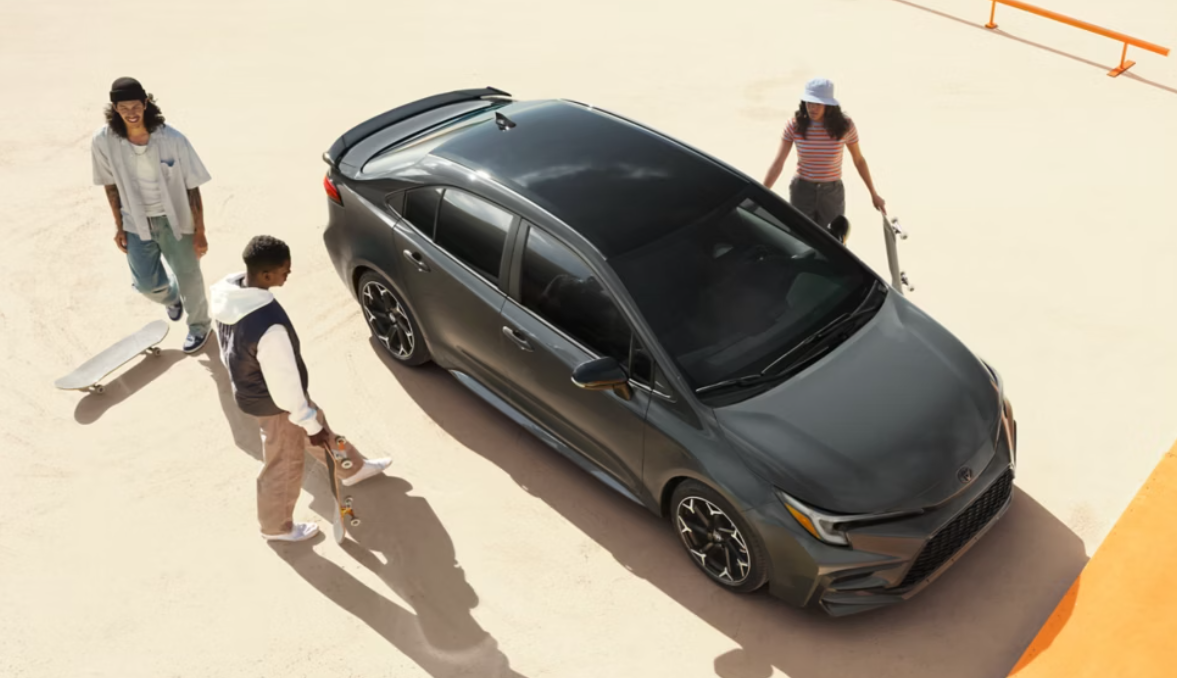
If you're searching for a fuel-efficient Toyota in Jacksonville that can handle Florida’s heat and humidity, Keith Pierson Toyota offers options for every lifestyle and spending range. We’ve organized top Toyota models into three clear budget categories to help you find your ideal fit. more Top Toyota Models in the Budget Category The Corolla remains Toyota’s cornerstone for drivers who want efficiency, dependability, and modern tech without a high monthly payment. Jacksonville commuters love its excellent fuel economy on daily I-95 drives, and both the 1.8L and 2.0L engines deliver smooth, reliable performance. Standard safety systems include 10 airbags, the Star Safety System, and Toyota Safety Sense with features like adaptive cruise control, lane alerts, and blind-spot monitoring. Inside, the Corolla offers an 8-inch touchscreen with Bluetooth, Wi-Fi, Apple CarPlay, Android Auto, Amazon Alexa, and SiriusXM. Known to surpass 200,000 miles with proper care, the Corolla delivers long-lasting value and strong resale retention. Whether you’re commuting, exploring Neptune Beach, or navigating daily Jacksonville traffic, it remains one of the smartest long-term choices in the Toyota family. Best Mid-Range Toyota Picks The Camry is ideal for drivers who want elevated comfort, responsive performance, and impressive fuel savings. Popular trims like the LE, SE, and XSE offer features such as alloy wheels, athletic styling, wireless smartphone integration, sport-tuned suspension, and available Qi wireless charging. Its strong mpg ratings make it perfect for long commutes or weekend drives across Northeast Florida. Families often gravitate toward the RAV4 thanks to its blend of practicality, comfort, and versatility. Trims including the LE, XLE, XLE Premium, and Limited offer upgraded materials, spacious seating, and a large multimedia display with wireless connectivity. Standard Toyota Safety Sense 2.5 provides modern driver-assist features across the lineup. For drivers wanting more power and efficiency, the RAV4 Hybrid delivers a balanced mix of horsepower, city-friendly mpg, and on-demand all-wheel drive—great for navigating Florida’s rainy season. With towing power up to 3,500 pounds, it can handle everything from small trailers to light boats along the St. Johns River. Premium Toyota Options The 4Runner stands out for drivers who want rugged capability and off-road confidence. With trims ranging from everyday-ready versions to trail-focused builds like the TRD Pro and Trailhunter, it offers multiple powertrain options—including an i-FORCE turbo engine and the available i-FORCE MAX hybrid system. Inside, features such as leather seating, a large touchscreen display, heated and ventilated front seats, and an available 14-speaker JBL audio system elevate every drive. For adventurers, the 4Runner includes Multi-Terrain Select, Crawl Control, substantial ground clearance, and available four-wheel-drive systems. Its robust towing capacity makes it ideal for hauling gear, boats, and more. The Highlander also fits comfortably into the premium category, offering seating for up to eight, a turbocharged four-cylinder engine, three-zone climate control, and a roomy interior built for growing Jacksonville families. Upper trims enhance the experience with added comfort, technology, and upscale materials. For drivers seeking luxury above all else, the Toyota Crown delivers a refined hybrid powertrain, sleek design, and a premium cabin. Standard features include a 12.3-inch touchscreen, leather seating, heated and ventilated front seats, digital gauges, and an available JBL audio system—making it one of Toyota’s most modern and comfort-focused sedans. Why Buying From Keith Pierson Toyota Makes Sense Keith Pierson Toyota is a family-run dealership with more than 25 years of local experience, proudly serving Jacksonville, Orange Park, Atlantic Beach, Nocatee, St. Augustine, and surrounding areas. We offer helpful programs, including savings for recent graduates beginning their careers and for military families who serve our community. Our service center provides everything from oil changes and tire rotations to brake work, battery checks, and genuine Toyota parts—with convenient online scheduling that fits your daily routine. Find Your Ideal Toyota Match in Jacksonville Toyota’s three-tier budget structure ensures every driver can find a reliable, fuel-friendly, and long-lasting vehicle that fits their lifestyle. No matter the category you choose, you’ll enjoy Toyota’s reputation for quality, value, and dependability. At Keith Pierson Toyota, our team is backed by decades of local expertise and a commitment to customer-first values. Contact us today to explore our latest offers, schedule a test drive, and discover why Northeast Florida families trust us for their next Toyota.

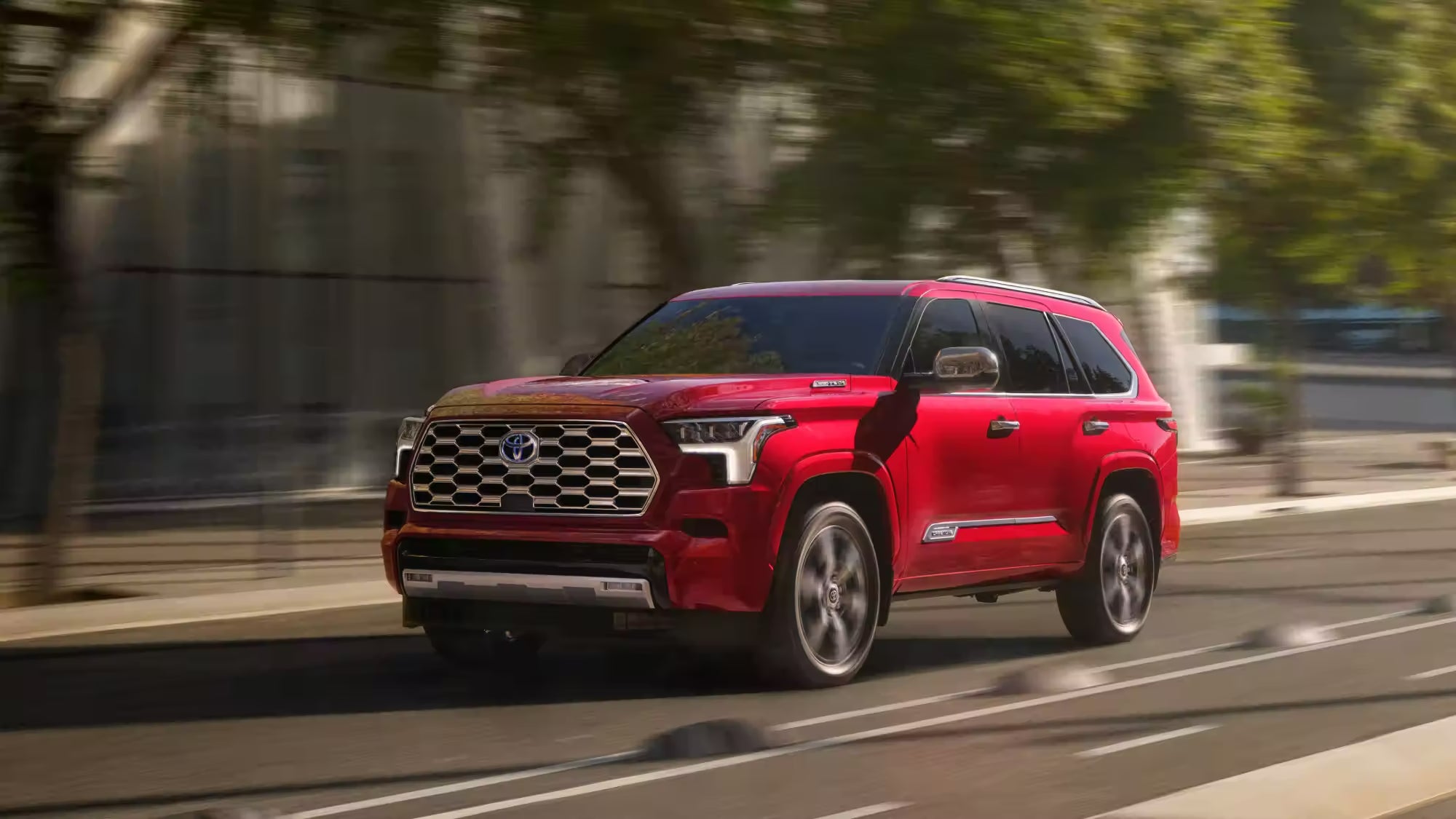
2023-toyota-sequoia-jacksonville-fl

How Jacksonville's Weather and City Layout Influence What Toyota You Should Buy

Jacksonville's location and geography both require you to have a vehicle suitable for your lifestyle in and around the city, and its unique climate has its own challenges. In this article, we'll explore the typical weather patterns you can expect in Jacksonville, what driving situations you may encounter, and what Toyota models might be best for this Florida city. more Jacksonville's Year-Round Weather Patterns Like most Florida cities, Jacksonville experiences warm, wet summers. You can expect hot, humid days from June through September with frequent afternoon thunderstorms. October and November bring drier air and cooler temperatures, perfect for exploring Jacksonville's park systems. December and January bring the coolest temperatures of the year — though Jacksonville's winter remains considerably mild, with an average high of 60 degrees and a low around 40 degrees. Finally, the temperatures begin to rise once more in the following spring season, mirroring the temperatures found in the fall. How Weather Impacts Your Toyota Choice Jacksonville's weather changes constantly, especially during the summer, when the morning sun warms the city before afternoon thunderstorms bring heavy rain and cooler temperatures. You'll see more moderate temperatures and less heavy rain in the spring and fall seasons, and even in the winter, you might see hot days and cool nights. Whether it's hot or chilly outside, Toyota vehicles offer advanced climate control systems with multiple zones to keep everyone at their preferred comfort level. Toyota models with heated and ventilated seats further enhance comfort in all types of weather. Sun Protection and Interior Materials When it comes to your car or truck, it's important to know that the corrosive effect of salt air and the high UV radiation can harm your vehicle's exterior paint. As a coastal city, Jacksonville gets plenty of salt air coming off the Atlantic Ocean, and during the summer, the UV index in Jacksonville ranges higher than in regions further north. The Florida sun doesn't just affect your vehicle's exterior — it can also fade interior upholstery over time. This is why you'll want durable cabin materials like Toyota's SofTex synthetic upholstery. This synthetic material resists moisture and fading while providing a comfortable surface that's as beautiful as leather. Maintenance Considerations for Jacksonville's Environment Your Toyota was built to last for many years and miles with simple routine maintenance. However, Jacksonville's unique environment can impact what services you need and how they might change certain timelines. Air Conditioning Service You'll certainly need air conditioning in the Florida summer heat. We recommend you have your A/C routinely checked every spring to avoid a breakdown when the temperatures reach their peak. Our technicians can quickly test your A/C and recharge the system if necessary, getting you back to your busy life fast. Brake Service In both everyday and emergency situations, you rely on your car's brakes to bring your Toyota to a controlled stop. If your daily routine has you navigating Jacksonville's high-traffic stop-and-go areas, you should have your brake system inspected at least once a year. You can conveniently schedule service online or bring your Toyota to our service center and speak with a professional. Best Toyota Models for Jacksonville's Geography In addition to its unique climate, Jacksonville's layout presents unique driving challenges, from stop-and-go rush-hour traffic and highway commutes to trips to the beach and park excursions. Knowing how and where you plan to drive your vehicle will help you determine which Toyota vehicle best suits your needs. For example, the Toyota Corolla 's hybrid options offer exceptional fuel economy for your daily commute. And the Corolla's compact size makes it the perfect urban vehicle, capable of navigating tight city streets and parking lots. This vehicle offers budget-friendly performance at a starting MSRP of  $22,325. The Toyota Prius offers excellent mileage ratings that make it another perfect commuter car. You can also get good mileage with the Toyota RAV4 SUV; plus, the RAV4 offers advanced AWD technology and practical cargo space for weekend excursions. Best Toyota Models for Jacksonville's Weather We've identified the Toyota models best equipped for Jacksonville's diverse driving environments. However, you should also consider which model suits Jacksonville's climate best. First, there's the Toyota Camry, a sedan ready for all types of weather thanks to its capable front- or all-wheel-drive systems and advanced climate control. And with an EPA-estimated rating of up to 51 mpg, depending on the trim level, the Camry makes sense for commuters. However, if you need a reliable family hauler that can still keep everyone comfortable, the Toyota Highlander offers three rows of seating with a superior climate control system. Plus, its turbocharged four-cylinder engine produces 265 horsepower, and it offers spirited driving dynamics and enables towing up to 5,000 pounds. Find the Best Toyota for Driving in Jacksonville, Florida Before making your final decision, you need to prioritize your specific Jacksonville driving needs. You need a vehicle that suits your lifestyle, and the Toyota lineup has a vehicle for everyone. We recommend you shop our online inventory to gain insight on vehicle features, pricing, and availability. Then, you can schedule the all-important test drive. Getting a feel for how a vehicle handles and how it fits you and your family will help you determine the right car to buy. Once here, one of our friendly, professional staff will show you your preferred models and let you take one for a spin. If everything feels right to you, our finance department can put together an attractive loan or lease deal and have you driving home in your dream Toyota, ready for everything Jacksonville has to offer.

RAV_MY22_0051_V001-5

How to Trade In Your Vehicle at Keith Pierson Toyota Without Losing Value

Upgrading your vehicle doesn't have to be a tedious task. Instead of going through the time-consuming process of selling your current car and then shopping for a new one, you can trade it in and apply its value directly toward your next vehicle. However, if you're not prepared, you may end up with a lower trade-in value than your vehicle is worth. Knowing how trade-in offers are calculated and what you can do to get the best offer can help. This guide walks you through how to get the best trade-in deal with expert tips, market insights, and a general overview of the whole process. more Understanding Vehicle Trade-In Value at Keith Pierson Toyota Your vehicle's trade-in value is the amount the dealership offers you when you exchange your current car for a new or used one. This value is typically lower than what you'd get if you sold your car privately because dealers need to resell it at a profit. According to Kelley Blue Book, the average trade-in for a white 2025 Toyota Corolla LE Sedan with typical mileage (10,000 miles) ranges from $17,353 to $19,252 for Jacksonville. Keith Pierson Toyota doesn't just look at market prices to give you an offer. We do an in-person inspection so you can get the best price for your old ride. This means a competitive trade-in value based on real-time trends and local demand. What Factors Determine Your Trade-In Value? We use several factors to work out the price we're willing to pay you for your car: The car's working parts, like the engine and tires, and whether it's been in any accidents. The mileage, as cars with fewer miles often cost more. The model and year, as newer cars and more popular Toyotas usually keep their value longer. Demand for your type of car and the availability of similar ones. How the car looks, including the seats and any dents or scratches. The car's service records, which show whether it was regularly maintained while you owned it. The timing, because market trends and seasons can change the price you get. How Keith Pierson Toyota Evaluates Trade-Ins Our team will evaluate your car in detail. Here's what you can expect: Use the Keith Pierson Toyota Instant Cash Offer tool to get an initial quote for your car. Our certified technicians will inspect your car in detail. We use local market prices and Kelley Blue Book or Edmunds to work out the final offer. We can sometimes adjust our offers based on special dealer promotions. Common Misconceptions About Trade-Ins Many sellers expect the value they're offered for their car from a dealership trade-in to match the prices they'd get from selling the car themselves. In reality, you'll usually get 10-20% less when you trade it in. Why? Because it costs the dealership time and money to recondition and resell your car on your behalf. But it's not all bad news. Trade-ins are convenient. They offer instant credit toward your next purchase. Plus, you don't need to worry about selling your car yourself. Preparing Your Vehicle to Get the Best Trade-In Value Preparing your car before your visit may help you get a better offer: Fix any mechanical issues. Check and maintain the brakes, tires, and fluids. Wash and wax the car, vacuum, and wipe down the inside for a good first impression. Fix any small dents and scratches and replace broken bulbs. Bring your title deed (if your car is paid off), loan payoff information, registration details, service records, and any warranty info along with you. Timing Your Trade-In for Best Results The trade-in value you're given can change depending on the season or your car specifically. Spring and summer often get better prices as demand for vehicles goes up. Trading in an older model before a major model refresh or redesign can help you keep value. 2025 has seen faster selling times and softer used car prices, so being prepared and flexible can help improve your deal. Maximizing Your Trade-In Value Strategy To get the best deal, start by researching your vehicle's market value. Use tools like Kelley Blue Book and Edmunds to get an estimate of what your car is worth. It also helps to compare local listings in Jacksonville to understand supply and demand in the area. Next, weigh the benefits of trading in versus selling privately. A private sale may bring in more money, but it requires more time, effort, and paperwork. A trade-in is convenient and can be combined with dealer promotions or loyalty programs to add extra value. Also, don't forget about negotiation. Bring your research to the dealership and be prepared to discuss your car's condition, mileage, and recent maintenance. If the first offer feels too low, politely push back or ask if any current incentives can improve the deal. Even small adjustments, like factoring in new tires or service records, can make a noticeable difference in your trade-in value. How to Avoid Common Mistakes If you still owe more on your loan than your car is actually worth, it's time to talk payoff options with your dealer. Make sure you have all your documentation. Missing title deeds or service records can affect your offer. Don't skip maintenance. Outstanding repairs or cleaning lowers perceived value. Finally, don't forget about timing. Selling during low-demand seasons can also reduce your offer. 2025 Market Trends Affecting Trade-In Values The used car market in 2025 has lower prices. Electric vehicles are impacting traditional car values as well, with increasing demand meaning fewer people are looking for older gas models. Being aware of these trends and preparing your vehicle can help you avoid surprises at trade-in time. Visit Keith Pierson Toyota Want to trade in your vehicle at Keith Pierson Toyota without losing value? We can help. Think about how trade-in offers are calculated so you can prepare your vehicle and time your trade-in. If you have any questions or want to start the trade-in process, call or visit us today.

Screenshot-2025-07-18-121627

The 2025 Toyota Lineup by Life Stage: First Car, Family Car, Forever Car

Life changes, and so do your transportation needs. The 2025 Toyota lineup understands this reality by offering vehicles tailored for each step of life's journey. Whether you need your first reliable car on a tight college budget, have a family that's outgrowing your current ride, or are ready for that luxury car you've always dreamed of, Toyota's newest models deliver solutions that adapt to your changing world and grow alongside you. more First Car: Affordable and Reliable Choices for New Drivers Toyota builds reliable, affordable cars equipped with modern safety features that put both new drivers and worried parents at ease. Consumer Reports ranks Toyota third for reliability behind only Subaru and Lexus, which means you'll face fewer surprise repair bills, go longer between major services, and get a better trade-in value when you're ready to upgrade. Toyota's extensive dealer network is another big plus for car novices who might not know much about maintenance. You can find qualified technicians and genuine Toyota parts anywhere in the country. With most models including impressive warranty coverage and Toyota Safety Sense 3.0 as standard, Toyota vehicles give new buyers (and their nervous parents) real peace of mind. 2025 Toyota Corolla: A Classic Starter Car The Corolla is Toyota's main entry-level option for new drivers who want something small and efficient. Its blend of affordability and modern tech gives first-time buyers extra value without premium pricing. Prices run from $22,325 to $28,190, depending on the trim. The 2.0-liter engine delivers 169 horsepower and an EPA-estimated 32 mpg in the city and 41 mpg on the highway, while hybrid models hit 48 mpg combined. Standard tech features include an 8-inch touch screen, wireless Apple CarPlay and Android Auto, and a three-month trial subscription to SiriusXM. Higher trims add a 10.5-inch touch screen and wireless charging. Every Corolla comes standard with Toyota Safety Sense 3.0, which features automatic braking, lane-keeping assist, and pedestrian detection. If you're looking for a compact car with great fuel efficiency and user-friendly tech, the Corolla fits the bill. Family Car: Spacious and Safe Solutions for Growing Families When it comes to car shopping, kids change everything. Toyota's 2025 family vehicles are designed with these needs in mind. With 65% of family buyers prioritizing safety, Toyota's safety systems deliver across the lineup. Family cars must juggle numerous demands, including seating capacity, cargo space, fuel economy, and safety. Toyota's family models excel in these areas while maintaining the reliability that makes them wise long-term investments. 2025 Toyota Sienna: The Ultimate Family Minivan The 2025 Sienna delivers impressive capabilities. Starting at $39,185, its whisper-quiet, 245-horsepower hybrid engine gets an impressive 36 mpg combined. Front-wheel-drive models can travel 648 miles between fill-ups, while all-wheel-drive models reach 630 miles. Space is a strong feature, with the Sienna offering best-in-class third-row legroom of 38.7 inches, comfortably accommodating adults. You also get 101 cubic feet of cargo space behind the front seats, and the Sienna can seat seven or eight depending on whether you opt for second-row bench seating or captain's chairs. The Sienna has earned a five-star rating from the National Highway Traffic Safety Administration and an Insurance Institute for Highway Safety Top Safety Pick award. Higher trims include family-friendly features such as a built-in vacuum and a cooling box for snacks. 2025 Toyota Highlander: Versatile SUV for the Whole Family The 2025 Highlander offers SUV capability combined with decent fuel economy. Starting at $39,820, the turbo 2.4-liter engine produces 265 horsepower and 310 pound-feet of torque. It achieves 22 mpg in the city and 29 mpg on the highway with front-wheel drive. Cargo space includes 16 cubic feet behind the third row, expanding to 84.3 cubic feet with the seats folded. The third row is better suited to kids than adults. If you need more room, consider the Grand Highlander, which has seating for eight and 97.5 cubic feet of cargo space. Its hybrid system delivers 362 horsepower while maintaining reasonable fuel economy. While still not as spacious as the Sienna, the Highlander and Grand Highlander appeal to families who prefer the SUV aesthetic and higher driving position. Forever Car: Luxury and Longevity With Toyota's Premium Options Some buyers seek a forever car — one that's luxurious and built to last yet timeless. Toyota's 2025 premium models blend luxury with reliability for lasting satisfaction. 2025 Toyota Crown: Performance and Prestige The Crown is Toyota's premium hybrid sedan for luxury seekers. Starting at $41,440, the XLE and Limited trims use a standard 236-horsepower hybrid system to achieve 41 mpg combined. The Platinum trim features a 2.4-liter Turbo Hybrid MAX system that generates 340 horsepower, although fuel efficiency drops to 30 mpg combined. Luxury features include a 14-inch touch screen, heated and ventilated front seats, wireless charging, a panoramic roof, and an 11-speaker JBL audio system. Toyota Safety Sense 3.0, with adaptive cruise control, collision prevention, and lane-keeping assist, comes standard. For those who prefer an SUV over a sedan, the all-new Crown Signia joins the lineup for 2025. With a starting price of $43,790, its 2.5-liter hybrid all-wheel-drive system generates 240 horsepower and 38 mpg combined with a highway range of 460 miles. With 66 cubic feet of cargo space and seating for five, it offers many luxury benefits as standard, including a 12.3-inch touch screen, a 12.3-inch digital dash, and wireless Apple CarPlay and Android Auto. Making the Right Choice: Factors to Consider at Each Life Stage Picking the right Toyota means making an honest assessment of your current needs and future plans. First-time buyers should focus on affordability, reliability, and safety, while family shoppers must consider seating, cargo space, gas mileage, and safety ratings. When choosing your Toyota, define what you really need, then factor in your lifestyle, budget, and how you'll use the car. For luxury “forever” cars, consider long-term ownership costs, advanced technologies, and comfort features that will still feel relevant for years to come. Toyota's reputation for reliability and safety makes its cars a solid choice at any life stage, whether it's your first car, a family hauler, or a luxury ride you plan to keep for the long haul. Your Perfect Toyota Awaits: Start Your Journey Today Toyota's 2025 lineup is designed to suit every stage of life, whether you're looking for your first car, a family car, or your forever car. If you're ready to find your perfect Toyota, contact us at Keith Pierson Toyota in Jacksonville, Florida, today. You can drop by our dealership to see our full 2025 lineup, discuss financing, and schedule a test-drive of a vehicle that fits your lifestyle. We understand how your vehicle choices relate to life changes.

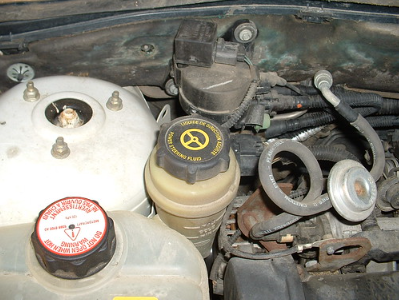
Toyota power steering fluid under the hood.

How Does Power Steering Work and How Do I Check the Fluid?

Power steering helps reduce steering effort by using hydraulic or electric assistance. Checking power steering fluid regularly can help prevent hard steering and system damage. Common warning signs include noise, leaks, low fluid, pump trouble, and unusual steering wheel movement. The advent of automobiles in the early days meant that drivers had to rely heavily on their physical strength to maneuver their vehicles, especially when it came to parking. However, the invention of power steering revolutionized the driving experience. Nowadays, most cars are equipped with this system, with the exception of certain electric and hybrid models. By utilizing either hydraulic or electric power, drivers can effortlessly turn the steering wheel, transforming once-challenging maneuvers into seamless and effortless experiences. To grasp the mechanics behind this remarkable advancement in automotive technology and how to maintain it, let's delve deeper into the inner workings of power steering systems. Introduction to Power Steering The first power steering system installed in a production vehicle made its debut in the 1951 Chrysler Imperial, signaling a major leap forward in automotive technology. This ground-breaking system didn't merely facilitate easier control over heavy vehicles; it also laid the groundwork for improvements in steering responsiveness. Prior to this, executing tight turns or parking maneuvers were arduous tasks demanding multiple wheel rotations, a result of slow gearing that allowed drivers to manage the considerable effort required to steer. With the advent of power steering, however, these systems were refined, enabling a faster steering ratio. How Power Steering Works Power steering operates on a similar principle to the brake system, functioning as a hydraulic system. It's more accurately referred to as power-assisted steering owing to the mechanical link between the steering wheel and the wheels of your vehicle. The car's engine delivers power to pump steering fluid from the reservoir to the rack and pinion via a belt and pulley. As you turn the steering wheel, the hydraulic fluid, also known as power steering fluid, is directed through a piston that provides additional force to move the vehicle in the intended direction. Once you straighten the steering wheel, the valve closes to stop the flow of fluid, causing the piston to retreat. Types of Power Steering Systems Power steering systems mainly fall into three categories: hydraulic, electric, and electrohydraulic. Hydraulic: A hydraulic power steering system connects directly to the steering rack and relies on an engine-driven belt pump to pressurize the power steering fluid. Electric: Electric power steering systems simplify design and reduce weight by removing the need for components such as a pump, pulley, belt, hoses, or power steering fluid. Instead, an electric motor connected to the steering rack or column provides the necessary steering assistance. Electrohydraulic: This hybrid system combines the features of both electric and hydraulic systems. It commonly utilizes electric pumps to pressurize the hydraulic fluid rather than engine-driven pumps, with some even capable of turning off the electric pump when not in use to save energy. The Importance of Power Steering Fluid Power steering fluid plays a crucial role in maintaining the proper function of the system. It acts as a lubricant for all the moving parts and helps dissipate heat generated by the pump. Without enough fluid, the system can malfunction, causing difficulty in turning or even complete failure. Regularly checking and maintaining the fluid level is essential to ensure a smooth and efficient driving experience. Step-by-Step Guide To Checking Power Steering Fluid To check your power steering fluid, you'll need a clean rag, a pair of gloves, and some power steering fluid. Here are the steps to follow: Park your car on a flat surface and let the engine cool down for a few minutes. Open the hood of your car and locate the power steering fluid reservoir, which is usually near the front of the engine and has a cap labeled "Power Steering." Wipe off any dirt or debris from the cap before opening it to prevent contamination. Using the rag, wipe the dipstick attached to the underside of the cap to clean it. Inspect the color of the power steering fluid. Good power steering fluid should have a pinkish, amber, or clear hue. Reinsert the dipstick into the reservoir and pull it out again to check the fluid level against the markings on the dipstick. If the level is below or near the "add" line, add more fluid until it reaches the "full" line. Put back the cap tightly and wipe off any spilled fluid with a rag. Common Power Steering Issues Power steering, like any mechanical system, can encounter issues over time. Here are a few common problems: Noise: A whining or groaning sound when turning the steering wheel could indicate a problem with your power steering system. Fluid leaks: If you notice an amber, pink, red, or even clear puddle under your car, this could be a sign of a power steering fluid leak. Low power steering fluid: If you notice difficulty in turning or a steering wheel that feels too loose, it could be due to low power steering fluid. Pump failure: An excessively noisy or rough steering wheel, especially when turning at low speeds, could indicate a problem with the power steering pump. Unusual steering wheel movements: A shaking or vibrating steering wheel could be an indication of a failing power steering system. Maintaining Power Steering System Maintaining your power steering system is crucial to ensure its longevity and optimal performance. One key aspect of this is regularly changing the power steering fluid. The frequency of fluid change depends on the type of fluid used and the volume of fluid in the system. The best approach is to adhere to the guidelines provided by the original equipment manufacturer. Generally, it's recommended to replace the power steering fluid at least every two to three years or after every 50,000 to 75,000 miles, whichever comes first. In addition to regular fluid changes, it's essential to address any issues with the power steering system immediately. Ignoring problems can lead to more significant and costly repairs in the future. If you're unsure about how to maintain your power steering system, it's always best to seek professional assistance. A trained mechanic can inspect the components of your system and advise on necessary maintenance or repairs. Need Professional Help? Visit Keith Pierson Toyota The thought of flushing your power steering system may seem daunting, or maybe you're concerned about the cleanup. No need to worry. At Keith Pierson Toyota in Jacksonville, Florida, we have a team of professional mechanics with expertise in power steering systems. From fluid replacement to addressing critical issues, we're equipped to ensure your vehicle's power steering system is maintained at its best. Feel free to contact us or visit our service center to schedule a service today. power steering 3 by schwartz.mark is licensed with CC BY 2.0 DEED Frequently Asked Questions How does power steering help when driving? Power steering reduces the physical effort needed to turn the wheel by using hydraulic or electric assistance, making parking and low-speed maneuvering much easier. What color should healthy power steering fluid be? Good power steering fluid should typically appear pinkish, amber, or clear when you inspect it on the dipstick. What are common signs of a power steering problem? Common warning signs include whining or groaning noises, fluid leaks, hard steering, a loose-feeling wheel, pump-related roughness, or shaking and vibration in the steering wheel.

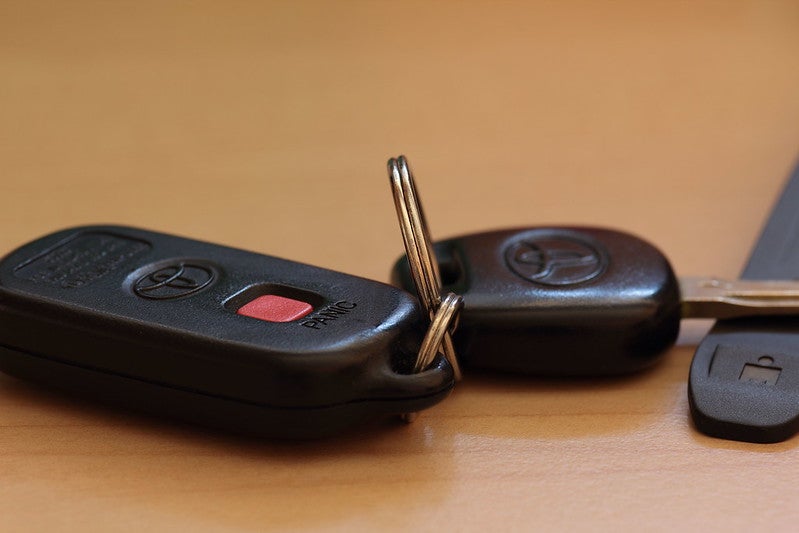
Two Toyota key fobs resting on a table.

Toyota Key Fob Tricks You May Not Know

Meta Description: Learn a few lesser-known Toyota key fob tricks, how to replace a dead key fob battery, and when to get help from Keith Pierson Toyota in Jacksonville. SEO Title: Toyota Key Fob Tricks You May Not Know | Keith Pierson Toyota Blog Post Title: Toyota Key Fob Tricks You May Not Know Some Toyota key fobs may be able to roll all four windows down or activate a power-saving mode. Most Toyota key fob battery issues can be resolved by opening the fob carefully and replacing the battery. Keith Pierson Toyota can help with battery replacement, programming, and genuine replacement key fobs. Your Toyota's key fob is a useful device that allows you to easily perform functions such as locking and unlocking the doors and trunk of your car. If you own a newer model, you may also have the Toyota Smart Key system that facilitates keyless entry. Besides these common functions, your key fob can do some other things that you may not be aware of. Check out this helpful guide to make the most of your Toyota key fob. What Are Some of the Lesser-Known Uses of a Toyota Key Fob? The features available on Toyota key fobs may vary from one model to another. So you may or may not be able to use all the tricks listed below, but there's no harm in giving them a try. Let's take a look at some of the hidden features of your Toyota key fob. Rolling All Four Windows Up and Down If you own a Toyota Prius from 2016 onwards, you can use your key fob to unroll all your windows at once. This trick is especially handy when you want to let hot air out of the cabin on a scorching summer day. All you need to do is press and hold the unlock button, and you'll see all four windows roll down simultaneously. When you're ready to park your vehicle in a shady spot, simply press and hold the lock button to roll them right back up again. Activating Power Saving Mode Does your Toyota have the push-button start function? If it does, you may be able to put your key fob in power saving mode. Once this mode is activated, your key fob can't send or receive radio waves, which ensures that its battery will last longer. This is a great trick to use when you don't plan on driving your vehicle for days or weeks, such as when you're busy working at home or going on a vacation. It can also help prevent thieves from stealing your car when it's parked outside. You can activate power saving mode on your Toyota key fob by pressing and holding the lock button until you see a red light flash once. Continue holding the lock button and press the unlock button twice, which will cause the light to flash three times. This means that your key fob has entered into power saving mode. If you want to turn off this so-called sleep mode, simply press any button to cancel. Note that this Toyota key fob trick is unavailable on some Smart Key-equipped models. Check your owners manual to find out if it works on your vehicle. How To Replace Your Key Fob Battery If you find that your Toyota key fob isn't working as it should, the culprit is more often than not a dead battery. Fortunately, it isn't difficult to replace your key fob battery. Here's how to do it. Opening the Key Fob Opening the key fob can be tricky, as you may break it if you aren't careful. However, there's a simple and safe way to do this. If you're driving a newer Toyota vehicle, your key fob has a built-in metal key that can be inserted into a slot meant for opening the case. To gain access to this key, check the bottom of the fob for a small button and press it. This will release the key, which you can use to open the fob and replace the battery. Older Toyota key fobs open differently. You'll have to insert a thin tool, such as a paperclip, penny, or flat-head screwdriver, into the notch at the bottom of the fob. Then, turn the tool until the case pops open. Replacing the Battery Before you replace your key fob battery, make sure you know what type of battery you need to purchase. For most Toyota models, the key fob uses a CR2032 battery, which is readily available at big-box department stores or electronics stores. However, to be safe, it's best that you get your replacement key fob battery from the service center of your local Toyota dealership. The factory-certified technicians at a dealership know what type of battery is compatible with your specific key fob, and they can also help you with the battery replacement. If you prefer to take matters into your own hands, you'll need one of the aforementioned flat tools to replace your Toyota key fob battery. After you've opened the key fob, you'll see an electronic piece that can be easily removed. Place the fob on its back, and use the tool to remove the old battery from its slot. Then, install the new battery to complete the process. Programming the Key Fob Before you head back on the road, you need to take one additional step, which is programming your Toyota key fob. Doing this ensures that your fob is synced with your vehicle so that it will function as it should the next time you use it. Follow these steps to properly program your key fob: Get in your Toyota and close all the doors. Insert your car key into the ignition and turn it from “off” to “on.” Within five seconds, turn the key to the “off” position. Take the key out of the ignition. Open and close the driver-side door two times within 40 seconds. Insert your key into the ignition and then remove it. If you manage to do everything within 40 seconds, your door locks will engage to indicate that you've successfully programmed your Toyota key fob. Get Help With Your Toyota Key Fob From Keith Pierson Toyota If you own a Toyota vehicle in Jacksonville, Florida, and need help with your key fob, get in touch with the knowledgeable and helpful team at Keith Pierson Toyota. Whether you want to learn how to use certain key fob functions or replace your key fob battery, we're happy to provide you with any information or assistance you need. If you've lost your key fob, you can get an original equipment manufacturer replacement that matches your Toyota model from our well-stocked parts center. Contact us today to get the best Toyota key fob services in the Jacksonville area. Keys by John Loo is licensed with CC BY 2.0 Frequently Asked Questions Can a Toyota key fob roll the windows down? Some Toyota models may allow you to roll all four windows down by pressing and holding the unlock button. Availability can vary by model and model year, so it’s best to test the feature carefully or check your owner’s manual. What battery does a Toyota key fob usually use? For many Toyota models, the key fob uses a CR2032 battery. If you want to be certain you have the correct replacement for your specific vehicle, the service center at Keith Pierson Toyota can help. What should I do if my Toyota key fob still does not work after a battery replacement? If your key fob still is not working, it may need to be reprogrammed or inspected for damage. You can reach out to Keith Pierson Toyota for help with programming, battery replacement, or getting the right replacement fob.

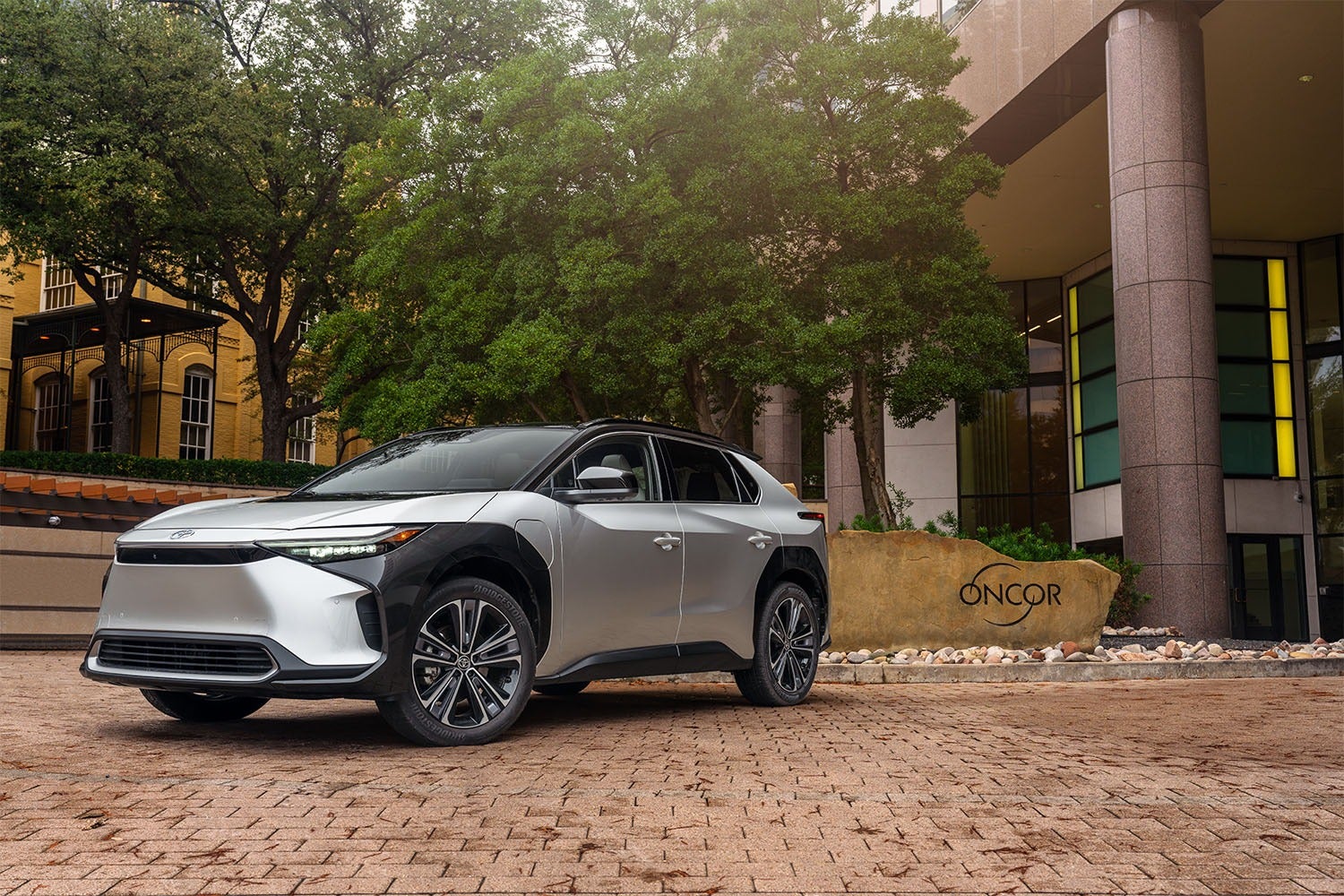
A Toyota EV ready to be charged in Jacksonville, FL

EV Charging Stations in Jacksonville, FL

f you live in Jacksonville, Florida, or are just visiting, you'll find electric car charging stations in parking garages and nearby attractions, hotels, and shopping outlets. The city of Jacksonville offers 197 public charging station ports (Level 2 and Level 3) within about 15 miles. While some are free, some are run by companies that charge a membership fee for free or deeply discounted charging at all their stations. Take a look at this list of electric charging stations in Jacksonville and other useful information. more Coggin Nissan at the Avenues You can find this charging station at 10859 Philips Highway in Jacksonville, Florida. Although it's not networked, it offers one J1772 port, one CHAdeMO port, and one J1772 combo port. There is also one Quick Charger and one Level 2 charger in the front of the showroom. Just keep an eye out for the green-painted parking spots near the chargers. A second Level 2 charger is located to the left of the service door, and the Level 2 charger is located on the building's south side. If this option is along the way for you during business hours, it could be a good place to recharge. Just remember that after the dealership's business hours, the chargers are not accessible. The Avenues Mall This Electrify America 150 kW DC charging station is accessible 24 hours a day, seven days a week. It's a convenient location for you to charge your electric vehicle while shopping at the mall. You can find this charging station at 10300 Southside Blvd., Jacksonville, Florida. There are two connectors here: Combined Charging System (CCS)/Society of Automotive Engineers (SAE) (four plugs) at 150-350 kW and CHAdeMO (one plug) at 50 kW. Pass+ membership ($4 monthly) is required for the lowest rates possible, such as $0.36/kWh. Caravan parking is available here, and it's well lit and free of charge. Gate Parkway Supercharger Available 24/7, this charging station is situated at 4866 Gate Parkway, Town Center and Gate, Jacksonville, Florida. You'll receive a Tesla Supercharger with eight outlets and 150 kW of power. Parking is free at this charging station, and you can enjoy shopping, Wi-Fi, lodging, parking, dining, and restrooms nearby. St. Augustine Supercharger This charging station is situated at 2700 FL-16, St. Augustine, Florida. It includes a fast Tesla Supercharger with six plugs that are capable of producing up to 150 kW. You'll find them in the St. Augustine Premium Outlet Mall on the west side of I-95. They're located northeast of the main mall's food court, on the southeast side of the smaller building that houses the Eddie Bauer and Gap stores, directly behind the Gap Factory Store. Make sure you're not searching the other mall on the east side. If arriving after hours, take the "Toms Road" exit off FL-16. Be aware that the chargers are not lit up or accessible after closing time, which is 8 p.m. Daydream Avenue Parking This charging station is located at 235 E. State Road 200, Yulee, Florida. It's open 24 hours a day, seven days a week, and charges $0.30 per kWh. It includes a total of six Florida Power & Light (FPL) EVolution Fast Chargers. Be sure that you've downloaded the FPL EVolution app for full charger functionality. Four 200 kW chargers and two 360 kW chargers are available, and you can take advantage of the trailer-friendly pull-through parking. Normandy Square EVgo is the largest public electric vehicle fast-charging network in the United States, and it's proud to be powered entirely by renewable energy. You can find a well-lit EVgo charging station with three different types of outlets on 7991 Normandy Blvd., Jacksonville, Florida. You can use one of six CCS/SAE plugs at 100 to 350 kW, six CHAdeMO plugs at 100 kW, and two Tesla fast plugs at 100 kW. Register with EVgo via the EVgo app or website for the best rates. Hilton Garden Inn Jacksonville Airport This charging station, situated at 13503 Ranch Road, Jacksonville, Florida, is made up of six Tesla stations and four J-1772 chargers. This charging station is available 24/7. As a customer of the hotel, you can also use the business center, on-site fitness center, free Wi-Fi, facilities for meetings, an on-site restaurant, and room service. Tips for Electric Charging in Jacksonville, Florida There are even more charging stations accessible in the parking lots of various companies across Jacksonville, Florida. Their accessibility varies depending on the policies of those lots. Overall, charging procedures are simple for the ordinary commuter, and charging before ever reaching 30 percent or lower helps prevent you from running too low. Other ideas include: Try to keep your electric vehicle out of direct sunlight throughout the summer, such as in a garage or parking lot. Use global positioning system navigation, and plan your trips efficiently ahead of time. Avoid using the highest available charge type, such as Level 2 or 3, too often, as this might be taxing on the battery. Charge up to 80% instead of 100%. This is better for the battery and allows you to use regenerative braking properly. Don't keep your automobile plugged in after it's been properly or fully charged. It may be a good idea to have memberships with multiple charging station businesses. Along with lowered rates, having memberships can also help provide the latest updates on charging station availability. Compared to always finding a place to charge at publicly accessible, completely free charging stations, the expense of having at least one network membership is generally worth it. Even though more electric charging stations are being established around the country, the majority of electric car charging is done at home. Most households will need substantial expenditure to install the required infrastructure to charge an electric vehicle and important accompanying technology, such as solar panels. However, more businesses and public locations are adding charging stations, especially in massive cities such as Jacksonville. Bookmark These Charging Stations in Jacksonville, Florida Please save our list of charging stations in and around Jacksonville, Florida, to peruse at your leisure. If you live in Jacksonville or neighboring Lakeside, Palm Valley, or Yulee and need a new car or automobile servicing, Keith Pierson Toyota is the place to go. We encourage you to browse our new Toyota inventory, and we invite you to visit our dealership or call us when you have the time. Toyota Electric Vehicles photo courtesy of Toyota.com

A hand holding four Credit Cards against a white background

Can I Buy a Car With Bad Credit?

It's possible to buy a car even if you have bad credit. However, it's important to understand how your credit score can impact your financing options. Credit agencies use an algorithm that considers your debt, income, available credit, and payment history to calculate your credit score. Higher scores indicate a lower risk to lenders, while lower scores indicate a higher risk. So a low credit score won't prevent you from securing a loan. However, banks may impose higher interest rates and offer smaller loan amounts due to the increased risk. Even with the credit scores and common practices associated with issuing loans, no standard exists that the industry must follow. This means that each lender has its own policies, which may result in approval by one lender and denial by another. more Credit Scores Explained Lenders rely on the three major credit bureaus, Experian, Equifax, and Trans Union, to obtain your credit score, which indicates your creditworthiness. Scores range between 300 to 850 points, and each agency will have a different score for you based on the information they access and their algorithm. However, auto lenders typically use the FICO Auto Score to determine the creditworthiness of borrowers. It ranges from 250 to 900 points and puts more emphasis on responsible debt management, considering factors such as payment history, available credit, and debt-to-income ratios. As a result, a higher FICO score will produce a lower interest rate on a higher loan amount and vice versa. Suppose you fall within the 20% of consumers with a top-tier FICO score of 800 to 900 points. In that case, you can expect fast approval on a loan with an interest rate of 0% to 3%. Twenty-five percent of buyers have FICO scores between 740 and 799 points. This range is still a very good score. So you can expect loan approval with a 3% to 6% interest rate if you fall in this category. Scores between 670 and 739 points fall into a middle category where lenders vary slightly more on approvals and interest rates. If approved, you likely will have an interest rate between 5% and 8%. For scores ranging from 580 to 669 points, lenders are more selective about approval, and the interest rates can be between 7% and 12%. Any score falling below 580 presents the highest risk to lenders. Securing an auto loan with a score below 580 is still possible. However, interest rates start at 13% and can go much higher than that, depending on the circumstances. How To Raise Your Credit Score The credit bureaus' algorithms measure many factors, and scores usually take time to move. However, you can do a few things that can have an immediate and significant impact on your score. First, you need a copy of your credit report to see what's on it. Many people review their credit reports and find credit history that belongs to someone else. And it's almost always negative. Getting these removed from your report can change your score dramatically. If there are any late payments on your credit report, you can contact the lenders who reported them and ask for their removal. Most lenders are willing to do this if you've been consistent with your payments since the late ones occurred. Of course, they don't have to, but they never will if you don't ask. Credit utilization is another factor in your credit score. Unfortunately, most people have yet to learn what this means and how it works. Simply put, your credit utilization is how much you owe on credit cards compared to how much credit you have left to borrow against. For instance, if you have a credit card with a $1,000 limit and owe $500, your credit utilization is 50%. However, most lenders want to see your credit utilization under 30%. So in this example, if you paid $250 on this account, your rate drops to 25%, and you're now in the range lenders like to see. You can also use Experian Boost to increase your credit score. Experian Boost allows you to apply on-time rent and utility bills such as gas, electricity, and telephone to improve your credit score. Keith Pierson Toyota Finance Department At our Keith Pierson Toyota dealership, we believe everyone has the right to own a vehicle, regardless of their credit. Our finance managers have decades of experience finding loans for buyers in all credit categories. To help you get started, we encourage you to complete our online pre-approval application. You'll receive an answer in minutes, including your loan amount, interest rate, monthly payment, and terms. We know some people prefer a face-to-face meeting to discuss their financing options. Feel free to visit us at 6501 Youngerman Circle if this sounds like you. One of our finance managers will answer your questions and help you through the process. We also have a convenient online vehicle valuation tool to get an accurate price for your current vehicle as part of a trade-in. It's quick and easy. You input the relevant information about your car's make, model, mileage, and condition, and in seconds, you'll get a fair offer. We'll purchase your car whether or not you buy another vehicle from us. If you're curious about how a deal might look, we have an online calculator that lets you estimate your costs based on variable loan amounts, trade-in values, down payments, interest rates, and terms. With this information, you can shop confidently, knowing what you can afford. Explore Your Car-Buying Options Today in Jacksonville A less-than-perfect credit score shouldn't deny you the privilege of vehicle ownership. That's why our finance department provides expert advice and transparent pricing models so you can make an informed buying decision, regardless of credit history. We invite you to shop our virtual inventory to see what you like and speak with one of our loan specialists to explore your financing options. Image by Avery Evans is licensed with Unsplash License

Toyota 4Runner on a beach near Jacksonville, FL

What to Look for When Buying a Used Toyota

Are you thinking about buying a used car in Jacksonville, Florida? At Keith Pierson Toyota, we understand that purchasing a pre-owned vehicle can be an exciting and budget-friendly option. However, it's best to approach the process with caution and ensure you make a wise investment. Let's take a look at some valuable tips and insights on what to look out for when buying a used car and important factors to consider during your purchase. more Research the Perfect Vehicle for Your Needs Before diving into the used car market, it's essential to do your homework. Take the time to research your needs, your budget, and the specific make and model of vehicle that you're interested in. Be realistic about what car you'd like, how practical it is, and how much you can spend. Set Your Budget Make a smart financial decision by realistically determining your budget for your used car purchase. Don't only look at the initial buying price but also look out for the extra costs, which include insurance, maintenance, and fuel consumption. By setting a realistic budget and sticking to it, you can avoid overspending and focus on finding the best value for your money. Vehicle History Check Uncover the truth and ensure that you have full transparency. Make an informed decision by obtaining a comprehensive vehicle history report. These reports provide essential information about past accidents, maintenance records, ownership history, and mileage verification. If the vehicle doesn't have a report, it's worth spending the money to get one. The minimal cost is well worth knowing the full history of the car. Don't be afraid to ask questions about the vehicle. This includes things such as how many owners has the vehicle had and what part of the country does the vehicle originally come from? Ask about the warranty and whether you can buy an extended warranty. Make sure that the vehicle manual is available. Do a Thorough Physical Inspection A meticulous physical inspection is crucial when buying a used car. Look for signs of deterioration on the vehicle that you're considering. Give yourself the time to thoroughly examine the vehicle from the exterior to the interior, including the engine, the mechanical components, and the undercarriage. Be on the lookout for any signs of repainting, dents, rust, or excessive wear. Leaks under the car could indicate future problems. While checking the vehicle, also pay close attention to the frame. Is the vehicle level on the ground? Is the undercarriage free of anything hanging from it? Look at the condition of the bumpers and make sure to look in the hood and the trunk for any obvious new bolts or any warping. These could be signs of previous accidents. After you've carried out a visual inspection, take the used Toyota on a test drive. Listen for any unusual sounds while driving and make sure to drive in different conditions, such as the suburbs, the city, and on the highway. Are there any strange smells pointing to an exhaust leak or transmission troubles? Test the car's acceleration, maneuverability, and braking. Find somewhere to parallel park, as it's the best way to find any blind spots in the vehicle. Vehicle Identification Number (VIN) Verification Although Toyotas are known for their reliability, the state of each used Toyota will depend on its vehicle history. To ensure the authenticity of the used car, verify that the VIN on the car matches the number on the title and registration documents. Inconsistencies may indicate tampering or fraudulent activities. Additionally, ensure the VIN plate is intact and hasn't been altered in any way. It's a good idea to run the VIN through a paid service, which will report whether the car has been involved in an accident, whether there are any liens on it, and whether there are any recalls on the model. Pre-Purchase Inspection Get expert advice by arranging a pre-purchase inspection by a qualified mechanic. They can identify hidden issues and give an evaluation of the vehicle that's objective. This step is particularly important when purchasing from a private seller. Our certified technicians are available to conduct thorough inspections to help you make your decision. An auto technician will see if the car has any areas of concern that might create a problem in the future and they could save you a fortune in the long run. Choose a Trusted Seller For reliability and trustworthiness when buying a used car, it's important to choose a reputable seller or dealership. Research the seller's reputation, customer reviews, and business history. At Keith Pierson Toyota, we've been serving the Jacksonville community for over 20 years, offering exceptional customer service, a wide selection of reliable pre-owned vehicles, and a dealership experience you can trust. Negotiations and Documentation Once you've found a suitable vehicle, it's time to negotiate the price and seal the deal. Your best tool for negotiating is knowledge, so your previous research comes in at this point. Consider the condition of the car, its market value, and any identified issues during the inspection before you agree on the price. Financing and Trade-In Options Purchasing a used car in Jacksonville, Florida, requires careful consideration and thoroughness. By following the tips provided and using our resources, you can find your way around the used car market more confidently. We can also help you decide what to do with your old vehicle through our different trade-in options. Once you've decided on your options our finance department will guide you through the entire process, which will be quick and hassle-free. Ready To Find Your Next Toyota? With these steps, you can avoid being caught out, make a wise choice based on research, and find a reliable used car. Start your journey with Keith Pierson Toyota today and experience our commitment to customer satisfaction and quality pre-owned vehicles. We believe in fair and transparent pricing, ensuring you get the best deal possible. Our knowledgeable sales team can guide you through the process and ensure that you find the best vehicle for your needs. Car camping in the PNW is quite easy by Kyle Grozelle is licensed with Unsplash License

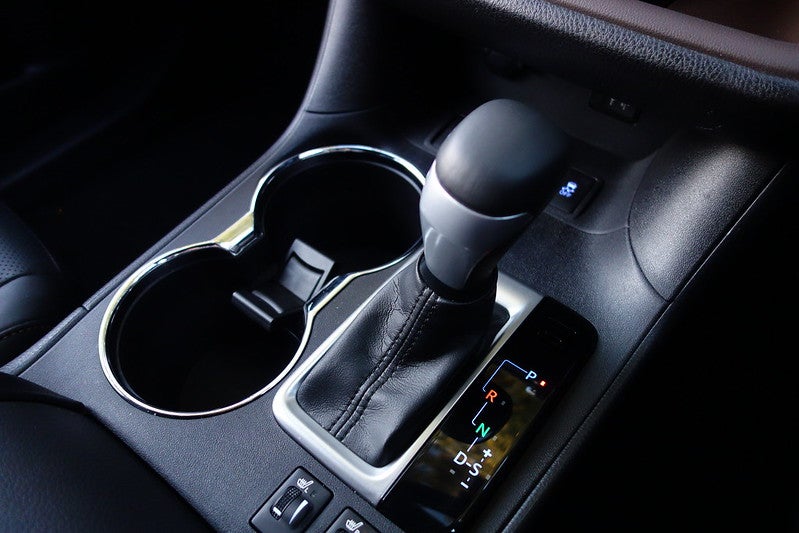
A manual transmission stick on a Toyota

Highlander Transmission Fluid Change Guide

Checking your Toyota Highlander’s transmission fluid is a straightforward process when you follow the correct steps and inspect both condition and level. Transmission fluid should generally be changed around every 30,000 miles or every two years, though severe driving conditions may require shorter intervals. Warning signs such as grinding noises, slipping gears, difficult shifting, and unexpected surging can point to contaminated or low transmission fluid. The transmission is an integral part of your Highlander, transferring power from the engine to the wheels as you drive. It's responsible for converting the right amount of power to achieve the desired speed, so even a minor problem in the transmission can significantly affect your vehicle's performance. Getting your Highlander's transmission checked and serviced regularly is essential to stay on top of any potential issues. With proper maintenance, you can expect your Highlander to have fewer transmission problems over its life span. Keeping the transmission fluid clean and topped up is one of the most important aspects of maintaining your Highlander's transmission. The transmission fluid lubricates and cools the transmission's internal components. Without it, the transmission can't function properly. Over time, dirt and debris contaminate the fluid, and you'll need to replace it to prevent potential transmission damage. Fortunately, changing the transmission fluid on your Highlander is relatively straightforward. Read below as our team at Keith Pierson Toyota in Jacksonville, Florida, shares this informative guide with all the information you need to successfully replace your Highlander's transmission fluid and keep your vehicle running smoothly. How Do You Check Transmission Fluid in a Toyota Highlander? Checking the automatic transmission fluid on your Toyota Highlander is an easy process. Follow the steps below: Park the vehicle: Ensure it's on a level surface, engage the parking brake, start the engine, and let it run for a few minutes to warm up. Locate the transmission fluid dipstick: If you're having trouble locating it, consult the owner's manual. It's typically on the right side of the oil dipstick. Pull out the dipstick: Wipe it clean with a piece of cloth, then reinsert it. Remember to keep the engine running and the car in Park with the parking brake engaged. Check the fluid: Smear a bit between your finger and thumb to test its consistency; it should be bright red, transparent, free of particles, and smooth. You'll need to schedule a complete fluid change if you notice any abnormalities. Clean, reinsert, and remove the dipstick again: This time, check the fluid level. Ensure it reaches the "Full" line on the dipstick, or add more fluid. How Do You Change Transmission Fluid in a Toyota Highlander? Changing the transmission fluid involves more than checking it, but it's still doable. Generally, having a certified technician change it is best. But if you prefer doing it yourself, follow these steps: Park your Highlander on a level surface with the parking brake engaged. Elevate the car using ramps or jack stands to safely raise the vehicle to give you access to the transmission pan. Locate and remove the transmission oil pan to drain the fluid. Place a drain pan underneath it to catch all the drained fluid. Replace the filter and reinstall the pan using a new gasket, securing all bolts tightly. Refill the transmission with new fluid using a funnel to avoid spills. Ensure you're using your Highlander's correct transmission fluid type, which you'll find in the owner's manual. Replace the transmission dipstick into its hole and check that it registers correctly on the gauge. Recheck your work and ensure you've tightened all screws properly before starting your vehicle. Lower the car and start the engine to check for leaks around the oil pan. How Often Should I Change My Highlander's Transmission Fluid? Maintaining the health of your car's transmission is essential to ensure your vehicle runs smoothly. While knowing when to do a transmission fluid change may seem overwhelming, it's quite simple. The recommended change interval for your Highlander's transmission fluid is usually around 30,000 miles or every two years, whichever comes first. Shorter intervals may be necessary if you drive in more demanding conditions, such as regularly towing heavy trailers or dealing with the frequent stop-and-go traffic in Jacksonville. Refer to the owner's manual for specific recommendations, which can vary depending on your vehicle's model year. How Do You Know When To Change Your Highlander's Transmission Fluid? While regular maintenance is essential, a few warning signs indicate you may need to change your Highlander's transmission fluid sooner than expected, including the following: Unusual noises coming from the transmission (e.g., whining, grinding): When driving your vehicle, if you notice your transmission grinding or making strange noises, stop immediately and check the transmission fluid level while the engine is still running. Your vehicle most likely requires a transmission flush if the transmission fluid level is normal. Slipping gears: If you experience gear slippage when accelerating or shifting, it could be because of a lack of transmission fluid or the presence of dirt and grease. Either way, you'll need to change the transmission fluid to get your vehicle back up and running at full performance. Difficult shifting: If your car takes too long to shift between gears, it could indicate a dirty transmission filter, which can cause your vehicle to respond slowly and result in jerky, rough shifting. Changing the transmission fluid and filter is the best remedy. Unexpected surging: Dirt and contaminants in your vehicle's transmission can lead to an inconsistent flow of clean transmission fluid, causing the unexplainable surging of your vehicle. It may jump or surge forward and fall backward for no good reason, which is a clear sign it's time to change the transmission fluid. Schedule Your Transmission Fluid Change at Keith Pierson Toyota Although you can change your Toyota Highlander's transmission fluid yourself, taking it to a certified technician at Keith Pierson Toyota is the best way to ensure your vehicle receives the proper care and attention it requires. Our experienced technicians can accurately assess the transmission fluid's condition and recommend a course of action. And if you're due for an upgrade, we offer a wide selection of quality pre-owned and new Highlander models. Contact us today to book a service appointment to keep your Highlander's transmission fluid running at its best. Toyota Highlander GXL by Ilam Toyota is licensed with CC BY 2.0 Frequently Asked Questions How do you check transmission fluid in a Toyota Highlander? Park on a level surface, warm up the engine, locate the dipstick, wipe and reinsert it, then inspect both the fluid’s condition and the level against the “Full” line. How often should Highlander transmission fluid be changed? This guide recommends changing your Highlander’s transmission fluid about every 30,000 miles or every two years, though severe driving conditions can shorten that interval. What are signs your Highlander may need a transmission fluid change? Common warning signs include grinding or whining noises, slipping gears, difficult shifting, and unexpected surging while driving.

Contact Us

Fill out this form below and we'll contact you shortly
*Required Fields