

Blog

All New Toyota Vehicles Local Parts And Service Toyota Tips Model Comparison Finance Maintenance Camry Highlander Tundra Corolla Local Events & Community RAV4 Corolla Cross Tacoma Technology EV
Screenshot-2025-07-18-121627

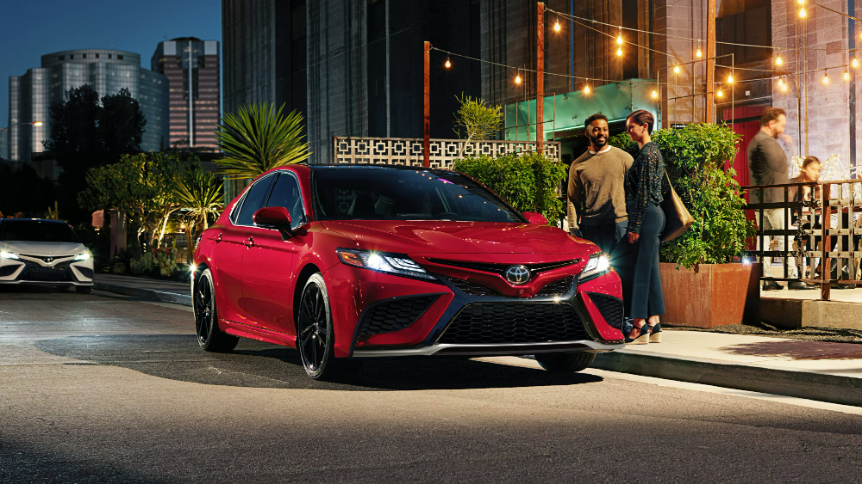
The 2025 Toyota Lineup by Life Stage: First Car, Family Car, Forever Car

Life changes, and so do your transportation needs. The 2025 Toyota lineup understands this reality by offering vehicles tailored for each step of life's journey. Whether you need your first reliable car on a tight college budget, have a family that's outgrowing your current ride, or are ready for that luxury car you've always dreamed of, Toyota's newest models deliver solutions that adapt to your changing world and grow alongside you. more First Car: Affordable and Reliable Choices for New Drivers Toyota builds reliable, affordable cars equipped with modern safety features that put both new drivers and worried parents at ease. Consumer Reports ranks Toyota third for reliability behind only Subaru and Lexus, which means you'll face fewer surprise repair bills, go longer between major services, and get a better trade-in value when you're ready to upgrade. Toyota's extensive dealer network is another big plus for car novices who might not know much about maintenance. You can find qualified technicians and genuine Toyota parts anywhere in the country. With most models including impressive warranty coverage and Toyota Safety Sense 3.0 as standard, Toyota vehicles give new buyers (and their nervous parents) real peace of mind. 2025 Toyota Corolla: A Classic Starter Car The Corolla is Toyota's main entry-level option for new drivers who want something small and efficient. Its blend of affordability and modern tech gives first-time buyers extra value without premium pricing. Prices run from $22,325 to $28,190, depending on the trim. The 2.0-liter engine delivers 169 horsepower and an EPA-estimated 32 mpg in the city and 41 mpg on the highway, while hybrid models hit 48 mpg combined. Standard tech features include an 8-inch touch screen, wireless Apple CarPlay and Android Auto, and a three-month trial subscription to SiriusXM. Higher trims add a 10.5-inch touch screen and wireless charging. Every Corolla comes standard with Toyota Safety Sense 3.0, which features automatic braking, lane-keeping assist, and pedestrian detection. If you're looking for a compact car with great fuel efficiency and user-friendly tech, the Corolla fits the bill. Family Car: Spacious and Safe Solutions for Growing Families When it comes to car shopping, kids change everything. Toyota's 2025 family vehicles are designed with these needs in mind. With 65% of family buyers prioritizing safety, Toyota's safety systems deliver across the lineup. Family cars must juggle numerous demands, including seating capacity, cargo space, fuel economy, and safety. Toyota's family models excel in these areas while maintaining the reliability that makes them wise long-term investments. 2025 Toyota Sienna: The Ultimate Family Minivan The 2025 Sienna delivers impressive capabilities. Starting at $39,185, its whisper-quiet, 245-horsepower hybrid engine gets an impressive 36 mpg combined. Front-wheel-drive models can travel 648 miles between fill-ups, while all-wheel-drive models reach 630 miles. Space is a strong feature, with the Sienna offering best-in-class third-row legroom of 38.7 inches, comfortably accommodating adults. You also get 101 cubic feet of cargo space behind the front seats, and the Sienna can seat seven or eight depending on whether you opt for second-row bench seating or captain's chairs. The Sienna has earned a five-star rating from the National Highway Traffic Safety Administration and an Insurance Institute for Highway Safety Top Safety Pick award. Higher trims include family-friendly features such as a built-in vacuum and a cooling box for snacks. 2025 Toyota Highlander: Versatile SUV for the Whole Family The 2025 Highlander offers SUV capability combined with decent fuel economy. Starting at $39,820, the turbo 2.4-liter engine produces 265 horsepower and 310 pound-feet of torque. It achieves 22 mpg in the city and 29 mpg on the highway with front-wheel drive. Cargo space includes 16 cubic feet behind the third row, expanding to 84.3 cubic feet with the seats folded. The third row is better suited to kids than adults. If you need more room, consider the Grand Highlander, which has seating for eight and 97.5 cubic feet of cargo space. Its hybrid system delivers 362 horsepower while maintaining reasonable fuel economy. While still not as spacious as the Sienna, the Highlander and Grand Highlander appeal to families who prefer the SUV aesthetic and higher driving position. Forever Car: Luxury and Longevity With Toyota's Premium Options Some buyers seek a forever car — one that's luxurious and built to last yet timeless. Toyota's 2025 premium models blend luxury with reliability for lasting satisfaction. 2025 Toyota Crown: Performance and Prestige The Crown is Toyota's premium hybrid sedan for luxury seekers. Starting at $41,440, the XLE and Limited trims use a standard 236-horsepower hybrid system to achieve 41 mpg combined. The Platinum trim features a 2.4-liter Turbo Hybrid MAX system that generates 340 horsepower, although fuel efficiency drops to 30 mpg combined. Luxury features include a 14-inch touch screen, heated and ventilated front seats, wireless charging, a panoramic roof, and an 11-speaker JBL audio system. Toyota Safety Sense 3.0, with adaptive cruise control, collision prevention, and lane-keeping assist, comes standard. For those who prefer an SUV over a sedan, the all-new Crown Signia joins the lineup for 2025. With a starting price of $43,790, its 2.5-liter hybrid all-wheel-drive system generates 240 horsepower and 38 mpg combined with a highway range of 460 miles. With 66 cubic feet of cargo space and seating for five, it offers many luxury benefits as standard, including a 12.3-inch touch screen, a 12.3-inch digital dash, and wireless Apple CarPlay and Android Auto. Making the Right Choice: Factors to Consider at Each Life Stage Picking the right Toyota means making an honest assessment of your current needs and future plans. First-time buyers should focus on affordability, reliability, and safety, while family shoppers must consider seating, cargo space, gas mileage, and safety ratings. When choosing your Toyota, define what you really need, then factor in your lifestyle, budget, and how you'll use the car. For luxury “forever” cars, consider long-term ownership costs, advanced technologies, and comfort features that will still feel relevant for years to come. Toyota's reputation for reliability and safety makes its cars a solid choice at any life stage, whether it's your first car, a family hauler, or a luxury ride you plan to keep for the long haul. Your Perfect Toyota Awaits: Start Your Journey Today Toyota's 2025 lineup is designed to suit every stage of life, whether you're looking for your first car, a family car, or your forever car. If you're ready to find your perfect Toyota, contact us at Keith Pierson Toyota in Jacksonville, Florida, today. You can drop by our dealership to see our full 2025 lineup, discuss financing, and schedule a test-drive of a vehicle that fits your lifestyle. We understand how your vehicle choices relate to life changes.

2024 Toyota Camry Hybrid

Toyota Safety Sense 3.0: What's New in 2025?

The new Toyota Safety Sense 3.0 (TSS 3.0) suite of driver-assistance technologies in the 2025 models enhances your safety and that of your passengers on the road. In this article, our Keith Pierson Toyota team looks at what's new, what's better, and how these changes will assist you in real-life scenarios. more New Features in TSS 3.0 TSS 3.0 raises the bar for Toyota's active safety package with some truly impressive updates. Chief among these is motorcycle detection, which uses cameras and sensors to make you aware of bikes in the vicinity. The improved lane change assist is another standout upgrade. It monitors your blind spots carefully and alerts you when other vehicles get too close. The new front cross-traffic alert warns you about cars you may not see when backing out of a spot or crossing an intersection, which is handy on busy city streets. Although you remain in control, proactive driving assist (PDA) smoothly applies light braking and subtle steering to maintain safe distances from cars, people, and bikes. The 2025 Camry models with this technology aced the Insurance Institute for Highway Safety (IIHS) front crash tests, avoiding collisions with both cars and motorcycles at 19 mph, 23 mph, and 27 mph. Technical Innovations and Improvements The TSS 3.0 system offers significant technological upgrades. These include improved front camera quality, radar sensor range, system speed, and calculation complexity. Artificial intelligence is essential for the efficiency of the TSS 3.0 system. Toyota has teamed up with Google Cloud to build an artificial intelligence assistant for its connected services. The system combines radar, cameras, and specialized sensors to detect pedestrians and uses infrared technology to identify obstacles in the dark. The TSS 3.0 is capable of managing more diverse driving and weather conditions than earlier versions. Practical Benefits for Everyday Driving TSS 3.0 enhances your driving experience by reducing stress and fatigue, whether you're crawling through city traffic, cruising on the highway, or navigating tight parking spots. PDA automatically applies subtle steering and braking to guide you through curves and maintain a safe distance between you and the cars ahead. You still need to remain alert with your hands on the wheel since this is not a hands-free driving system. It offers motorcycle detection in your blind spot, improved lane change warnings, and new front cross-traffic alert. Drivers have reported smoother interventions and fewer false alarms compared to older versions. The system handles tough driving situations, such as heavy traffic or faded lane markings, much better than before. Toyota has included Safety Sense in many new cars at no extra cost. This emphasizes the company's commitment to making safety technology available to everyone. Get the Most Out of TSS 3.0 To take full advantage of the TSS 3.0 system, start by familiarizing yourself with its settings. You'll find them in your car's touch-screen menu or dashboard display. Take a few minutes to adjust the alert sensitivity and assistance level to match your preferences. Find that sweet spot where it helps without getting in your way. Determining what all the alarms and sounds mean is essential. When a cross-traffic alert goes off, you should slow down and look carefully before continuing. If the PDA taps the brakes as you approach a curve, keep your hands on the wheel and let it guide you through. When lane change assist warns you about a car in your blind spot, double-check your mirrors before switching lanes. Although the TSS 3.0 system is smart, it's only meant to help you, not replace you. Always stay ready to take over control. Keep your system in optimal condition by staying current with maintenance and software updates. Over-the-air updates allow you to upgrade the system without having to visit a dealership. If you're considering buying a Toyota model with TSS 3.0, take it for a test drive. Try out all the features to ensure proper operation and ask your dealer pertinent questions. For more info, consult your owner's manual, watch some online videos, or check Toyota's website. Extensive knowledge of your safety tools will enhance your confidence on the road. Experience the Future of Safety With TSS 3.0 TSS 3.0 significantly increases car safety, which reduces accident rates and enhances your driving experience. If you're in Jacksonville, Florida, we invite you to visit Keith Pierson Toyota to experience our vehicles firsthand. Our friendly team will walk you through the features of TSS 3.0 and answer any questions you may have. Contact us today to explore our extensive inventory and schedule a test-drive of your preferred model.

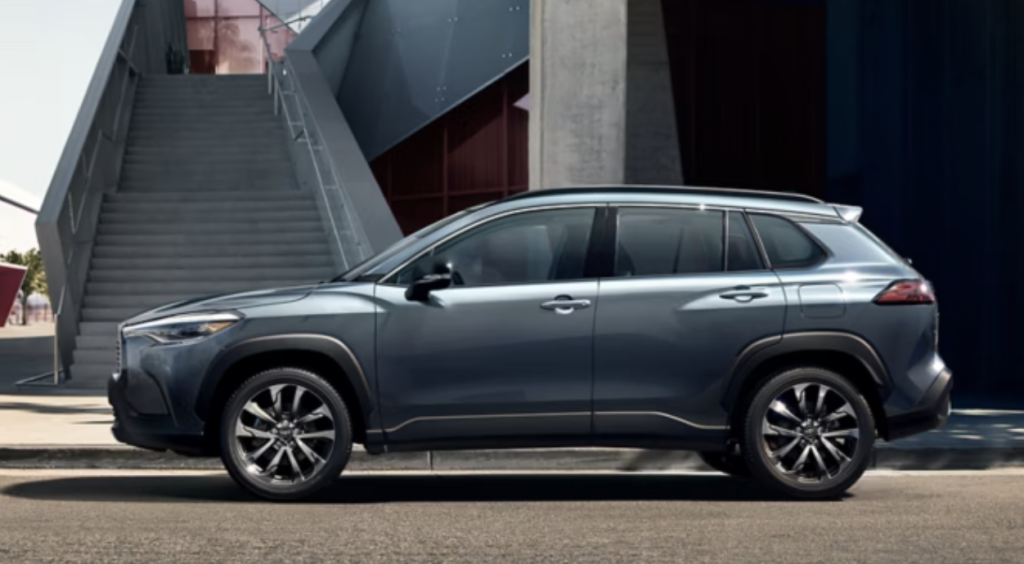
2025 Toyota Corolla Cross vs. Mazda CX-30: Which Subcompact SUV Is Right for You?

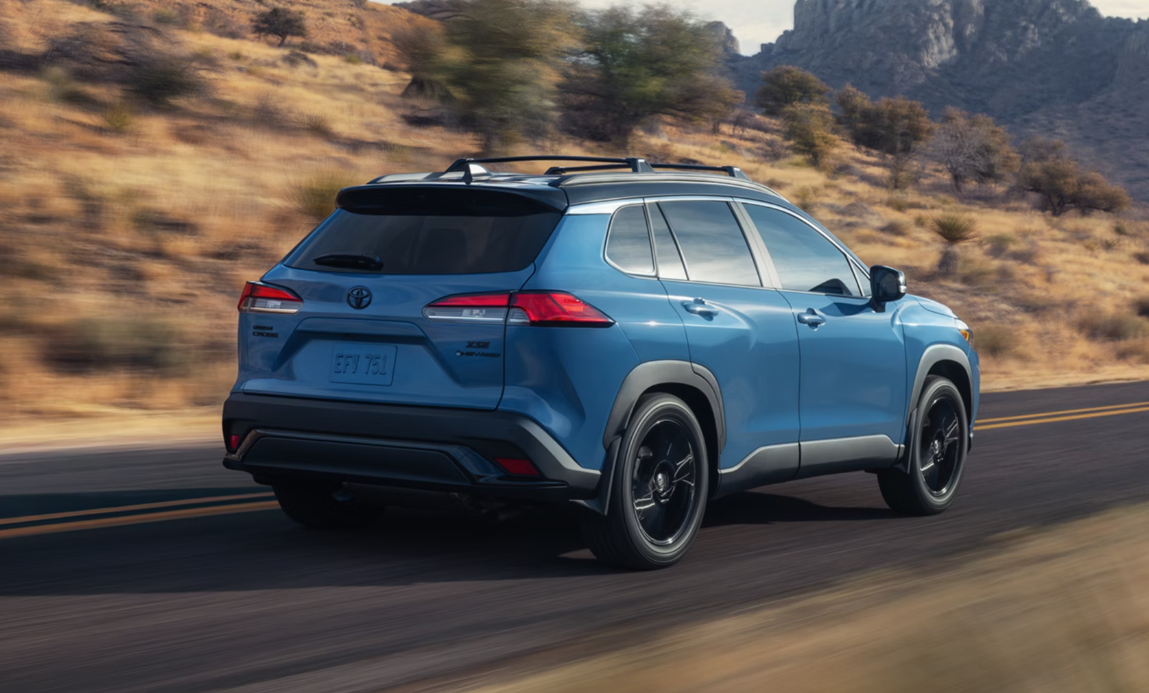
The Toyota Corolla Cross and Mazda CX-30 are two top contenders for car shoppers seeking a well-equipped compact SUV. While the CX-30 has an upscale cabin and a sporty vibe, the Corolla Cross offers more interior space and better fuel efficiency. Here's a closer look at how these two models compare. more The Growing Popularity of Subcompact SUVs Compact SUVs continue to grow in popularity because of their versatility, efficiency, and maneuverability. This blend of practicality and reasonable pricing makes them attractive to a wide range of drivers. Why Compare the 2025 Toyota Corolla Cross vs. Mazda CX-30? It makes sense to compare the 2025 Toyota Corolla and Mazda CX-30 because they're in the same price range and both fit into the compact SUV market. What's New in the 2025 Models? The Toyota Corolla Cross carries over to the 2025 model year with only one update. A new Polymetal Gray paint color is now available. The Mazda CX-30 also had a carry-over year, with just an updated navigation system and expanded Alexa capabilities. Pricing and Trims Overview The 2025 Toyota Corolla Cross and Mazda CX-30 come in several trim levels. 2025 Toyota Corolla Cross Trims The trim level lineup for the 2025 Toyota Corolla Cross includes: L: Starting at $24,135 LE: Starting at $26,465 XLE: Starting at $29,660 Hybrid S: Starting at $28,495 Hybrid SE: Starting at $29,815 Hybrid Nightshade: Starting at $30,740 Hybrid XSE: Starting at $31,680 2025 Mazda CX-30 Trims The trim level lineup for the 2025 Mazda CX-30 includes: 2.5 S: Starts at $25,195 2.5 S Select Sport: Starts at $26,850 2.5 S Preferred: Starts at $29,140 2.5 S Carbon Edition: Starts at $30,140 2.5 S Premium: Starts at $32,340 2.5 Carbon Turbo: Starts at $33,140 2.5 Turbo Premium: Starts at $35,340 2.5 Turbo Premium Plus: Starts at $37,150 Engine Performance and Drivability The Corolla Cross makes driver and passenger comfort a priority, offering a smooth and comfortable ride. The CX-30 offers a sportier feel behind the wheel. Engine Specifications: Toyota Corolla Cross vs. Mazda CX-30 Under the hood of the gas-powered Toyota Corolla Cross, you'll find a 2.0-liter four-cylinder engine with 169 horsepower. It works with a continuously variable automatic transmission and comes with front-wheel drive. The hybrid models use the 2.0-liter four-cylinder engine with three electric motors. These combine to provide 196 horsepower, and all-wheel drive comes standard. The Mazda CX-30 comes equipped with a standard 2.5-liter four-cylinder engine producing 191 horsepower. It's paired with a six-speed automatic transmission and includes all-wheel drive. If you're seeking more power, an available turbo four-cylinder engine generates up to 250 horsepower. Fuel Economy and Efficiency If fuel efficiency is a priority for your driving needs, the Corolla Cross is the more efficient of these two SUVs. EPA Ratings and Real-World MPG for the Corolla Cross The Corolla Cross has an EPA rating of 31 mpg in the city and 33 mpg on the highway. Choosing the hybrid can increase these numbers to 45 mpg in the city and 38 mpg on the highway. Evaluating the CX-30's Fuel Efficiency The most efficient version of the CX-30 is the non-turbo engine. It can get up to 26 mpg in the city and 33 mpg on the highway. Interior, Comfort, and Space These small SUVs offer comfortable, well-equipped cabins with seating for up to five people. The Corolla Cross has a slightly larger cargo area. Passenger Comfort: Seating and Space Comparison The Corolla Cross has 38.3 inches of front seat headroom and 37.1 inches of rear seat headroom. The rear seat passengers enjoy 34.8 inches of legroom. Behind the rear seats, you'll have 21.5 cubic feet of cargo space. The CX-30 offers 38.1 inches of front headroom and 38.3 inches of rear headroom. The rear seat passengers have 36.3 inches of legroom. Behind the rear seats, the cargo area offers 20.2 inches of storage space. Technology and Infotainment Features Technology is becoming increasingly important for drivers. Both the Corolla Cross and CX-30 come well equipped with infotainment tech. Infotainment Systems: User Experience and Connectivity An 8-inch touch screen comes standard in the entry-level Corolla Cross. It works with wireless Apple CarPlay and Android Auto. A 7-inch digital gauge cluster is added in the XLE trim and above, and a 9-inch touchscreen is available. The Mazda CX-30 has an 8.8-inch infotainment display that's operated using a central command dial instead of a touch screen. Apple CarPlay and Android Auto come standard, along with a six-speaker audio system. To access wireless Apple CarPlay and Android Auto, you'll need to upgrade to the Premium trim, which also includes a wireless charging pad. Safety Features and Driver Assistance Whether you choose the Toyota or the Mazda, you'll have access to a full suite of advanced driver aids. Standard Safety Features Every Corolla Cross comes with Toyota Safety Sense 3.0. It includes: Lane tracing assist Proactive driving assist Dynamic radar cruise control Pre-collision system with pedestrian detection Road sign assist Automatic high-beam headlights Lane departure alert The XLE adds to this list with front and rear parking sensors and rear automatic braking, and you'll get a blind-spot monitoring system with rear cross-traffic alert with the LE and above. The Mazda CX-30 also has a comprehensive list of standard driver aids, including: Forward collision warning Automatic braking Lane-keep assist Adaptive cruise control Blind-spot warning with rear cross-traffic alert Ready to Find Your Next Compact SUV? Now that you have a better idea about how the 2025 Toyota Corolla Cross compares to the 2025 Mazda CX-30, visit Keith Pierson Toyota to take a closer look at the Corolla Cross. Schedule a test-drive to experience how it feels behind the wheel and explore its spacious, comfortable cabin. Our knowledgeable team is here to answer your questions about the Corolla Cross and to walk you through all its great features and equipment. Stop by our dealership in Jacksonville, Florida, or give us a call today.

2025 Camry in grey

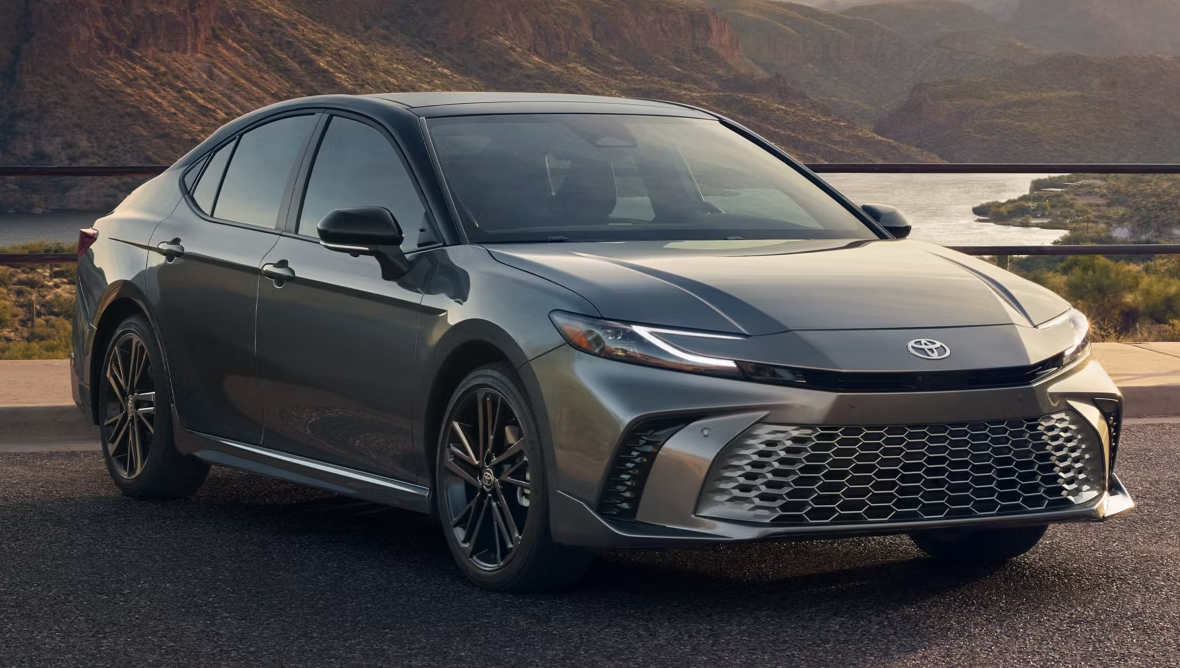
2025 Toyota Camry vs. 2025 Nissan Altima

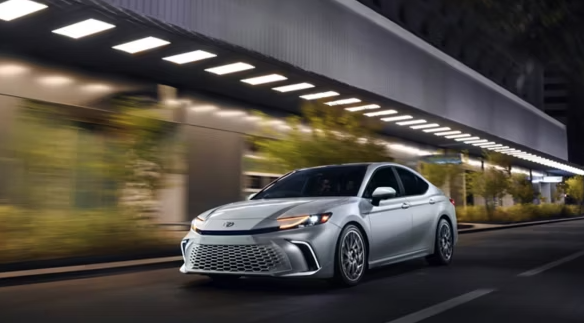
The 2025 Toyota Camry and the 2025 Nissan Altima stand at the top of the midsize sedan market. To help you get the best value and see which model is right for you, our team at Keith Pierson Toyota pits these sedans against each other to highlight their differences and advantages. Read this Nissan Altima and Toyota Camry comparison guide to dig into what matters: performance, features, and cost. more Engine Performance and Fuel Efficiency When it comes to fuel economy, the Camry is the clear winner. The Altima tops out at just 27 mpg in the city and 39 mpg on the highway, while the Camry LE with front-wheel drive (FWD) hits 53 mpg city and 50 mpg highway, letting you go nearly twice as long between fill-ups. Even the sporty Camry XSE with all-wheel drive (AWD) delivers 44 mpg city and 43 mpg highway — nearly double most conventional sedans. The Camry is also the more powerful model, with a hybrid system that packs 225 horsepower in FWD or 232 horsepower in AWD. The Altima's 2.5-liter four-cylinder engine only outputs 188 horsepower in FWD or 182 horsepower in AWD. However, Nissan wins in acceleration, with 180 lb-ft of torque for FWD or 178 lb-ft for AWD, compared to the Camry's 163 lb-ft. Both cars offer AWD, perfect for when you need to maintain traction during sudden Florida downpours. The Altima's quick acceleration is ideal for Jacksonville's short on-ramps, but its traditional engine needs more time to build power than the Camry's electric motor. The Camry's system also transfers power between wheels automatically, which helps prevent hydroplaning on wet roads. Interior Design and Comfort While the Camry and the Altima have similar interior designs and comfort features, there are a couple of notable differences. Cabin Features Both sedans offer quality cabins built for Florida driving. The Altima features soft-touch surfaces, intuitive controls, and power-adjustable, heated Zero Gravity front seats that are perfect for chilly mornings and long drives to Orlando. The Camry's SofTex upholstery is easy to clean after beach days, with sand, sunscreen, and spills wiping right off. Both cars use fade-resistant materials, which is crucial for Florida's sunny weather. Interior Dimensions Cabin space differs between models. The Altima gives you 100.6 cubic feet of passenger space and 43.8 inches of front legroom — ideal if you're a tall driver. The Camry is slightly less roomy overall, with 99.9 cubic feet of passenger space and 42.1 inches of front legroom. However, with 38 inches of legroom in the rear seats, the Camry is more comfortable for family trips with teenagers and adult passengers, as opposed to the Altima's 35.2 inches. Trunk space is virtually identical. The Altima's 15.4 cubic feet of storage space barely edges out the Camry's 15.1 cubic feet. Both can easily handle grocery trips and weekend gear. Comfort and Aesthetics Both cars have unique touches, such as the Altima's 10-color ambient lighting and the Camry's optional tinted panoramic sunroof. They also include several practical features, such as dual-zone climate control, USB ports, and sizeable cupholders. In particular, the Camry's climate system adjusts quickly to fight windshield fogging, which is a small but crucial feature for Jacksonville's humid weather. Safety and Technology Features Safety comes standard in both sedans. The Camry includes Toyota's Safety Sense 3.0, while the Altima features Nissan's Safety Shield 360. Both systems pack the essentials: forward collision warnings, automatic emergency braking, pedestrian detection, blind-spot monitoring, lane departure warning, and smart high beams. These features are more than marketing points — they provide actual peace of mind. Technology Both cars offer 8-inch or 12.3-inch touch screens that are visible even under Florida's bright sun. The Camry includes wireless Apple CarPlay and Android Auto on all trims, while the Altima only offers it on higher-end models. Also, they both provide hands-free voice controls, letting you turn on your wipers and adjust climate controls without having to take your eyes off the road. All you have to do is say "Hey, Toyota" or "Hello, Nissan." The Camry features a 12.3-inch digital gauge cluster, wireless phone charging, and over-the-air updates, while the Altima gives you an anti-glare 9-inch windshield display and optional nine-speaker Bose audio system. Deciding which offering is best largely depends on your daily needs, but if you're a tech lover, you won't be disappointed either way. Pricing, Value, and Reliability The Altima starts at $27,000 MSRP for the base S trim, while the Camry's base LE trim costs $28,700. But don't just look at the sticker price. Consider the total ownership costs. The Camry's more efficient hybrid system can save you up to $1,000 yearly on gas. Toyotas also hold their value better, with the Camry keeping 62% of its worth vs. the Altima's 58%. That 4% difference matters at trade-in. Toyota's warranty stands out too: Hybrid parts are covered for eight years or 100,000 miles, and batteries are protected for 10 years or 150,000 miles. When comparing the Nissan Altima vs. the Toyota Camry for reliability, there's a clear winner. U.S. News and World Report rated the Camry a 9.6/10 and the Nissan a 8.3/10, citing the Camry's well-built interior and powerful engine. The Car Connection ranks the Camry as the third-best midsize car, noting its power and practicality, while the Altima sits at seventh place. Which Is Better: The Toyota Camry or the Nissan Altima? Deciding which sedan is the best fit for you mainly depends on your priorities, but with superior fuel economy, power, resale value, and reliability ratings, the 2025 Toyota Camry is hard to beat. If you'd like to see the Camry in person and try it out for yourself, visit us at Keith Pierson Toyota. Our expert team is here to help you find the perfect car for you, and we'd love to set you up for a test drive. Dynamic Toyota Camry Driving on Erbil Highway by Harem is licensed with Pexels License

2025 Toyota Tacoma vs. 2025 Nissan Frontier

Are you looking for a new truck? The 2025 Toyota Tacoma and Nissan Frontier are options you can choose in the midsize pickup truck segment. They both showcase distinctive attributes, with their four-door configuration and extended bed options setting a benchmark for competitors to aspire to. The Tacoma offers comprehensive configuration and trim options, a fuel-efficient powertrain, and rugged off-road capability. The Frontier delivers confident towing capability and a no-nonsense, practical design. If you're looking to invest in a new pickup, choosing between them can be a challenge. AtKeith Pierson Toyota in Jacksonville, we'll help you choose with our 2025 Nissan Frontier vs. Toyota Tacoma review. more Toyota Tacoma vs. Nissan Frontier Pricing and Trim Level Overview The 2025 Toyota Tacoma distinguishes itself by offering a range of trims, advanced hybrid powertrains, and a suite of standard features that enhance its value proposition. The 2025 Nissan Frontier delivers a robust engine, refreshed exterior design, and updated technology. Setting itself apart with 11 trim levels, ranging from the SR to the Trailhunter and the high-performance TRD Pro, the Tacoma has a starting MSRP of $31,590 and climbs past $63,500 for the top-end models. In contrast, the Frontier is available in six trims, with a starting MSRP of $32,050 for the entry model, and climbs to $42,310 for the Crew Cab SL Long Bed. The Tacoma's variety of configuration options appeals to pickup truck investors, making it the best pickup truck for the money. Performance and Engine Specifications Toyota equips the Tacoma with a lineup of three fuel-efficient powertrains. The i-FORCE 2.4-liter turbocharged four-cylinder engine produces 278 horsepower and 317 lb-ft of torque. For more muscle and efficiency, the available i-FORCE MAX hybrid pairs the 2.4-liter engine with an electric motor to produce 326 horsepower and 465 lb-ft of torque. Nissan equips all Frontier models with the identical 3.8-liter V-6 engine, generating 310 horsepower and 281 lb-ft of torque. Although this engine delivers power, it doesn't match the Tacoma hybrid's fuel efficiency and dynamic torque output. The hybrid Tacoma achieves a combined EPA-estimated 23 mpg. The standard turbocharged four-cylinder model offers competitive fuel efficiency, with an EPA-estimated 20 mpg in the city and 26 mpg on the highway in the rear-wheel-drive configuration. The Frontier, powered exclusively by its V-6 engine, offers an EPA-estimated 19 mpg in the city and 24 mpg on the highway for rear-wheel-drive models and slightly less for the four-wheel drive. Towing and Payload Capacity Properly equipped, the new Tacoma can tow up to 6,500 pounds with a maximum payload capacity of 1,710 pounds, depending on the model and engine configuration. The 2025 Frontier offers a maximum towing capacity of 7,150 pounds and a payload rating of up to 1,620 pounds, but it lacks the Tacoma's hybrid-assisted low-end torque, which is perfect for trailering. Off-Road Capabilities Comparison The 2025 Toyota Tacoma raises the bar for off-road performance with trail-ready trims. These include the TRD Off-Road, TRD Pro, and the all-new Trailhunter, which features factory-installed overlanding gear. Toyota engineered the Tacoma with stellar off-road capability and available features such as its Multi-Terrain Select system, electronically controlled locking rear differential, and off-road suspension tuning. The Nissan Frontier features the PRO-4X, which includes off-road shocks, skid plates, and a locking rear differential. It's capable and rugged, but it doesn't offer the same off-road tech and range of specialized trims as the Tacoma. Interior Design and Capacity Inside the 2025 Toyota Tacoma, you'll get soft-touch materials, premium stitching, and available leather upholstery with the higher trims. The new 2025 seating offers improved support and optional power adjustments, and the available panoramic moonroof adds luxury. The Tacoma offers both Extended (XtraCab) and Crew Cab (Double Cab) configurations, with the Crew Cab providing a more spacious interior. The 2025 Nissan Frontier offers a comfortable and straightforward interior with available leather-appointed seating and practical storage spaces. Its design feels more dated by comparison, and it offers fewer cab and trim configurations. Tech and Connectivity Base Tacoma trims feature a standard 8-inch touch screen, and high-end trims boast an optional expansive 14-inch display, one of the largest in the midsize pickup segment. The Tacoma's intuitive infotainment system supports wireless Apple CarPlay and Android Auto, over-the-air updates, and a customizable digital gauge cluster up to 12.3 inches. An available head-up display and multicamera trail views cater to off-roader enthusiasts. The Frontier features a standard 8-inch touch screen and an optional 12.3-inch display with smartphone integration and a 7-inch gauge cluster on most trims. While the Frontier's system is easy to use and includes USB-C ports and available Wi-Fi hot spot capability, it lacks the larger displays and software sophistication showcased in the Tacoma. Safety Ratings and Driver-Assist Features The 2025 Tacoma comes standard with Toyota Safety Sense 3.0 across all trims. This suite includes a precollision system with pedestrian detection, full-speed dynamic radar cruise control, lane departure alert with steering assist, automatic high beams, and road sign assist. The Tacoma also includes standard blind-spot monitoring and rear cross-traffic alert on most trims. Although the Insurance Institute for Highway Safety ratings for the 2025 Tacoma are pending, the 2024 model achieved a Top Safety Pick rating. The 2025 Frontier comes standard with Nissan Safety Shield 360. Features include forward emergency braking, tire pressure monitoring, high-beam assist, intelligent cruise control, and blind-spot warning. Explore the 2025 Tacoma at Keith Pierson Toyota in Jacksonville, Florida Why not test-drive the latest Tacoma at Keith Pierson Toyota? Our team is ready to provide the powerful 2025 Toyota Tacoma experience. Contact us or drop by our dealership to learn more about the off-road capabilities of this commanding midsize pickup truck. Schedule a test-drive today. View our latest inventory or used trucks online to familiarize yourself in the interim. Before the rush, value your trade and get preapproval for financing. Your next adventure is within reach.

Green Highlander driving through desert

2025 Toyota Highlander vs. 2025 Honda Pilot: An In-Depth Comparison

If you're looking for a midsize SUV, the 2025 Toyota Highlander and 2025 Honda Pilot probably made your shortlist. These family favorites pack comfort, capability, and tech features that put them at the top of their class. Let's look at all the most important Toyota Highlander vs. Honda Pilot specs. We'll break down pricing, reliability, performance, interior space, and safety to help you figure out which SUV fits your family's lifestyle better. more Pricing and Trims The 2025 Toyota Highlander and Honda Pilot are about the same price across their ranges, with a slight advantage to the Highlander. You definitely get more choices with the Highlander, and the Highlander's hybrid trims are a huge plus. Here are the trims and starting prices for the Highlander: LE: $39,820 XLE: $42,970 XSE: $46,640 Limited: $47,075 Platinum: $52,225 Hybrid XLE: $46,320 Hybrid XLE Nightshade: $47,320 Hybrid Limited: $50,775 Hybrid Limited 25th Edition: $52,980 Hybrid Platinum: $53,975 And here are the Pilot's trims and prices: Sport: $40,200 EX-L: $43,500 TrailSport: $49,400 Touring: $47,500 Elite: $53,080 Black Edition: $54,580 If you'd like to get the most out of your purchase, consider applying for financing ahead of time. We can also offer you a great price on your current vehicle, and you can use its value for your new purchase. You can use our trade-in value tool to get an idea of how much your current ride is worth. Which Is More Reliable: Honda Pilot or Toyota Highlander? Both SUVs nail reliability ratings — good news for anyone planning to keep their vehicle for years. J.D. Power gives the Highlander an 81 out of 100 reliability score, and the Pilot is right behind at 80. These scores mean that they should serve you well without major problems. Toyota and Honda match each other in terms of warranty protection. You'll get a three-year or 36,000-mile basic warranty and five-year or 60,000-mile powertrain coverage with either SUV. The Highlander's warranty advantage is that you'll get complimentary maintenance for two years or 25,000 miles compared to the Pilot's one year or 12,000 miles. Performance and Powertrain Options Honda and Toyota took different approaches with their engines, and you'll feel it behind the wheel. The Pilot packs a 3.5-liter V-6 pumping out 285 horsepower and 262 lb-ft of torque. Paired with a 10-speed automatic, this setup hustles from 0 to 60 in under 7.2 seconds — pretty zippy for hauling the kids to soccer practice. Gas-powered Highlanders have a 2.4-liter turbocharged four-cylinder engine that generates 265 horsepower and 310 lb-ft of torque. You might get less horsepower, but that extra torque adds to the acceleration. The Highlander matches the Pilot with a 0-to-60-mph time of 7.2 seconds. If you choose a hybrid model, you'll get 243 horsepower and 175 lb-ft of torque. Both powertrains get an eight-speed automatic transmission. Fuel Efficiency and Environmental Impact Toyota scores a clear win in the gas mileage game, especially if you consider the hybrid Highlander. The standard front-wheel drive Highlander gets 22 mpg city and 29 mpg highway. Add all-wheel drive and you'll achieve 21 mpg city and 28 mpg highway. The Highlander hybrids deliver jaw-dropping efficiency: 35 mpg city and 35 mpg highway. Either way, you'll pass more gas stations than your Pilot-driving neighbors. Honda's Pilot isn't terrible at the pump, just not as frugal. With front-wheel drive, expect 19 mpg in the city and 27 mpg on highways. If you choose all-wheel drive, highway efficiency drops slightly to 25 mpg while city stays at 19 mpg. Cargo Space The Highlander has 16 cubic feet of cargo space behind row three, 48.4 cubic feet behind row two, and 84.3 cubic feet maximum. However, Honda takes the cargo crown with its slightly larger size. The Pilot has 18.6 cubic feet behind the third row. Fold that third row, and the Pilot's space jumps to 48.5 cubic feet. With both rear rows down, you'll have 87 cubic feet at your disposal. Either way, you'll have plenty of space for road trips and grocery runs, no matter which you choose. Interior Comforts and Technology Both SUVs offer comfy digs for passengers with standard eight-seat layouts or optional seven-seat layouts in certain trims. Toyota pulls ahead in the tech race with bigger screens and better standard connectivity. Every Highlander rocks an eight-inch touch screen from the jump, and it's upgradable to a massive 12.3-inch screen in higher trims. Honda starts smaller with a seven-inch display, although you can bump up to nine inches if you spend more. The Highlander also pampers you with wireless Apple CarPlay and Android Auto across all models — no cables needed. Honda makes you plug in on the base model, with wireless connectivity only on pricier versions. Toyota keeps the digital goodies coming with a standard seven-inch LCD gauge cluster, and you can also choose the available 12.3-inch digital gauge display. Safety and Driver-Assist Technology Family SUVs need top-notch safety, and neither manufacturer skimps here. Toyota loads every Highlander with Safety Sense 2.5+. This bundle includes adaptive cruise control, automatic emergency braking, lane-keeping assist, auto high beams, and road sign detection. This tech cocktail keeps you safer in all kinds of driving situations. Honda's safety game is equally strong, earning the same Top Safety Pick award as the Highlander from the Insurance Institute for Highway Safety. Both SUVs nail crash protection tests and offer similar active safety gear. Choosing Between the Highlander and Pilot The 2025 Toyota Highlander and Honda Pilot are both great choices if your family wants reliability, comfort, and modern features in a midsize SUV. The Highlander shines with better fuel economy, especially with the hybrid options, and more advanced standard tech inside. The Pilot might win you over if you need the extra cargo space and don't mind upgrading for the latest tech. Test-Drive the Toyota Highlander at Keith Pierson Toyota Today Now that we've compared the Toyota Highlander and Honda Pilot, you might consider choosing the Highlander. If so, check out the 2025 Toyota Highlander up close at Keith Pierson Toyota in Jacksonville, Florida. You can take one for a spin and chat with our friendly team about which configuration works best for your needs. Contact us today to schedule an appointment or get in touch with a member of our team.

2025 Camry in grey

2025 Toyota Camry vs. 2025 Hyundai SONATA: Which Midsize Sedan Wins?

Toyota and Hyundai both offer great midsize sedan options. These brands are giants of the car industry for a reason, and this year is no exception. The 2025 Toyota Camry and 2025 Hyundai SONATA are pushing the boundaries of the competitive midsize sedan class. This detailed face-off will help you figure out which car fits your needs better. more Exterior Design Both sedans got recent style updates, and they have unique, eye-catching looks. Toyota completely redesigned the Camry for 2025. The new 2025 Toyota Camry has a bold presence thanks to its stylish front grille and headlights. Its sculpted lines give the sedan an athletic, modern look. The SONATA was redesigned in 2024, and Hyundai gave it a futuristic design. It turns heads with its sleek, almost coupe-like profile and narrow headlights. Interior Comfort and Technology Climb aboard either sedan and you'll find thoughtful cabins packed with tech. Both come with all the latest tech and conveniences, including Apple CarPlay and Android Auto. The Camry comes with a standard 8-inch touch-screen display that you can upgrade to 12.3 inches, and the SONATA comes with a 12.3-inch touch-screen system. Both vehicles have an available 12.3-inch digital dashboard on fancier models. Both cars offer nice materials and comfy seats to keep everyone happy on long drives. Whether you choose a Camry or a SONATA, you'll also get a similarly sized car. The SONATA is slightly bigger than the Camry, with 104.4 cubic feet of passenger volume and 15.6 cubic feet of trunk space. The Camry offers 99.9 cubic feet of passenger volume and 15.1 cubic feet in the trunk. Engines and Performance The 2025 Camry truly shines here with its hybrid powertrains. This sedan pumps out 225 horsepower with the front-wheel-drive setup and 232 horsepower with all-wheel drive. This lets the all-wheel-drive Camry zoom from 0 to 60 mph in just 6.8 seconds — that's pretty zippy for a family car. The SONATA's no slouch, but it can't quite match those numbers without an upgrade. You'll get a 191-horsepower engine standard, and the hybrid powertrain outputs 192 horsepower. If you want more kick, the SONATA N Line cranks things up with a turbo engine that outputs 290 horsepower and 311 lb-ft of torque. This sporty powertrain will hit 0 to 60 mph in 5.4 seconds. Fuel Efficiency and Eco-Friendly Options Gas mileage is impressive in both cars. The 2025 Camry gets up to 51 mpg combined, and the SONATA hybrid models aren't far behind, managing 47 mpg combined. If you choose one of the gas-powered SONATAs, you'll get up to 32 mpg combined. No matter which you choose, you'll get a car with pep and efficiency. Safety Features and Ratings Both cars earned five-star ratings from the National Highway Traffic Safety Administration, proving they take crash protection seriously. With these high ratings comes excellent safety tech. The 2025 Camry comes loaded with Toyota Safety Sense 3.0, packing features such as forward collision warning, lane departure warning, blind-spot monitoring, and automatic emergency braking. You can also choose to add Traffic Jam Assist and parking sensors with automatic braking, giving you extra confidence behind the wheel. The SONATA matches most of these safety tricks with its own tech package — Hyundai SmartSense. You get standard automatic emergency braking, forward collision alert, pedestrian detection, and lane departure warning. Price and Value The SONATA has a slight edge in price, starting at $26,900 compared to the Camry's $28,700. But as any savvy shopper knows, sticker price isn't everything — you've got to factor in what you get and long-term costs. Keep in mind that the entry-level Camry is a hybrid, so you'll be able to save plenty on gas compared to the SONATA. Hyundai's warranty is tough to beat, though — 10 years/100,000 miles on the powertrain is more than Toyota's 5-year/60,000-mile coverage. That said, Toyota has built its name on cars that rarely need major repairs. Making the Right Choice The 2025 Camry wins points with its lively, fuel-sipping hybrid system that beautifully combines power and efficiency. The interior feels solid and well made, backed by Toyota's legendary reliability. The 2025 SONATA wows with its bold looks. It rides smoothly and comes packed with goodies. However, its standard performance, while decent, doesn't quite match Camry's hybrid system for power or efficiency. Both sedans are great options for driving your family or commuting, but consider what matters most to you. Want maximum fuel savings, bulletproof reliability, and solid resale value? Grab the Camry. If you crave slightly more interior room, standout styling, and the security of a longer warranty, the SONATA might be your match. Test-Drive the Camry at Keith Pierson Toyota Ready to check out the Camry up close? Head to Keith Pierson Toyota in Jacksonville, Florida. Our team can help you pick the perfect Camry for your needs and budget. If you have any further questions about the differences between the Camry and the SONATA, we'll be happy to answer them too. Contact us today to schedule an appointment or to speak with one of our team members.

2025 Toyota RAV4 vs. 2025 Subaru Forester: Compact SUV Showdown

The 2025 Toyota RAV4 and 2025 Subaru Forester are both popular compact SUVs, but which should you choose? Each commands attention with slightly different strengths. The RAV4, available in 13 trims, offers great performance, fuel-efficient engine options, and a modern exterior design. This compact SUV is your ride if you seek affordability, style, and versatility. Available in 10 trim levels, the spacious Forester offers a practical cabin, a comfortable ride, and excellent ground clearance. Let's compare the 2025 Subaru Forester versus Toyota RAV4 specs and explore which SUV is right for you. more Toyota RAV4 vs. Subaru Forester Pricing In the Subaru versus Toyota price point contest, the RAV4 offers a lower overall price and a broader range of trims and hybrid options. The 2025 Toyota RAV4 lineup starts at an MSRP of $29,250 for the base LE trim. Higher trims, such as the Limited gasoline trim, reach $37,555. The top-end Hybrid Limited starts at $40,605, and the Plug-in Hybrid SE at $44,265. You can get an instant trade-in estimate at Keith Pierson Toyota to enjoy substantial savings on your next vehicle. The 2025 Subaru Forester's base model starts at an MSRP of $29,995, with the top-tier Touring Hybrid trim priced at $41,695. Subaru Forester vs. Toyota RAV4 Performance The Toyota RAV4 offers three powerful engine options across four gasoline, seven hybrid, and two plug-in hybrid models. The Subaru Forester provides a gasoline engine for six trim levels and a hybrid powertrain for four models. Toyota RAV4 vs. Subaru Forester Gas Engines Toyota powers all RAV4 models with a 2.5-liter four-cylinder gasoline engine featuring a double overhead camshaft and advanced fuel injection with intelligent dual variable valve timing. It produces 203 horsepower and 184 lb-ft of torque. The Forester provides a 2.5-liter direct-injection four-cylinder horizontal Boxer engine with a dual active valve control system. It generates 180 horsepower and 178 lb-ft of torque, except for the Wilderness trim that produces 182 horsepower and 176 lb-ft of torque. Overall, the RAV4’s engine offers more power and a complex fuel-injection system for balanced efficiency and performance. Toyota RAV4 Hybrid vs. Subaru Forester Comparison Toyota boasts a choice between the 2025 RAV4 Hybrid or RAV4 Plug-in Hybrid with all-wheel drive and a continuously variable transmission. Both options feature the 2.5-liter four-cylinder paired with electric motors. The RAV4 Hybrid produces 219 combined net horsepower, and the RAV4 Plug-in Hybrid generates 302 net horsepower and an estimated 42-mile all-electric driving range. Subaru offers a hybrid powertrain, which pairs a 2.5-liter four-cylinder engine with an electric motor for a combined 194 horsepower, but no plug-in hybrid. Towing Capacity and Versatility The 2025 Toyota RAV4 tows up to 1,500 pounds on the gasoline trims and 1,750 pounds for hybrids, making it well suited for small trailers or recreational gear. Its plug-in hybrid variant tows up to 2,500 pounds, offering flexibility for heavier loads. The 2025 Subaru Forester's standard trims can tow up to 1,500 pounds. If you require more robust towing capabilities, the Forester Wilderness trim tows up to 3,000 pounds when properly equipped. Compared to the standard Forester, the RAV4 Hybrid gives you more towing strength without upgrading to a top-tier trim. Cabin Comfort and Capacity The 2025 Toyota RAV4’s interior exudes comfort, space, and practicality. Optional upgrades include heated front and rear seats, dual-zone climate control, and a panoramic glass roof. The RAV4 showcases a sophisticated, roomy cabin with up to 98.9 cubic feet of passenger space. While the 2025 Subaru Forester provides similar interior space and comfort, Toyota's attention to detail, available premium finishes, and generous tech features give the RAV4 an edge in the overall cabin experience. Tech and Connectivity Features The 2025 RAV4 features a standard 8- or 10.5-inch multimedia infotainment display with smartphone integration and multiple USB ports. Most models feature a 7-inch digital gauge cluster with Amazon Alexa compatibility. High-end models, including the Limited trim and RAV4 Plug-in Hybrid XSE trim, showcase an expansive 12.5-inch customizable digital gauge cluster. Depending on the trim, optional features include a premium 11-speaker JBL audio system, wireless charging, and built-in navigation. The 2025 Forester is equipped with a standard 7-inch touch screen on base trims and an 11.6-inch screen on upper levels. Hybrid models also feature a  12.3-inch digital cluster. Safety is a top priority in the 2025 Toyota RAV4, which comes standard with Toyota Safety Sense 2.5. While the 2025 Subaru Forester includes a similar set of standard safety tools through its EyeSight Driver Assist Technology, Toyota offers more optional driver-assist features. Cargo Volume and Versatility The 2025 Toyota RAV4 provides 37.5 cubic feet of cargo space behind the rear seats, which expands to 69.8 cubic feet with the seats folded flat. On the other hand, the 2025 Subaru Forester offers 29.6 cubic feet in its base trim and up to 74.4 cubic feet with the rear seats folded. Trims with a panoramic moonroof only come with 27.5 cubic feet behind the seats and 69.1 cubic feet overall. Which SUV Is More Eco-Conscious and Fuel-Efficient? If fuel savings matter to you, the 2025 Toyota RAV4 takes the lead. The RAV4 Hybrid delivers an EPA-estimated 38 mpg in the city and 35 mpg on the highway, and the RAV4 Plug-in Hybrid up to 42 miles of electric-only range before switching to gasoline. The 2025 Forester achieves 26 mpg in the city and 33 mpg on the highway. Toyota's hybrid and plug-in options deliver more eco-conscious choices. Test-Drive the RAV4 at Keith Pierson Toyota Today If you're looking for a versatile, fuel-efficient SUV that offers a wide range of powertrain options, stronger standard towing, and advanced hybrid technology, the 2025 Toyota RAV4 is for you. Are you ready to explore the latest RAV4 today? Contact us to schedule a test-drive and let us help you drive home in an all-new crossover SUV. In the meantime, check out our latest models online or get preapproved for financing ahead of the rush. Your dream car is within reach at Keith Pierson Toyota in Florida.

mesha-mittanasala-w-ggjuJvV0-unsplash

Resetting the oil Maintenance Lights on Your Toyota

Your Toyota has a sophisticated electronic system that monitors components throughout the vehicle. Sometimes, these lights indicate a system has a significant problem, or it could simply mean it's time for routine maintenance. Understanding your warning lights will help you maintain your Toyota and improve driving safety and performance. At Keith Pierson Toyota in Jacksonville, we'll help you learn what the maintenance light means, why it activates, and how to reset the maintenance light on your Toyota. more What Does the Maintenance Light Indicate? Often displayed as “MAINT REQD” on your dashboard, this light on your Toyota indicates that your car needs maintenance. You shouldn't confuse this light with other warning lights, such as the check engine or brake warning lights, indicating a specific component problem. Toyota uses the maintenance required light as a service reminder. Common Reasons for the Maintenance Light Activation Your vehicle's maintenance required light indicates that your car needs service, and its activation is typically based on mileage. For example, many Toyota vehicles require an oil change every 5,000 miles, so the system will activate the maintenance required light every 5,000 miles logged. Here's a list of the most common service needs that cause this light to activate: Oil change Air filter replacement Tire rotation Fluid checks Brake fluid flush Spark plug replacement The Importance of Resetting the Maintenance Light When you bring your vehicle to our service center, we reset the maintenance light after performing the required service. However, many people choose to perform routine maintenance in their home garages. If you decide to do these tasks yourself, remember to reset the Toyota maintenance required light. Resetting the light will restart the onboard mileage tracking, giving you an accurate reminder for future service. Step-By-Step Guide To Resetting the Maintenance Light In most cases, resetting the Toyota maintenance required light only takes a few moments, and you don't need any special tools or equipment. The process varies slightly by vehicle and whether you have a key or a push-button start. General Steps for Resetting the Maintenance Light The steps for resetting the Toyota maintenance light vary depending on your vehicle's year, make, and model. To reset the Toyota maintenance light on older models without a push-button start, follow these steps: Press and hold the odometer trip knob located on your dashboard with the key in the off position. Turn the key to the on position without starting your vehicle and keep pressing the odometer trip knob. The odometer reading will flash to zeros, and the maintenance required light will turn off. Instructions on how to reset the Toyota maintenance light with a push-button start are as follows: Push the start/stop button twice without putting your foot on the brake. The dashboard lights will illuminate. Use the trip odometer knob to toggle to Trip A. Push the start/stop button to turn the vehicle off. The dashboard lights will go off. Press and hold the trip odometer button and press the start/stop button twice. The maintenance required light will blink several times and then turn off. You can perform a maintenance light reset on newer Toyota vehicles with multi-information display systems by following these steps: Turn the ignition on without starting the car. Use the steering-wheel-mounted controls to navigate to the Settings menu and press the OK button. Toggle down using the arrow keys until you highlight the Scheduled Maintenance option and press the OK button. The screen will ask you if you want to reset the data. Toggle to Yes and press the OK button. Resetting the Maintenance Light on Specific Toyota Models The steps listed above can vary slightly depending on the vehicle's year, make, and model. For specific instructions for your vehicle, consult your owner's manual. If you've misplaced your manual, contact our parts department for assistance. Troubleshooting Common Issues During the Reset If the maintenance required light remains on after attempting to reset it, you might have made a mistake in the timing or order of the steps. Double-check the procedure and repeat the steps. If the problem persists, you might have a sticky trip odometer knob or an electrical issue. In this case, you should schedule a service visit and let one of our professional technicians examine the problem. After the Reset: Monitoring and Maintaining Your Toyota After resetting the maintenance required light, you still need to monitor and maintain your Toyota, including routine vehicle health checks, regular oil changes, and brake inspections. Performing routine vehicle inspections helps you spot minor issues before they become serious. In most cases, fixing a minor problem promptly costs less money, whereas waiting allows the issue to grow and can lead to more costly repairs. The same concept holds for routine maintenance. For example, regular oil changes will help protect your engine from the high heat of combustion and friction created by its many moving parts. Not changing your engine oil at the recommended interval results in less protection against friction and heat and can cause significant damage over time. When To Consult a Professional Mechanic We love DIY people and support them by providing advice and access to needed parts. Even the best DIY people sometimes need assistance and know when to consult a professional mechanic. If you encounter problems resetting your maintenance required light, our service team at Keith Pierson Toyota can help you with this and any other issues you might encounter. Frequently Asked Questions About the Toyota Required Maintenance Light We often get questions from customers regarding the maintenance required light. Here are some of the most common questions and their answers. Can You Drive With the Maintenance Light On? Yes. Toyota designed the maintenance required light as a reminder for owners that service needs to be performed. How Often Should the Maintenance Light Be Reset? You should reset the light after performing the service. Will Resetting the Maintenance Light Void My Warranty? No. As long as you perform the required service, resetting the light won't void your warranty. Get Assistance Resetting the Maintenance Required Light Today At Keith Pierson Toyota, we're here to assist you with your Toyota maintenance tasks. Schedule a service appointment online and have one of our factory-certified technicians take care of the issue. We'll have the light reset in minutes and get you back to your busy life quickly.

Toyota-Sienna

2025 Toyota Sienna Tow Rating and Engine

The Toyota Sienna should be at the top of your list if you're ready for a minivan. This family-friendly vehicle features a standard hybrid powertrain and a roomy interior. New for the 2025 model year are larger touch screens, a standard rear seat reminder, wireless Apple CarPlay and Android Auto, as well as features such as a fridge and vacuum. Our Keith Pierson Toyota team has compiled this guide to help you explore the towing rating and engine options for the 2025 Sienna before you schedule your test-drive. more Comprehensive Guide to the 2025 Sienna Hybrid Engine Each 2025 Toyota Sienna trim features the same hybrid powertrain — a 2.5-liter four-cylinder paired with two front permanent magnet synchronous motors to deliver a combined output of 245 horsepower. Front-wheel drive (FWD) is standard, and an optional all-wheel-drive (AWD) system, which utilizes an additional rear motor for the rear wheels, provides more traction and power in various conditions. This engine offers an EPA-estimated rating of 36 mpg across all driving conditions, including city, highway, and combined. Understanding the 2025 Toyota Sienna Tow Rating Every 2025 Toyota Sienna has a towing capacity of up to 3,500 pounds when properly equipped. This capability is consistent across all trims, making the Sienna one of the few hybrid minivans with strong towing potential. Since its 2021 redesign, which marked a shift from the previous V-6 powertrain to the current hybrid setup, the Sienna has maintained its 3,500-pound towing capacity. While older, nonhybrid Siennas had similar towing numbers, the new hybrid system delivers enhanced fuel efficiency without sacrificing performance. The Sienna can tow small campers, utility trailers, or recreational gear, such as ATVs or boats, provided it is within the weight limit. Owners recommend using a factory tow hitch and considering the payload to ensure stability and optimal braking efficiency. The 2025 Sienna offers reliable towing for weekend adventures or light utility needs, thanks to its balanced design and hybrid efficiency. Enhancing the Towing Experience The Sienna's suspension system is tuned for comfort and control. It features MacPherson struts in the front and a multilink rear suspension, which helps maintain stability while towing. These components work together to reduce sway and improve handling, even when the vehicle is under load. Toyota recommends using an adequately rated trailer hitch and always staying within the vehicle's towing and payload limits to ensure safe towing. Try to balance trailer weight evenly, use trailer brakes when necessary, and regularly check tire pressure. Slower acceleration, wider turns, and increased braking distance are also advised. The 2025 Sienna delivers a confident towing experience without sacrificing daily driving comfort when correctly equipped and operated. Interior and Exterior Design The 2025 Toyota Sienna is available in six trims: the LE, XLE, XSE, Woodland Edition, Limited, and Platinum. The base LE has power-sliding side doors, LED headlights, three-zone automatic climate control, second-row sunshades, and a power-adjustable driver's seat. You also get seven USB ports throughout the cabin, wireless phone charging, a six-speaker sound system, and an 8-inch touch screen with Apple CarPlay and Android Auto as standard features. The XLE adds a power liftgate, sunroof, and keyless entry with push-button start. The cabin features a power-adjustable passenger seat, four-zone automatic climate control, synthetic leather upholstery with heated front seats, an eight-speaker audio system, and a 12.3-inch touch screen with wireless Apple CarPlay and Android Auto. The XSE adds a sport-tuned suspension, full digital cluster, and sport front seats. The off-road-ready Woodland Edition has higher ground clearance, a tow hitch, two household-style power outlets, a 12-speaker premium JBL stereo system, and standard AWD. The Limited features leather seating, third-row sunshades, ventilated front seats, and extendable footrests for the second-row captain's chairs, enhancing passenger comfort. Finally, the top-of-the-line Platinum features upgraded headlights, premium leather upholstery, a heated steering wheel, heated second-row seats, an integrated vacuum cleaner, and a refrigerated bin. Several high-end features are available as add-ons to the lower trim levels, and the Entertainment package is available for all trims except the LE. This package adds a rear overhead entertainment system with wireless headphones. Safety Innovations for the 2025 Toyota Sienna Toyota recognizes that safety and driver-assistance features are decisive factors in selecting a vehicle for your family, and the 2025 Sienna is equipped with them. Each trim features an advanced air bag system to protect you and your passengers from injuries in the event of a collision. Every trim also features Toyota Safety Sense 2.0 with the following driver aids: Lane departure mitigation Forward collision mitigation Adaptive cruise control Blind-spot warning with rear cross-traffic alert The Platinum also has a standard head-up display and 360-degree surround-view camera. Maintenance and Warranty Coverage The 2025 Toyota Sienna is backed by a comprehensive warranty package, including a 36-month/36,000-mile basic warranty, a 60-month/60,000-mile powertrain and restraint warranties, and a 60-month corrosion perforation warranty with unlimited mileage. Toyota offers extended coverage for hybrid models with a 96-month/100,000-mile hybrid system warranty and a 120-month/150,000-mile hybrid battery warranty. Routine maintenance is recommended and should be performed according to the manufacturer's schedule outlined in the owner's manual, including regular oil changes, brake inspections, and tire rotations, which help ensure long-term reliability and warranty compliance. FAQ Let's explore some of the most frequently asked questions about the 2025 Toyota Sienna. Is the 2025 Toyota Sienna AWD? FWD is standard on all trims except the Woodland Edition, which comes with standard AWD. However, each trim can be upgraded to AWD for optimal performance. Does the 2025 Toyota Sienna Have Remote Start? Yes. Every 2025 Toyota Sienna trim level features a remote keyless entry system with push-button start, allowing you to preheat or precool your vehicle before entering. How Many Passengers Does the 2025 Toyota Sienna Hold? The 2025 Toyota Sienna seats seven to eight passengers, depending on the trim level and second-row seating configuration, which can be either a bench or captain's chairs. Schedule a Test-Drive of the 2025 Sienna at Keith Pierson Toyota in Jacksonville When you're ready to experience this family-friendly minivan's comfort and performance, visit our team of experts at Keith Pierson Toyota. We're ready to answer questions, give you a tour of our inventory, schedule a test-drive, review financing options, and customize the 2025 Sienna for your family. Find us at 6501 Youngerman Circle in Jacksonville, Florida, from 8:30 a.m. to 8 p.m. Monday through Saturday and 10 a.m. to 7 p.m. on Sunday. Call us at 888-461-3879 or complete our secure online form to get started.

Family standing next to toyota

2025 Sequoia Tow Rating and Engine Options

The Sequoia, Toyota's largest SUV, is one of the brawniest in its class. This massive SUV can seat eight people, has a fuel-efficient hybrid powertrain, and comes equipped with several off-roading and driver assistance equipment. Whether you want a capable means of transportation or need an SUV to pull hefty cargo, our team at Keith Pierson Toyota in Jacksonville, Florida, can help you learn about the 2025 Sequoia tow rating and engine options so you can determine if it's ideal for your needs. more 2025 Toyota Sequoia Towing Capacity Thanks to its robust body-on-frame architecture and a powerful i-FORCE MAX twin-turbo V-6 hybrid engine, the 2025 Toyota Sequoia has an impressive towing capacity. The towing capacity differs across the lineup, with the four-wheel-drive Capstone getting 8,980 pounds max towing power, while the rear-wheel-drive SR5 tows up to 9,520 pounds. The Limited can pull up to 9,300 pounds, the 1794 Edition can tow 9,010 pounds, and the off-road TRD Pro and Platinum can do 9,020 pounds and 9010 pounds, respectively. The base SR5 also has the highest payload capacity of 1,730 pounds, making it an ideal choice if you have a lot of cargo requirements. Comparing the Sequoia's Towing With Competitors The 2025 Toyota Sequoia's maximum towing capacity of 9,520 pounds is the highest in its class. Ford's Expedition is the next contender with a respectable 9,300 pounds max towing capacity. Nissan's Armada achieves a towing capacity of 8,500 pounds while Chevrolet's Tahoe manages a decent 8,400 pounds. At the end of the list is the GMC Yukon, which can only pull up to 8,000 pounds when equipped properly. While all these vehicles share a body-on-frame design, the Sequoia achieves an impressive towing and fuel efficiency advantage thanks to its potent hybrid power plant. Besides the engine, the Sequoia also features a Tow Technology package that provides a digital rearview mirror and Trailer Backup Guide with Straight Path Assist, and higher trims get a load-leveling rear suspension. 2025 Toyota Sequoia Engine Options All six trims of the 2025 Toyota Sequoia include the powerful i-FORCE MAX hybrid powertrain. The setup pairs a twin-turbo 3.4-liter V-6 engine with an electric motor to deliver 437 horsepower and 583 pound-feet of torque. A 10-speed automatic and four-wheel drive are standard on most trims, but two-wheel drive is optional on the SR5 and Limited. Improved Fuel Efficiency and Mpg Estimates Since it adopted a standard hybrid powertrain for the third generation, the Toyota Sequoia has enjoyed superb fuel efficiency in a class of gas-guzzling SUVs. The EPA estimates that rear-wheel-drive models of the Sequoia get 21 mpg in the city, 24 mpg on the highway, and 22 mpg combined. This is an improvement from past years, such as the 2021 Sequoia's EPA-rated 13 mpg in the city and 17 mpg on the highway. This is also better than the fuel economy of Ford's V-6-powered Expedition and the Chevrolet Tahoe, which runs on a V-8 engine. Safety and Driver Assistance Features Every 2025 Sequoia comes with safety and driver assistance features and Toyota Safety Sense 2.5, a suite of advanced protection systems. Standard driving aids include: Blind-spot monitoring with rear cross-traffic alert and trailer merge warning Drive-start control Star Safety System, which includes vehicle stability control, ABS with electronic brake-force distribution, brake assist, and Smart Stop Technology Front and rear parking assist with automatic braking Driver and front passenger active headrests Tire pressure monitoring system Toyota Safety Sense, which includes a Pre-Collision System with pedestrian detection, full-speed range dynamic radar cruise control, lane departure alert with steering assist, lane tracing assist, automatic high beams, and road sign assist Interior Comfort and Space The Sequoia offers a spacious and accommodating interior with comfortable seats for up to eight people. If you choose captain's chairs in the second row, the capacity drops to seven. There's superb visibility for this size of vehicle, wide-opening doors, several grab handles, and strategic step rails. Every Sequoia trim comes with a variety of amenities. The base SR5, gets heated front seats that are power-adjustable, a sunroof, an eight-speaker audio system, three-zone automatic climate control, and an 8-inch touch-screen infotainment system that provides wireless Apple CarPlay and Android Auto connectivity. The Limited offers synthetic leather upholstery with heated and ventilated front seats, driver's seat memory settings, a larger 14-inch touch screen, and a heated steering wheel. The Platinum comes with leather upholstery, second-row captain's chairs, a wireless smartphone charging pad, ambient lighting, and a 14-speaker JBL premium sound system. TRD Pro comes with off-roading features such as an electronic locking rear differential, Fox shock absorbers, and a front skid plate. It also sports a TRD-specific synthetic leather upholstery and an aggressive black grille with an integrated light bar. For the highest level of luxury, choose the Texas-inspired 1794 trim or the top-of-the-line Capstone model. With the 1794, you get distinctive 20-inch wheels, a chrome grille, 1794 interior and exterior badging, unique leather upholstery and wood trimmings, and massaging seats. The Capstone trim adds 22-inch dark chrome alloy wheels, a head-up display, and sound-insulated windows. Many of these exclusive features are also available as options on the lower trims. Experience the 2025 Toyota Sequoia's Towing Power at Keith Pierson Toyota The 2025 Toyota Sequoia provides segment-leading towing capacity without sacrificing fuel efficiency. Thanks to its rugged body-on-frame construction and innovative i-FORCE MAX hybrid powertrain, the Sequoia bests its competitors in the pulling and hauling department. At Keith Pierson Toyota, we have a large inventory of the 2025 Sequoia trims waiting for you. Contact us today to schedule a test-drive and experience this powerful SUV in person to choose the trim that best serves your driving needs.

Crown Signia driving through the woods

The 2025 Crown Signia: Technology and Safety Features

The 2025 Toyota Crown Signia is a major competitor in the luxury SUV segment, with its modern technology, advanced safety features, and elegant design elements. This article outlines the best of what the Crown Signia has to offer so you can decide if this midsize SUV is right for you. more The Crown Signia's Place in the Market The 2025 Toyota Crown Signia is a luxurious crossover SUV that replaces the Venza in Toyota's lineup, with improvements that draw comparisons to Lexus models. With a starting price of $43,590, the Crown Signia competes with midsize SUVs such as the Honda Passport and Hyundai SANTA FE. It comes equipped with a hybrid powertrain and standard all-wheel drive, making it an attractive choice for buyers. Evolution From Previous Models For 2025, the Crown Signia includes advanced safety and technology features such as forward automatic emergency braking and adaptive cruise control. The electronic all-wheel-drive system enhances stability and traction in various driving situations. Inside the cabin, you'll find new interior materials, better visibility, and enhanced comfort features, such as heated and ventilated seats. Innovative Technology Features in the 2025 Crown Signia The 2025 Toyota Crown Signia combines luxury, innovation, and seamless connectivity with its advanced infotainment system, designed to keep you connected, entertained, and informed on the go. Advanced Infotainment System The Crown Signia offers a 12.3-inch touch screen and Toyota's latest Audio Multimedia system. This intuitive interface comes with customizable layouts and provides access to performance metrics, navigation assistance, and more. Smartphone Integration The Audio Multimedia system includes wireless Apple CarPlay and Android Auto integration, so you can easily access directions, traffic alerts, and your favorite music while cruising around Jacksonville. Voice Command Capabilities You can control the Crown Signia with just your voice. The Drive Connect system includes an Intelligent Assistant and Cloud Navigation, enabling voice-activated commands for simplified navigation and access to information. Whether you need directions or want to make a call, it's all just a voice command away. Bluetooth and Wireless Connectivity The Crown Signia's focus on clean design and intuitive functionality extends to its connectivity options. You can easily adjust climate settings and other functions with piano key buttons below the touch screen. The available 11-speaker JBL Premium Audio system adds immersive sound to your daily Jacksonville commute. Wi-Fi Hot Spot Availability An available Wi-Fi hot spot keeps you and your passengers online and entertained during long trips around Florida. This feature sets the Crown Signia apart in the luxury midsize SUV market. Cutting-Edge Safety Features of the 2025 Crown Signia The 2025 Crown Signia includes modern safety features that significantly reduce the risk of accidents. Preventive Safety Systems Automatic emergency braking and forward collision warning are at the heart of the Crown Signia's safety arsenal: Automatic emergency braking: It can detect potential collisions and automatically apply the brakes if you don't react in time. Forward collision warning: This alerts you to possible frontal impacts and gives you precious seconds to take evasive action. Driver-Assistance Technologies The 2025 Toyota Crown Signia is equipped with a comprehensive suite of driver-assistance technologies, primarily through Toyota Safety Sense 3.0 and additional features in the Advanced Technology Package: Adaptive cruise control: This adjusts your speed to maintain a safe distance from the vehicle ahead, reducing driver fatigue on long journeys. Lane-keeping assist: The feature helps you stay on course by gently steering the vehicle back into your lane if you drift without signaling. Enhanced Safety Suite For even greater peace of mind, the Crown Signia includes blind-spot monitoring with rear cross-traffic alert, which informs you of blind spots and potential hazards when reversing. With the surround-view camera system, you can get a 360-degree view of your surroundings to help with parking and tackling tight spaces. Practical Applications and Benefits The 2025 Toyota Crown Signia's spacious cabin seats up to five passengers and offers a cargo space of up to 68.8 cubic feet when the rear seats are folded. Premium leather-trimmed seating and a quiet cabin make the Crown Signia great for family trips around Florida. Its fuel-efficient hybrid system offers an EPA-estimated 38 mpg combined. The Future of Driving With the 2025 Crown Signia From our 2025 Toyota Crown Signia review, it's clear that this SUV redefines what it means to be on the road with its cutting-edge technology and advanced safety features. Its hybrid engine offers power and efficiency, while its spacious interior and quiet cabin make every trip enjoyable. The Crown Signia is poised to be a popular luxury midsize SUV for years to come. Contact us today to schedule a test-drive at Keith Pierson Toyota in Jacksonville, Florida, and experience the new Toyota Crown Signia.

Contact Us

Fill out this form below and we'll contact you shortly
*Required Fields