

Blog

All New Toyota Vehicles Local Parts And Service Toyota Tips Model Comparison Finance Maintenance Camry Highlander Tundra Corolla Local Events & Community RAV4 Corolla Cross Tacoma Technology EV
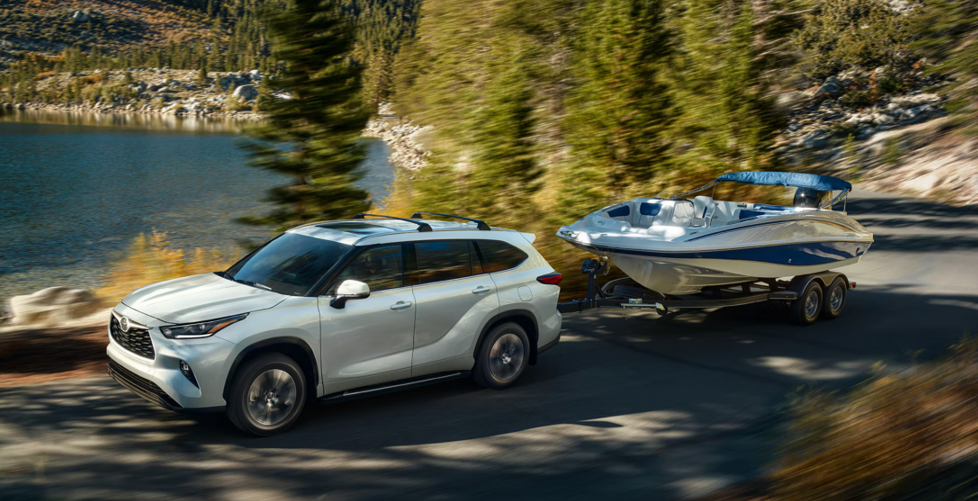
2026 Toyota Highlander driving on scenic road

How Much Can a Toyota Highlander Actually Tow? A Guide for Jacksonville Families

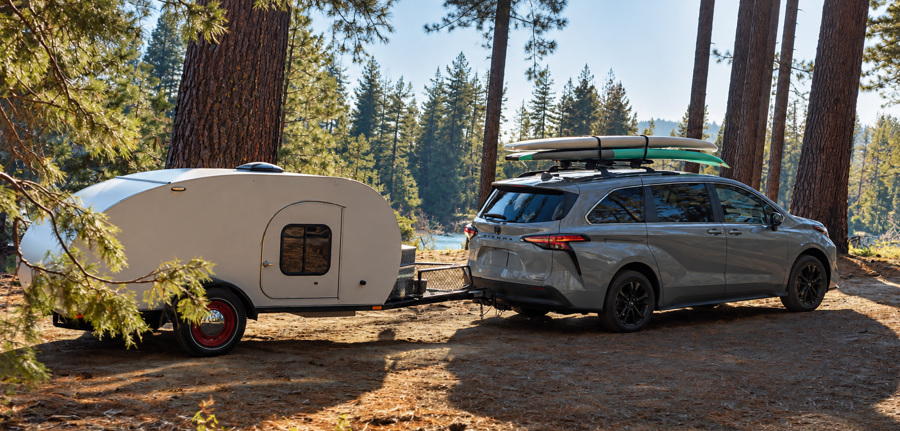
The Toyota Highlander has long been a go-to choice for families who need more than just a comfortable ride to school and soccer practice. Between Jacksonville's access to the St. Johns River, the Atlantic coast, nearby state parks, and weekend camping spots, a lot of local families need a vehicle that can genuinely pull weight. If you're ready to see what the 2026 Highlander can do, explore our 2026 Highlander inventory at Keith Pierson Toyota. Keep reading to understand exactly how much it can tow, under what conditions, and whether it fits your family's specific hauling needs. Toyota Highlander Towing Capacity: What Jacksonville Families Need to Know Toyota rates the 2026 Highlander to tow up to 5,000 lbs when properly equipped. That's a solid number for a three-row family SUV, enough to cover plenty of real-world scenarios. Pulling a fishing boat to a ramp on the St. Johns? No problem. Loading up a utility trailer for a weekend project? Easily within range. "Properly equipped" isn't just a legal disclaimer, though. It means the right engine, the right trim level, and a factory-approved tow hitch with a 7-pin connector installed before you hitch anything up. Understanding those requirements upfront saves headaches down the road. 2026 Toyota Highlander Towing Capacity for Gas-Powered Models The 2026 Highlander's towing capacity sits at 5,000 lbs for gas-powered models with the tow package installed. That capability comes standard across most trims, making the Highlander genuinely accessible for families who want towing without compromising on interior features or daily comfort. Why the 2.4-Liter Turbo Engine Makes the Difference The 2026 Highlander runs on a 2.4L Turbo four-cylinder producing 265 hp and 310 lb-ft of torque. The torque figure is where towing performance really lives. Turbocharged engines build their pulling power low in the RPM range, which translates directly to confident acceleration when starting from a stop with a loaded trailer. Compared to earlier naturally aspirated V6 configurations, this engine is more responsive and fuel-efficient under load. This is a meaningful upgrade in both performance and efficiency. How Highlander Differs From Grand Highlander and Hybrid Models The Grand Highlander is Toyota's larger three-row sibling with more interior space, but it operates under its own towing specifications depending on powertrain. The Highlander Hybrid presents the clearest tradeoff: Toyota rates it at 3,500 lbs, a significant step down from the gas model's 5,000 lbs. The table below summarizes the differences clearly. Model Variant Engine Type Max Towing Capacity 2026 Toyota Highlander (Gas) 2.4L Turbo Gas 5,000 lbs 2026 Toyota Highlander (Hybrid) 2.5L Hybrid 3,500 lbs 2026 Grand Highlander (Gas) 2.4L Turbo Gas 5,000 lbs 2026 Grand Highlander (Hybrid) 2.5L Hybrid 3,500 lbs 2026 Grand Highlander (Hybrid Max) 2.4L Turbo Hybrid Max 5,000 lbs For families whose towing needs exceed 3,500 lbs, the standard gas-powered Highlander is the more practical choice. The rest of this article focuses on that model. What Can You Actually Tow With a Highlander Around Jacksonville? Five thousand pounds is a number worth putting in context. Knowing the towing capacity is one thing; knowing what that means for a Jacksonville family's actual weekend is another. Small Boats and Personal Watercraft For most recreational boat sizes, the Highlander handles the job without breaking a sweat. A jet ski on a trailer typically weighs between 1,200 and 1,800 lbs. A small aluminum fishing boat with its trailer usually falls in the 1,500 to 2,500 lb range. A modest bowrider or pontoon setup can push toward 3,500 to 4,500 lbs, still within the Highlander's rating with margin to spare. For Jacksonville families who spend time on the St. Johns River or trailering out to nearby lakes, these loads are well within reach. Utility Trailers and Cargo Haulers Hauling mulch, moving furniture, and clearing out the garage are where plenty of families get the most regular use from a tow hitch. A standard open utility trailer loaded with typical weekend-project cargo weighs well under 2,000 lbs in most cases. Enclosed cargo trailers can run heavier, but most practical household loads stay comfortably within range. Towing in these scenarios is straightforward, provided the hitch and wiring are properly installed and the load is evenly distributed. Lightweight Campers and Pop-Up Trailers Pop-up campers and lightweight travel trailers are well within reach. Most pop-up campers weigh between 1,500 and 3,000 lbs, and many lightweight travel trailers come in under 4,500 lbs when loaded. A weekend trip to O'Leno State Park or further up the coast falls squarely within range. Heavier travel trailers pushing past 5,000 lbs loaded would call for a larger tow vehicle, but for families just getting into camping, the Highlander covers a lot of ground. If you'd like to browse the full lineup while you plan, view our new Toyota inventory at Keith Pierson Toyota to compare available models and configurations. Understanding the Full Towing Equation: It's More Than Just 5,000 Pounds The 5,000 lb rating is a ceiling, not a guaranteed number available in every situation. Several variables affect how close to that maximum you can safely operate. Tongue Weight, Payload, and Why They Matter Tongue weight is the downward force the trailer places on the hitch ball. A standard towing guideline recommends tongue weight fall between 10 and 15% of the total trailer weight. Towing a 4,000 lb trailer means your tongue weight should be somewhere between 400 and 600 lbs. Too little and the trailer can sway; too much and you overload the rear axle. Payload capacity is separate from towing capacity, and both limits apply simultaneously. Based on the 2026 Highlander's gross vehicle weight rating and curb weights, payload works out to roughly 1,500 to 1,600 lbs depending on trim, covering the weight of the driver, passengers, cargo, and tongue weight together. The exact figure for any given vehicle is printed on the yellow sticker inside the driver's door jamb, so use that number rather than an estimate. Exceeding that figure puts stress on the chassis, brakes, and suspension in ways that affect both safety and long-term vehicle health. Passengers, Cargo, and How They Affect Your Tow Capacity Load up a Highlander with two adults, three kids, luggage, sports gear, and snacks, and you're already carrying several hundred pounds before the trailer hitch takes any load. Every pound inside the Highlander reduces the available payload budget, which in turn affects how much tongue weight the Highlander can safely accept. Consider a family of five with 200 lbs of gear. That's potentially 900 lbs or more consumed before accounting for tongue weight. If the trailer's tongue weight comes in at 500 lbs, you're approaching the payload ceiling quickly — even if the trailer itself weighs well under 5,000 lbs. For Jacksonville families who tend to travel with a full vehicle, accounting for passenger and cargo weight before choosing a trailer is the most important step in responsible towing planning. Towing Equipment Your Highlander Needs to Be Properly Equipped The tow package is what unlocks the full 5,000 lb rating. Without it, the Highlander isn't rated to tow at all, regardless of engine output. The package includes a factory-installed hitch receiver and a 7-pin wiring connector for trailer lighting. Trailers exceeding a certain weight threshold must have their own braking system, so those setups also require a trailer brake controller. Most trims are available with the tow package, though availability may vary by configuration. Verifying this at the time of purchase is important. For loads approaching the upper limit, a weight distribution hitch is recommended, particularly for trailers with significant tongue weight. Toyota's Trailer-Sway Control works in the background to detect and correct trailer oscillation before it becomes dangerous, and Hill Start Assist reduces rollback when pulling a loaded trailer on an incline. This is something worth appreciating on Jacksonville's on-ramps and bridge approaches. Towing Safely With Your Highlander: Key Rules for Jacksonville Roads and Beyond Before any trip, confirm the hitch ball matches the trailer coupler size, safety chains are crossed and attached, and all trailer lighting is functioning. Brake lights, turn signals, and running lights all need to work before you leave the driveway. Speed management matters too. Most towing recommendations call for keeping highway speeds at or below 65 mph when hauling near capacity. On I-95 or I-10, where traffic runs faster, staying disciplined reduces sway risk and extends braking distance margins meaningfully. Florida requires a braking system on trailers over 3,000 lbs gross weight. If your setup approaches that threshold, verify compliance before hitting the road. Tire pressure on both the Highlander and the trailer deserves attention before every trip. Underinflated tires reduce stability and increase heat buildup, especially on longer Florida summer drives. Always consult the owner's manual for your specific Highlander configuration, and verify actual trailer weight with a scale rather than relying on estimates. Explore the 2026 Toyota Highlander at Keith Pierson Toyota The 2026 Highlander earns its towing reputation by balancing real capability with everyday practicality. For Jacksonville families who want one vehicle that handles school pickups on Tuesday and a boat launch on Saturday, it's a genuinely compelling option. We carry new Highlander models with the tow package available, along with Certified Pre-Owned options for families working within a specific budget. New vehicles come with ToyotaCare complimentary maintenance for 2 years or 25,000 miles, plus Toyota's factory warranty including 3-year/36,000-mile comprehensive, 5-year/60,000-mile powertrain, and 5-year/unlimited-mileage corrosion perforation coverage. Ask our team about any additional dealer coverage we offer, along with Toyota service available seven days a week with a complimentary shuttle. Our team can walk you through trim levels, tow package availability, and financing without pressure. Browse our 2026 Highlander inventory to see what's available, or visit us at 6501 Youngerman Circle. For sales, reach the team at 888-461-3879. We're open Monday through Saturday, 8:30 a.m. to 8 p.m., or Sunday, 10 a.m. to 7 p.m. Service inquiries can be directed to 888-597-3703. You can also schedule a test drive or ask questions through our contact page before you visit.

Outdoor Oktoberfest crowd watching live music on stage

Fall Festivals and Fun in Jacksonville: Your Guide to Local Autumn Events

Jacksonville doesn't do fall the way New England does. There's no dramatic overnight leaf change, no sudden frost signaling the season has arrived. Instead, fall here is something you ease into, a gradual softening of summer's intensity that opens the door to some of the best outdoor living in the region. Whether you're a longtime resident or newer to the area, the city's autumn calendar of fall festivals in Jacksonville, FL gives you plenty of reasons to get out and explore. What Fall Actually Feels Like in Jacksonville, FL By October, the humidity that defined July and August begins to lift. Average highs settle into the low 80s and average lows into the mid-60s, and evenings carry just enough of a chill to make a light jacket feel good. It's the kind of weather that makes you want to be outside, which is exactly why fall festivals in Jacksonville tend to draw such enthusiastic crowds. The season hits different here because it combines the casual energy of a coastal city with the community warmth that autumn brings everywhere. You'll still see people heading to the beach, but now they're also lining up for pumpkin patches, outdoor markets, and live music events that wouldn't be nearly as enjoyable in August. For families, longtime residents, and visitors alike, this stretch from October through November consistently delivers some of the most enjoyable weekends of the year. Oktoberfest, Ocean Conservation, and Cultural Celebrations The diversity of Jacksonville's population shows up clearly in what it chooses to celebrate, and the fall lineup reflects that. Beaches Oktoberfest and the Florida Fin Fest Beaches Oktoberfest returns to Seawalk Pavilion on October 16–17, 2026, blending the traditional German framework with a distinctly local personality. Local craft breweries take center stage alongside imported lagers, and live music runs from polka-influenced sets to contemporary sounds that keep the energy going all afternoon. The waterfront setting is hard to beat, and these events fill up quickly, so marking your calendar early is worth it. Earlier in the season, the Florida Fin Fest takes over Seawalk Pavilion on September 11–12, 2026. This ocean conservation festival pairs free live music with environmental awareness programming, and for families who care about Jacksonville's coastal identity, it's a genuinely worthwhile day out. Cultural Festivals Worth Planning Around Beyond Oktoberfest, the fall lineup includes a rich range of cultural celebrations. Events like the Jacksonville Caribbean Carnival and the Melanin Market in the Historic Eastside spotlight diverse communities through live music, artisan vendors, and food. Because specific 2026 dates for these events aren't yet confirmed, check schedules via Visit Jacksonville's events calendar before you head out. Halloween Events and Spooky Fall Fun in Jacksonville Halloween brings out a completely different side of the city's event calendar. For families with young kids, there's plenty of low-key fun. For those who want a genuine scare, that's available too. Family-Friendly Halloween at the Zoo Spooktacular at Jacksonville Zoo and Gardens is one of the better fall traditions in the city, running on select October 2026 dates. It's designed with families in mind, though scare zones within the event are recommended for guests 13 and older, so younger kids can still have a great time with a little pre-planning. Confirm specific dates and ticketing directly through the Jacksonville Zoo and Gardens before you go. Haunted Attractions for Thrill-Seekers For something with more edge, haunted attractions around Jacksonville offer thrills through the Halloween season. Check local listings and the Haunt Nights website for confirmed 2026 options and ticketing details, as specific attractions and schedules have not yet been announced. Fall Farmers Markets, Outdoor Gatherings, and Live Music One of the quieter pleasures of fall in Jacksonville is the farmers market scene. Local growers bring in seasonal produce, honey, and preserves, while artisan vendors selling handmade ceramics and jewelry round out the experience. Markets in Riverside, Avondale, and San Marco are particularly well-suited to a fall morning, and live music often transforms a simple shopping trip into a full outing. Free outdoor events often surface through neighborhood apps and community boards, so keeping an eye on local channels is the best way to catch things that don't make the mainstream listings. Family Activities and Day Trips for the Fall Season Once the temperature drops to something reasonable, outdoor activities that felt impractical in summer become genuinely enjoyable. Outdoor Fall Activities in and Around Jacksonville Jacksonville sits within easy reach of several nature preserves and state parks that look their best in fall. Kathryn Abbey Hanna Park and the Fort Caroline area offer trails and wildlife that feel completely different when the air is cooler. The beaches remain open and far less crowded than during summer, making a fall morning at the coast one of the more underrated local experiences. Pumpkin patches and corn mazes are reliably popular for families with school-age kids. Several farms in the region offer hayrides and picking activities that can easily fill a full day. Surf, Pop Culture, and Easy Day Trips The Super Girl Surf Pro heads to Jacksonville Beach on November 7–8, 2026, bringing the world's largest women's surf competition to our coastline alongside free live music. It's a genuinely exciting event that puts Jacksonville Beach at its best during the fall season. Pop culture fans won't want to miss WasabiCon Jacksonville on October 9–11, 2026, a full convention weekend celebrating anime, gaming, and pop culture with cosplay competitions and a solid vendor floor. For a day trip, St. Augustine, about an hour south, is the natural recommendation. The city leans into its historic character during fall with ghost tours and seasonal markets. Specific 2026 programming is best confirmed via official St. Augustine sources closer to the date. How to Plan Your Fall Festival Weekends Like a Local Getting the most out of Jacksonville's fall calendar takes a little intentional planning. Know the Logistics Before You Go Parking at Seawalk Pavilion can fill up fast on major festival weekends, so arriving early almost always pays off. For bigger events like Beaches Oktoberfest or the Super Girl Surf Pro, rideshare drop-off is worth considering if you'd rather skip the parking hunt entirely. Cross-reference the city's event pages, neighborhood associations, and community social media groups, since some of the best events only appear in local channels. Pack Smart for Florida's Fall Weather Fall weather here is generally cooperative, but temperatures can shift meaningfully between late morning and early evening. A light jacket, sunscreen, and insect repellent are all genuinely practical additions to your festival bag, not just generic advice. Highs average around 81°F throughout October, so layering gives you flexibility throughout the day. If your fall schedule is packed with day trips, farmers markets, and festival weekends, having cargo-ready transportation makes everything easier. If you're in the market for a family-ready vehicle, you can browse our new Toyota inventory to find something that fits your lifestyle. A Few Reminders Before You Head Out This Autumn Check event details close to the date, particularly for November events that can shift with weather or scheduling changes. Following organizers on social media is the fastest way to catch updates. For annual events without confirmed 2026 specifics, including the Greater Jacksonville Agricultural Fair, Sea & Sky Air Show, and Jacksonville Caribbean Carnival, verify current details at Visit Jacksonville before making firm plans. Also worth noting: several of the featured events, including Florida Fin Fest and Super Girl Surf Pro, are free to attend, while others like Spooktacular require tickets. Knowing which is which before you go helps you plan accordingly. Jacksonville's fall calendar is genuinely stacked. Beaches Oktoberfest, Florida Fin Fest, and everything in between give you something worth showing up for nearly every weekend from September through November. We're proud to be part of this community at Keith Pierson Toyota, and we hope you make the most of every fall festival Jacksonville, FL has to offer this season.

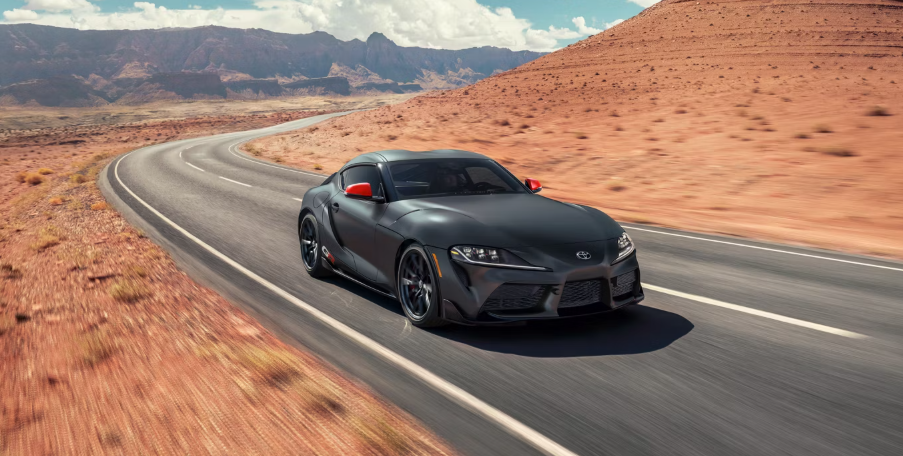
Toyota GR Supra driving on desert highway

Fastest Toyota Cars: Performance and Thrills for Jacksonville Enthusiasts

Toyota's Gazoo Racing lineup has fundamentally changed what a Toyota sports car can be. These are real performance machines that feel just as natural on a winding back road as they do during a weekend track session. For Jacksonville drivers who want something more thrilling than a commuter vehicle, the GR family offers three distinct ways to experience performance Toyota engineering at its best. If you're ready to explore your options, browse our new Toyota lineup to see what's currently available. Toyota's GR Performance Lineup: Built for Jacksonville Enthusiasts The Gazoo Racing badge, better known as GR, is Toyota's motorsport program applied directly to production vehicles. Each GR model is purpose-built with track-oriented technology, tuned suspension, and powertrains designed for driver involvement. Chassis rigidity and steering feedback were treated with the same seriousness as outright power. Aerodynamic balance too. Every choice reflects Toyota's motorsport background, and the result is a lineup that spans straight-line speed, AWD grip, and corner-carving precision. Jacksonville is a genuinely good place to own a fast car. Open highway stretches and sweeping on-ramps give these vehicles room to do what they were built for, and Florida's back roads are never far away. Drivers who want more from their daily commute will find the GR lineup delivers it. GR Supra: Toyota's Most Powerful Production Sports Car The GR Supra is Toyota's flagship performance model, pairing aggressive aerodynamic styling with engineering built around high-speed stability and driver responsiveness. Its low, wide stance actively manages airflow and cornering grip, keeping the car planted and composed when you're pushing hard. An advanced multi-link suspension system sharpens that further, giving the driver confidence through sweeping bends and tighter technical corners alike. For 2026, the GR Supra runs a turbocharged 3.0L inline-six producing 382 hp and 368 lb-ft of torque, with peak torque arriving at just 1,800 rpm. Top speed is 160 mph (governor-limited), and the drivetrain is RWD throughout. The 3.0L Inline-Six: The Only Engine for 2026 For 2026, Toyota discontinued the previous four-cylinder variant. The inline-six is now the sole engine option, and it's a strong one. Torque peaks early at 1,800 rpm and pulls consistently through the rev range, producing an effortless sensation on highway entries and a deeply satisfying response on open roads. Power builds progressively rather than arriving all at once, which makes the car both fast and genuinely manageable. Transmission Choices and Their Effect on the Driving Experience Transmission selection shapes the Supra experience significantly. Both options share the same 382 hp output and 160 mph top speed, but they deliver it differently. Transmission Horsepower 0-60 mph Top Speed 8-speed automatic 382 hp 3.9 sec 160 mph 6-speed manual 382 hp 4.2 sec 160 mph The automatic shifts quickly and intelligently, managing Jacksonville traffic without friction while responding with snappy precision when you call for more. Sport and track modes adjust shift timing to extract performance when the moment calls for it. The manual changes the relationship between driver and car. Controlling gear selection yourself creates a more direct connection between intention and response, and many enthusiasts consider it the more rewarding choice for spirited driving. Both are legitimate options; it comes down to how involved you want to be. GR Corolla: Turbocharged AWD Performance With Everyday Capability Many performance buyers want a fast daily driver that actually functions as a daily driver. The GR Corolla fits that description well. Its turbocharged 1.6L inline-three produces 300 hp and 295 lb-ft of torque, paired with Toyota's GR-FOUR AWD system. Unlike the Supra's two-seat layout, the GR Corolla has a rear seat, cargo space, and enough practicality to work as someone's only vehicle. Transmission options are a 6-speed manual or an 8-speed Direct Automatic Transmission (DAT). The 0-60 time is approximately 5.0 seconds (estimate). The GR Corolla is also the fastest Corolla in Toyota's current lineup, and it's not particularly close. Engine Output, All-Wheel Drive, and Handling Balance What sets the GR Corolla apart is how the GR-FOUR AWD system works with the engine rather than simply splitting power to all four wheels. Drivers can adjust torque distribution between the front and rear axles, allowing the car to be set up for maximum grip on back roads or dialed toward a more neutral, playful balance in controlled environments. That level of driver control is typically found on vehicles that cost significantly more. On wet Florida roads, the AWD system keeps things confident and predictable. On dry, winding stretches, the GR Corolla becomes one of the most satisfying cars in the GR lineup to drive hard, and it rewards drivers who push into its full capability. To check for available offers on models like this one, view our current new vehicle specials. GR86: Lightweight Precision and Corner-Carving Thrills The GR86 comes from a different philosophy than the other two GR models. Where the Supra prioritizes power and the Corolla adds AWD capability, the GR86 strips the formula back to something purer. Its 2.4L naturally aspirated flat-four (boxer) engine produces 228 hp and 184 lb-ft of torque, the car weighs approximately 2,800 lbs, and the drivetrain is RWD. Transmission choices are a 6-speed manual or 6-speed automatic. The 0-60 time is 6.1 seconds. Enthusiasts who care more about feel and feedback than straight-line speed consistently gravitate toward the GR86. It's the kind of car that makes you a better driver over time rather than simply carrying you along. Naturally Aspirated Power and Rear-Wheel Drive Dynamics The naturally aspirated engine behaves differently from a turbocharged unit. Power builds as revs climb rather than arriving in a sudden surge of boost pressure. The delivery is linear and predictable, which makes it easier to place the car precisely through corners. Drivers who enjoy working through the gearbox and keeping the engine in its power band will get a lot out of it. RWD completes the package by allowing the rear of the car to rotate naturally in response to throttle input. For drivers who want to develop genuine car control skills, the GR86 is well suited to that. It's honest and communicative, with clear feedback about what the car is doing at all times. Straight-Line Speed vs. Cornering Performance: How the Three GR Models Compare Choosing among these three models comes down to what kind of driving experience you're after. Rather than a strict ranking, each GR car excels in a different dimension. Model Horsepower Drivetrain 0-60 mph Handling Focus Ideal Use Case GR Supra 382 hp RWD 3.9 sec (auto) / 4.2 sec (manual) Straight-line speed, high-speed stability Track days, highway performance GR Corolla 300 hp GR-FOUR AWD ~5.0 sec (estimate) AWD grip, all-weather versatility Daily driver, spirited back roads GR86 228 hp RWD 6.1 sec Lightweight cornering precision Back roads, skill development The GR Supra leads in outright straight-line performance. Its turbocharged inline-six, combined with a low drag coefficient and firm suspension tuning, makes it the strongest performer when 0-60 times and top speed are the priority. The GR Corolla occupies a compelling middle ground. AWD and turbocharged output make it extremely capable in both acceleration and cornering, especially in variable Florida weather. Its peak speed doesn't match the Supra's, but the versatility more than compensates. Weekend drives, road trips, Monday commutes, it handles all of them in one car without making you feel like you're compromising. The GR86 trades raw speed for precision. Its cornering ability relative to its power output is exceptional, and the RWD layout means skilled drivers can extract something genuinely exciting from every twisting road. For Jacksonville enthusiasts who prioritize weekend back roads as much as weekday commutes, the GR86 rewards that mindset directly. Which Fast Toyota Matches Your Driving Style and Lifestyle Choosing among these Toyota performance cars comes down to an honest look at how you actually use a vehicle day to day. The GR Supra suits drivers who treat performance as the primary value and are comfortable with a two-seat setup. It's for someone who views their car as a direct expression of driving passion. The GR Corolla is the practical enthusiast's answer. It handles passengers, cargo, weekend trips, and weekday errands while still being genuinely fast and fun. It's also the entry point for drivers curious about AWD performance in a compact format. The GR86 suits someone who values driving as a skill and wants a car that encourages them to develop it further. It's also the most accessible of the three on price, making it an excellent first performance car or a worthwhile addition for someone building a collection. Find Your GR Model at Keith Pierson Toyota Our team at Keith Pierson Toyota in Jacksonville can walk you through the real-world differences between GR models in plain terms, covering transmission preferences, drivetrain tradeoffs, and what everyday ownership of a Toyota sports car actually looks like. Please note that availability varies and not every model may be in stock at any given time, so we recommend reaching out before making the trip. Browse our new Toyota lineup to see current inventory, or contact our sales team at 888-461-3879, Monday through Saturday from 8:30 AM to 8 PM and Sunday from 10 AM to 7 PM. We're here to match the right driver with the right car, no pressure, just informed guidance from people who take performance seriously.

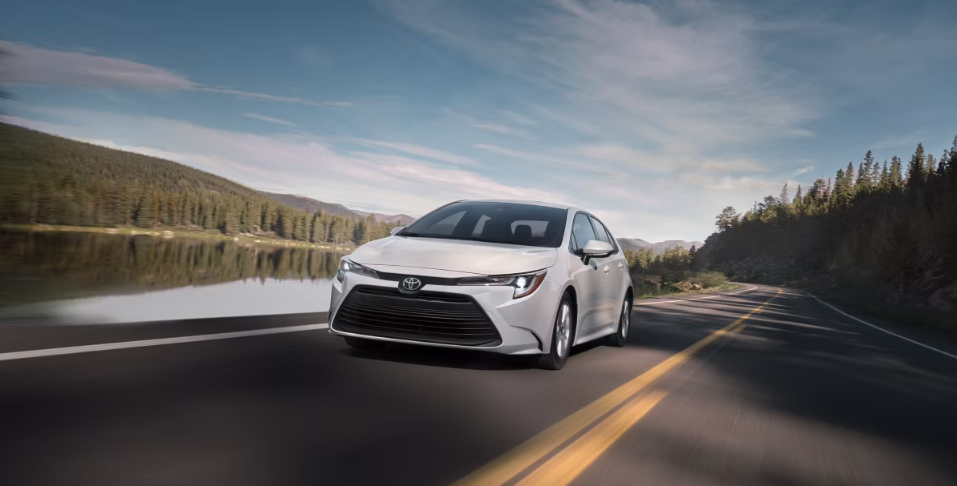
Toyota Corolla driving on scenic lakeside road

Toyota Corolla Safety Features: Protecting Jacksonville Families on the Road

Jacksonville roads can be genuinely demanding. Between school drop-off lines on US-1, merging onto I-95 during the morning commute, and the stop-and-go grind of Beach Boulevard (US-90) traffic on summer weekends, the vehicle you're driving matters. For families who want real protection without giving up everyday practicality, the 2026 Toyota Corolla delivers a safety package built for actual driving conditions. If you're already thinking about making a move, browse our new Toyota inventory in Jacksonville to see what's available now. Why Jacksonville Families Are Choosing the 2026 Toyota Corolla Jacksonville families are drawn to the Corolla for reasons that go beyond price. Its reliability record, strong resale value, and low ownership costs make it a smart choice for households watching their budget. But safety has increasingly tipped the scales for buyers with kids in the car. Parents want to know that when their teenager heads to school on US-1, or the family is heading home on I-295 after a late night, the car is actively working to keep everyone safe. The 2026 Corolla answers that with a well-rounded safety profile that includes technology to prevent accidents and structural engineering to protect occupants when something unavoidable happens. It's the kind of balance that explains why the Corolla has remained one of the most trusted compact sedans on the market for decades. Toyota Safety Sense™ 3.0: The Foundation of Corolla's Active Protection Toyota Safety Sense™ 3.0 is the core of the 2026 Corolla's active safety setup, a full suite of driver-assistance technologies that comes standard on every trim level. Every buyer gets the core suite regardless of which grade they choose, which is a genuinely family-friendly advantage. A few individual TSS 3.0 capabilities vary by model and grade, so it's worth confirming the exact feature set on the specific Corolla you're considering. Rather than relying solely on the driver to catch every risk in real time, Toyota Safety Sense™ 3.0 uses cameras and sensors to monitor the vehicle's surroundings continuously. Pre-Collision System with Pedestrian Detection The Pre-Collision System with Pedestrian Detection (PCS w/PD) uses a forward-facing camera and sensors to detect road users ahead, including other vehicles, pedestrians, cyclists, and motorcyclists. When a collision risk is identified, the system alerts the driver and can apply automatic emergency braking if no action is taken. It's one of the most consequential safety systems on the car, working continuously to add a margin in exactly the situations where a fraction of a second matters. In stop-and-go Beach Boulevard traffic or busy school drop-off zones, this responsiveness provides a meaningful buffer in the moments when attention slips. Lane Departure Alert with Steering Assist and Lane Tracing Assist Lane Departure Alert with Steering Assist (LDA w/SA) monitors lane markings above 30 mph and alerts you if the vehicle begins to drift without a turn signal activated. When needed, it applies gentle corrective steering to guide the Corolla back into its lane. Lane Tracing Assist (LTA) works alongside Full-Speed Range Dynamic Radar Cruise Control (DRCC) to help center the vehicle in its lane when markings are clearly visible. On longer drives, these features reduce mental fatigue without pulling the driver out of the loop. Road Sign Assist and Automatic High Beams Road Sign Assist (RSA) uses camera technology to detect posted traffic signs and displays them on the multi-information display. Speed limit signs, stop signs, yield signs, and "do not enter" signs are all captured and shown in the driver's sightline. It's a simple feature that proves genuinely useful in unfamiliar neighborhoods or school zones with frequently changing speed limits. Automatic High Beams (AHB) handle the switch between high and low beams automatically, detecting the headlights of oncoming vehicles and the taillights of vehicles ahead. Night driving around Jacksonville's less-lit suburban roads becomes more comfortable when the headlights adjust on their own without requiring manual input. Proactive Driving Assist On grades that include it, Proactive Driving Assist offers subtle support in low-risk conditions, providing gentle braking or steering input to help maintain following distance or take a curve more smoothly. It works quietly in the background rather than stepping in dramatically. Most drivers won't notice it working, which is exactly the point. Availability of this particular feature can vary across the Corolla range, so check the trim you're looking at to confirm it's included. How Toyota Safety Sense 3.0 Supports Everyday Jacksonville Driving Toyota Safety Sense™ 3.0 is built for the situations Jacksonville drivers actually encounter: merging onto I-95, moving through school zones, and managing the unpredictable flow of heavy beach traffic on summer weekends. What makes it particularly valuable for families is how unobtrusive it is. Toyota Safety Sense™ 3.0 runs quietly in the background, stepping in with alerts or assistance only when needed. Good safety technology works with driver behavior rather than against it, and that's exactly what it does. Additional Driver-Assistance Features on the 2026 Toyota Corolla Beyond Toyota Safety Sense™ 3.0, the 2026 Corolla includes supplementary driver-assistance technologies that address specific everyday challenges. Blind Spot Monitor and Rear Cross-Traffic Alert Blind Spot Monitor (BSM) with Rear Cross-Traffic Alert (RCTA) is standard on the 2026 Corolla. BSM provides visual and auditory alerts when another vehicle enters the driver's blind spot during a lane change, which is especially useful on multi-lane roads like I-95 or I-295 where traffic moves fast and gaps close quickly. RCTA detects approaching vehicles from the sides when you're reversing out of a parking space. School pickup lots and packed shopping centers can make that scenario genuinely stressful, and this feature expands your awareness beyond what the backup camera shows directly. Backup Camera The standard backup camera provides a clear, real-time view of the area directly behind the vehicle when reversing. Paired with the Rear Cross-Traffic Alert described above, it gives you a fuller picture when backing out of a parking space or a tight garage spot, where sightlines are often limited. Passive Safety: Structural Protection and the Star Safety System Active safety systems work to prevent collisions. The Corolla's passive safety features are there for when a crash can't be avoided. The 2026 Corolla features a high-strength body structure engineered to absorb and distribute impact forces, supporting occupant protection in the event of a collision. Complementing the structure is Toyota's Star Safety System, which brings together several integrated braking and stability technologies: vehicle stability control, traction control, anti-lock braking, electronic brake-force distribution, brake assist, and Smart Stop Technology. In practice, that means the car works to keep itself under control during a sudden stop on wet pavement or a sharp curve taken a little too fast. Safety Technology as a Support System, Not a Substitute for Attention It's worth being direct about what advanced safety technology can and cannot do. Toyota Safety Sense™ 3.0, BSM, PCS w/PD, and everything else the Corolla offers are tools to help drivers, designed to support attention rather than replace it. Toyota is transparent about this, and responsible ownership means understanding where the limits are. Staying attentive behind the wheel still matters. These features add a layer of protection, but they work best when the driver is engaged. Someone fully distracted with every safety feature running is still more of a hazard than an alert driver in a car with fewer systems. The technology performs best when the person behind the wheel is actually present. Explore the 2026 Toyota Corolla at Keith Pierson Toyota As a family-owned dealership serving Jacksonville for over twenty years, we at Keith Pierson Toyota understand what local families need from a vehicle. Our team can walk you through every safety feature in detail and help you find the right fit. Located at 6501 Youngerman Circle, Jacksonville, FL 32244, we offer new Corollas alongside Certified Pre-Owned options and flexible financing. Every new vehicle purchase includes two years of complimentary maintenance and a lifetime warranty with unlimited miles. You can reach our sales team at 888-461-3879, Monday through Saturday 8:30 a.m. to 8 p.m. and Sunday 10 a.m. to 7 p.m. The 2026 Toyota Corolla is built for families who won't compromise on safety. Browse our new Toyota Corolla inventory or stop by for a test drive and see Toyota Safety Sense™ 3.0 in action for yourself.

Blue Toyota Tundra pickup truck

Toyota Tundra for Sale in Jacksonville, FL: Your Guide to Trims and Features

The Toyota Tundra has earned its reputation as one of the most capable full-size trucks on the market, and Jacksonville drivers know it. Whether you're hauling equipment across Duval County, heading out to the St. Johns River on a weekend, or simply want a truck that handles everything Northeast Florida throws at it, the Tundra consistently delivers. If you're searching for a Toyota Tundra for sale in Jacksonville, FL, browse our current new Toyota Tundra inventory or read on for a full breakdown of every trim, configuration, and standout feature to help you find the right fit. Why Jacksonville, FL Drivers Keep Choosing the Toyota Tundra Jacksonville isn't just Florida's largest city by area. It's a place where people actually use their trucks. From contractors and tradespeople hauling loads through the Westside to outdoor enthusiasts launching boats at Hanna Park, full-size truck ownership here is practical, not just aspirational. The Tundra fits that lifestyle naturally. Toyota's full-size pickup brings a refined interior, hybrid technology, and serious towing capability into a package that handles both daily commutes on I-295 and long hauls with equal composure. It's also backed by Toyota's well-documented reliability reputation, which makes it a smart long-term investment for buyers who keep their vehicles for years. 2026 Toyota Tundra Cab and Bed Configurations The 2026 Tundra gives buyers meaningful flexibility in how they configure their truck. Two cab styles are available: the Double Cab and the CrewMax. The Double Cab seats up to five passengers and pairs well with buyers who prioritize bed space. The CrewMax features a larger rear cabin with significantly more rear legroom, making it the better pick for families or anyone who regularly carries passengers in the back seat, a common need for drives around Orange Park or Mandarin. Bed length options are 5.5-ft., 6.5-ft., and 8.1-ft., with availability varying by trim and configuration. The 8.1-ft. long bed suits buyers who regularly transport large cargo or equipment on the job. The 6.5-ft. bed is a versatile middle ground for most work and recreational use. The 5.5-ft. short bed prioritizes maneuverability in tighter urban environments and works well when cab comfort is the main priority. 2026 Toyota Tundra Trim Levels: A Complete Breakdown The 2026 Tundra lineup spans ten trim levels, covering everything from a capable work truck baseline to a fully loaded luxury option. Each trim builds meaningfully on the one below it, and three trims (Limited, Platinum, and 1794 Edition) are also offered as dedicated i-FORCE MAX variants, so there's genuine value at every price point. Trim Powertrain Availability Best For SR Standard i-FORCE only Budget-conscious buyers, work trucks SR5 Standard i-FORCE only Daily drivers wanting added comfort Limited Standard i-FORCE or i-FORCE MAX Buyers wanting premium daily comfort Platinum Standard i-FORCE or i-FORCE MAX Luxury feel with full capability 1794 Edition Standard i-FORCE or i-FORCE MAX Distinctive style with premium features TRD Pro i-FORCE MAX only Serious off-road use Capstone i-FORCE MAX only Maximum luxury and technology SR: The Hardworking Foundation The SR is the entry point of the Tundra lineup, taking a no-nonsense approach to full-size truck ownership. Standard features include an 8-inch touchscreen, Toyota Safety Sense 2.5, a backup camera, and durable fabric-trimmed seating that holds up well in work environments. Available in both rear-wheel drive and 4x4 configurations, the SR provides a practical foundation without unnecessary extras. SR5: More Features Without Compromise The SR5 adds notable comfort and convenience upgrades, including an upgraded display audio system with Apple CarPlay and Android Auto, power-adjustable front seats, sport-style interior trim, and fog lights. Additional TRD package options give buyers who want more off-road capability a value-oriented path to get there. It strikes a strong balance for Jacksonville drivers who want daily usability with a bit more refinement. Limited: Premium Comfort Meets Daily Capability The Limited is where the Tundra begins to feel genuinely premium. Standard features include a 14-inch touchscreen infotainment display, heated and ventilated front seats, dual-zone automatic climate control, and a power-sliding rear window. A heated steering wheel is available as part of an option package rather than standard equipment. Blind-spot monitoring and rear cross-traffic alert round out an already solid safety suite. The Limited also becomes the first trim where the i-FORCE MAX hybrid powertrain is available. Platinum: Refined Power for Discerning Buyers The Platinum goes further into luxury territory with leather-trimmed 10-way power-adjustable seating, a power tilt/slide panoramic roof with power sunshade, and a JBL premium audio system. A power-deployable running board system is available as an option, and a Panoramic View Monitor takes the stress out of parking and working through tight spots around town. The interior fit and finish at this level begins to rival traditional luxury vehicles. 1794 Edition: Western Heritage in a Full-Size Truck Named after 1794, the year a Spanish land grant established a cattle ranch on land in Texas hill country south of San Antonio, where Toyota's San Antonio plant now stands, the 1794 Edition brings distinctive Western-inspired styling to the lineup. Unique two-tone leather seating, wood-grain interior accents, and 1794 Edition badging set it apart visually. It carries over most of the Platinum's technology features while adding its own character for buyers who want something that looks and feels different from a standard premium pickup. TRD Pro: Trail-Ready Performance for Florida's Outdoors The TRD Pro is built for people who actually go off-road. It arrives with FOX shocks, a front skid plate, Multi-Terrain Monitor, a locking rear differential, and Crawl Control for handling challenging terrain at low speeds. TRD-specific styling includes an aggressive front fascia, TRD-badged seats, and unique exterior color options. The TRD Pro is offered exclusively with the i-FORCE MAX hybrid powertrain, making it the most capable off-road and towing combination in the lineup. For Jacksonville residents who explore back roads and trails across North Florida, it's the serious off-road choice. Capstone: The Pinnacle of Tundra Luxury The Capstone sits at the top of the Tundra hierarchy. Semi-aniline perforated leather, a 14-inch touchscreen, 22-inch dark-chrome alloy wheels, a powered bed step, and a Panoramic View Monitor make this trim an exceptional choice for buyers who want maximum refinement. It brings together Toyota's full suite of comfort and convenience technology in one definitive luxury-focused package, though certain off-road-specific features remain exclusive to the TRD Pro. i-FORCE MAX Hybrid: Electrified Power on Select Trims The available i-FORCE MAX hybrid powertrain is one of the Tundra's most compelling developments. This twin-turbocharged V6 pairs with an electric motor/generator positioned between the engine and the 10-speed transmission in a parallel hybrid layout, delivering immediate low-end torque that makes acceleration feel strong and linear even under load. Power delivery is smooth, and towing capability doesn't suffer the way you might expect from a hybrid setup in a full-size truck. The i-FORCE MAX is available on the Limited, Platinum, and 1794 Edition as an upgrade option. The TRD Pro and Capstone come exclusively with i-FORCE MAX, reflecting how well the hybrid system suits demanding off-road and towing applications. For buyers who spend time on the water or haul heavy loads regularly, the improved low-speed responsiveness is noticeable in real-world use. Towing, Payload, and Performance for Northeast Florida Life The Tundra's towing capability is central to its appeal for working drivers and outdoor enthusiasts alike. Properly equipped, the 2026 Tundra can tow up to 12,000 lbs, enough to handle most boat and trailer combinations at local ramps, pull a travel trailer down I-10, or move equipment across a Jacksonville metro job site without hesitation. Toyota's Trailer Brake Controller and Trailer Sway Control systems add a meaningful layer of safety when towing. The Tundra's frame and suspension are also engineered for stability under load, which matters when conditions on the road aren't ideal. Technology, Safety, and Connectivity Across the Tundra Lineup Toyota Safety Sense 2.5 comes standard on every 2026 Tundra trim. Every buyer gets pre-collision warning with automatic emergency braking, lane departure alert, and radar cruise control from the base SR upward, along with automatic high beams. In a segment where safety tech often comes only as an upgrade, having all of that standard is a genuine differentiator. The Tundra's infotainment options scale well across the lineup. The base 8-inch display supports wireless Apple CarPlay and Android Auto, while higher trims get the larger 14-inch touchscreen with a more intuitive interface. Available features include a Wi-Fi hotspot, wireless device charging, over-the-air software updates, and the Toyota Connected Services suite. The JBL premium audio system available on upper trims delivers noticeably richer sound quality on long drives. Browse the Toyota Tundra Lineup at Keith Pierson Toyota in Jacksonville Keith Pierson Toyota, located at 6501 Youngerman Circle in Jacksonville, FL, carries new and used Tundra models across the full trim spectrum. As a family-owned and operated dealership with over twenty years serving Jacksonville drivers, the team takes a straightforward approach to the car-buying experience with transparent pricing and a genuine commitment to customer satisfaction long after the sale. New vehicle buyers benefit from two years of complimentary maintenance and a lifetime warranty with unlimited miles. The service department operates seven days a week, with hours running Monday through Friday from 7 a.m. to 7 p.m., Saturday from 7 a.m. to 6 p.m., and Sunday from 9 a.m. to 4 p.m. The sales team is available Monday through Saturday from 8:30 a.m. to 8 p.m. and Sunday from 10 a.m. to 7 p.m. Ready to find your next truck? Browse our new Toyota Tundra inventory to see what's currently available, or explore our full new Toyota inventory for a broader look at what we have on the lot. You can also reach us at 888-461-3879 or visit our contact page to connect with a member of our team directly.

High-angle view of a pickup truck towing a boat trailer in afternoon sunlight

Bands from Jacksonville, FL: A Soundtrack for Your Next Toyota Road Trip

Jacksonville doesn't always get the credit it deserves when people talk about American music history. Mention Southern rock to anyone who knows their stuff, and eventually Jacksonville comes up. This city on Florida's northeastern coast has produced some of the most celebrated rock bands in the country, from swamp-dusted legends to modern arena acts that still sell out shows worldwide. If you're mapping out a road trip through Northeast Florida and want the perfect playlist to match the scenery, you'd be hard-pressed to find a better source than the bands from Jacksonville, FL themselves. Jacksonville, FL: A City With a Serious Musical Legacy Jacksonville sits at a fascinating crossroads of Southern culture and Florida coastal energy. That mix has always shaped its music, giving Jacksonville bands a gritty, roots-deep sound that's different from what came out of Nashville or Los Angeles. The city's working-class character and its deep ties to the American South fed into a music scene that consistently punched above its weight. Throughout the 1970s, Jacksonville became one of rock's most important cities. Jacksonville bands weren't just playing local bars; they were shaping an entire genre and landing on the biggest stages in the world. A new generation eventually picked up that thread, and the city's creative energy kept moving forward. For anyone who loves music and loves to drive, Jacksonville and its surrounding region offer a natural pairing. The roads here, whether you're tracing the Atlantic coastline or cutting through pine forests on older state highways, feel like they were built for a great rock playlist. The Legends Who Put Jacksonville on the Rock Map Before streaming algorithms and social media, Jacksonville bands built their reputations through relentless touring and a sound that connected deeply with working-class America. The musicians who came up here in that era didn't just find success. They defined an entire chapter of American music. Lynyrd Skynyrd: Southern Rock's Most Iconic Export No conversation about rock bands from Jacksonville, FL starts anywhere other than Lynyrd Skynyrd. Formed in Jacksonville in 1964, the band grew from high school friends into the dominant voice of Southern rock. Their blend of blues and country with hard rock created something that felt both deeply regional and universally felt. Songs like "Sweet Home Alabama," "Free Bird," and "Simple Man" are more than classic rock staples. They're road trip essentials. "Free Bird" in particular feels tailor-made for long stretches of open highway, its extended guitar outro building in a way that matches the feeling of watching the miles roll by. Lynyrd Skynyrd's catalog is the backbone of any serious Jacksonville music playlist. Molly Hatchet and 38 Special: Keeping the Fire Burning Jacksonville's Southern rock tradition didn't rest entirely on one band. Molly Hatchet, formed by guitarist Dave Hlubek in 1971, and 38 Special, formed by singer-guitarists Donnie Van Zant and Don Barnes in 1974, both emerged from the same Jacksonville scene, each bringing a slightly different energy to the genre. Molly Hatchet leaned into a heavier, more aggressive sound, with tracks like "Flirtin' with Disaster" delivering driving, riff-heavy rock that sounds best at highway speeds. 38 Special took a slightly more polished approach, blending Southern rock with melodic hooks that made songs like "Hold On Loosely," "Caught Up in You," "Rockin' into the Night," and "If I'd Been the One" radio-friendly without sacrificing their roots. Together, these two bands represent a remarkable concentration of talent from a single city, operating at the highest level of their genre during the same decade. Jacksonville's Modern Bands That Took It National The music didn't stop in the 1970s. By the late 1990s and early 2000s, a new wave of Jacksonville bands was making serious noise nationally. Shinedown: From Local Stages to Sold-Out Arenas Shinedown formed in Jacksonville in 2001 when vocalist Brent Smith recruited bassist Brad Stewart and drummer Barry Kerch, along with guitarist Jasin Todd, to build the group that would later stabilize with Eric Bass on bass and Zach Myers on guitar. Their combination of post-grunge power, melodic songwriting, and genuine emotional depth helped them build an audience that extended well beyond the rock format. Songs like "Second Chance" and "Bully" gave the band crossover appeal without losing the edge that made them compelling. For a road trip playlist, their catalog works particularly well during the transition from late afternoon into evening, when the energy of the drive shifts and you want something with a bit more emotional weight. Yellowcard and Limp Bizkit: Two Sounds, One Hometown The range of Jacksonville bands tells you a lot about how musically diverse the city actually is. Yellowcard and Limp Bizkit, formed in Jacksonville in 1997 and 1994 respectively, couldn't sound more different, yet both achieved substantial national followings. Yellowcard brought violin-infused pop-punk to mainstream radio in the early 2000s with their breakout album "Ocean Avenue," which remains one of the most nostalgic records of that era. Their music carries a wistfulness that pairs naturally with coastal drives and late summer light. Limp Bizkit helped define the nu-metal movement of the late 1990s and early 2000s. Their aggressive, genre-blending sound still delivers exactly what it promises. For a family road trip, stick to their more radio-friendly tracks and treat the heavier material as a change of pace rather than the playlist centerpiece. Building Your Northeast Florida Road Trip Playlist by Route Knowing which Jacksonville bands to listen to is one thing. Knowing which songs to queue up for which road makes the difference between a good trip and a genuinely memorable one. Beach Drive Vibes: A1A and the Coastal Cruises State Road A1A runs along the Atlantic coastline, connecting Jacksonville Beach to communities like Ponte Vedra Beach and Fort George Island. For this route, Yellowcard's "Ocean Avenue" is almost obligatory. Their sound, bright and bittersweet, matches the light off the water perfectly. 38 Special's more melodic tracks also work well here, keeping the energy up without overwhelming the scenery. Long Haul Classics: Highway 17 and Open-Road Southern Rock US Highway 17 cuts through some of the older, less-traveled parts of Northeast Florida, passing through small towns and stretches of pine forest that feel untouched by modern development. This is Lynyrd Skynyrd territory. "Tuesday's Gone," "Call Me the Breeze," and "Gimme Three Steps" have the kind of rolling, unhurried energy that suits a two-lane highway with nothing urgent on either end. Molly Hatchet fits here too, especially for longer stretches where you want the music to carry a bit more weight and grit. Chill Sunday Drives: Mellow Tracks for Back Roads and State Parks Northeast Florida has some exceptional state parks, including Little Talbot Island State Park, Hanna Park, and the Timucuan Ecological and Historic Preserve. Sunday afternoon drives to these spots call for something more reflective. Shinedown's slower catalog, tracks like "Second Chance," works beautifully here. So does Lynyrd Skynyrd's "Simple Man," which remains one of the most genuinely moving songs in the Southern rock catalog and feels especially right when the road is quiet and the trees are tall on both sides. Weekend Road Trip Ideas Around Jacksonville for Music Lovers Jacksonville's live music scene gives you plenty of reasons to plan a weekend around both driving and live shows. The city has venues ranging from small neighborhood clubs to larger amphitheaters that attract national touring acts, so live music is a regular occurrence throughout the year. Beyond the city itself, the region offers compelling day trip destinations. St. Augustine, about an hour south on I-95, has a thriving live music scene with performances in its historic district that often draw on folk, blues, and roots traditions. Gainesville, about two hours southwest, has a college music scene that produces new talent consistently. Savannah, Georgia, about two hours north, has excellent live music throughout its downtown. For music events in Jacksonville specifically, the Jacksonville Jazz Festival, held annually in downtown Jacksonville, is one of the largest free jazz festivals in the country. Keep an eye on schedules at venues like Daily's Place and the VyStar Veterans Memorial Arena, both of which host national touring acts. How a Toyota Keeps the Music Going Mile After Mile A great road trip playlist deserves a vehicle that can actually do the route justice. Keith Pierson Toyota is a family-owned dealership in Jacksonville that brings a personalized, low-pressure approach to finding the right vehicle, whether you want a new Toyota, a Certified Pre-Owned model, or something budget-friendly from our used inventory. For road trips specifically, Toyota's lineup covers a lot of ground: The RAV4 handles everything from beach parking lots to unpaved park roads with ease. The Highlander and Grand Highlander give families the space and comfort needed for longer hauls with gear or passengers. The 4Runner and Tacoma are natural fits for state park adventures and off-the-beaten-path back roads. The Sienna offers flexible seating and everyday convenience that makes it a strong choice for family beach days. Ready to find your road-trip-ready vehicle? Browse our current Toyota lineup and see what's available at Keith Pierson Toyota in Jacksonville. Final Notes: Crank Up the Jacksonville Playlist and Hit the Road Jacksonville's musical legacy is genuinely impressive. Lynyrd Skynyrd, Molly Hatchet, and 38 Special planted the flag for Southern rock in the 1970s, and Jacksonville bands like Shinedown and Yellowcard carried that creative momentum into a new era, across different genres, without losing what makes this city's music feel grounded and real. That quality is what makes Jacksonville bands such a natural fit for a road trip soundtrack. Whether you're driving A1A with the ocean out the window, cutting through old-growth forests on Highway 17, or heading out for a weekend of live music, the right playlist turns a good drive into something you'll remember. Start with Skynyrd, let 38 Special carry you through the middle miles, and close out with Shinedown when the light starts to change. You couldn't ask for better company on the road.

2026 Toyota Camry driving through a tree-lined neighborhood

2026 Toyota Camry vs. 2026 Honda Accord: The Midsize Sedan Showdown in Jacksonville

Choosing a midsize sedan has never been simple, especially when two of the segment's strongest competitors go head-to-head. The 2026 Toyota Camry vs. Honda Accord debate is one that Jacksonville drivers have been having for years, and for good reason. Both vehicles bring serious credentials to the table. In 2026, though, the comparison has shifted in a meaningful way, making it worth a closer look before you decide which one belongs in your driveway. If you already know the Camry is calling your name, browse our current 2026 Camry inventory and see what's available right now. A Key Decision Point: Hybrid-Only Camry vs. Accord's Dual Powertrain Lineup One fundamental difference shapes this entire comparison: how each car is powered. Toyota made a bold move with the Camry by going fully hybrid, while Honda kept its options open with the Accord. That single distinction affects fuel costs, driving feel, and long-term ownership value. 2026 Toyota Camry: Exclusively Hybrid Power Toyota went all-in on hybrid technology for the 2026 Camry, eliminating the traditional gasoline-only engine entirely. Every Camry trim runs Toyota's 2.5L hybrid system producing 225 hp in FWD configuration, or 232 hp with available Electronic On-Demand AWD. Five trims are available: LE, SE, Nightshade Edition, XLE, and XSE. 2026 Honda Accord: Turbocharged Gas or Hybrid The Accord gives drivers a choice. The LX and SE trims use a turbocharged gas engine producing 192 hp, while the Sport Hybrid, EX-L Hybrid, Sport-L Hybrid, and Touring Hybrid trims run Honda's hybrid system at 204 total system hp. This flexibility makes the Accord appealing for anyone not yet ready to commit fully to hybrid technology. Side-by-Side Specs Feature Category Camry Hybrid Accord Gas Accord Hybrid Engine/Powertrain 2.5L hybrid system Turbocharged gas Hybrid system Horsepower 225 hp (FWD) / 232 hp (AWD) 192 hp 204 hp Fuel Economy (City/Hwy/Comb) 53/50/51 (LE); 48/47/47 (other FWD trims) 29/37/32 (LX); 28/36/31 (SE) 51/44/48 (EX-L Hybrid); 46/41/44 (other trims) Drivetrain FWD standard; AWD available FWD FWD Standard Safety Suite Toyota Safety Sense 3.0 Honda Sensing Honda Sensing Trims LE, SE, Nightshade Edition, XLE, XSE LX, SE Sport Hybrid, EX-L Hybrid, Sport-L Hybrid, Touring Hybrid Fuel Efficiency: How the MPG Numbers Stack Up Fuel economy is often the deciding factor here, and the Camry LE leads the segment at an EPA-estimated 53 city/50 highway/51 combined. Other FWD Camry trims come in around 48/47/47. For Jacksonville drivers logging daily miles on I-95, that efficiency adds up fast over the course of a year. The Accord's base gas trims rate at 29/37/32 (LX) and 28/36/31 (SE), which are respectable figures for a conventional powertrain. The Accord Hybrid closes the gap considerably, with the EX-L Hybrid rated at 51/44/48 and other hybrid trims around 46/41/44. At that point, the decision between the two hybrids may come down to trim content and driving feel rather than mpg alone. What Sets the 2026 Toyota Camry Apart The Camry's strengths extend well beyond its hybrid powertrain. Toyota's reliability record in this segment is hard to match, and resale value rankings have held near the top of the midsize class for years. The Camry tends to make financial sense well past the five-year mark. Toyota Safety Sense 3.0 comes standard across every Camry trim, bundling adaptive cruise control, automatic emergency braking, lane departure alert, and pedestrian detection. Apple CarPlay and Android Auto are also standard. Traffic Jam Assist is available on the XLE and XSE as part of the Premium and Premium Plus packages, while connected services such as Cloud Navigation, Intelligent Assistant, and Destination Assist are offered through a Drive Connect subscription. Certain Accord hybrid trims offer built-in Alexa and Google connectivity. The 2026 Camry also blends sporty design with everyday practicality. The exterior carries a more athletic stance than previous generations, while the cabin remains thoughtfully laid out for real-world use. What Sets the 2026 Honda Accord Apart The 2026 Accord stands out on interior space and comfort-oriented design. Honda has long been praised for roomy cabins, and the Accord continues that tradition with generous headroom and legroom that make longer drives more comfortable. For families or anyone frequently carrying passengers, that extra rear-seat space is a genuine advantage. The Accord's technology package is worth noting too. Honda Sensing is standard across all trims. Alexa Built-In comes standard on Sport Hybrid and above, while Google Built-In is standard on the Touring Hybrid. The dual powertrain lineup adds flexibility the Camry doesn't offer, giving drivers more entry points in terms of both engine choice and feature set. Interior Comfort, Technology, and Safety Features Cabin Space, Seating, and Interior Quality The Accord edges ahead slightly in overall passenger space, particularly in rear-seat legroom, making it a strong option for drivers who regularly transport adults. The Camry leans sportier in seat design and dashboard layout. Both use quality materials throughout, and neither feels like a budget compromise. The Accord's LX starts with 17-inch alloy wheels, while the Camry LE comes with 16-inch alloys. Both offer standard automatic climate control across trims. Infotainment and Driver Assistance Both vehicles come well-equipped with large touchscreens and smooth smartphone integration. The Accord's interface is known for being intuitive, a quality Honda has refined over several model years. On the safety front, Toyota Safety Sense 3.0 and Honda Sensing each cover adaptive cruise control, automatic emergency braking, lane-keeping assist, and pedestrian detection as standard equipment. Neither cuts corners here, which is reassuring regardless of which you choose. On the safety front, both sedans have earned strong third-party recognition for 2026. The Camry was named an IIHS Top Safety Pick+, the institute's highest honor, and also holds a 5-Star Overall Safety Rating from NHTSA. The Accord earned the IIHS Top Safety Pick award, the second-tier designation. Trim Levels and Value: Comparing Your Options 2026 Camry Hybrid Trim Lineup Since every 2026 Camry is a hybrid, the trim structure focuses on stacking comfort and technology upgrades from a consistent efficiency baseline. The entry-level LE delivers Toyota Safety Sense 3.0, hybrid powertrain efficiency, Apple CarPlay, and Android Auto. Higher trims add premium audio, heated and ventilated seats, a larger digital gauge cluster, and upgraded materials. The XSE and XLE represent the top of the range with the most complete feature sets. 2026 Honda Accord Trim Lineup The Accord's lineup spans both gas and hybrid variants. Gas-powered LX and SE trims offer an accessible starting point. Mid-level and top hybrid trims add features like a moonroof, premium sound systems, Alexa Built-In (Sport Hybrid and above), and Google Built-In (Touring Hybrid). The broader spread gives drivers more flexibility, though anyone comparing feature-for-feature with the Camry should note which Accord trims are gas versus hybrid. If you'd like to explore how the Camry's trims line up against what we have on the lot, take a look at our full new Toyota inventory for current availability. Which Midsize Sedan Fits Jacksonville Drivers Best? Jacksonville's driving environment is a useful lens for making this decision. Daily I-95 commutes, year-round humidity, and the constant mix of highway and stop-and-go city traffic all favor a powertrain tuned for efficiency in varied conditions. The Camry's hybrid-only approach delivers that consistency in every single trim, with no gas-only option to accidentally select at purchase. For eco-conscious drivers or those who want to lock in fuel savings from day one, that simplicity is a real advantage. The Accord is the right fit for drivers who want more flexibility in powertrain choice or who place a premium on rear-seat space for family use. Its broader trim range and built-in voice assistant options at higher trims are genuine differentiators. Both cars are genuinely excellent midsize sedans. For Jacksonville drivers who prioritize hybrid efficiency across every trim, solid long-term reliability, and strong resale value, the 2026 Camry is worth serious consideration. Explore the 2026 Toyota Camry at Keith Pierson Toyota in Jacksonville At Keith Pierson Toyota, we've been serving Jacksonville drivers for over two decades from our dealership at 6501 Youngerman Circle. We take the time to walk drivers through the entire decision-making process with patience and genuine product knowledge. Every new Toyota we sell comes with two years or 25,000 miles of complimentary maintenance (whichever comes first) and a lifetime warranty with unlimited miles, which adds meaningfully to the Camry's already strong ownership value. Our service team is available seven days a week, and we offer a complimentary shuttle service for your convenience. Whether you're ready to purchase or simply want to experience a 2026 Camry in person after test-driving an Accord, we welcome the conversation. Reach our sales team at 888-461-3879, or contact us online to schedule a visit at your convenience.

Inflatable summer letters floating in a swimming pool

Top 5 Free Things To Do in Jacksonville This Summer: Explore with Keith Pierson Toyota

Jacksonville is one of those cities that quietly earns your loyalty. It has Atlantic coastline, a serious arts scene, nature preserves that feel genuinely wild, and a community culture that welcomes everyone, usually without charging a penny for it. If you haven't spent much time here, the sheer range of free things to do in Jacksonville FL this summer will probably catch you off guard. Uncrowded beaches, original works by Florida artists, tidal paddling routes north of town: the experiences are real, and most of them won't cost you anything. Why Jacksonville Is One of Florida's Best Cities for a Free Summer Unlike many Florida cities where every attraction comes with a ticket price, Jacksonville layers paid options on top of a generous foundation of free experiences. You can spend an entire weekend here barely touching your wallet, working through beaches, parks, markets, and museums with almost no transactions involved. Geography plays a big role. Jacksonville has over 22 miles of Atlantic coastline and more than 80,000 acres of parks, plus a downtown waterfront running along the St. Johns River. These outdoor spaces are enormous and largely free to access. For families watching their summer budgets, that kind of built-in infrastructure is hard to beat. Top 5 Free Things to Do in Jacksonville FL This Summer These aren't obscure finds. They're the kinds of places locals return to regularly, and each one is genuinely worth the trip. 1. Hit the Beach at Jacksonville Beach, Neptune Beach, or Hanna Park Jacksonville Beach is the most developed of the options, with a lively boardwalk, nearby restaurants, and a social energy that peaks in summer. Neptune Beach, just north, is noticeably quieter with a small-town feel that draws families looking for a more relaxed afternoon. Both offer free Atlantic Coast access. Kathryn Abbey Hanna Park is low-cost rather than strictly free: a small vehicle entry fee of about $5 per car applies. Even so, the value is exceptional. The park spans over 450 acres near the Mayport Naval Station and includes ocean beach access, a freshwater lake, and wooded trails through shaded coastal scrub habitat. Kids can swim in the ocean while adults explore over 20 miles of biking and hiking trails. Practical tips: arrive early on summer weekends, as beach parking fills fast on holidays. Pack sunscreen, water, and snacks since concession access at Hanna Park is limited. 2. Walk or Bike the Jacksonville Riverwalk and Friendship Fountain The Jacksonville Riverwalk runs along both the Northbank and Southbank of the St. Johns River, weaving through parks, public art, restaurants, and museums across a long stretch of downtown waterfront. It works equally well on foot or by bike and connects to several free or low-cost attractions, making it a natural anchor for a full day out. The Southbank section leads to Friendship Fountain, one of Jacksonville's most recognizable landmarks. At peak flow, the fountain shoots water up to 120 feet in the air, and the surrounding park has shaded benches, open lawn space, and a clear view of the downtown skyline. Early morning visits are especially peaceful; evenings bring cooler temperatures and better light for photos. Metered parking is available near the Riverwalk, and rideshare services connect well to most downtown locations. 3. Explore Free Art and Culture at MOCA Jacksonville and the Cummer Museum of Art & Gardens Art and culture in Jacksonville are more accessible than most visitors expect. MOCA Jacksonville, located in the historic Western Union Telegraph Building downtown, offers several free admission windows: VyStar Free Saturdays run from 11 a.m. to 5 p.m. every Saturday, Museum Nights are free the first and third Wednesday of each month from 5 to 9 p.m., and Jacksonville Public Library cardholders get in free the last Friday of each month. Rotating exhibitions keep the programming fresh, and the building itself is worth visiting for its architecture. The Cummer Museum of Art & Gardens, located along the St. Johns River in the Riverside neighborhood, holds one of the most significant art collections in the American Southeast. Free admission is available every First Saturday from 10 a.m. to 4 p.m. and every third Thursday from 4 p.m to 8 p.m. The museum's riverfront gardens are open during those visits and rank among the most beautifully maintained outdoor spaces in the city. Check each museum's calendar before visiting to plan around free admission days, as schedules can shift. 4. Shop, Stroll, and Discover at the Riverside Arts Market and Jacksonville Farmers Market Few places capture the character of Jacksonville like its open-air markets. The Riverside Arts Market runs every Saturday from 10 a.m. to 3 p.m. under the Fuller Warren Bridge, bringing together local artists, food vendors, and live entertainment in one of the city's most walkable settings. Entry is free, and the atmosphere alone is worth the trip. Live music echoes under the bridge while shoppers browse ceramics, handmade jewelry, and specialty foods. The Jacksonville Farmers Market, one of the oldest continuously operating markets in Florida, runs multiple days each week and features fresh produce, local seafood, and specialty goods. No paid admission required. Both markets pair well with a broader day in the Riverside or Avondale neighborhoods, where independent shops, cafes, and historic architecture reward unhurried exploration. 5. Hike and Paddle at Talbot Island State Parks and Local Nature Preserves North of Jacksonville, the Talbot Island State Parks represent some of the finest coastal ecology in Florida. Big Talbot Island State Park is best known for its dramatic Boneyard Beach, where ancient live oaks toppled by erosion create a sculptural stretch of bleached wood along the shoreline. It's one of the most photographed natural scenes in Northeast Florida. A modest state park vehicle entry fee applies, so check the current rate before visiting. For paddlers, the kayak and canoe launch at Big Talbot provides access to Nassau Sound and surrounding tidal creeks. Shorebirds, dolphins, and river otters have all been spotted regularly along the water. The nearby Timucuan Ecological and Historic Preserve adds trails and historical depth to the area, with free access to its natural and cultural sites. These outdoor spots combine physical activity with genuine immersion in Florida's coastal environment, making them some of the most rewarding experiences the region offers. Free and Low-Cost Family Activities to Keep Kids Entertained All Summer The top five destinations above work well for families, but some translate better than others depending on the age of your kids. For hot afternoons when outdoor activity isn't appealing, MOCA Jacksonville's free VyStar Saturdays are a natural fit: air conditioning, hands-on exhibitions, and programming that holds younger visitors' attention. The Riverside Arts Market is relaxed and stroller-friendly, with food options that keep kids happy while adults browse. At Hanna Park, ocean swimming and a freshwater lake for kayaking and pedal boats give children variety and keeps energy levels productive. The Riverwalk is wide, flat, and easy for younger kids on bikes or scooters. For nature-focused families, Big Talbot Island's Boneyard Beach tends to generate genuine wonder in kids old enough to explore its driftwood formations. Pair it with a paddle through the tidal creeks for an afternoon that feels far removed from anything in the city. Confirm hours and any seasonal closures on official park pages before heading out, as details can shift. How to Stay in the Loop on Free Jacksonville Events This Season Jacksonville summer events are spread across a wide range of neighborhoods and venues, which makes them easy to miss. The Visit Jacksonville events calendar is one of the most reliable single sources for free concerts, outdoor festivals, art shows, and community gatherings throughout the season. The City of Jacksonville's parks and recreation department also posts announcements for neighborhood programming. Local neighborhood associations in Riverside, San Marco, and the Beaches often organize free events independently of the city's main calendar. Following these groups on social media surfaces programming that doesn't always appear in broader listings. Always confirm details on official pages before visiting, since schedules for summer 2026 events may change. Tips for Making the Most of Jacksonville's Outdoor Spots This Summer Jacksonville in July and August is legitimately hot. Afternoon temperatures regularly climb into the low-to-mid 90s, and humidity adds to the challenge. Planning outdoor activities for early morning or the hours before sunset makes a real difference in comfort. A sunrise beach visit, a morning Riverwalk bike ride, or a late afternoon paddle at Talbot Island will feel entirely different from that same outing at two in the afternoon. Sunscreen, water, and light breathable clothing are non-negotiable. Insect repellent matters in wooded and marsh environments, particularly after rain. Many Jacksonville parks have limited or no concession access, so packing snacks and extra water avoids cutting a trip short. For nature parks farther from the city, a personal vehicle remains the most practical option. Hit the Road This Summer with Keith Pierson Toyota Getting the most out of Jacksonville this summer means moving freely between its beaches, parks, markets, and neighborhoods. Dependable transportation makes all the difference. Keith Pierson Toyota is a family-owned dealership located at 6501 Youngerman Circle in Jacksonville. Our inventory covers a wide range of needs: a spacious SUV for a Hanna Park family day, a fuel-efficient sedan for daily city driving, a capable truck for hauling gear to the Talbot Island boat launch. You can browse new Toyota inventory online, or visit our lot to see new vehicles, Certified Pre-Owned options, and budget-friendly used cars in person. Every new vehicle comes with two years of complimentary maintenance and lifetime warranties with unlimited miles. Toyota service is available seven days a week. Our sales team is available Monday through Saturday from 8:30 a.m. to 8 p.m. and Sunday from 10 a.m. to 7 p.m. You can also reach us at 888-461-3879. Jacksonville has more to offer than most people realize, and most of it is right outside your door. The only thing left is getting there. Image by Warren Umoh is licensed with Unsplash License.

Pink tulips, spring flowers, and decorated eggs on pink background

Jacksonville's Best Spring Events: Drive There in Comfort with Your Toyota

Spring in Jacksonville does something to the city. The weather softens, the parks fill up, and suddenly the event calendar is packed with festivals, outdoor gatherings, and community celebrations that remind you why living here is worth it. Whether you've been here for decades or just moved in, the spring events Jacksonville FL has to offer cover just about every interest, age group, and budget. The challenge isn't finding something to do; it's figuring out where to go first. If you're thinking about upgrading your ride before the season kicks off, browse our new Toyota in Jacksonville inventory to find something ready for wherever spring takes you. Why Jacksonville Springs to Life This Season Jacksonville's geography works in its favor. Sprawling across more than 840 square miles with abundant green space, waterways, and a warm climate, the city is practically built for outdoor events. Spring hits that sweet spot before the humidity takes over, making it genuinely comfortable to be outside for hours at a time. From morning markets to weekend festivals that stretch well into the evening, the spring calendar here is shaping up to be one of the most vibrant in recent memory. For families especially, this season creates a natural rhythm of activity. Events tend to be designed for everyone, not just one slice of the community, and that accessibility is a big part of what makes Jacksonville's spring scene so appealing. The Festivals You Should Already Have on Your Radar Jacksonville's spring festivals span everything from arts and culture to music, food, and local heritage. A few confirmed highlights deserve a spot on your calendar right now. Jacksonville Jazz Festival If there's one event that defines spring in Jacksonville, it's the Jacksonville Jazz Festival. Running May 21 through 24, 2026, at Ford on Bay in Downtown Jacksonville, this free festival draws nationally recognized performers and thousands of attendees each year across multiple outdoor stages. The atmosphere is relaxed and celebratory, with food vendors, craft booths, and waterfront views rounding out the whole thing. Parking downtown during the Jazz Festival fills faster than most people expect. VIP and Premium Experience packages include dedicated parking, but general admission attendees are better off arriving early, using public lots near Ford on Bay, or just taking rideshare for the evening. For real-time parking information as the festival approaches, check the official Jacksonville Jazz Festival website directly. Springing The Blues Music Festival For a beach-day outing with serious musical credibility, Springing The Blues delivers. Held April 10 through 12, 2026, at Seawalk Pavilion in Jacksonville Beach, this free outdoor blues festival has been drawing devoted fans to the coast for decades. The lineup consistently features strong national and regional acts, and the beachside venue makes it easy to spend a full day without feeling rushed. Whether you're a longtime blues fan or just want an excuse to get to the beach early in the season, it's worth the drive. Best Family-Friendly Spring Events Plantmania Plant lovers and curious families should mark May 30 and 31, 2026, for Plantmania at Duval Hall in the Jacksonville Fairgrounds. This indoor plant expo brings together vendors, collectors, and enthusiasts for a weekend dedicated to houseplants, tropicals, rare specimens, and everything in between. It's a genuinely fun outing for kids who are curious about nature, adults building out their home gardens, or anyone who just enjoys browsing something a little different. The indoor setting also means weather is never a concern, which is a nice bonus. Spring Day Trips Worth the Drive Jacksonville's surrounding area offers some solid day-trip options that make a spring weekend feel like a real escape without requiring an overnight stay. Springing The Blues at Jacksonville Beach is the obvious choice here, turning a festival outing into a half-day at the coast. From most Jacksonville neighborhoods, the drive to Seawalk Pavilion takes under 30 minutes, so leaving late morning, catching a few sets, walking the beach, and being home before dinner is completely doable. For families planning multiple spring outings, the combination of downtown festivals and beach events means you're rarely more than a short drive from something worth attending. If you'd like help planning your spring outings or finding the right vehicle for your family's needs, get in touch and we're happy to help. Getting There Comfortably Matters More Than You Think Driving to these events is the default for most Jacksonville residents, and for good reason. The city's layout makes a personal vehicle essential for moving between neighborhoods, parks, and event venues without a lot of friction. A comfortable, reliable ride genuinely changes the texture of your weekend. When the drive itself is smooth, you arrive in a better mood, and the experience starts before you even park. Two Toyota models stand out as particularly well-suited to Jacksonville's spring event lifestyle: the Toyota Sequoia for larger groups and gear-heavy outings, and the Toyota Prius for city events and fuel-efficient drives to the beach. Toyota Sequoia The Toyota Sequoia seats up to 8 passengers, making it the natural pick when the whole family or a group of friends is heading out together. It's powered by Toyota's i-FORCE MAX Twin-Turbo V6 Hybrid, producing 437 horsepower and 583 lb-ft of torque, with available AWD and available load-leveling rear air suspension for a stable, comfortable ride regardless of road conditions. Towing capacity reaches up to 9,500 lbs, which matters less for a jazz festival but becomes genuinely useful for families who use their spring weekends for more than just events. For downtown festivals like the Jazz Festival, the Sequoia's cargo space handles strollers, coolers, chairs, and everything else a family brings along without a second thought. Toyota Prius For solo commuters, couples, or anyone heading to a city event or beach festival without a full carload of gear, the Toyota Prius makes a strong case for itself. It earns an EPA-estimated 57 MPG city / 56 MPG highway, which makes those regular spring weekend drives noticeably easier on the wallet. Standard Toyota Safety Sense 3.0 comes on every trim, and the Prius's compact footprint is a real advantage when you're hunting for parking near Ford on Bay or along the Jacksonville Beach strip. Quick Comparison Model Seating Fuel Economy Key Feature Towing Capacity Best For Toyota Sequoia Up to 8 Hybrid V6 efficiency i-FORCE MAX Twin-Turbo V6 Hybrid, available AWD Up to 9,500 lbs Large groups, gear-heavy outings, family festivals Toyota Prius 5 57 MPG city / 56 highway Toyota Safety Sense 3.0, compact size N/A City events, beach trips, fuel-efficient day drives Whether the Sequoia or Prius fits your lifestyle better, we're here to help you find the right match. Browse our inventory of used vehicles in Jacksonville if you're looking for a great-condition Toyota at a different price point. Get your Toyota road-trip ready before the spring season hits its stride. Making the Most of Jacksonville This Spring Jacksonville's spring calendar rewards the curious and the prepared. A few practical tips can help you get the most out of these events without the usual headaches. Plan Your Parking Before You Go For downtown events like the Jazz Festival at Ford on Bay, parking fills earlier than most people expect. Check event websites for official parking guidance, identify backup lots in advance, and seriously consider rideshare for evenings when you'd otherwise be leaving at the same time as thousands of other attendees. The Toyota Prius's compact size gives you more options when space is tight. Pack Smart for the Day Outdoor festivals in Jacksonville can stretch across several hours, and spring weather, while generally comfortable, can shift. Bring layers for evening events and sun protection for afternoon ones. The Sequoia's cargo area handles a full day's worth of gear easily, from folding chairs to a packed cooler, without requiring any creative trunk rearranging. Use Your Toyota's Navigation Toyota's built-in navigation takes the guesswork out of downtown parking by showing real-time traffic and routing options. When you're trying to get the family to the Jazz Festival without circling for 20 minutes, that kind of tool earns its keep. Pairing it with a quick check of the official event site before you leave makes for a noticeably smoother arrival. Stay Connected to the Local Calendar The four confirmed spring events above are excellent starting points, but Jacksonville's event ecosystem runs deep. Check local parks and recreation listings, community social media groups, and neighborhood apps regularly throughout March, April, and May. The spring events Jacksonville FL residents enjoy most often include smaller, community-driven gatherings that tend to surface through those channels first. If you're ready to find the right Toyota for your spring outings, reach out to us and we'll help you explore your options. Spring in Jacksonville is genuinely worth showing up for, and having the right vehicle makes every outing a little easier to enjoy. Frequently Asked Questions Is the Jacksonville Jazz Festival free to attend? Yes, general admission to the Jacksonville Jazz Festival is free. VIP and Premium Experience packages are available for purchase and include dedicated parking and other perks. Check the official Jacksonville Jazz Festival website for current ticket and package details. Where is the Jazz Festival held? The Jacksonville Jazz Festival takes place at Ford on Bay in Downtown Jacksonville. What is the best way to handle parking at the Jazz Festival? General admission attendees should plan to arrive early and use public parking lots near Ford on Bay. Rideshare is a practical option, especially for evening performances when traffic leaving the area is heavy. VIP package holders receive dedicated parking as part of their experience. The official Jazz Festival website is the best source for real-time parking information closer to the event dates. Is Springing The Blues a good event for families? Yes. Springing The Blues at Seawalk Pavilion in Jacksonville Beach is an outdoor, family-friendly festival with a relaxed atmosphere. The beach setting gives kids room to move around, and the free admission makes it an easy choice for a day trip. Which Toyota model is better for downtown Jacksonville events? It depends on your group size. The Toyota Prius is compact and fuel-efficient, making it easier to park in tighter downtown spaces and more economical for frequent drives. The Toyota Sequoia is the better choice when you're bringing the whole family or hauling gear, with seating for up to 8 and plenty of cargo room. Image by Olivie Strauss under the Unsplash+ License

Toyota technician carrying a wheel during tire service

When to Replace Tires in Jacksonville | Tire Safety Tips

How to Tell if Your Car Needs New Tires Before Driving in Jacksonville Driving on worn tires anywhere is risky, but in Jacksonville, it's a gamble you really can't afford to take. Between the city's intense summer rainstorms, sun-baked asphalt, and the humidity that quietly degrades rubber over time, tires wear out differently here than in most other parts of the country. Before you back out of the driveway, it's worth knowing exactly what to look for. At Keith Pierson Toyota, we want Jacksonville drivers to feel confident on the road every day, especially heading into rainy season. You can Shop Tires Online through our service and parts department right now, or keep reading to learn the warning signs that mean it's time. Why Jacksonville's Rainy Season Puts Worn Tires at Serious Risk Jacksonville's climate isn't just hot. It's persistently wet. The rainy season stretches from late May through September. With roughly 51 inches of annual rainfall, those frequent afternoon downpours can turn highways into shallow rivers in a matter of minutes. During that stretch, your tires are the only thing standing between your vehicle and the road. Worn tread means less grip, longer stopping distances, and a dramatically higher chance of hydroplaning at highway speeds. The combination of heat, UV exposure, and sudden heavy rain is uniquely punishing here. Rubber compounds that look perfectly fine in a cooler, drier climate may already be compromised in Jacksonville. That's why local drivers can't rely on some generic national standard when deciding whether their tires are road-ready. Warning Signs Your Car Needs New Tires in Jacksonville Most of these warning signs can be spotted without any special equipment, just a few minutes of attention before a drive. Here's what to look for, along with a quick-reference table to make the diagnosis easier. Warning Sign What It Indicates Recommended Action Tread depth at or below 2/32 inches At or past legal minimum; no safe wet traction Replace immediately Tread depth at or below 4/32 inches Hydroplaning risk significantly increases in rain Replace before rainy season driving Sidewall cracking (sun-rot) UV and heat have degraded rubber structure Replace; sidewall damage is not repairable Bulges or blisters Internal structural failure; steel belts separated Replace immediately; do not drive on these tires Center tread wear Overinflation Replace and correct PSI; inspect regularly Edge tread wear Underinflation Replace and correct PSI; inspect regularly One-sided wear Alignment issues Replace and schedule alignment service Cupping or scalloping Suspension problems Replace and have suspension inspected Tread Depth Below the Safe Minimum Tread depth is the single most critical factor in tire safety, especially in wet conditions. The legal minimum in the U.S. is 2/32 of an inch, but in rainy Jacksonville, tires below 4/32 of an inch are already struggling to channel water efficiently. Below that threshold, hydroplaning risk climbs fast and wet traction drops noticeably. Most modern tires include built-in tread wear indicators, small rubber bars sitting between the tread grooves. When the tire's surface becomes flush with those bars, replacement is no longer optional. You can also check tread depth with a coin, a method covered in detail below. Florida Sun-Rot: Sidewall Cracking and UV Damage One problem that catches Florida drivers off guard is what's commonly called "sun-rot." Prolonged UV exposure and heat break down the chemical compounds that keep tire rubber pliable, resulting in sidewall cracking. You'll see a network of fine lines along the outer edge of the tire, and that signals structural degradation. Cracked sidewalls are particularly dangerous because they aren't always visible from a quick glance. You need to crouch down and inspect the full circumference of each tire. Even if the tread looks acceptable, sun-rot can cause sudden blowouts, especially when a tire heats up during highway driving. Sidewall damage is never repairable, so if you notice any cracking, replacement is your only safe option. Bulges, Blisters, and Uneven Wear Patterns A bulge or blister on the sidewall signals internal structural failure. The steel belts inside have separated, creating a weak point that can rupture without warning. There's no gray area here: any tire showing a bulge needs to come off the car immediately. Uneven wear patterns tell a slightly different story. Wear concentrated on the outer edges usually points to chronic underinflation, while wear down the center suggests consistent overinflation. One-sided wear is a strong indicator of alignment problems, and cupping or scalloping along the tread surface often points to worn suspension components. In any case, uneven wear accelerates the need for new tires and may signal a broader mechanical issue worth addressing at the same time through our service department. How to Do the Penny Test (and Why It Matters Before a Downpour) The Penny Test is the simplest way to quickly assess tread depth at home. Insert a penny into a tread groove with Lincoln's head pointing downward and facing you. If you can see the top of his head, the tread is at or below 2/32 of an inch and you need new tires now. For Jacksonville drivers, the Quarter Test gives you a more useful safety margin. Insert a quarter the same way, Washington's head pointing down. If you can see the top of his head, your tread is at or below 4/32 of an inch. That's still technically legal, but it's not where you want to be heading into a rainstorm on I-95. Check multiple spots across each tire too, since uneven wear means different areas can measure differently. Treat 4/32 of an inch as your practical replacement threshold in Jacksonville. The Quarter Test makes that easy to monitor at home between service visits. The Hydroplaning Danger: What Worn Tires Do in Heavy Florida Rain Hydroplaning happens when water builds up between the tire and the road faster than the tread can disperse it. The result is a complete loss of traction, leaving you with little to no steering or braking control. It can happen at speeds as low as 35 mph on a wet surface, and worn tires reach that threshold much faster than most people realize. Tire tread is engineered to push water out through its grooves. As tread wears down, that channeling capacity shrinks. In Jacksonville's frequent downpours, a tire with shallow tread simply can't evacuate enough water to maintain contact with the pavement. Keeping tires at or above 4/32 of an inch gives you a real safety advantage when those sudden afternoon storms roll in. How Often Do Jacksonville Drivers Need New Tires? Tire manufacturers and NHTSA recommend inspecting tires annually once they reach six years of age, and replacing them by ten years regardless of remaining tread. In Jacksonville's climate, though, that timeline can be shorter. High temperatures and constant UV exposure speed up oxidation in rubber, meaning tires used in Florida may degrade structurally before they wear down physically. For Florida drivers, a practical rule of thumb is to consider replacing tires between 3 and 6 years of age, or when tread reaches 4/32 of an inch, whichever comes first. Regular rotation every 5,000 to 7,000 miles also helps tires wear evenly and last longer, reducing how often you face early replacement. A habit worth building: have your tires inspected at every oil change. It keeps you aware of where your tread stands without requiring a separate appointment. If you're already noticing any of the warning signs above, don't wait for a routine visit. Shop New Tires in Jacksonville at Keith Pierson Toyota When it's time to replace your tires, we make the whole process straightforward from selection to installation. Our Tire Center Our Tire Center carries a wide selection of tires suited for Jacksonville's driving conditions, including all-season options engineered for wet-road performance. Our service team can assess your vehicle's specific needs and help you find the right fit without the guesswork. Price Match and Value We stand behind our pricing. Our Tire Center offers a price match program, so you can shop with confidence knowing you're getting a competitive deal without having to go elsewhere to verify it. Easy Scheduling Our service department is open seven days a week, making it easy to fit a tire inspection or replacement into your schedule. Schedule a tire service appointment directly from our site, or stop in at 6501 Youngerman Circle, Jacksonville, FL 32244. If you have questions before coming in, feel free to contact us and we'll help you figure out the right next step. Frequently Asked Questions About New Tires in Jacksonville How often do I need new tires in Florida? Tire manufacturers and NHTSA recommend having tires inspected annually once they reach six years of age and replaced by ten years regardless of condition. In Florida's heat and UV exposure, the more conservative guideline makes more sense: replace tires between 3 and 6 years of age, or when tread depth reaches 4/32 of an inch, whichever comes first. Regular rotation every 5,000 to 7,000 miles helps even out wear and extends the usable life of your tires. If you're unsure where your tires stand, a quick inspection at our service department can give you a clear answer. What are the best tires for heavy rain? For Jacksonville's rainy conditions, all-season tires with silica-based rubber compounds and tread patterns engineered for water evacuation are the right category to focus on. The silica compound maintains grip on wet surfaces, and the channel tread design moves water out from under the tire quickly to reduce hydroplaning risk. The best specific option depends on your vehicle, your typical driving conditions, and your budget. Contact us and our Tire Center team can walk you through the options that make the most sense for how and where you drive in Jacksonville.

2026 Toyota Tacoma parked inside a covered structure

2026 Toyota Tacoma vs. Ford Ranger for Jacksonville Drivers

How Long Should a Car Battery Last in Jacksonville's Heat? Toyota Battery Care Tips Jacksonville drivers know the heat here isn't just uncomfortable, it's relentless. From April through October, temperatures consistently push past 90 degrees, and even the cooler months rarely give your vehicle much of a break. That kind of sustained heat doesn't just drain your energy; it actively works against one of your car's most essential components: the battery. If you're already noticing sluggish starts or flickering electronics, don't wait for a breakdown to take action. Our service department at Keith Pierson Toyota offers complimentary battery testing so you know exactly where you stand. Understanding how Jacksonville's climate shortens battery life can be the difference between a reliable start every morning and an unexpected breakdown in a parking lot. According to AAA, batteries in hot climates like ours typically last approximately three years, compared to five years or longer in cooler northern climates, and it's something every local driver should factor into their maintenance routine. How Long Does a Car Battery Last in Jacksonville's Heat? Under normal conditions, most car batteries are rated to last between three and five years. In Jacksonville, that window shrinks considerably. High ambient temperatures, intense sun exposure, and year-round humidity all accelerate the chemical processes inside the battery, causing it to age faster than it would in a cooler climate. Many Jacksonville drivers find their batteries lasting only about three years, with some failing even sooner, especially when a vehicle sits in direct sunlight regularly. Knowing the average car battery life in Florida is shorter than the national norm helps you plan ahead rather than react after something fails. Why Jacksonville's Heat Is Your Battery's Biggest Enemy Most drivers associate dead batteries with cold weather, and while freezing temperatures do affect performance, heat kills car batteries in a more permanent way. Cold reduces immediate power output, but heat causes structural and chemical damage that shortens the battery's total lifespan. In Florida's climate, heat is the primary threat, and it works through two key mechanisms. Heat Evaporates Battery Fluid and Cuts Capacity Inside a traditional lead-acid battery, liquid electrolyte surrounds the lead plates and enables the chemical reactions that generate power. When temperatures rise sharply, that fluid evaporates faster than the battery can sustain. Over time, this leads to exposed lead plates, warping, and a buildup of sulfate crystals that block electrical flow. A car battery overheating scenario doesn't require any engine malfunction; simply sitting in a hot parking lot is enough to accelerate this degradation. Once fluid levels drop and plates begin to warp, the battery's ability to hold a full charge is permanently reduced, not just temporarily impaired. This is one reason why hot weather affects car batteries so differently than cold. Cold weather is a performance issue. Heat is a structural one. A battery that's been through several Jacksonville summers may test fine in the morning but struggle to deliver full power after sitting in direct sun for eight hours. Florida's Year-Round Warmth Leaves No Recovery Window In northern climates, batteries get a natural reset period during fall and winter. Cooler temperatures slow chemical activity and give internal components a chance to stabilize. Florida doesn't offer that reprieve. The heat persists through what passes for winter here, meaning batteries in Jacksonville face continuous thermal stress without the recovery window that extends battery life elsewhere. This is why AAA data shows Florida drivers getting roughly three years of service from a battery that could last five years or longer in a cooler northern climate. Modern vehicles compound this further. Today's cars carry more electrical loads than ever, from infotainment systems and backup cameras to advanced safety features, all drawing on the battery continuously. Warning Signs Your Car Battery Is Struggling in the Heat Heat damage tends to build gradually, but the warning signs often appear weeks before a complete failure. Watch for these specific symptoms: A slow, labored crank when starting the engine, especially after the car has been parked in the sun. The battery may no longer be strong enough to power the starter motor, or loose and corroded terminals could be contributing to the problem. Dim headlights when the engine is turned off, pointing to a battery that can't sustain consistent voltage on its own. Unexplained electronics dimming inside the cabin, including sluggish power windows or a slower-than-usual infotainment response. Corrosion around the battery terminals, often appearing as a white or bluish powdery buildup, which impairs conductivity and speeds up degradation. A swollen or bloated battery case, one of the most serious physical signs. Heat causes the casing to expand, which directly decreases battery life. At this stage, replacement isn't optional. If you notice any of these, especially during or after a stretch of hot weather, getting a battery test promptly is the smart move. Schedule your service appointment online and let our team give you a clear picture of what's happening before it becomes a roadside problem. Heat Prevention Tips to Extend Your Car Battery's Life in Jacksonville You can't change Jacksonville's climate, but you can manage how much of it your battery absorbs. A few consistent habits can meaningfully extend battery life and reduce the likelihood of an unexpected failure. Parking and Shade Habits That Reduce Heat Damage Where you park matters more than most drivers realize. Engine bay temperatures in a car parked in direct sun can climb well above the ambient air temperature, creating conditions that accelerate fluid evaporation and plate damage. Given Jacksonville's sun intensity, choosing covered parking wherever possible is one of the most effective things you can do for battery longevity. Parking in a garage, under a carport, or in a shaded structure reduces the sustained thermal load your battery absorbs over the course of a day. When covered parking isn't available, positioning your car to minimize direct sun exposure on the hood side is a simple but worthwhile habit. Driving and Accessory Habits That Protect Battery Health Avoiding frequent short trips also helps. Short drives don't give the alternator enough time to fully recharge the battery after starting, which in hot weather means the battery runs at a slight deficit repeatedly until the cumulative effect catches up. Whenever possible, consolidate errands into longer drives that allow the alternator to bring the battery back to a full charge. Before shutting the engine off, turn off accessories like the air conditioning, headlights, and audio system. This small habit reduces the electrical draw at startup and prevents the battery from being asked to do more work during the moments it's most vulnerable. Routine Checks That Catch Problems Early Regular battery testing is the most reliable way to stay ahead of heat damage. Testing measures reserve capacity and output, giving you a concrete picture of how much life the battery has left rather than guessing based on age alone. AAA recommends annual testing once a battery reaches three years of age. Cleaning corroded terminals removes buildup that restores a clean electrical connection. What to Look for When Replacing a Battery Built for Florida Heat Not all batteries are engineered equally for hot climates, and choosing the right one when the time comes can significantly impact how long it lasts. When evaluating replacement options, CCA (Cold Cranking Amps) is a commonly cited rating, but it measures winter performance and is far less relevant in Florida's climate. What matters more here is RC (Reserve Capacity), which reflects how long a battery can sustain your vehicle's electrical load if the alternator fails. In Jacksonville's heat, RC is the more meaningful number to compare. The table below breaks down the most common battery types and how they compare for Florida drivers: Spec 2026 Toyota Tacoma 2026 Ford Ranger Engine 2.4L Turbo + Electric Motor (i-FORCE MAX hybrid) 2.3L EcoBoost Turbo Four-Cylinder Hybrid Option Yes No Towing Capacity Up to 6,500 lbs Up to 7,500 lbs Fuel Economy (City/Hwy) ~22 / 24 MPG (hybrid) ~21-23 / 24-25 MPG Standard Safety Suite Toyota Safety Sense 3.0 Standard driver-assist features Manual Transmission Available Not available Resale Value Superior retention Higher depreciation AGM batteries are often OEM on newer Toyota models and are generally the best choice for Jacksonville drivers. Their sealed construction reduces evaporation risk, and they handle the higher electrical demands of modern vehicles more effectively than standard flooded options. Free Battery Testing and Lifetime Warranty at Keith Pierson Toyota Complimentary Testing With No Guesswork Keith Pierson Toyota takes the guesswork out of battery health with complimentary battery testing. Our service team can tell you exactly how much capacity remains and whether your battery is approaching the point where Jacksonville's heat will push it over the edge. Given that heat-related failure often happens with little warning, proactive testing is one of the most practical things a local driver can do. Lifetime Warranty Coverage Beyond testing, Keith Pierson Toyota backs qualifying new Toyotas with a Lifetime Limited Non-Factory Warranty with unlimited miles. That coverage means you're protected against unexpected powertrain failures for the life of the vehicle. Schedule Your Visit Toyota service is available seven days a week, with hours running Monday through Friday from 7 a.m. to 7 p.m., Saturday from 7 a.m. to 6 p.m., and Sunday from 9 a.m. to 4 p.m. Visit our service department page for full details, or contact us directly if you have questions before coming in. We're located at 6501 Youngerman Circle, Jacksonville, FL 32244, and we're here to help you stay ahead of battery problems before they turn into bigger ones. Frequently Asked Questions About Car Batteries and Jacksonville Heat How long should a car battery last in Florida? According to AAA data, most batteries in Florida last around three years under typical driving conditions. That's well below the national average. Heat accelerates chemical degradation and fluid evaporation, which significantly shortens the useful lifespan. Does heat kill car batteries? Yes, heat is one of the most damaging factors for battery longevity. It evaporates internal fluid and warps the lead plates, which permanently reduces the battery's ability to hold a charge. Over time, this permanently reduces the battery's ability to hold a charge. Can a car battery overheat? Yes. When engine bay and surrounding air temperatures are high enough, the battery absorbs that heat and internal temperatures rise beyond safe operating levels. This accelerates fluid loss and internal damage, especially in vehicles parked in direct sunlight for extended periods. What are the signs that my battery is struggling in the heat? Slow engine cranking, dim headlights with the engine off, unexplained electronics dimming, terminal corrosion, and a swollen battery case are all warning signs. If any of these show up, especially after a stretch of hot weather, have the battery tested before it leaves you stranded. Does hot weather affect car battery performance day to day? Yes. Even before permanent damage sets in, a battery that's hot from sun exposure may deliver inconsistent voltage, making starts feel unreliable and putting strain on other electrical systems. The longer a battery runs in these conditions without maintenance, the worse the cumulative impact becomes. Where can I get my battery tested in Jacksonville? Keith Pierson Toyota at 6501 Youngerman Circle, Jacksonville, FL 32244 offers complimentary battery testing. You can schedule a service visit online or call 888-597-3703. The service department is open seven days a week for added convenience.

Toyota technician inspecting a vehicle engine during service

How Long Do Car Batteries Last in Jacksonville Heat?

Jacksonville drivers know the heat here isn't just uncomfortable, it's relentless. From April through October, temperatures consistently push past 90 degrees, and even the cooler months rarely give your vehicle much of a break. That kind of sustained heat doesn't just drain your energy; it actively works against one of your car's most essential components: the battery. If you're already noticing sluggish starts or flickering electronics, don't wait for a breakdown to take action. Our service department at Keith Pierson Toyota offers complimentary battery testing so you know exactly where you stand. Understanding how Jacksonville's climate shortens battery life can be the difference between a reliable start every morning and an unexpected breakdown in a parking lot. According to AAA, batteries in hot climates like ours typically last approximately three years, compared to five years or longer in cooler northern climates, and it's something every local driver should factor into their maintenance routine. How Long Does a Car Battery Last in Jacksonville's Heat? Under normal conditions, most car batteries are rated to last between three and five years. In Jacksonville, that window shrinks considerably. High ambient temperatures, intense sun exposure, and year-round humidity all accelerate the chemical processes inside the battery, causing it to age faster than it would in a cooler climate. Many Jacksonville drivers find their batteries lasting only about three years, with some failing even sooner, especially when a vehicle sits in direct sunlight regularly. Knowing the average car battery life in Florida is shorter than the national norm helps you plan ahead rather than react after something fails. Why Jacksonville's Heat Is Your Battery's Biggest Enemy Most drivers associate dead batteries with cold weather, and while freezing temperatures do affect performance, heat kills car batteries in a more permanent way. Cold reduces immediate power output, but heat causes structural and chemical damage that shortens the battery's total lifespan. In Florida's climate, heat is the primary threat, and it works through two key mechanisms. Heat Evaporates Battery Fluid and Cuts Capacity Inside a traditional lead-acid battery, liquid electrolyte surrounds the lead plates and enables the chemical reactions that generate power. When temperatures rise sharply, that fluid evaporates faster than the battery can sustain. Over time, this leads to exposed lead plates, warping, and a buildup of sulfate crystals that block electrical flow. A car battery overheating scenario doesn't require any engine malfunction; simply sitting in a hot parking lot is enough to accelerate this degradation. Once fluid levels drop and plates begin to warp, the battery's ability to hold a full charge is permanently reduced, not just temporarily impaired. This is one reason why hot weather affects car batteries so differently than cold. Cold weather is a performance issue. Heat is a structural one. A battery that's been through several Jacksonville summers may test fine in the morning but struggle to deliver full power after sitting in direct sun for eight hours. Florida's Year-Round Warmth Leaves No Recovery Window In northern climates, batteries get a natural reset period during fall and winter. Cooler temperatures slow chemical activity and give internal components a chance to stabilize. Florida doesn't offer that reprieve. The heat persists through what passes for winter here, meaning batteries in Jacksonville face continuous thermal stress without the recovery window that extends battery life elsewhere. This is why AAA data shows Florida drivers getting roughly three years of service from a battery that could last five years or longer in a cooler northern climate. Modern vehicles compound this further. Today's cars carry more electrical loads than ever, from infotainment systems and backup cameras to advanced safety features, all drawing on the battery continuously. Warning Signs Your Car Battery Is Struggling in the Heat Heat damage tends to build gradually, but the warning signs often appear weeks before a complete failure. Watch for these specific symptoms: A slow, labored crank when starting the engine, especially after the car has been parked in the sun. The battery may no longer be strong enough to power the starter motor, or loose and corroded terminals could be contributing to the problem. Dim headlights when the engine is turned off, pointing to a battery that can't sustain consistent voltage on its own. Unexplained electronics dimming inside the cabin, including sluggish power windows or a slower-than-usual infotainment response. Corrosion around the battery terminals, often appearing as a white or bluish powdery buildup, which impairs conductivity and speeds up degradation. A swollen or bloated battery case, one of the most serious physical signs. Heat causes the casing to expand, which directly decreases battery life. At this stage, replacement isn't optional. If you notice any of these, especially during or after a stretch of hot weather, getting a battery test promptly is the smart move. Schedule your service appointment online and let our team give you a clear picture of what's happening before it becomes a roadside problem. Heat Prevention Tips to Extend Your Car Battery's Life in Jacksonville You can't change Jacksonville's climate, but you can manage how much of it your battery absorbs. A few consistent habits can meaningfully extend battery life and reduce the likelihood of an unexpected failure. Parking and Shade Habits That Reduce Heat Damage Where you park matters more than most drivers realize. Engine bay temperatures in a car parked in direct sun can climb well above the ambient air temperature, creating conditions that accelerate fluid evaporation and plate damage. Given Jacksonville's sun intensity, choosing covered parking wherever possible is one of the most effective things you can do for battery longevity. Parking in a garage, under a carport, or in a shaded structure reduces the sustained thermal load your battery absorbs over the course of a day. When covered parking isn't available, positioning your car to minimize direct sun exposure on the hood side is a simple but worthwhile habit. Driving and Accessory Habits That Protect Battery Health Avoiding frequent short trips also helps. Short drives don't give the alternator enough time to fully recharge the battery after starting, which in hot weather means the battery runs at a slight deficit repeatedly until the cumulative effect catches up. Whenever possible, consolidate errands into longer drives that allow the alternator to bring the battery back to a full charge. Before shutting the engine off, turn off accessories like the air conditioning, headlights, and audio system. This small habit reduces the electrical draw at startup and prevents the battery from being asked to do more work during the moments it's most vulnerable. Routine Checks That Catch Problems Early Regular battery testing is the most reliable way to stay ahead of heat damage. Testing measures reserve capacity and output, giving you a concrete picture of how much life the battery has left rather than guessing based on age alone. AAA recommends annual testing once a battery reaches three years of age. Cleaning corroded terminals removes buildup that restores a clean electrical connection. What to Look for When Replacing a Battery Built for Florida Heat Not all batteries are engineered equally for hot climates, and choosing the right one when the time comes can significantly impact how long it lasts. When evaluating replacement options, CCA (Cold Cranking Amps) is a commonly cited rating, but it measures winter performance and is far less relevant in Florida's climate. What matters more here is RC (Reserve Capacity), which reflects how long a battery can sustain your vehicle's electrical load if the alternator fails. In Jacksonville's heat, RC is the more meaningful number to compare. The table below breaks down the most common battery types and how they compare for Florida drivers: Battery Type Heat Tolerance/Design Reserve Capacity (RC) CCA Relevance in FL Warranty Length Best Use Case Standard Flooded Lead-Acid Lower heat tolerance; most vulnerable to fluid evaporation Moderate Low - cold-climate metric Typically 1–2 years Basic fitment in moderate climates EFB (Enhanced Flooded Battery) Improved over standard flooded; partial heat resistance Moderate to good Low Typically 2–3 years Vehicles with start-stop systems in mixed climates AGM (Absorbent Glass Mat) Highest heat resilience; sealed design minimizes evaporation risk High Low Typically 3–4 years Newer Toyota models with high electrical demand; hot climates AGM batteries are often OEM on newer Toyota models and are generally the best choice for Jacksonville drivers. Their sealed construction reduces evaporation risk, and they handle the higher electrical demands of modern vehicles more effectively than standard flooded options. Free Battery Testing and Lifetime Warranty at Keith Pierson Toyota Complimentary Testing With No Guesswork Keith Pierson Toyota takes the guesswork out of battery health with complimentary battery testing. Our service team can tell you exactly how much capacity remains and whether your battery is approaching the point where Jacksonville's heat will push it over the edge. Given that heat-related failure often happens with little warning, proactive testing is one of the most practical things a local driver can do. Lifetime Warranty Coverage Beyond testing, Keith Pierson Toyota backs qualifying new Toyotas with a Lifetime Limited Non-Factory Warranty with unlimited miles. That coverage means you're protected against unexpected powertrain failures for the life of the vehicle. Schedule Your Visit Toyota service is available seven days a week, with hours running Monday through Friday from 7 a.m. to 7 p.m., Saturday from 7 a.m. to 6 p.m., and Sunday from 9 a.m. to 4 p.m. Visit our service department page for full details, or contact us directly if you have questions before coming in. We're located at 6501 Youngerman Circle, Jacksonville, FL 32244, and we're here to help you stay ahead of battery problems before they turn into bigger ones. Frequently Asked Questions About Car Batteries and Jacksonville Heat How long should a car battery last in Florida? According to AAA data, most batteries in Florida last around three years under typical driving conditions. That's well below the national average. Heat accelerates chemical degradation and fluid evaporation, which significantly shortens the useful lifespan. Does heat kill car batteries? Yes, heat is one of the most damaging factors for battery longevity. It evaporates internal fluid and warps the lead plates, which permanently reduces the battery's ability to hold a charge. Over time, this permanently reduces the battery's ability to hold a charge. Can a car battery overheat? Yes. When engine bay and surrounding air temperatures are high enough, the battery absorbs that heat and internal temperatures rise beyond safe operating levels. This accelerates fluid loss and internal damage, especially in vehicles parked in direct sunlight for extended periods. What are the signs that my battery is struggling in the heat? Slow engine cranking, dim headlights with the engine off, unexplained electronics dimming, terminal corrosion, and a swollen battery case are all warning signs. If any of these show up, especially after a stretch of hot weather, have the battery tested before it leaves you stranded. Does hot weather affect car battery performance day to day? Yes. Even before permanent damage sets in, a battery that's hot from sun exposure may deliver inconsistent voltage, making starts feel unreliable and putting strain on other electrical systems. The longer a battery runs in these conditions without maintenance, the worse the cumulative impact becomes. Where can I get my battery tested in Jacksonville? Keith Pierson Toyota at 6501 Youngerman Circle, Jacksonville, FL 32244 offers complimentary battery testing. You can schedule a service visit online or call 888-597-3703. The service department is open seven days a week for added convenience.

Contact Us

Fill out this form below and we'll contact you shortly
*Required Fields