

Blog / Parts And Service

Blog

All Parts And Service New Toyota Vehicles Local Toyota Tips Model Comparison Finance Maintenance Camry Highlander Tundra Corolla Local Events & Community RAV4 Corolla Cross Tacoma Technology EV

Toyota Warning Light Guide

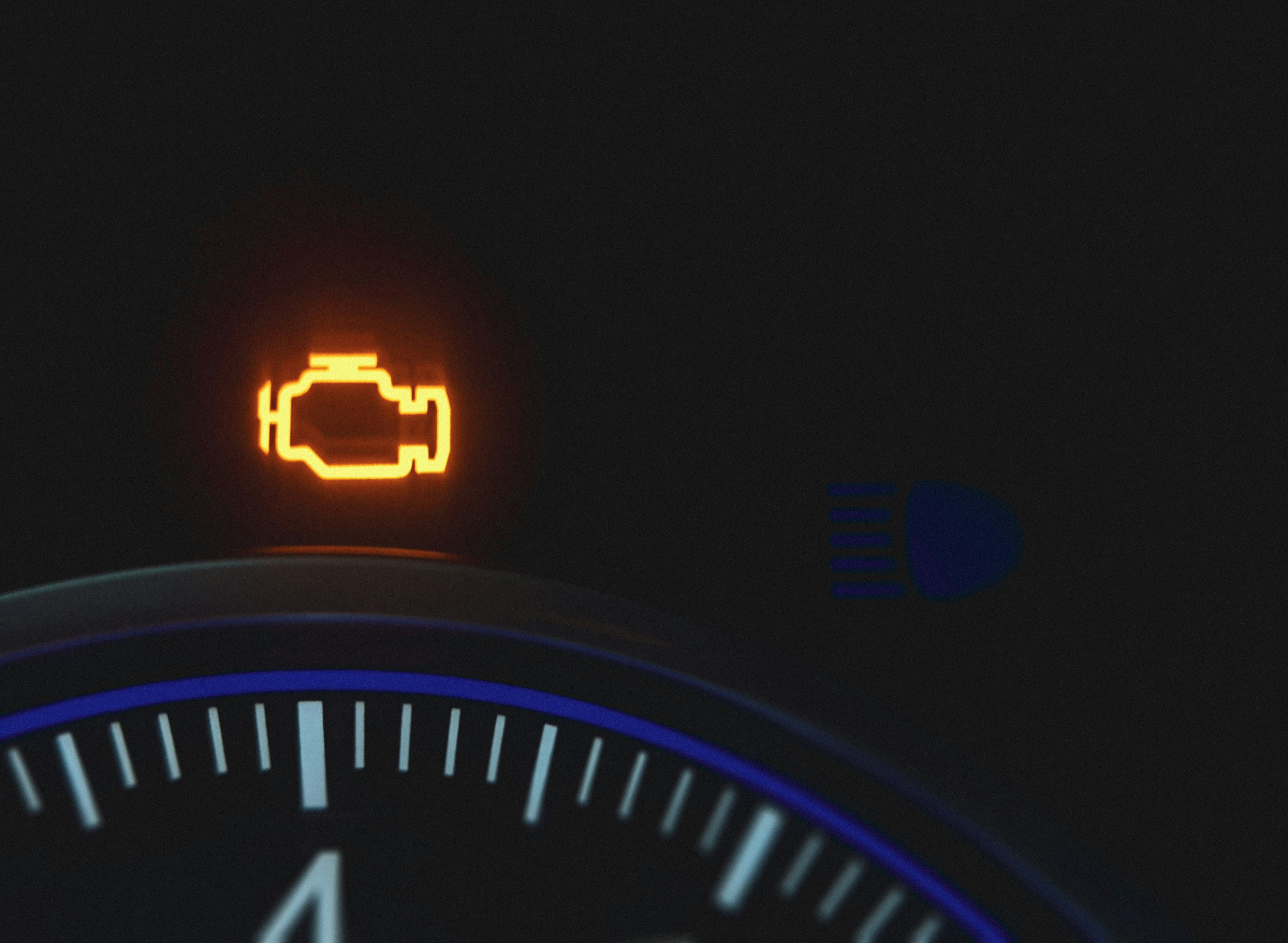
Your vehicle features an abundance of handy warning lights that will let you know if it's operating correctly or needs some extra attention. Many of the lights on the dashboard simply alert you to things that are functioning properly. For example, the traction control light illuminates when your car is properly utilizing its traction and stability control features. However, many lights are designed to highlight potentially more serious problems. If you see the following lights illuminated in your vehicle, you should take prompt action to make sure you're staying safe on the road. more Schedule Service Appointment Check Engine Light The check engine light, shaped like the silhouette of an engine, can be one of the most serious warning lights on your dashboard. Even if your car seems fine, you should investigate the cause of this warning because it may give you just enough heads up to avoid disaster by detecting a problem before you can. In many cases, the check engine light will illuminate for a minor issue, such as a loose wire or faulty sensor, but you should never take a chance. If this light is accompanied by any kind of strange behavior from your car, pull over and call for a tow truck immediately. Engine Temperature Warning Light The engine temperature warning light is an extremely important indicator. This light looks like a thermometer suspended above wavy lines. In some vehicles, the light features the word "TEMP." This light comes on when your engine is running at dangerously hot temperatures. If you don't address the issue, this could permanently damage your engine, leading to an extremely costly repair. The engine temperature warning light may come on due to a broken radiator, faulty water pump, low coolant levels, broken fan, or other problems. When you see this light, you should quickly pull over and turn off your car to allow the engine to cool down. Don't pop the hood immediately as the steam from the engine can burn you. Call for a tow and have a mechanic look at your car right away. Engine Oil Warning Light Shaped like an old-fashioned oil can, the engine oil warning light lets you know that there's something wrong with the oil pressure system. You may have a broken oil pump, a low oil level, or an oil leak. If you continue to drive your car in this state, your engine can suffer serious or even irreparable damage. Pull over immediately to investigate the problem. You may be able to resolve the engine oil warning light by topping off the oil in your car. If this causes the light to go off, you can typically make it to your nearest mechanic. Even if the light turns off, you should still investigate the underlying cause of the alert to make sure you're not steadily losing oil or dealing with another ongoing problem. Battery Charge Warning Light The battery warning light looks like a car battery, complete with positive and negative symbols. This light will alert you to an aging battery that's about to die. The light can also clue you into issues with the alternator, wiring, or other electrical components that are inhibiting the battery's ability to charge properly. You should investigate the cause of this warning light promptly or you may find yourself stuck without enough battery to get to your next destination. Brake Warning Light The brake warning light looks like a circle within parentheses with an exclamation point in the center. This indicates that either your parking brake is engaged or there's a problem with your brake system. Begin by checking to make sure the parking brake is fully disengaged. You can also try topping off the brake fluid. If these actions don't resolve the issue, you shouldn't drive your vehicle until you can get it checked out. Driving without functioning brakes is extremely dangerous. If this light comes on while you're already on the road, pull over immediately. Tire Pressure Warning Lights The tire pressure warning light features a circle that's open on the top with an exclamation point in the center and slight treads on the bottom. This light means that your tires are either over- or under-inflated. In newer vehicles, you may have an infotainment system that will tell you the exact pressure of each tire so you can diagnose the problem quickly. Though this light doesn't necessitate a trip to the mechanic, it's still something that you should address. If your tires aren't inflated properly, they're at a greater risk of blowing out. Adjust the tire pressure to the recommended level as soon as possible so you can safely hit the road once again. Transmission Temperature Warning The transmission temperature light shows a thermometer inside a circle that looks like a gear. This indicates an overheated transmission, which could be the result of worn transmission parts, heavy towing, low transmission fluid, or other issues. You should check your coolant levels first to see if topping off this fluid will resolve your issue, at least temporarily. If the light stays illuminated, you shouldn't drive your vehicle until you can have it checked out by a mechanic. Continuing to operate your vehicle at extreme temperatures will cause severe damage to essential components. Lamp Out Light If one of the headlights or taillights in your car has burned out, this warning light will illuminate. This feature alerts you to the need for a quick fix. Though one light may seem like a minor issue, you should replace the bulb immediately. Having proper lights on your vehicle will make your car more visible to others on the road so you can travel safely. You're also at risk of getting pulled over and receiving a ticket when this light is illuminated. Keep a spare bulb on hand so you can fix this problem quickly and easily. Schedule an appointment with our service center at Keith Pierson Toyota in Jacksonville, Florida to diagnose any issue with your warning lights. We'll help you discover what's going on and quickly come up with a plan to get you back on the road. Image by Sigmund is licensed with Unsplash License

The Importance of Brake Pads

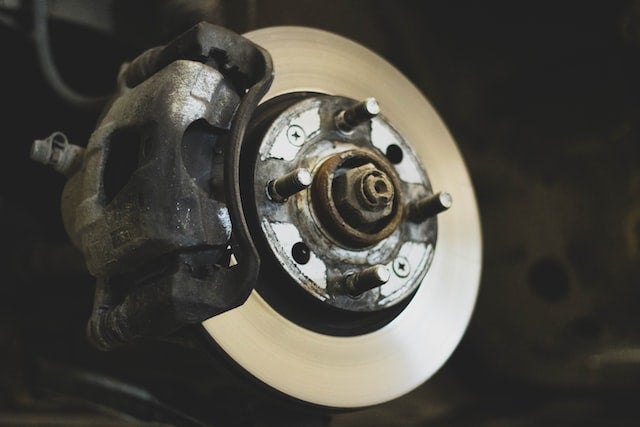
Taking care of their vehicle is an important responsibility for every car owner. And one of the most important parts of the vehicle that you should take care of and maintain is the braking system. You want to feel confident that when you drive, your brakes will stop your vehicle when you need them to. For this to happen, your car requires a reliable braking system, which includes high-quality brake pads. more Importance of Brake Pads There are several parts that comprise your vehicle's braking system, but perhaps the most valuable component is the brake pads. These are the two steel backing plates on each vehicle’s wheel. These plates have a friction material which makes contact with the brake rotors when you apply the brakes. This friction material forces the brake rotors to slow down and ultimately stop. However, with this friction comes erosion. Over time, as you continue to apply your brakes, the friction material begins to wear down. As this happens, the distance between the pads and the rotors grows, resulting in slower stopping times. If the brake pads wear down completely, they'll be ineffective at stopping the brake rotors altogether. This is why it's important to have brake pads in good shape, as they will help to keep you safe while you're driving your vehicle. The Difference Between Good and Bad Brake Pads When you're shopping for new brake pads or having an auto repair center replace them, you want to get the best brake pads you can. After all, you're trusting these brake pads to help you stop your vehicle, potentially at high speeds. The contrast between good brake pads and bad ones could be the difference between getting in an accident or stopping a safe distance away. There are a few factors that make brake pads good. First, you want a long-lasting and reliable friction material. Most brake pads’ friction material is made of ceramic, which lasts for a long time. Another factor to look at is the ability to disperse heat. You want brake pads that can take the heat resulting from friction and be able to release it. Brake pads that don't disperse the generated heat can wear down more quickly or cause other damage around the brake pads area. Finally, you want brake pads that are unnoticeable. When you apply the brakes, you shouldn't hear any strange noises or notice any odd smells. While many brake pads may produce smells or sounds when you first install them, high quality brake pads will cease generating those sounds or smells after a few miles of driving. To summarize, good brake pads last a long time, disperse heat well and don't produce any strange noises or smells. When shopping for brake pads, you should investigate these factors so that you can compare each option. And the best thing you can do is to buy genuine Toyota parts if you're driving a Toyota. Signs You Need to Replace Your Brake Pads Even if you get long-lasting brake pads, there will likely come a time when you should replace them. Below are a few signs that indicate it's time to replace your brake pads sooner than later: Loud Noises Most manufacturers design their brake pads to emit a loud sound when they are very worn down. At the bottom of the friction material is a metal plate. When this metal plate begins to rub against your brake rotors, you may hear a loud screeching sound. This noise has a purpose, as the manufacturer wants you to know that it's time to replace your pads before they are completely gone. Once you notice this loud sound, schedule a maintenance appointment. Excessive Vibrations Excessive vibration is another common issue related to brake pads. If you apply the brakes and feel your vehicle begin to shake, there’s something wrong with the system. It could be the result of your brake pads wearing down, or it could be another issue, like uneven brake rotors. Either way, you'll want to get this checked out before these issues become worse. Slower Stop Times Finally, pay attention to how long it takes to stop your vehicle. If you're applying the brakes and it feels like it’s taking too long to come to a complete stop, this is a safety hazard. Worn down brake pads are a common cause of this, although it could also be your tires. Inspect your tires and see if there’s a significant amount of tread remaining. If so, the issue likely lies with your braking system, either with the brake pads or the brake fluid. If not, then explore getting new tires for your vehicle. What Brake Maintenance Service Includes When you bring your vehicle in for brake maintenance, the service technicians will do a few things. First, they will inspect your brake pads to see how much friction material remains. For brake pads with little friction material remaining, the technicians will recommend getting new pads. It's often recommended that you replace both brake pads on a wheel simultaneously, even if one is more worn out than the other. After that, the service technician will check other areas of your braking system. For example, for a Toyota Camry, they'll inspect your brake rotors to see if they need smoothing or replacing. They'll also examine your brake fluid levels to ensure there’s enough of it in the hydraulic system. If there’s a low amount of brake fluid, the technician will also look for signs of a leak. At the end of the service, you can be assured that they inspected your entire brake system and that it's safe to get on the road again. Let Keith Pierson Toyota Take Care of Your Brakes If you're experiencing an issue with your braking system, or if it's just been a while since you've had brake maintenance, the team at Keith Pierson Toyota is here to help. The expert technicians at our auto service and parts center in Jacksonville can inspect your entire vehicle and correct any issues we come across. We only use high-quality parts, so you can be assured that you're getting quality brake pads when you come to us. To get started, please schedule a service appointment today. We look forward to helping you with your vehicle's brakes. Schedule Service Order Parts Image by Benjamin Brunner is licensed with Unsplash License

How to Program a Toyota Key Fob

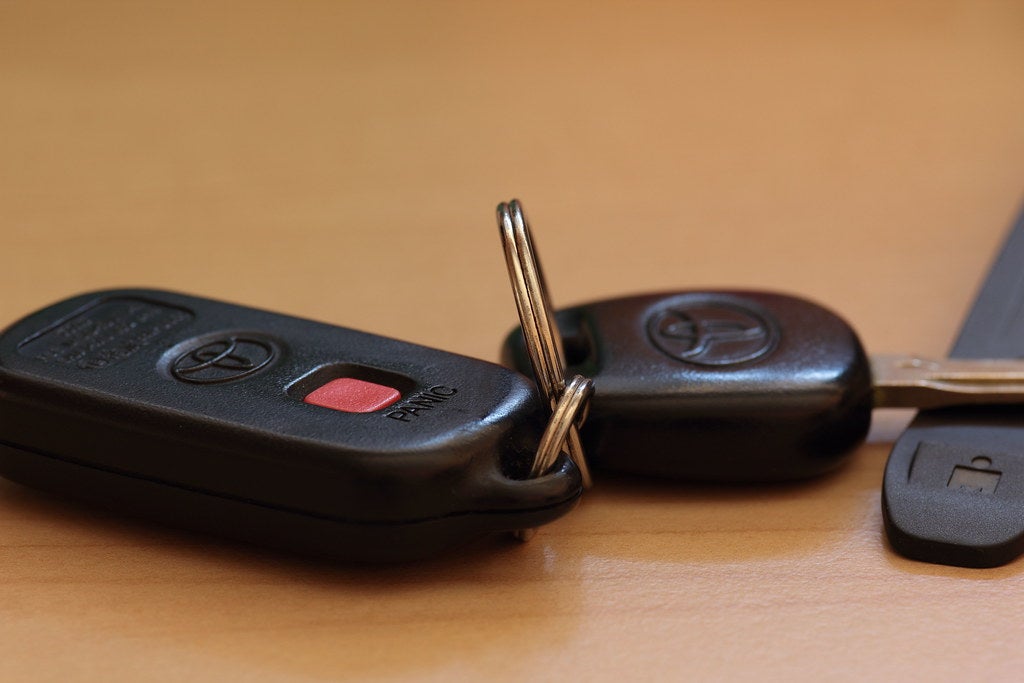
KEY TAKEAWAYS Metal-key ignitions often support owner programming; Smart Key push-button models usually require dealer tools. After a coin-cell swap, try a quick re-sync before full programming. Need help fast? Schedule Toyota key-fob service online in Jacksonville. ORIGINAL BODY CONTENT (preserved; only light, relevant internal linking) Programming a Toyota key fob depends on the security system in your vehicle and the type of key you have. The guide below helps you decide if you can program at home or if you should visit Keith Pierson Toyota for professional programming. It also covers quick re-sync tips after a battery change and the most common pitfalls that cause programming to fail. Quick Checks Before You Start Confirm you have at least one working key or fob for the vehicle now. If yes, adding a spare is usually faster. Identify your ignition type. A metal key you turn in the ignition often supports owner programming. Push-button start with Smart Key typically requires dealer tools for new fobs. If you only replaced the battery in a fob that already belonged to the car, try a re-sync first. Full programming may not be necessary. Can I Program This At Home? Older Toyota with a metal key and standard remote: Many of these support owner programming using in-vehicle sequences. Push-button start with Smart Key: Adding a brand-new fob usually requires dealer-level immobilizer registration. If you only changed the battery in a paired fob, try re-sync steps before scheduling service. All keys lost: Plan on dealer programming and cutting a new emergency key blade. Proof of ownership is required. At-Home Programming: Older Keyed-Ignition Toyotas Use this sequence when your Toyota has a physical key you turn and the model supports owner programming. Sit in the driver’s seat and close all doors. Insert the key into the ignition, then remove it. Do this quickly twice. Within 40 seconds, insert the key again and turn from OFF to ON. Do not start the engine. Within 40 seconds, press any button on the fob for about 1 second. The door locks should cycle to confirm programming. To add more fobs, press a button on each additional fob within the same 40 second window. Turn the key to ON to exit programming mode and test each fob. If the locks do not cycle, start over and watch the timing. Low fob batteries and open doors are common reasons the sequence fails. Re-Sync After a Battery Change Sometimes a fob that already belongs to the car just needs a quick re-sync after you replace the coin cell. Install the correct battery with proper polarity and reassemble the fob carefully. Stand near the driver’s door. Press LOCK, then UNLOCK, then LOCK again. Test lock and unlock from a few feet away. For push-button start, if the vehicle will not recognize the fob, sit in the seat, press the brake, and hold the fob against the START button while pressing it. Then retest the buttons outside the vehicle. If the fob still does not respond, full programming may be required. When Dealer Programming Is Required You have push-button start and are adding a new Smart Key fob. All keys or fobs are lost. You see immobilizer or key not detected messages after DIY attempts. You purchased a used or aftermarket fob that needs proper resetting and pairing. You need the emergency key blade cut to match your locks. Our certified technicians use Toyota approved equipment to register new Smart Keys to your immobilizer and verify lock, unlock, trunk, panic, and push-button start functions before you leave. Programming Multiple Fobs If owner programming works on your model, you can program several remotes in the same session. After the first fob triggers a lock cycle, press a button on each additional fob within the same 40 second window. If the system times out, start again from the top. For Smart Key vehicles, we can add multiple fobs in one service visit. Common Pitfalls That Prevent Programming Wrong battery type or upside down polarity inside the fob. Weak vehicle 12 volt battery causing modules to time out. Open doors or hood during a programming sequence. Using a damaged or incompatible fob. Exceeding the 40 second timing windows on older sequences. Fast Troubleshooting Buttons work only when you are very close: Replace the coin cell and clean the battery contacts. Push-button start does not recognize the fob: Try the hold the fob to the START button method. If it works, the fob battery was likely weak. No lock cycle during programming: Restart the sequence and confirm all doors are closed and timing is on target. Still stuck: Visit our service lane. A quick scan will show if the car is in learn mode, if the fob is transmitting, or if immobilizer registration is needed. Why Program With Keith Pierson Toyota Fast confirmation of the correct fob by VIN. Factory level immobilizer registration for Smart Key vehicles. Emergency key blade cutting and testing on site. Help verifying your Toyota app settings related to key functions. Convenient options to add a spare so you are never locked out. See current service specials. Get Programming Help in Jacksonville If you want this handled quickly and correctly, visit Keith Pierson Toyota in Jacksonville or contact our service team. We will confirm what your vehicle supports, program your fob the right way, and make sure everything works before you head out. FAQs (visible section) FAQs Can I program a Toyota Smart Key at home? If your Toyota uses push-button start with Smart Key, adding a brand-new fob usually requires dealer immobilizer registration. Re-sync may help after a battery swap, but new fobs should be programmed by a dealer. What should I try after replacing the fob battery? Stand near the driver’s door and press LOCK, UNLOCK, then LOCK again. For push-button start, hold the fob against the START button while pressing it. If it still fails, full programming may be required. When do I need dealer programming for a Toyota key fob? You’ll need dealer programming if all keys are lost, you’re adding a new Smart Key fob on a push-button start vehicle, or you see immobilizer/key not detected messages. Image Credit: “ Keys” by John Loo is licensed under CC BY 2.0. BlogPosting Schema FAQPage Schema (matches the visible FAQ section)

What is a Tune-Up?

Regular servicing is essential for maximizing the life of an automobile, and one particularly important service procedure is the tune-up. The term, as it's used today, is largely outdated, but the procedure continues to have a huge impact on the performance and usability of a vehicle. See what a tune-up really entails and why it's so vital. more What Is a Tune-Up? A tune-up is a service procedure whose purpose is to improve the functionality of a vehicle's engine. In the contemporary age, an exact definition of this term is hard to determine, as it has changed over the course of automotive history. Initially, a tune-up referred to a specific set of tasks—tuning of the carburetor, adjustments or replacements within the ignition system, setting of the ignition timing, and installations of new components such as spark plugs, a distributor cap, and a rotor. Today, ignition systems are computerized and largely self-monitored, but the term "tune-up" persists. Now it often refers to maintenance procedures in general, particularly those intended to improve a vehicle's operation. Issues concerning start-up, fuel efficiency, acceleration, or emissions are all common reasons for seeking this procedure. What Does a Tune-Up Involve? The specific activities involved in a tune-up can vary depending on where you take your vehicle for maintenance, though there are usually some commonalities. Evaluations The procedure typically begins with a series of evaluations to help the mechanic understand the condition of your engine and establish a baseline for performance. During this phase, they may examine factors such as the battery voltage, dynamic compression, ignition timing, and idle speed. They may also check for engine vacuum leaks, proper operation of the fuel feedback control loop and EGR valve, exhaust emissions, and fault codes. Sensory Inspections Sensory inspections are typical as well. This means the mechanic looks at the hoses and belts to check that they're in proper working order and observes the levels and conditions of all the necessary fluids. For example, the oil should be free of sludge, the antifreeze free of sediment, and the brake fluid free of impurities. Should the mechanic find any faults, they'll address the matters accordingly. Replacements In addition to the above inspections, tune-ups also involve replacements of particular components for the sake of preventive maintenance. One such component is the air filter, which protects the engine from contaminants such as dirt, dust, and sand. When an air filter becomes too dirty, insufficient amounts of air reach the engine, which can lead to problems with fuel efficiency and damage to related parts. Spark plugs are another component that may need cleaning or replacing. These are what create the spark necessary for the ignition of the air–fuel mixture that powers your vehicle's engine. As you can imagine, spark plugs get a lot of use. Over time, fuel residue builds up on them or the gap between the plugs' electrodes widens. In either case, you may experience problems with starting up, idling, misfiring, or fuel efficiency. Other parts that may require replacement are the fuel filter, oxygen sensor, and PCV valve. In older vehicles without electronic ignition, traditional tune-up replacements—such as the rotor and distributor cap—also apply. Cleanings Sometimes, a tune-up includes cleanings of the fuel injectors. Clogged injectors can cause misfires in the engine, which can lead to sputtering, vibrations, and stalling. Eventually, it can cause your engine to become less responsive and even deteriorate. Cleaning the injectors when necessary can preempt such problems. Broad Diagnostic Inspections Finally, your mechanic may elect to use the tune-up as an opportunity to perform a broad diagnostic inspection of your vehicle, in addition to examining systems such as its air-conditioning. Though these activities aren't typical in most tune-ups, they can help identify problems that can affect automotive performance. The Importance of Regular Vehicle Maintenance Regular vehicle maintenance, in the form of a tune-up, can help ensure that it performs optimally. Over time, an engine becomes less efficient, using more fuel to travel shorter distances and operating more weakly. Such performance loss affects not only the speed and fuel economy of the vehicle but also the safety. Tune-ups help to bring your engine and ignition system back up to a satisfactory level. After this procedure, you may notice some immediate differences, such as a smoother ride and an overall better feel behind the wheel. Maintenance in general is fundamental to optimizing your vehicle. It keeps your vehicle from breaking down and keeps small problems from growing. As a result, you get many years of use from it and maximize its resale value. With that in mind, consult your owner's manual to ensure you're keeping to an appropriate tune-up schedule. Also, monitor your vehicle's performance for any signs of deterioration, such as decreased fuel efficiency or engine problems. If you notice any trouble, schedule a tune-up right away. Schedule Service Order Parts Service Specials at Keith Pierson Toyota When you come in for maintenance at our dealership, consider taking advantage of our service specials. Just select a relevant coupon on the specials page, print it out, and present it to an associate when you arrive. As we carry out your tune-up and other maintenance services, you can make use of our shuttle facility, which can take you anywhere you'd like within 10 miles of our location. We'll notify you when we're finished and your vehicle is ready. That way, you can continue your daily activities while we return your vehicle to top working order. If you'd like to schedule a tune-up for your vehicle, let us know. Fill out our online contact form with your name, contact information, and message, and we'll reach out to you as soon as possible. You can also call our parts department at 866-706-4236 if you'd prefer to speak with a specialist directly. Then, when you're ready, come on down to the dealership. Find us at 6501 Youngerman Circle here in Jacksonville, Florida. Our parts department operates seven days a week. On weekdays, we operate from 7 a.m. to 7 p.m., Saturday hours are from 7 a.m. to 6 p.m., while Sundays are from 9 a.m. to 4 p.m. We look forward to helping you get the most out of your vehicle. Image by Nina Mercado is licensed with Unsplash License

Why is my Check Engine light on?

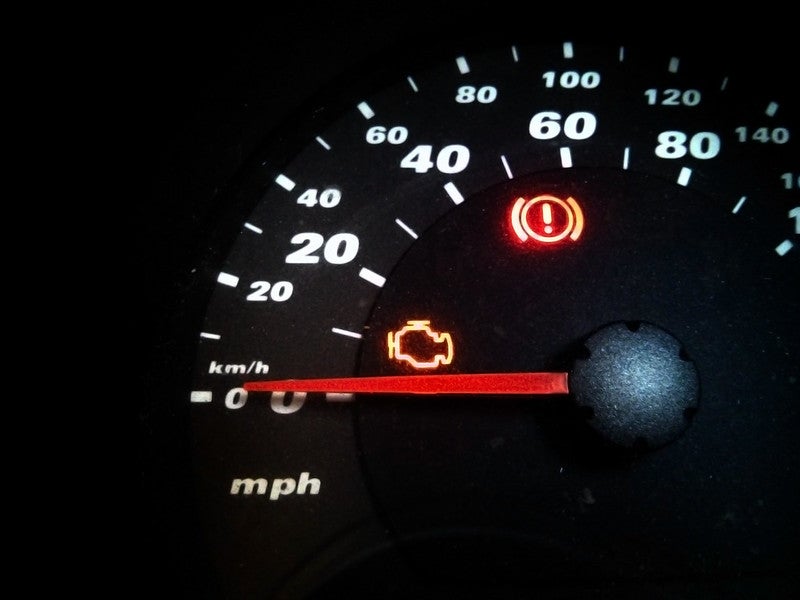
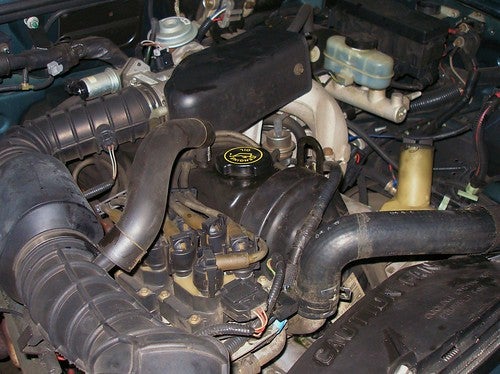
Whether you're on a scenic road trip or running errands in town, a check engine light can cause problems. This alert, usually located on your speedometer, indicates an issue with one of your car's engine components. While different car models might be prone to unique issues, there are a few common problems that can turn that light on. Keep reading to find out some of the reasons why your check engine light might be active. more Your Car's Gas Cap Is Loose or Damaged One of the most common reasons for a check engine light is also one of the easiest to fix. When your car's gas cap is loose, hazardous fuel vapors can escape into the air and into other parts of your car. If your car's check engine light comes on right after you fuel up, check to see if your car's gas cap is securely fastened. You should hear a clicking sound when you fasten the lid. In many cases, unscrewing the gas cap and replacing it can resolve the check engine light, allowing you to continue with your drive. Sometimes, dirt or other debris can get stuck in the cap, making a tight seal more difficult. If you don't hear the clicking sound, carefully wipe the inside grooves of the cap with a clean paper towel before trying again. A gas cap that still won't click into place might be damaged or worn out from frequent use. Luckily, replacing a gas cap is a fast and inexpensive repair. If the check engine light is still on and you can't get the cap to seal, take your car to a qualified mechanic right away. Your Car Needs New Spark Plugs Spark plugs are small engine components that pass an electrical current between them, providing the "spark" that starts your car's ignition. These pieces can wear out or break from frequent use, causing the check engine light to switch on. Even though spark plugs are small, they are vital parts of your car's engine, and if they are faulty this can cause issues with starting and accelerating your car. Worn spark plugs can also decrease your car's fuel efficiency. When you take your car to a mechanic, they can run a diagnostic test that detects spark plug issues. Since these pieces often need replacing, they might have your car's make and model spark plugs available onsite. If you drive a less common car or visit a smaller mechanic's shop, you might have to order the right spark plugs, which can take a few days. After the spark plugs arrive, though, it's a quick repair. Your Car's Oxygen Sensor is Malfunctioning When you start your car, a combination of oxygen and fuel in your fueling system combine and ignite, powering the vehicle. The oxygen sensor, or O2 sensor, in your car ensures that your engine gets the right ratio of fuel to oxygen when you're driving. This keeps your car running smoothly and ensures high fuel efficiency. A malfunctioning oxygen sensor can cause your car to use too much fuel (rich) or not enough (lean), which can be bad for your engine. Running rich can cause reduced fuel efficiency and clog up your engine parts with extra fuel. Running lean can reduce your car's power and cause your engine to seize up. If your mechanic detects an oxygen sensor issue, they might replace the part and test it to make sure it's monitoring your engine correctly. This repair might be more expensive than a spark plug or gas cap, but is still a fairly inexpensive fix. Your Car's Mass Airflow Sensor is Faulty The mass airflow sensor is related to the oxygen sensor, but it measures the total amount of air coming into your car's engine. The air then passes to the O2 sensor, which ensures the right amount goes into the fuel system. If your car needs a new mass airflow sensor, it might not send the right amount of air to each part of the engine that needs it. You might notice black exhaust or ashy residue on your car's exhaust pipe, which indicates that there's too much fuel compared to air. Like the oxygen sensor, replacing a car's mass airflow sensor is a fairly inexpensive process. It's important to have a mechanic look at your engine as quickly as you can once you see a check engine light on. Catching a mass airflow sensor issue early can keep your other engine parts clean, helping you avoid a pricier repair bill in the future. Your Car Needs a New Catalytic Converter One of the more expensive problems signaled by a check engine light is a faulty catalytic converter. The catalytic converter refines your car's exhaust before sending it out through the exhaust pipe. While catalytic converters usually don't break on their own, they can become clogged or damaged if another part of the engine isn't working correctly, like the spark plugs or oxygen sensors. Along with the check engine light, you might notice a strong smell, like rotten eggs, when you run your car. Left untreated, a faulty catalytic converter can cause serious damage to your car. Because the catalytic converter ensures that exhaust passes to the exhaust pipe, a clogged converter can trap exhaust gases in your engine, which can damage key parts, decrease your fuel efficiency, and cause slow acceleration. While replacing a catalytic converter can be expensive, these parts usually don't need replacing more than once every ten years. No matter what caused your engine problems, the service department team at Keith Pierson Toyota is here to help. Our expert service team can diagnose your engine trouble and recommend a budget-friendly repair to get you back on the road. If you drive a Toyota, we can order genuine replacement parts so you can feel confident leaving our lot with your new engine parts. You can also schedule regular tune-ups and other services with us, which can lessen the chances of an engine issue. On by Chris Isherwood is licensed with CC BY 2.0

Should I Buy Premium Gas?

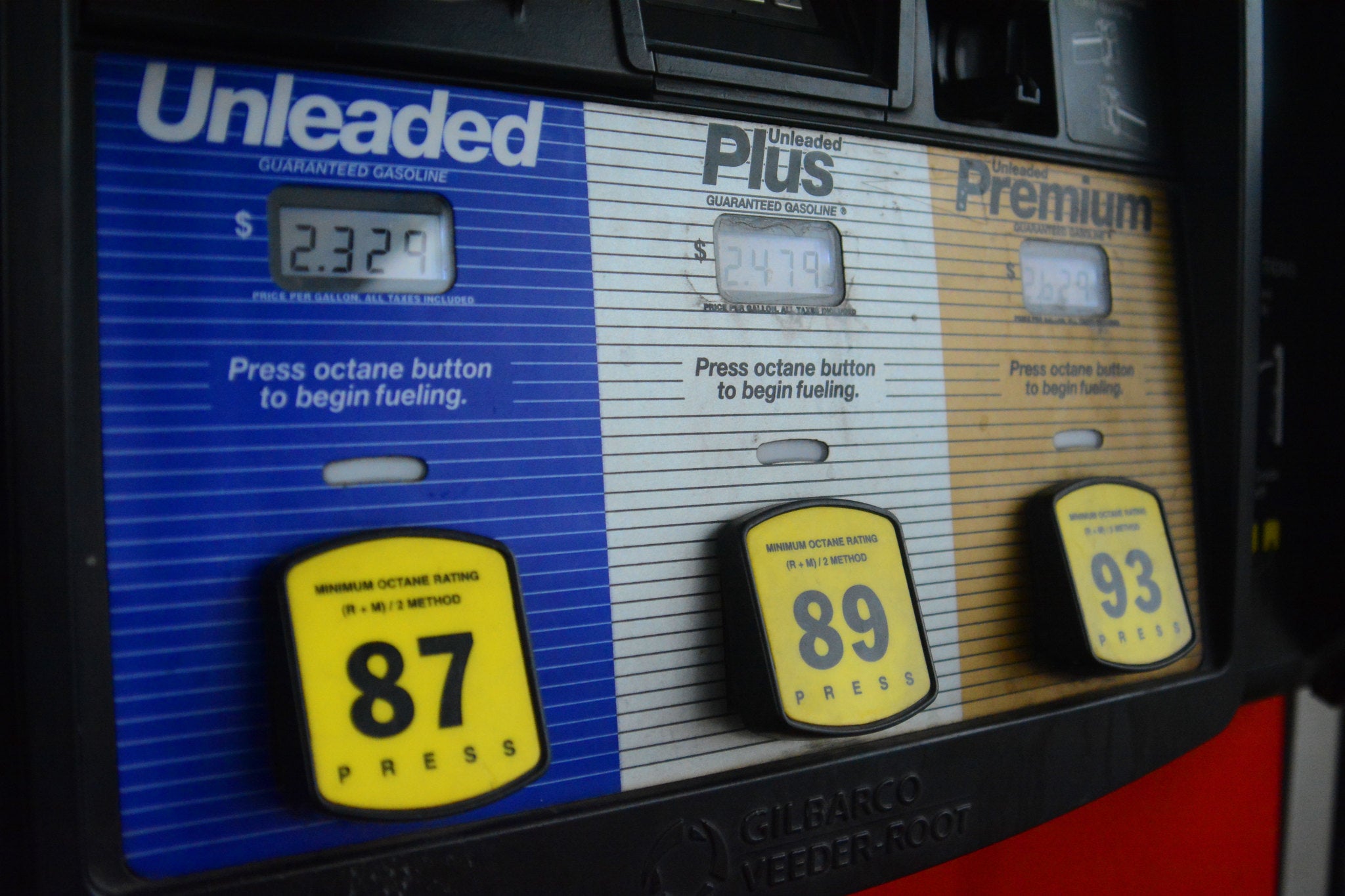
If you have ever pumped your own fuel at a gas station, you may have noticed a pump labeled premium. What makes premium gas special, and who should use it for their vehicle? If you've ever asked yourself these questions, you are not alone. In this article, discover whether you should buy premium gas, find out what it is, learn the difference between premium and regular gas, review cars that require premium gas, and discover the benefits of the premium option. more Whether or not premium gas is the right choice for you depends on the make and model of your vehicle. You can check your car's instruction manual to find out what type of gas the manufacture recommends. In general, most luxury cars or vehicles with turbocharged engines require premium gasoline. Most other cars can use regular gasoline, which is a more economical option. You may also choose to use premium gasoline when towing a heavy load or in particularly hot climates, as both these activities can cause the engine to overheat more quickly. Premium gas can help manage this challenge. What Is Premium Gas? Premium gas is gasoline that has an octane level above 91. Regular gas, by comparison, often has an octane level of 87. Some gas stations also offer gas with an octane level of 93 and market it as ultra-premium, super-premium, or premium-plus. The octane level of the gasoline is often marked on the button you press to make your selection. What Is the Difference Between Premium Gas and Regular Gas? Gas with high octane levels may be more resistant to heat. Gasoline engines work by compressing and combusting a mixture of fuel and oxygen to release energy. Premium gas offers heat-resistant fuel that allows the mixture of air and gas to ignite at the proper moment through use of a spark plug. Regular gas, which has less heat-resistance, may be more likely to ignite through spontaneous combustion before the spark plug ignites. If you hear a knocking sound when you drive, this may be due to premature gasoline combustion. To solve the problem, consider switching to a higher grade gasoline. This can help save your engine from short-term drawbacks, like a loss of fuel efficiency, and long-term damage to the engine. For cars that require premium gasoline, this solution can also help you save money by improving the miles per gallon your car is capable of and, therefore, helping you spend less money on gas. Cars That Use Premium Gas In addition to luxury cars or cars with high-intensity engines, there are a few "regular" vehicles that you might not realize require premium gas. For this reason, it's always a good idea to double check your user manual before heading to the pump. Here are a few such cars to be aware of as a driver: Buick Regal Fiat 500L Kia Stinger Volkswagen Arteon MINI Cooper MINI Clubman MINI Countryman Nissan Maxima There are also certain vehicles that require premium gas when customized with a high-level engine. If you choose to upgrade your engine, it may be a good idea to check the owner's manual or ask a manufacturer team member whether the change impacts the type of gas you should use. Here are a few examples of cars that require premium gas with a particular type of engine: Buick Envision with a 2.0-L turbo engine Chevrolet Equinox with a 2.0-L turbo engine Chevrolet Malibu with a 2.0-L turbo engine Honda Civic with a 1.5-L turbo engine GMC Terrain with a 2.0-L turbo engine Mitsubishi Outlander with a 3.0-L V6 engine What are the Benefits of Using Premium Gas? Using a fuel with a higher octane level can benefit some cars and engines. Here are a few helpful results you may experience if you use premium gas: Healthy Engine As your car gets older, the engine may degrade and become less efficient at extracting energy from the air-fuel combustion process. Premium gas can help older engines operate in a smooth and healthy manner. If your car requires premium gasoline, its use can also prevent the engine damage that may accompany the unregulated combustion involved in premature combustion. Better Fuel Economy If you drive a vehicle that requires premium gas, using it can help the process of converting the gas to energy run more smoothly. This can improve your fuel economy, helping you drive the farthest possible number of miles per gallon of gas. This may mean that you may need to refuel less often, allowing you to save money at the pump despite the increase in price from regular to premium fuel. Power Optimization In addition to improved fuel economy, using the correct gasoline for your vehicle can help optimize power. If you use regular gasoline when the vehicle requires premium, it may be difficult for the engine to perform at the level of power advertised for the vehicle. By using premium, you allow the engine to reach its full horsepower capacity. This can help you achieve impressive acceleration and increase the car's ability to tow heavy a weight easily. No Engine Drawbacks Apart from the cost, there are no drawbacks to fueling your car with premium gas. While using regular gas for a car that requires premium can have negative effects, using premium gas for a car that usually requires regular is perfectly healthy for the vehicle. This means that if you're even unsure about which fuel to select, you can select premium secure in the knowledge that there will be no negative consequences. To understand whether you should buy premium gas, it's helpful to understand what premium gas is and how it differs from the regular option. Hopefully, this article has helped improve your understanding of premium gas so you can fuel with confidence next time you're at the pump. Do you have more questions about fueling your vehicle? Don't hesitate to call our service department with questions by calling 888-461-3879 or contact us online. While you're at it, feel free to check out the fantastic selection of new cars and used vehicles we have here at Keith Pierson Toyota. Gas prices should continue to fall by KOMUnews is licensed with CC BY 2.0

dashboard lights toyota service

What Do The Lights On Your Dashboard Mean?

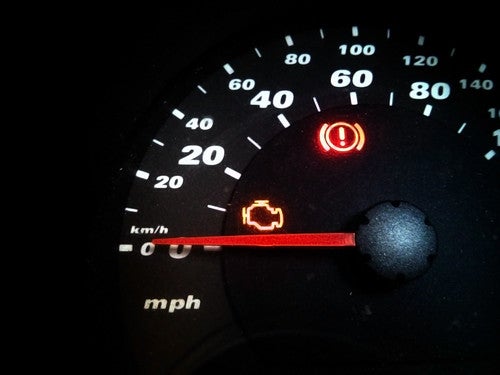
Toyota Dashboard Lights If you notice something wrong with your Toyota while you're driving around Jacksonville, Florida, you should have the problem diagnosed at Keith Pierson Toyota as soon as possible. Detecting and fixing problems promptly can help prevent major issues that require expensive repairs. So, how do you know if your vehicle is experiencing a problem? One of the easiest ways to identify car issues is to check the warning lights in your dashboard. Follow this useful guide to learn what different dashboard lights mean. Check Engine Light Image via Flickr by CJ Isherwood The check engine light may appear due to a variety of reasons, from overheating to low oil pressure. It can also mean that the oil cap is loose, open, or cracked, which causes fuel to evaporate. If this light illuminates, it's advisable that you pull over and inspect your gas cap and other parts of your vehicle. If it's blinking, stop driving right away. In most cases, a flashing check engine light is a sign of a major problem that can make your car unsafe to drive or lead to severe engine damage if ignored. Oil Pressure Light The oil pressure light is the old-fashioned oil can symbol in your dashboard. When this light comes on, it indicates that the oil pump isn't properly circulating oil throughout the engine. This may result from low oil levels or a faulty oil pump. You should have the problem addressed immediately because improper lubrication can cause damage to your engine. Engine Temperature Warning Light When the engine temperature indicator lights up, it means you have an overheated engine. Usually, this has something to do with the coolant, but it can also occur due to an engine problem. Take your car to a service center as soon as possible to prevent further damage. Battery Alert An illuminated battery symbol in your dashboard indicates a problem with your car's charging system. More often than not, it happens because your battery is running out of juice. If you have a low battery, you'll probably see the clock fading or headlamps dimming. Don't wait too long to have your battery checked or you may find yourself stranded with a car that won't start. It's worth noting that the culprit can also be a loose or worn battery cable or damaged alternator belt. Low Fuel Indicator Most drivers should know what the low fuel indicator means. When this light is on, it isn't a good idea to assume you have enough fuel left to make it to your destination if you still have a considerable distance to go. Congested traffic or bad weather can cause your fuel to run out sooner than you think, so it's best to fill up at the closest gas station. Tire Pressure Warning Light The recommended tire pressure may vary from one vehicle to another, but it's usually 30 to 35 pounds per square inch. Check your owner's manual to find out the ideal tire pressure for your specific Toyota vehicle. If the pressure in any of your tires is too low or too high, the tire pressure warning light will come on. Driving with over-inflated or under-inflated tires can jeopardize your safety and cause damage to your car. Brake Warning Light Engaging the parking brake will cause the brake warning light to turn on. However, if the light doesn't go away after you release the parking brake, it's an indication that you may have a brake problem. Some of the possible causes include low brake fluid levels, worn brake pads or discs, or a problem with the anti-lock brake system. Anti-Lock Brake Warning Light The anti-lock brake system serves the function of keeping your vehicle in contact with the road. If you notice an illuminated “ABS” warning in your dashboard, it's a sign that this system isn't working properly. To minimize your risk of accidents, you should have the issue checked at a Toyota service center right away. Bear in mind that your anti-lock brake system performs a self-check every time you start your car, causing the “ABS” light to turn on momentarily. If it goes off after a few seconds, it means the system is in good working order. Traction Control Light When the traction control light appears, it doesn't mean your vehicle is experiencing a problem. Instead, the purpose of this indicator is to let you know that your car's traction control system is activated. The traction control system can automatically detect if one wheel is moving faster than another. If it finds that one of your wheels is slipping, it'll apply the brakes to help your vehicle regain traction. This system is particularly useful when you're driving on slippery surfaces during the rainy or winter season. Traction Control Malfunction Warning The traction control malfunction warning lights up when something is wrong with the traction control system of your vehicle, which can be a damaged sensor or another problem. In some vehicles, the same control module operates both the traction control system and the anti-lock brakes. In this case, the light may also come on when your anti-lock brake system is faulty. Seat Belt Reminder If you forget to put on your seat belt, you'll see an illuminated seat belt reminder light. Since failure to buckle up can lead to severe injuries in the event of an accident, it's important to heed the seat belt reminder when it comes on. Air Bag Indicator The air bag warning light signals that one of your air bags or the entire air bag system is malfunctioning. Your air bags help keep you safe during a collision, so you should have the problem fixed as soon as you can. Ignoring any of the warning lights in your dashboard can increase your risk of accidents or cause further damage to your vehicle. Keith Pierson Toyota is the best place in the Jacksonville area to have your Toyota checked for problems. Our Toyota-certified service center has the most advanced diagnostic equipment to ensure accurate detection of car problems and a team of factory-trained technicians who have extensive experience servicing and repairing Toyota vehicles. Feel free to contact us if you need more information about our auto services.

285164038_5e3ab9ff51

Oil Changes

Regularly getting your oil changed is a key part of any good routine maintenance schedule for your vehicle. Keeping your oil fresh can help your engine have a longer life and improve performance. If you come to Keith Pierson Toyota in Jacksonville, we'll be delighted to carry out an oil change for you. Here's what you can expect and why you should make regular oil changes a priority. How Often Should I Get an Oil Change? The answer to this question depends on the type of car you drive and the engine oil it uses. The best way to figure out how often your oil needs changing is to check your owner's manual where you'll find a recommendation from your vehicle's manufacturer. On the other hand, a good rule of thumb to follow is to have your oil changed every 5,000 miles of driving. For many drivers, this equates to every six months or so. You may be able to change your oil less frequently if you use synthetic engine oil. Image via Flickr by Dennis S. Hurd Why Do I Need To Get an Oil Change? Engine oil lubricates your engine so that its moving parts don't get damaged when your vehicle is running. However, oil breaks down over time, reducing its effectiveness as a lubricant. It can also become contaminated by debris or dirt. For example, every time you turn on your car's engine, there is a brief period of time during which the engine parts are not covered in oil, exposing them to more friction. Over time, this can cause particles of engine components to wear off, contaminating the oil. These problems can be prevented by regularly changing out the old oil, replacing the oil filter, and adding fresh oil. What Is Involved in an Oil Change? When you come into Keith Pierson Toyota in Jacksonville for an oil change, one of our expert service team will start by draining your old engine oil. This is done by placing a receptacle under the engine to collect the oil, then opening the oil cap to drain it. Once the oil has drained, our technician will check your oil filter and replace it if necessary. This is a critical part of an oil change, because an old oil filter can no longer filter debris out of the oil while it flows around the engine. The new oil filter will help your engine oil do its job for a longer period of time. What Benefits Do Regular Oil Changes Provide? The first advantage of getting your oil changed regularly is that it will help lubricate your engine more effectively. If you fail to change your oil, sludge can build up on engine parts, which can reduce the performance of your vehicle. For instance, your engine's power and fuel efficiency may be hampered because the sludge and debris produce more resistance when your engine is running. The second benefit is that regular oil changes can lengthen the lifespan of your engine's components. An engine that is constantly overworked due to a lack of lubrication from its oil will wear out sooner, resulting in damaged parts and an expensive repair bill. Finally, getting a regular oil change provides our auto experts with the chance to inspect your vehicle for signs of other issues. Routine inspections like these can help identify issues before they become major problems, which will save you money over the long-term. For example, one of our mechanics can check if your brake pads are already worn out and in need of replacing. What Should I Pay Attention to When Getting an Oil Change? The main thing you'll want to look out for is the cost of the service you're getting. Reputable auto repair shops should only be charging you for the new oil they use to replace your existing oil, and an oil filter if necessary. Some service centers will offer you a free multi-point inspection as part of your oil change. If this shows up any additional problems, be sure to ask the auto technician you're dealing with to explain any service costs your unsure about or unhappy with. Here at Keith Pierson Toyota, we have a range of service coupons to help you save money on your routine maintenance needs, such as oil changes. It's a good idea to check out our service coupon specials before you bring your vehicle into us so that we can offer you the best deal possible. Schedule an Oil Change at Keith Pierson Toyota Today For drivers like you in north Florida looking for a reliable and dependable auto repair shop, we encourage you to choose Keith Pierson Toyota. Our Toyota-certified team of auto technicians is trained to the highest standards and can be trusted to handle all of your car maintenance needs, including oil changes. We use synthetic motor oil, which is long-lasting and performs better than conventional engine oil. While you're visiting our service center, you can speak to any of our auto professionals about the other maintenance and repair services we can offer. Our service center is experienced in performing battery tests, engine diagnostics, brake checkups, and much more. We also know how to handle larger and more complex repair jobs, whether the damage has been caused in an accident or by general wear and tear. Our service center stocks genuine Toyota parts, so you can be confident that the components we put into your vehicle will be high quality. We appreciate that you may have a busy schedule that makes it difficult to find time for auto maintenance appointments. That's why our service center is open seven days a week. We offer service hours from 7 a.m. to 7 p.m. Monday to Friday, 7 a.m. to 6 p.m. on Saturdays, and 9 a.m. to 4 p.m. on Sundays. You can either schedule your service appointment online or drop by our Jacksonville service center to have your car serviced. We look forward to helping you with your oil change and any other maintenance needs so that you can get back on the road in no time at all.

why are my brakes squeaking

Why Are My Brakes Squeaking?

Your car's braking system is one of the most crucial components of your car, and the safety of you and your passengers depends on it. If any of the components of the braking system fail, it can lead to brake failure, which can be catastrophic. It's very rare, however, for brakes to fail without some kind of warning signal, and knowing what signs to look and listen for is important. If you live or work in Jacksonville or the surrounding areas of North Florida, you can bring your car to Keith Pierson Toyota to have your brakes checked and serviced by our professional technicians. Here are some of the odd noises your brakes could make and what might be causing them. If you hear any of these, it's time to have your brakes looked at. more Schedule Service Causes of Squeaking Brakes You may hear a squeaking or squealing noise from your brakes the first few times you press the pedal when you start driving in the morning, especially if it has rained overnight, but it might be nothing to worry about. If you're lucky, it could just be the brake pads scraping a thin layer of surface rust from the brake rotors. Sometimes, high humidity can also cause moisture and dirt to stick to the surface of the rotors. If the squeaking stops after a short time, you've cleared the problem at no expense. If the squealing happens each time or most times you brake, though, or if there is a continuous squeak when you're driving, you may have a more serious problem, and the remedy is going to cost you more. Brake Pad Wear When your brakes squeal continuously as you drive along the road, but the squealing stops when you press the brake pedal, the most likely cause is the brake wear indicator touching the rotor's surface. Brake pads have a small metal tab built into them, and as the pads wear out and become thinner, this comes into contact with the rotor and make a noise to warn you that you need new brake pads. Have your pads replaced as soon as possible, because ignoring this warning sign will lead to a bigger, more expensive repair. Inferior Brake Pads Another common cause of squeaking brakes is cheap and inferior brake pads. Lower-quality pads contain metal flakes that can drag along the rotor and make a squealing noise when you apply the brakes. While saving money by fitting cheap pads might seem like a good idea at the time, that annoying squeak will make you wish you'd spent a bit more. At our service center, we fit only high-quality, manufacturer-recommended parts to ensure the safety and efficiency of your braking system. There are several other possible causes of squeaky brakes, such as sticking or loose calipers or worn components. If the noise doesn't stop, bring your car to Keith Pierson Toyota in Jacksonville, and our experienced technicians will inspect your braking system and diagnose the problem. Grinding Noise When Braking If you hear a loud grinding noise when you press the brake pedal, it generally means your brake pads have completely worn away and part of the caliper is coming into contact with the rotor. When your pads have no braking material, and you've got metal on metal, your brakes won't be able to stop your car. Regular brake service will pick up on badly worn pads, which is a relatively cheap repair. But if you wait until your brakes start to grind, you'll probably also need new brake rotors, which will be quite a bit more costly. Grinding brakes can also be caused by an object like a stone getting lodged in the caliper. This could cause a continuous grinding or squealing noise as you're driving along. If you can find a safe place to pull over and drive your vehicle backward and forward several times, you can sometimes work the object free. If this doesn't work, bring your car in and have our technicians take a look, as ignoring this can lead to an expensive repair. Thumping Rear Brakes Many vehicles feature drum brakes in the rear, and these can experience their own problems. With drum brakes, a shoe presses on the inside of a drum to stop the car, and the inside of the drum can be skimmed on a lathe to repair the braking surface. The procedure leaves an almost invisible groove on the new surface, which the brake shoes follow like a needle on a record. If there's a break in the groove, the shoe will jump back and hit the backing plate, causing a thumping sound. It sounds worse than it is, but you'll wonder if it's safe to drive the car. The drum's braking surface can be sanded down to smooth out the groove, which is an inexpensive repair. If the damage is worse, the drums will need to be replaced. Rattling Brakes Rattling brakes is a fairly common problem that typically happens when you take your foot off the brake. It's usually caused by the brake pads being affected by heat expansion. If the rattling happens when you apply the brakes or if it's continuous, however, it could be a sign of something more serious, and you need to have your brakes checked. Brake Repair and Replacement in Jacksonville You can prevent problems with your car's braking system by scheduling a regular brake service. When you bring your vehicle to our Jacksonville service center for regular brake service, our technicians will check and replace the brake pads if necessary and check brake fluid. They'll also check the entire braking system for potential issues, such as leaks or corrosion, that could become bigger problems in the future. Early detection and remedy of problems could save you money on future repairs. Contact us at Keith Pierson Toyota today, schedule a service appointment online, or come to our conveniently located service center at 6501 Youngerman Circle in Jacksonville, FL and let us see what we can do to keep you safe on the road!

49539731462_eda0281d82

Changing/Checking Batteries

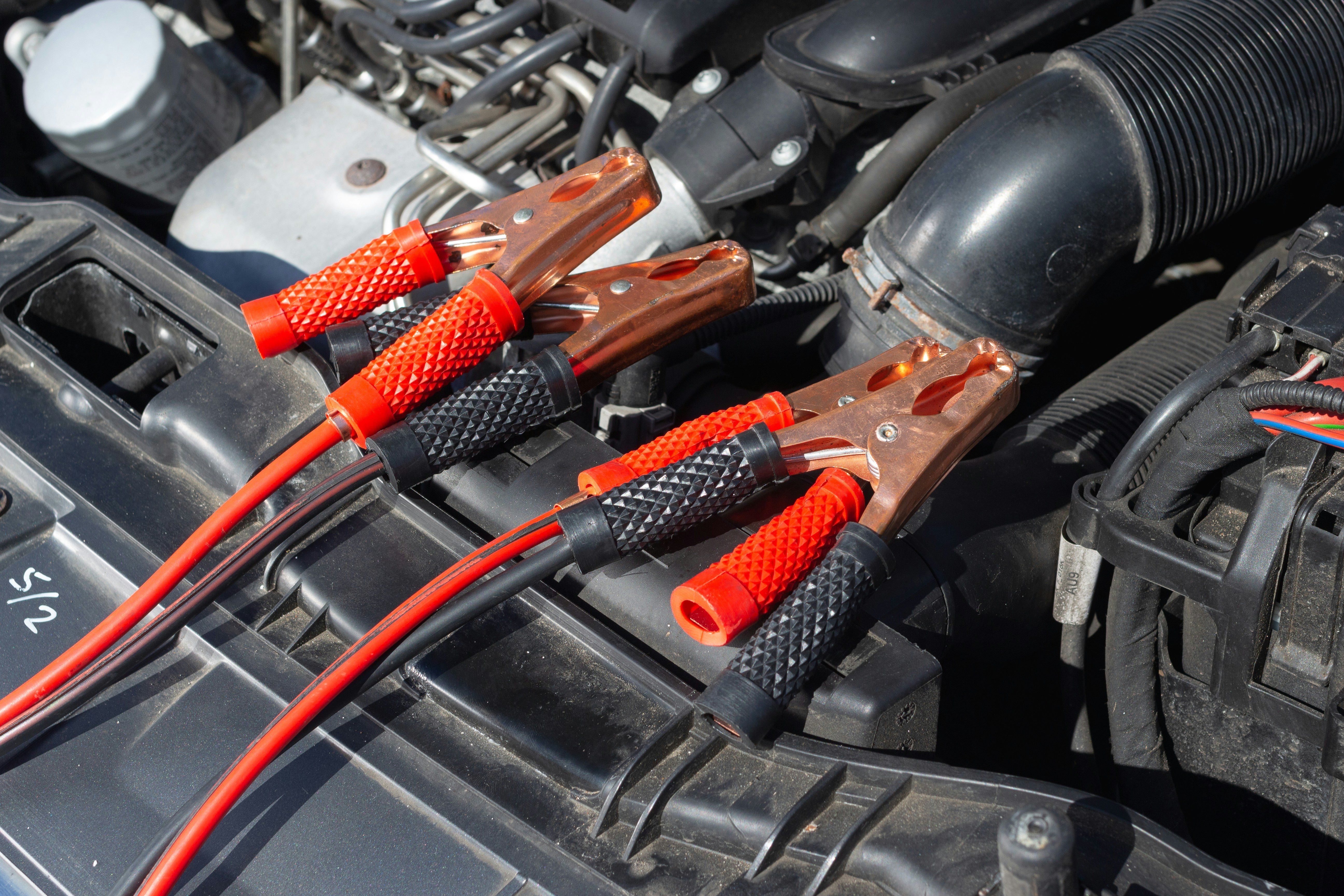
A battery provides the power needed to start your car. Therefore, it's essential to have one that's in good condition. Auto batteries have a lifespan of about three to five years, so everyone is likely to experience a failing battery at some point. Luckily, there are some warning signs you can look out for to tell if a battery needs replacing. Signs That Your Battery Needs Replacing Image via Flickr by crash71100 One of the first indicators of a weak battery is an engine that takes some time to start. Under normal conditions, the battery provides power to start your engine as soon as you turn the ignition or press the push-button start. But when a battery starts to deteriorate, it struggles to hold enough charge, causing your starter to take a few seconds to get the engine going. Another warning sign is if your headlights dim significantly when you start your car before lighting up as normal when the engine starts. The reason for this could be that your battery isn't retaining enough charge to power your vehicle's accessories. You can also perform a visual inspection of your battery to check its health. Batteries in poor condition may develop a film on top or corrosion on its ports. Corrosion typically appears as a white or yellow substance, and occurs because the acid in the battery is escaping. You can wash off the corrosion using a battery brush temporarily, but it is still a good idea to get your battery checked out to make sure it's still ok. If your battery is dying, you may here a clicking sound when you try to start your car. This usually suggests that your battery has lost all its charge and can no longer start your engine. While it may be possible for you to jump start your car in an emergency, you should immediately get your battery changed to avoid future problems. Keep in mind that batteries don't perform well if your vehicle has been sitting unused for a long period of time. For example, if you haven't driven your car in a month and it takes a few seconds to start up, this may not necessarily mean that your battery is dying. How to Test a Battery One of the simplest ways to test your battery is to use a multimeter. First, check that your multimeter is set between 15 and 20 volts. Then, place the negative and positive connectors on the corresponding ports on your battery. Check the multimeter's screen to get the reading. If the reading is below 12.5 volts, you should probably charge your battery. Any reading below 12 volts is an indication that your battery is very weak and that it may be time for a replacement. If you don't have a multimeter, you can test your battery by switching on your headlights without turning on the Engine. Leave your headlights on for 15 minutes, then try to start your car. If your engine won't start, this shows that your battery can't retain a charge and requires replacement. Replacing Your Battery While you may be concerned about the cost of replacing your battery, the good news is that you can get a high quality battery for a modest price. The exact cost will vary depending on the requirements of your vehicle, but most batteries are generally priced between $50 and $150. Premium batteries can cost significantly more but are not required for most vehicles. The main thing to keep in mind when choosing a new battery is to check the specifications of your old one to ensure that you purchase an appropriate battery for your car. Firstly, check your owner's manual to find out the group size of your battery. This is an important piece of information because it will make sure that you buy a battery that fits snugly into the battery tray. Secondly, consult your owner's manual to determine the recommended reserve capacity for your battery. The reserve capacity refers to the amount of time your battery can hold enough charge to power your vehicle. The recommended reserve capacity varies by vehicle manufacturer. The final thing to check about a battery is its cold cranking amps rating, which tells you how able a battery is to start your car in cold weather. If you choose a battery with a cold cranking amps rating that's too low for your car, you may experience problems with it later on. Battery Services at Keith Pierson Toyota All of this information may sound a little complicated, so why not let the auto experts at Keith Pierson Toyota take care of your battery needs? Our professionally-trained auto technicians use state-of-the-art technology to test your battery and other auto components to identify problems, recommend repairs, and carry out maintenance. When it comes to installing a replacement battery, we can easily dispose of your old battery safely and securely. Then, we'll be able to recommend an appropriate replacement based on the type of vehicle you drive. Since we're a Toyota-certified dealer, we have particular expertise when it comes to supplying new batteries and other parts for all vehicles in Toyota's extensive car and SUV lineup. While you're at our service center having your battery needs attended to, why not let our expert technicians offer you a general multi-point inspection to detect other potential problems? We're well practiced in providing high quality Toyota oil changes, brake tests, brake pad replacements, and engine repairs, among other services. We also have a well-stocked supply of genuine Toyota parts so that any repairs done to your vehicle will include components that perform to the highest standard. If you'd like to find out more about our Toyota service center in Jacksonville, don't hesitate to contact our friendly team. We're proud to serve Florida customers like you, whether it's for regular maintenance, purchasing a new vehicle, or having your battery replaced. Our service center is open seven days a week, meaning we're always here to fit into your busy schedule. Drop by between 7 a.m. and 7 p.m. Monday to Friday, 7 a.m. to 6 p.m. on Saturday, or 9 a.m. to 4 p.m. on Sunday.

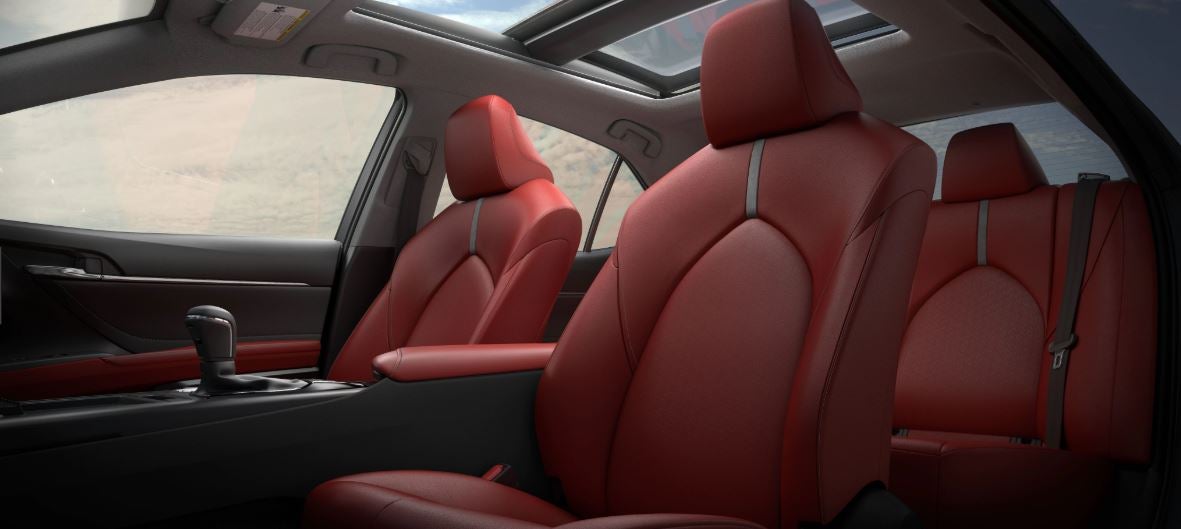
Image of the interior of a 2019 Toyota Camry.

Go Toyota Crazy with Accessories from Keith Pierson Toyota!

When you find the new or pre-owned Toyota car you’ve been looking for, you can’t help but be pretty excited. So it’s only natural that you’d want to make it your own, or protect the way it looks for as long as possible. That’s why at Keith Pierson Toyota, we love to tell our customers about the wide array of Toyota accessories available at our dealership and online! Today, we want to share just two with you – there are loads more, all tailored to your specific vehicle (as long as it’s not older than 1983, of course). With all the summer storms comes a lot of mud. That’s why it’s important to have a reliable set of all-weather floor liners like the ones we sell at our shop. For instance, if you need to protect the floor of your 2019 Toyota Camry, we sell a wide array of all-weather floor liners. They’ve been accurately-sized to match the interior of your vehicle, and feature ribbed channels to keep dirt, sand, mud, and even gravel out of your shoes and most importantly, off your Camry’s upholstery. They’ve also been branded with the Camry logo, so that’s always a plus. But maybe you already have a set of floor mats. We have other great organizational accessories like a cargo tote that fits your Camry’s specific trunk dimensions. This allows you to divide the contents of your trunk into something a bit more orderly than the pile of random gear and objects that might be rolling around your trunk now. So what are you waiting for? Come into our Jacksonville, FL Toyota dealer for an amazing price on an amazing car, and find some of the most amazing accessories you’ve ever seen while you’re here. See you soon!

Lubrificante per motore auto

How You Can Keep Your Car Cool This Summer

Keith Pierson Toyota is not only your go-to dealership when you’re looking for an exceptional new or pre-owned Toyota car, but also when you're looking for ways to keep your car cool in the Jacksonville heat. To help your car stay cool this summer, our team of experienced Toyota dealers have gathered our best tips for helping your vehicle beat the summer heat. To ensure your air conditioning runs efficiently this summer, regular maintenance is key. You don't want your air conditioning system to malfunction when you need it most, which is why our dedicated Jacksonville, FL Toyota service professionals are here to check your system and filters to make sure everything is working properly. Our service technicians can also ensure that your brakes, fluids, and engine are also taken care of. One way you can keep your car cool this summer is by investing in a sunshade, which prevents heat from getting trapped inside your car. If your vehicle has leather seats like the 2019 Toyota Camry, a sunshade can prevent your seats from burning up if your vehicle is parked in the sun. Other easy tips for keeping your car cool is by parking in shady spots or covered garages and by investing in a windshield fan – if you place it on your dashboard, you can circulate the air in your car's cabin so it won't be stuffy. For more service tips to help your car beat the heat this summer, stop by our Toyota service center near Lakeside, FL and give your car the service it needs to run like a champ. You can give us a call any time at 888-597-3703. We look forward to seeing you soon!

Contact Us

Fill out this form below and we'll contact you shortly
*Required Fields