

Blog

All New Toyota Vehicles Local Parts And Service Toyota Tips Model Comparison Finance Maintenance Camry Local Events & Community Highlander Tundra Corolla RAV4 Corolla Cross Sienna Tacoma Technology EV Vehicle Comparisons
gold courses in jacksonville fl

Practice Your Swing at These 6 Golf Courses Near Jacksonville, FL

With temperatures cooling off, many more golfers will be hitting the courses. If you live near Jacksonville, you've got plenty of places to learn or play golf. Whether you're looking for great golf course dining or lessons, there are plenty of excellent courses and clubhouses in the area. Check out these six golf courses to learn more about where to go to practice your swing. TPC Sawgrass TPC Sawgrass is one of the biggest names in Jacksonville golf, and it's for a good reason. The club is just 12 miles outside Jacksonville and has won several awards for its excellent courses. The clubhouse provides hospitality to members and the public and features several restaurants and a golf shop. This golf club offers two stellar courses you can play. The Players Stadium Course at TPC Sawgrass is the most popular option. Since 1982, when the course opened, it's helped players show off their skills in the most balanced way possible. The holes vary in length, but the most popular is the 17th hole, a par-3 with an island. Dye's Valley is another TPC Sawgrass course worth trying. It has a reputation for being easier than the Players Stadium Course, but it's still got plenty of water hazards. Plus, Golfweek Magazine recognized the Dye's Valley Course as one of the best golf courses in Florida in one of its issues. Ponte Vedra Inn & Club Ponte Vedra Beach's Ponte Vedra Inn & Club is not just a golf course. In fact, many people come to Ponte Vedra Inn & Club to enjoy the spa, tennis courts, and shopping opportunities. Dining options include a gourmet experience at the Seahorse Grille. The Sea View Grille also offers breakfast, lunch, and dinner. Ponte Vedra Inn & Club's Ocean Course is well-known. It's not only scenic but is also a tough course featuring 101 sand bunkers. At the ninth hole, you'll find the first island green built on a golf course. The par-71 course offers large fairways in addition to tricky lagoons and plants. A variety of grasses also make this course a difficult (but fun) challenge. Other courses at the club include the Lagoon Course, which consists of 6,022 yards at par-70. Robert Trent Jones and Joe Lee designed this course. World Golf Village World Golf Village is one of the most popular golf clubs in the area for a reason. It has something for everybody. Whether you're interested in exploring the Hall of Fame or you'd like to participate in a PGA Tour Golf Academy, World Golf Village makes it possible. The club offers junior programs, private instruction, and luxury accommodations. Several restaurants and shops are available on-site as well. Arnold Palmer and Jack Nicklaus designed the King & Bear course, which bears their nicknames. This course is beautifully landscaped, complete with lakes and rock formations, and has two parts. The first nine holes pay homage to St. Augustine's heritage, but the final nine holes are all about sticking to Florida's golf traditions. Bobby Weed, Sam Snead, and Gene Sarazen designed the Slammer & Squire, which is another beautiful course. It honors natural beauty, using unspoiled wooded areas and wetlands. Water hazards can make this course a challenge. St. John's Golf & Country Club St. Johns Golf & Country Club is one of the most picturesque golf clubs in Florida. Situated just 20 miles away from Jacksonville, this country club offers a variety of events in addition to golf, including adult trivia and Halloween parties. If you don't quite know how to golf just yet, there's the opportunity to learn here. The Golf Academy at St. Johns offers professional teachers who can show you how to swing. If you already know how to play, you can explore the course. St. Johns has five sets of tees in addition to a family tee. You can play a 2,400-yard course or a 7,250-yard course, depending on your tee choice. You can book a tee time online and reserve your spot ahead of time too. The Golf Club at North Hampton The Golf Club at North Hampton is another great Jacksonville destination. Not only is the golf course one of the most well-regarded in the state, but it's also a lovely wedding destination in addition to a great spot to dine. The accommodations on-site are also superb, offering all the comforts of any beautiful resort. One of the biggest reasons to visit this club is that the legendary Arnold Palmer designed the course. Described as a "classic risk-reward" golf course, three sets of tees make this course enjoyable for all types of guests, and there are over 7,100 yards to explore. If you love to strategize, this is a great course to play. You'll get generous fairways in addition to water challenges. You might even catch a glimpse of some wildlife, such as gators, cranes, and eagles, as you play. The Palencia Club The Palencia Club opened in 2002. Since then, it's developed a reputation as one of the best social, dining, and golf locales in Florida. Today, the club boasts a championship golf course in addition to an expansive clubhouse with modern facilities. You'll also enjoy the golf practice facility on-site, which includes a putting green, 400-yard range, chipping greens, and bunkers. When you're tired of golfing, you can come into the clubhouse and choose from three different dining experiences. The Palencia Grille is a family-friendly restaurant with a casual atmosphere, whereas the Members' Bistro offers a more elegant atmosphere. The golf course encompasses 105 acres and six sets of tees. Arthur Hills designed the course, and it contains generously situated wood buffers throughout. As you golf, you'll also enjoy beautiful views of the marsh and river. Some of these golf courses are relatively far apart, so you might need a new ride to get to each one. A new car provides the perfect opportunity to explore Jacksonville and the surrounding area. Check out the new vehicles at Keith Pierson Toyota to see how you can explore Florida in style. Image by Allan Nygren is licensed with Unsplash License


Toyota Highlander three-row SUV exterior view

7 Seater Toyota Cars

Toyota offers several practical three-row options for drivers who need seating for seven or more. The Highlander, Sequoia, and Sienna each bring a different mix of comfort, performance, and efficiency. Keith Pierson Toyota in Jacksonville can help shoppers compare trims, seating layouts, and features in person. A three-row SUV is appealing because it can transport up to eight people while delivering greater fuel efficiency than its full-size SUV competitors. With exceptional EPA-estimated economy ratings and optional sports and TRD packages, these seven-passenger Toyota cars mean that you don’t sacrifice performance for capacity. SUVs with third-row seats can accommodate your entire family as well as all your cargo, which means that you don’t have to leave anything behind. With active safety technologies, you can securely get everyone wherever they want to go. Choose your ideal seven-passenger car from a variety of trim options for each model. Below are some options with third-row seats for a dependable, comfortable, and fashionable ride: Toyota Highlander Prepare to turn heads everywhere you go with the Toyota Highlander, as its stunning new look is difficult to ignore. Its chiseled design and curved lines demonstrate the ideal blend of strength and elegance. A sharp mesh head grille and blacked-out highlights showcase the Highlander’s sportier side with the XSE trim. There are eleven trim options available, as well as hybrid and non-hybrid powertrains. It comes with front-wheel drive as standard and all-wheel drive as an option. All models offer smooth handling and a comfortable ride. Even on the base L trim, the inside is well equipped, with modern amenities, simple electronics, and a slew of driver-assistance technologies as standard. By 2023, a brand-new turbocharged 2.4-liter four-cylinder engine will replace the Highlander’s basic V-6 engine. The new engine produces 265 hp and 309 lb-ft of torque, while the Highlander Hybrid’s 2.5-liter four-cylinder engine and two electric motors produce 243 hp. This version has a continuously variable automatic transmission with the option of front- or all-wheel drive. Taking advantage of Toyota’s hybrid technology, this engine offers increased fuel efficiency compared to the normal model without sacrificing much in terms of power and speed. The handling is uninspiring but steady, and the ride is ideal for household chores. The base L and midrange LE trims can carry eight people when utilizing passenger seats in the second and third rows, while the higher trims provide a seven-seat configuration with second-row captain’s seats. The cabin components and finishing are far superior to those seen in the previous generation Highlander. Most models come equipped with an 8.0-inch infotainment system, while the Highlander Limited and Platinum trims feature a 12.3-inch panel with a secondary 12.3-inch display functioning as the meter panel. For all versions, Toyota includes a 4G LTE Wi-Fi hotspot, SiriusXM satellite radio, Android Auto, Apple CarPlay, and Amazon Alexa connectivity. A wireless smartphone charging pad, which is built into the panel underneath the multimedia screen, is optional. The Highlander includes a standard package of driver-assistance systems, including lane-keeping assist and automated emergency braking with pedestrian recognition. Explore Highlander Models Toyota Sequoia The Toyota Sequoia is a three-row, full-size SUV that’s built on the Tundra truck chassis, which won’t be affected by the arrival of the new 2023 model. The new Toyota Sequoia is significantly more contemporary than the second-generation Sequoia it supersedes, which has been on the market for over a decade. The brand-new Sequoia has the i-FORCE MAX hybrid engine, which integrates a 3.4-liter V-6 engine with an electric engine to produce 437 hp and 583 lb-ft of torque. Rear-wheel drive is the default, with four-wheel drive available on most models and standard on the off-road-focused TRD Pro. The off-road features include updated FOX dampers, a locking rear differential, forged 18-inch wheels with 33-inch tires, and a front skid plate. The hybrid configuration of the new Sequoia makes it significantly more economical than the previous generation. Rear-wheel-drive variants achieve 21 mpg in the city, 24 mpg on the interstate, and 22 mpg combined, according to the EPA. Inside, the Sequoia comes with a huge touch screen with the most up-to-date software, as well as a three-row interior with seating for up to eight passengers. Second-row captain’s chairs are also available, but these lower the number of occupants to seven. Headroom is minimal in both rear seats, especially when the additional panoramic sunroof is installed. The interior trim choices range from fabric to leather upholstery and various wood and chrome edges as you move up the pricing ladder. Cooled and heated second-row seats, a premium sound system, and a panoramic sunroof are available with the higher model levels. See Sequoia Options Toyota Sienna The brawny-for-a-minivan exterior design of the 2023 Toyota Sienna is an effort at SUV cosplay, but even a brief glance in its direction shows it for what it is — a minivan. People enjoy driving this vehicle due to its quiet cabin and polished ride. Aside from the obvious practical benefits of a minivan, the Sienna’s interior is large and well equipped, but its second-row seats aren’t detachable or stowable, as they are in other vans. Unlike the earlier generations, the Sienna is only available as a hybrid. The powertrain comprises a 2.5-liter four-cylinder engine and two electric motors that provide 245 hp. All-wheel drive is an option that includes a third electric motor in the back to power the rear wheels. The inside of the Sienna is sleek and sophisticated, which complements its bold outward overhaul. The Sienna’s second-row seats are not detachable, unlike the Pacifica Hybrid and Odyssey. Toyota’s newest infotainment system is a 9.0-inch touch-screen monitor that sits upright over the climate settings on the panel. Android Auto, Amazon Alexa, and Apple CarPlay connections are all standard, and the van’s interior has seven USB outlets. The Toyota Sienna also has an integrated Wi-Fi hotspot and SiriusXM satellite radio. Browse Sienna Lineup For all the models listed above, Toyota’s warranty coverage is standard in the market. The limited warranty covers 36,000 miles or three years, and the powertrain warranty is valid for up to 60,000 miles or five years. Owners receive two years of free regular maintenance, which is a pleasant feature that most competitors do not provide. The hybrid model typically includes a separate hybrid-component guarantee that covers the vehicle for 100,000 miles or eight years. Whether you want to drive off-road or simply cruise around Jacksonville, Keith Pierson Toyota has a great selection of new and used Toyota cars for sale. Meet with our associates and find your ideal seven-passenger car today. Contact our team or pay us a visit at 6501 Youngerman Circle in Jacksonville for more information about our seven-seater automobiles. Images via toyota.com 7-Seater Toyota FAQs Which Toyota vehicles in this guide seat seven passengers? The Toyota Highlander, Toyota Sequoia, and Toyota Sienna can all be configured to seat seven passengers, depending on trim and seating layout. Which Toyota model is a good fit for families who want hybrid efficiency? Drivers looking for hybrid-friendly family transportation can compare the Highlander Hybrid, the hybrid-powered Sequoia, and the Sienna, which is offered as a hybrid-only model. Where can I compare new Toyota family vehicles near Jacksonville? You can review available new Toyota models and compare sizes, trims, and features at Keith Pierson Toyota before visiting the dealership for a closer look. Can Keith Pierson Toyota help after I purchase a three-row Toyota? Yes. Owners can keep their vehicle in shape with routine maintenance and repairs through the dealership’s service department.

The 8 Best Seafood Restaurants Around Jacksonville, FL

If you're familiar with Jacksonville, you know that the local seafood comes in all varieties. From crab shacks to fine seafood restaurants, our city has it all. Even if you're just visiting, you'll love trying our local hotspots for fish, shrimp, crab, and other tasty dishes. Check out these seafood restaurants in Jacksonville to experience everything our city has to offer. Safe Harbor Seafood Restaurant Safe Harbor Seafood Restaurant is a destination for great food and casual dockside dining. From the restaurant, you can see the boats offloading the seafood you can enjoy right inside. Ideally located close to their Mayport docks, this restaurant offers family dining and a full menu. This restaurant offers a little bit of everything, from shrimp baskets and tuna tacos to Caesar salads and po'boy sandwiches. Location: 4378 Ocean St., Atlantic Beach. Hours: 11 a.m. to 6 p.m. from Tuesday through Thursday, 11 a.m. to 8 p.m. on Friday through Saturday, and 11 a.m. to 7 p.m. on Sunday. Julington Creek Fish Camp Julington Creek Fish Camp is a lunch, dinner, and cocktail spot with tasty fare and local fish. The chefs combine fresh Florida seafood with Southern cuisine to create unique dishes. The dinner menu includes a ceviche of the day in addition to clam chowder, spicy seafood linguine, seared tuna salad, and even sirloin steak. Of course, you'll also see a catch of the day on the menu. You can make a reservation online for dinner and group dining. Location: 12760 San Jose Blvd., Jacksonville. Hours: 11 a.m. to 9 p.m. from Tuesday through Thursday, 11 a.m. to 10 p.m. on Friday and Saturday, 11 a.m. to 9 p.m. on Sunday, and 4 p.m. to 9 p.m. on Monday. The Blue Fish Restaurant The Blue Fish Restaurant serves fresh seafood and tasty steaks. This is a higher-end restaurant with a bar menu and a beautiful courtyard. This restaurant has everything if you're looking for a nice dinner, oyster bar lunch, or sunny outdoor brunch. A unique feature of this restaurant is that you can order your fish to be cooked and served in various ways, including grilled, pan-seared, Cuban mojo-style, and Old Bay mixed grill-style. Location: 3551 St. Johns Ave., Jacksonville. Hours: 11 a.m. to 10 p.m. from Monday through Thursday, 11 a.m. to 11 p.m. on Friday, 10:30 a.m. to 11 p.m. on Saturday, and 10:30 a.m. to 10 p.m. on Sunday. Southern Coast Seafood Southern Coast Seafood is relatively new. It opened in 2020 and quickly became a destination. Mayport fish and shrimp are transported to the restaurant daily, all of which are served fresh. In addition to tasty fish dishes, you'll also notice steak and barbecue specials on the menu. The most popular menu items include jumbo lump blue crab cakes, homemade pimento cheese, creamy clam chowder, po'boy sandwiches, smash burgers, and fish tacos. You can even order shrimp pasta or a poke bowl if you're looking for something you can't find anywhere else. Location: 1301-1 Monument Road, Jacksonville. Hours: 11 a.m. to 9 p.m. from Tuesday through Thursday, 11 a.m. to 10 p.m. on Friday through Saturday, and 11 a.m. to 9 p.m. on Sunday. Marker 32 Marker 32 is truly an unforgettable destination with great views and a reputation for delicious meals. The owner is a Jacksonville native who grew up fishing and crabbing before pursuing a culinary education. Marker 32 has been open and serving the community since 1992. Coastal classics on the menu include fried shrimp, fried oysters, blue crab cakes, and Hoppin' John. In addition to plates like Szechuan Tuna and New Zealand Lamb Chops, you'll also notice some tasty desserts on the menu. Location: 14549 Beach Blvd., Jacksonville. Hours: 5 p.m. to 10 p.m. from Monday through Saturday and 5 p.m. to 9 p.m. on Sunday. St. Mary's Seafood & More St. Mary's Seafood & More lives up to its name. It's got everything from oysters and clams to crabs and fish. Whether you're a fan of fried, blackened, broiled, or grilled seafood, you'll find something you love. Even if you aren't a fan of seafood, you can enjoy steak and delicious sides. St. Mary's also offers a variety of events, including Wine Down Wednesday and Wednesday oyster specials. At some locations, you’ll enjoy live music, trivia, happy hours, and drink specials. If you aren't sure what to try on the menu, the popular dishes include coconut shrimp, ahi tuna, and seafood platters. Various shellfish entrees are great options, including the Boom Boom Shrimp and the Buffalo Shrimp. Location: 11290 Old St. Augustine Road and 8129 Point Meadows Way, Jacksonville. Hours: 11 a.m. to 9 p.m. from Monday through Sunday. Timoti's Seafood Shak Timoti's Seafood Shak is all about wild-caught seafood. Whether you're craving fresh poke or a basket of fried shrimp, Timoti's has you covered. The most popular menu items include lobster rolls, crab burgers, shrimp baskets, and the Baja box, loaded with protein, coconut rice, salsa, tomatoes, and avocado — cocktails on tap complete your meal. Location: 1043 Park St., Jacksonville. Hours: 11 a.m. to 9 p.m. from Monday through Thursday, 11 a.m. to 11 p.m. on Friday and Saturday, and 11 a.m. to 3 p.m. on Sunday. Singleton's Seafood Shack Are you looking for fresh seafood in a casual atmosphere? Singleton's Seafood Shack is a historic restaurant you don't want to skip. Local fish and shrimp are the big menu items here. Still, you’ll also notice other tasty menu items, including Shrimpwreck Shrimp, Oysters Rockefeller, and New England Clam Chowder, which was once voted the best in Jacksonville. Location: 4728 Ocean St., Jacksonville. Hours: 11 a.m. to 9 p.m. on Wednesday and Thursday, 11 a.m. to 10 p.m. on Friday and Saturday, and 11 a.m. to 9 p.m. on Sunday and Monday. Now that you know where to venture for fantastic seafood dishes in Jacksonville, you’ll need a great ride to take you to these destinations. Keith Pierson Toyota can help you find the right vehicle to get you from one destination to the next. Check out our new and used inventory to test drive your next car. Image by Mike Bergmann is licensed with Unsplash License
The Importance of Brake Pads

Taking care of their vehicle is an important responsibility for every car owner. And one of the most important parts of the vehicle that you should take care of and maintain is the braking system. You want to feel confident that when you drive, your brakes will stop your vehicle when you need them to. For this to happen, your car requires a reliable braking system, which includes high-quality brake pads. Importance of Brake Pads There are several parts that comprise your vehicle's braking system, but perhaps the most valuable component is the brake pads. These are the two steel backing plates on each vehicle’s wheel. These plates have a friction material which makes contact with the brake rotors when you apply the brakes. This friction material forces the brake rotors to slow down and ultimately stop. However, with this friction comes erosion. Over time, as you continue to apply your brakes, the friction material begins to wear down. As this happens, the distance between the pads and the rotors grows, resulting in slower stopping times. If the brake pads wear down completely, they'll be ineffective at stopping the brake rotors altogether. This is why it's important to have brake pads in good shape, as they will help to keep you safe while you're driving your vehicle. The Difference Between Good and Bad Brake Pads When you're shopping for new brake pads or having an auto repair center replace them, you want to get the best brake pads you can. After all, you're trusting these brake pads to help you stop your vehicle, potentially at high speeds. The contrast between good brake pads and bad ones could be the difference between getting in an accident or stopping a safe distance away. There are a few factors that make brake pads good. First, you want a long-lasting and reliable friction material. Most brake pads’ friction material is made of ceramic, which lasts for a long time. Another factor to look at is the ability to disperse heat. You want brake pads that can take the heat resulting from friction and be able to release it. Brake pads that don't disperse the generated heat can wear down more quickly or cause other damage around the brake pads area. Finally, you want brake pads that are unnoticeable. When you apply the brakes, you shouldn't hear any strange noises or notice any odd smells. While many brake pads may produce smells or sounds when you first install them, high quality brake pads will cease generating those sounds or smells after a few miles of driving. To summarize, good brake pads last a long time, disperse heat well and don't produce any strange noises or smells. When shopping for brake pads, you should investigate these factors so that you can compare each option. And the best thing you can do is to buy genuine Toyota parts if you're driving a Toyota. Signs You Need to Replace Your Brake Pads Even if you get long-lasting brake pads, there will likely come a time when you should replace them. Below are a few signs that indicate it's time to replace your brake pads sooner than later: Loud Noises Most manufacturers design their brake pads to emit a loud sound when they are very worn down. At the bottom of the friction material is a metal plate. When this metal plate begins to rub against your brake rotors, you may hear a loud screeching sound. This noise has a purpose, as the manufacturer wants you to know that it's time to replace your pads before they are completely gone. Once you notice this loud sound, schedule a maintenance appointment. Excessive Vibrations Excessive vibration is another common issue related to brake pads. If you apply the brakes and feel your vehicle begin to shake, there’s something wrong with the system. It could be the result of your brake pads wearing down, or it could be another issue, like uneven brake rotors. Either way, you'll want to get this checked out before these issues become worse. Slower Stop Times Finally, pay attention to how long it takes to stop your vehicle. If you're applying the brakes and it feels like it’s taking too long to come to a complete stop, this is a safety hazard. Worn down brake pads are a common cause of this, although it could also be your tires. Inspect your tires and see if there’s a significant amount of tread remaining. If so, the issue likely lies with your braking system, either with the brake pads or the brake fluid. If not, then explore getting new tires for your vehicle. What Brake Maintenance Service Includes When you bring your vehicle in for brake maintenance, the service technicians will do a few things. First, they will inspect your brake pads to see how much friction material remains. For brake pads with little friction material remaining, the technicians will recommend getting new pads. It's often recommended that you replace both brake pads on a wheel simultaneously, even if one is more worn out than the other. After that, the service technician will check other areas of your braking system. For example, for a Toyota Camry, they'll inspect your brake rotors to see if they need smoothing or replacing. They'll also examine your brake fluid levels to ensure there’s enough of it in the hydraulic system. If there’s a low amount of brake fluid, the technician will also look for signs of a leak. At the end of the service, you can be assured that they inspected your entire brake system and that it's safe to get on the road again. Let Keith Pierson Toyota Take Care of Your Brakes If you're experiencing an issue with your braking system, or if it's just been a while since you've had brake maintenance, the team at Keith Pierson Toyota is here to help. The expert technicians at our auto service and parts center in Jacksonville can inspect your entire vehicle and correct any issues we come across. We only use high-quality parts, so you can be assured that you're getting quality brake pads when you come to us. To get started, please schedule a service appointment today. We look forward to helping you with your vehicle's brakes. Schedule Service Order Parts Image by Benjamin Brunner is licensed with Unsplash License

Take the Family for a Day Trip to St. Augustine

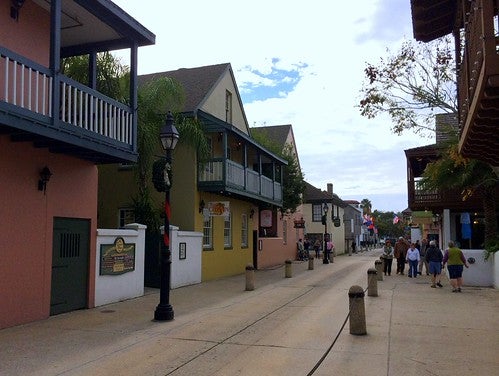
Looking to get out of the house with your family? Consider taking a day trip to St. Augustine. This oldest city in the country has a rich history and culture, making it easy to fill your day with fun and educational activities. You'll also appreciate that it's just like the rest of Florida in that it promises warm weather year-round. Even if you encounter a summer shower, you can explore indoors or simply throw on a poncho until the bright Florida sun reappears. Here at Keith Pierson Toyota, we're here to help you plan the perfect day trip to St. Augustine. Even if you're coming from somewhere other than our hometown of Jacksonville, you can use this guide to create your itinerary. From restaurants to sightseeing activities, we've included activities that are suitable for the whole family. Visit St. George Street Depending on how far you are from St. Augustine, you might have to wake everyone up pretty early. Make the most of your arrival by heading straight to St. George Street. This road has everything you need to get ready for a busy day, including fresh coffee and pastelitos from the authentic Cuban Cafe and Bakery. You can explore the gift shops before the street gets crowded and even grab a souvenir early on in your trip. The portion of St. George street extending from the Old City Gate to Plaza de la Constitución is for pedestrians only, but you can continue south to the Lincolnville Historic District. There's so much to see on St. George Street that you could dedicate an entire day to exploring it. In fact, you'll notice that we recommend several hotspots on St. George Street so you can pack in a lot of activities during your day trip. Go to the St. Augustine Pirate and Treasure Museum If you're taking a road trip to St. Augustine, it's probably safe to say that your family loves adventure. The St. Augustine Pirate and Treasure Museum is the perfect way to celebrate everyone's venturesome spirit. This establishment takes you back in time over 300 years to the Golden Age of Piracy. The 5,000-square-foot museum holds over 800 artifacts that tell pirate stories from the 1600s to the present day. While much of the information in the museum is factual, some exhibits celebrate myths that became popular throughout the centuries. So if you have particularly imaginative children, the St. Augustine Pirate and Treasure Museum is a must-see attraction. Explore Castillo de San Marcos At the St. Augustine Pirate and Treasure Museum, you'll learn that real pirates like Sir Francis Drake and Robert Searle frequented Castillo de San Marcos. This information will make you want to see the old fort for yourself, so be sure to stop by for an exciting experience. The Spanish built the Castillo de San Marcos to protect its claims in the New World in 1672, making it the oldest masonry fort in the continental U.S. Explore the rooms that soldiers and prisoners once called home, and view the city from the expansive courtyard and gun deck. If you go on the weekends, stick around for the cannon firings and weaponry demonstrations that are free with admission. Throughout the fort, you can tune in to formal 15- to 20-minute historical presentations. There are also stations that allow you to interact with cultural objects and ask park rangers your most pressing questions. Eat Lunch at Harry's Seafood Bar and Grille You're sure to work up an appetite after a morning of exploring St. Augustine. While there are tons of great restaurants in the area, consider going to Harry's Seafood Bar and Grille. St. Augustine is famous for its Creole-style dishes, making this restaurant with a signature blend of Cajun, Creole, and Southern flavors perfect for an authentic experience. Split an appetizer of fried green tomatoes, crab cakes, or crispy calamari with everyone, and then indulge in your entree of shrimp scampi or mahi mahi. If you're in the mood for something lighter, order from the extensive selection of salads and soups. Climb the St. Augustine Lighthouse Harry's Seafood Bar and Grille should leave you full, so consider walking off lunch by climbing the St. Augustine Lighthouse. Tickets are super affordable for all ages and give you plenty of ways to experience this iconic landmark. Climb the tower to get an incredible view of the ocean, and interact with exhibits that tell some of history's lesser-known stories. For instance, you'll get to learn about William Harn and his life as a lighthouse keeper. Visitors also discover how the St. Augustine Lighthouse tied into the Revolutionary War, World War II, and the worldwide shrimping industry. If you're up for more walking, explore the surrounding nature trails that make for a relaxing afternoon. Alternatively, you can take a breather and watch your kids have a blast on the Shipyard Playground. Go to Vilano Beach Your kids will probably be tired at this point, but if you want to ensure they'll sleep the entire ride home, head over to Vilano Beach. You can enjoy the rest of the afternoon at this relatively underground beach that promises hours of fun. Your family will enjoy swimming, building sand castles, or simply lounging on the shore. Amenities like picnic tables, restrooms, and showers make visiting Vilano Beach a comfortable experience. Take a walk on the retro pier and witness one of the most beautiful sunsets in Florida. This guide will help you create unforgettable memories in St. Augustine. If you and your family need help getting there, visit Keith Pierson Toyota. Our SUVs ranging from the Highlander to the Sienna provide plenty of space for your whole family and all of your belongings. Plus, their excellent fuel efficiency and reliability give you the peace of mind you deserve as you explore away from home. Trust us when we say that a Toyota is perfect for all of your adventures. Contact a representative to learn more about purchasing a Toyota for your family, or browse our inventory today. St. Augustine - St. George Street - Shops by Jared is licensed with CC BY 2.0

5 Dockside Seafood Restaurants To Try in Jacksonville, FL

There's nothing quite like enjoying fresh seafood while sitting dockside amidst the salty sea air. In Jacksonville, Florida, there are many great sea and dockside establishments where you can get some great tasting fish, crab, oysters, and more. We've compiled a list of some of our favorite spots so you can get out there and enjoy the water with some mouth-watering grub. Whether you're local to Jacksonville or just driving through, we're sure these spots will satisfy your craving for authentic fresh seafood. After a day at the beach, these joints are sure to hit the spot. Dockside Seafood One of our favorite establishments in Jacksonville, Dockside Seafood Restaurant, serves fresh, local seafood alongside the hustle and bustle of Jacksonville Beach's lively boating scene. Dockside sources its seafood from local fishers, all-natural shellfish farms, and top-quality wild-caught seafood purveyors. Its owners, Benjamin and Liza Groshell, own several restaurants in the Jacksonville area and apply their expertise to create a memorable dining experience for their customers. Dockside offers a casual setting with great menu offerings that seafood lovers will appreciate. Be sure to sample the restaurant's fried oyster baskets, crab cake melts, and shrimp tacos. The restaurant is open 10:30 a.m. to 9 p.m. every day, so be sure to stop in and try on of Jacksonville's most iconic dockside eateries. Beachside Seafood Restaurant and Market Another great seaside destination to try is Beachside Seafood Restaurant and Market. The restaurant serves only the freshest caught local fish, and even sells its catches at a market, so you can take Jacksonville's freshest fish to go. In operation since 1989, Beachside is many residents' go-to source for fresh fish options and delicious food. As the only combined seafood market and restaurant in Jacksonville, these guys are your one-stop shop for crab, shrimp, and fish. Beachside has an upstairs dining area and a patio for a casual beach atmosphere. You can stop in wearing your beach attire or head over after a workday or while passing through. Also upstairs, you can find a bar where Beachside offers several beers on tap and satisfying wine selections. Be sure to try their award-winning Philly cheesesteak sandwich and take home some of the restaurant's famous fish dip while you're at it. Other great menu options include the lemon butter Basa, the seasonally available lion fish, and their oyster shooters. The restaurant is open 11 a.m. to 8 p.m. Tuesday through Saturday, 11 a.m. to 3 p.m. on Sunday, and is closed on Monday. The market is still open on Mondays, however, so stop in any day of the week to get some of that delectable fish dip, great on crackers or a morning bagel. The North Beach Fish Camp North Beach Fish Camp has the same owners as another one of our favorites on this list, Dockside Seafood, so you know it's good. This restaurant mimics the charming atmosphere, inventive menu options, and stellar service of the area's other Fish Camp locations in St. Augustine, Palm Valley, and Junction Creek. Almost as good as the food is the location. This two-story restaurant offers a sophisticated and clean spin on traditional beach casual, with exposed beams, large windows, and wooden floors. Some of our favorite North Beach Fish Camp menu items are its blue crab cakes with a signature caper aioli sauce and the steamed gulf-coast oysters. Stop in for lunch or dinner for great food, unbeatable views, and friendly service. The spot is open 11 a.m. to 9 p.m. on Sunday, 4 to 9 p.m. on Monday, 11 a.m. to 9 p.m. Tuesday through Thursday, and 11 a.m. to 10 p.m. on Friday and Saturday. Sandollar Restaurant Sandollar Restaurant has built a long-standing legacy of excellence and fresh seafood offerings. Since it was first built in 1954, locals have looked to the Sandollar for delicious local shrimp and seafood prepared with expert care. To meet the demand for its popular food, Sandollar was rebuilt as a larger facility in 1988. Since then, it's carried on the tradition of offering exceptional seafood at affordable prices to customers. Be sure to check out the restaurant's weekly specials, which feature a prime rib knight, discounted oyster night, and crab leg night. The restaurant also frequently hosts live music, so you can come enjoy the beachside digs while also seeing some great local performers play. It's hard to go wrong with Sandollar's menu. We particularly enjoy the salmon, blue crab sandwiches, and shrimp. The business is open daily, and you can visit for lunch or dinner from 11 a.m. to 9 p.m. seven days a week. Eleven South For a more elevated dining experience on the beach, check out Eleven South. Great for special occasions or just a weeknight treat, the seasonally inspired cuisine at Eleven South is well worth the drive to the beach. Although it's set back slightly from the sea, this restaurant is still well worth a mention on our list. The menu offers a diverse array of options, from seafood, to pasta, to steaks. Pair your dinner with a wine from the extensive wine list the restaurant offers. Be sure to get a reservation to ensure your seat for lunch or dinner. The restaurant is open for lunch, which it serves at 11 a.m. Tuesday through Friday. Dinner is served daily at 5 p.m. You can also enjoy brunch at Eleven South when you attend Eleven South's annual Mother's Day brunch. It's a truly special place to celebrate the important people in your life. There's so much great seafood in Jacksonville to try and love. Pair that with proximity to the salty air and you have a match made in heaven. Have you tried any of the restaurants on our list? Contact us to let us know. We'd love to hear what you think of them or to hear about another dockside offering we missed. So grab your bathing suit, bring an appetite, and head to the beach to try some of Jacksonville's great local seafood offerings. We're excited to see you out there. Oysters by Toukou Sousui 淙穂鶫箜 is licensed with CC BY 2.0

2022 toyota highlander jacksonville fl

Overview of the 2022 Toyota Highlander

If you're looking for a new ride with an impressive range of features and options, the 2022 Toyota Highlander might be your ideal pick. This family SUV comes in a variety of trims and includes hybrid versions to meet your fuel efficiency needs while never sacrificing drivability, comfort, or power. At Keith Pierson Toyota, we want you to drive off the lot in a vehicle you adore. Read on to learn more about the Highlander and all this great ride can offer you. Options You'll be delighted at the Highlander's available trims and editions. Enjoy L, LE, XLE, XSE, Limited, and Platinum options. If you'd rather go hybrid, you can choose the LE, XLE, Limited, and Platinum trims. There are even special edition models like the Hybrid XLE Bronze Edition to match all your needs. Performance Your standard Highlander options come with a 3.5-liter, V-6 engine that works with an eight-speed automatic transmission to deliver an impressive 295 horsepower. Select either front or all-wheel drive to match this powerful machine. As far as driving goes, expect stable handling that is perfect for taking this family SUV wherever you need to go. With the hybrid options, you'll get a 2.5-liter, four-cylinder engine combined with two electric motors. Together, these engines give you 243 horsepower. You'll also enjoy continuously variable automatic transmission and the ability to choose between front and all-wheel drive options. Although slightly lower in power than its non-electric relatives, the Highlander hybrids more than makeup for this deficiency with their drivability and gas mileage. Gas Mileage The EPA estimates that the Highlander's standard V-6 can give you up to 29 mpg on the highway, 21 mpg in the city, and 24 mpg combined when you select the front-wheel drive option. For all-wheel drive, you'll get 27 mpg on the highway, 20 mpg in the city, and 23 mpg combined. Not too shabby for an SUV as powerful and enjoyable as this one. For the hybrids, sit back and relax with front-wheel drive options, offering 35 mpg on the highway, 36 mpg in the city, and 35 mpg combined. If you switch to all-wheel drive, you'll get 34 mpg on the highway, 35 mpg in the city, and 35 mpg combined. No matter which Highlander option you choose, you'll surely be able to reach your destination while leaving gas stations in your dust. Exterior Features If you want to blend in with everyone else on the road, the Highlander may not be for you. When you drive off in this vehicle, you'll enjoy bold, chiseled lines that give your ride a refined but powerful look. All trims offer luxury and performance features like LED projector headlights with Daytime Running Lights, High Solar Energy-Absorbing glass on front side windows, color-keyed side rocker panels, and lower molding. If you want to go bolder, though, there's also a Highlander for that. The XSE option offers an attention-grabbing mesh front grille, blacked-out accents, and lower side skirts, giving a sportier look. The Bronze Edition comes with enhanced features like rain-sensing, washer-linked, variable, intermittent windshield wipers, intermittent rear wipers, and stunning bronze-finished alloy wheels. If any of these options sound good to you, stop in today to examine all the available Highlanders at your local Toyota dealer. Interior Cabin Every Highlander on the lot will have enough space to fit the entire crew. The L and LE trim levels come with eight-passenger seating that uses bench seats in the second and third rows. On higher trim models, you'll get seven-passenger seating with second-row captain's chairs. With any of these options, a person can lay back and stretch out inside the generous cabin space. If you're traveling in your Highlander, you can expect to fit four carry-on suitcases in the trunk along with your full car of passengers. In terms of interior features, you won't be left in the cold with the Highlander. Enjoy three-zone automatic climate control with air filter, separate second-row control panel, individual temperature settings for driver, front passenger and rear-seat passengers, and second-and third-row vents in even the most basic model. You'll also get power door locks with a shift-linked automatic lock/unlock feature, a soft-touch roll-top center console with a removable utility tray, 14 cup/bottle holders, dual sun visors with sliding function and illuminated vanity mirrors, five USB ports, and two 12V outlets. For even more luxury, select the upper Limited and Platinum options. You'll enjoy a 7-inch color LCD Multi-Information Display in your meter cluster, displaying an odometer, trip/average fuel economy, cruising range, average speed, cruise control guide, audio status, hands-free incoming call notices, and telephone information. On all-wheel drive models, this display also includes all-wheel drive torque distribution. On hybrid models, your information center includes an Eco Driving Indicator and an energy monitor. Other upper-level features include ambient interior lighting, an ornamental dash trim, and faux wood door trim to make for a smooth and stylish trip. Entertainment Entertainment comes standard with your Highlander ride. Enjoy an 8-inch infotainment system on most trims. With the Limited and Platinum, you'll get a larger 12.3-inch display. Toyota offers SiriusXM satellite radio, a 4G LTE Wi-Fi hotspot, Apple CarPlay, Android Auto, and Amazon Alexa integration for all models to keep you up to date no matter where you are. If you'd like to upgrade your experience, you can select Highlander's premium JBL audio system, which uses 11 speakers and 1,200 watts. This feature comes as an option on the XSE and standard on the Limited and Platinum trims. Safety Drive with peace of mind knowing that the Highlander has all the latest safety features to keep you and your passengers safe. A driver-assistance package includes adaptive cruise control, lane-keeping assist, automated emergency braking with pedestrian detection, and automatic high-beam headlamps. You'll also get blind-spot monitoring with rear cross-traffic alert and lane-departure warning with lane-keeping assist standard on all trims. Prepare for the road ahead with the Highlander's thoughtful safety features. Toyota Highlander Inventory At Keith Pierson Toyota, we want all of our customers to find the Toyota vehicle that matches their driving needs, lifestyle, and preferences. We think the Highlander is a great option for those looking to travel in comfort and style without sacrificing fuel efficiency or power. If you can't afford a new one, we also have used Highlanders for sale as well. If you'd like to learn more about this vehicle, or any other great Toyota options, you can always contact us today. We can't wait to help you find the Toyota of your dreams.

How to Program a Toyota Key Fob

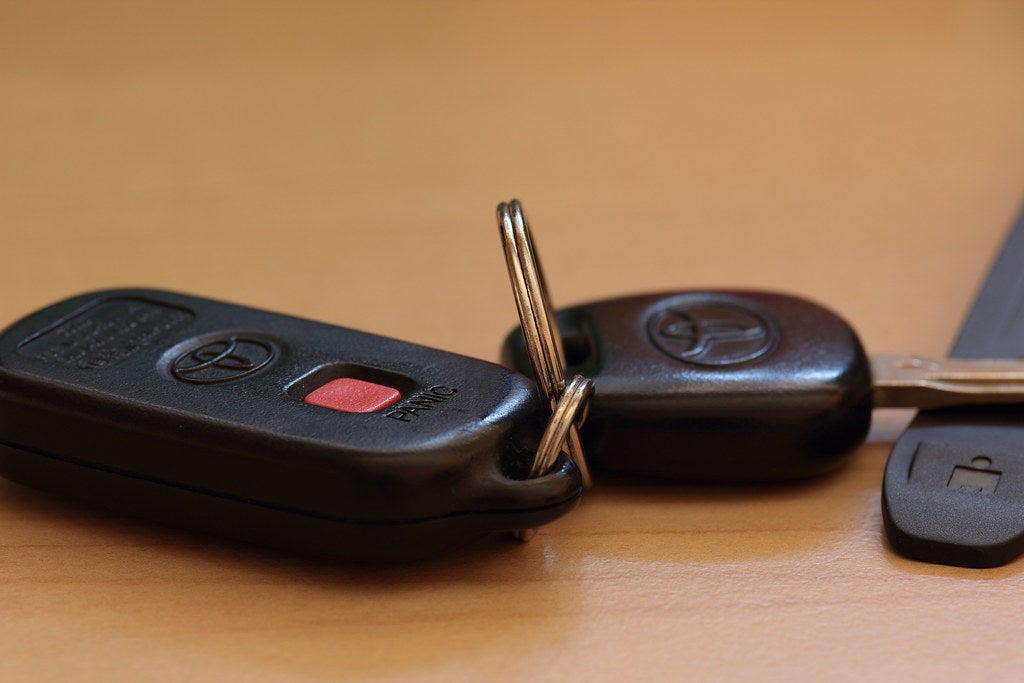
Metal-key ignitions often support owner programming; Smart Key push-button models usually require dealer tools. After a coin-cell swap, try a quick re-sync before full programming. Need help fast? Schedule Toyota key-fob service online in Jacksonville. Programming a Toyota key fob depends on the security system in your vehicle and the type of key you have. The guide below helps you decide if you can program at home or if you should visit Keith Pierson Toyota for professional programming. It also covers quick re-sync tips after a battery change and the most common pitfalls that cause programming to fail. Quick Checks Before You Start Confirm you have at least one working key or fob for the vehicle now. If yes, adding a spare is usually faster. Identify your ignition type. A metal key you turn in the ignition often supports owner programming. Push-button start with Smart Key typically requires dealer tools for new fobs. If you only replaced the battery in a fob that already belonged to the car, try a re-sync first. Full programming may not be necessary. Can I Program This At Home? Older Toyota with a metal key and standard remote: Many of these support owner programming using in-vehicle sequences. Push-button start with Smart Key: Adding a brand-new fob usually requires dealer-level immobilizer registration. If you only changed the battery in a paired fob, try re-sync steps before scheduling service. All keys lost: Plan on dealer programming and cutting a new emergency key blade. Proof of ownership is required. At-Home Programming: Older Keyed-Ignition Toyotas Use this sequence when your Toyota has a physical key you turn and the model supports owner programming. Sit in the driver’s seat and close all doors. Insert the key into the ignition, then remove it. Do this quickly twice. Within 40 seconds, insert the key again and turn from OFF to ON. Do not start the engine. Within 40 seconds, press any button on the fob for about 1 second. The door locks should cycle to confirm programming. To add more fobs, press a button on each additional fob within the same 40 second window. Turn the key to ON to exit programming mode and test each fob. If the locks do not cycle, start over and watch the timing. Low fob batteries and open doors are common reasons the sequence fails. Re-Sync After a Battery Change Sometimes a fob that already belongs to the car just needs a quick re-sync after you replace the coin cell. Install the correct battery with proper polarity and reassemble the fob carefully. Stand near the driver’s door. Press LOCK, then UNLOCK, then LOCK again. Test lock and unlock from a few feet away. For push-button start, if the vehicle will not recognize the fob, sit in the seat, press the brake, and hold the fob against the START button while pressing it. Then retest the buttons outside the vehicle. If the fob still does not respond, full programming may be required. When Dealer Programming Is Required You have push-button start and are adding a new Smart Key fob. All keys or fobs are lost. You see immobilizer or key not detected messages after DIY attempts. You purchased a used or aftermarket fob that needs proper resetting and pairing. You need the emergency key blade cut to match your locks. Our certified technicians use Toyota approved equipment to register new Smart Keys to your immobilizer and verify lock, unlock, trunk, panic, and push-button start functions before you leave. Programming Multiple Fobs If owner programming works on your model, you can program several remotes in the same session. After the first fob triggers a lock cycle, press a button on each additional fob within the same 40 second window. If the system times out, start again from the top. For Smart Key vehicles, we can add multiple fobs in one service visit. Common Pitfalls That Prevent Programming Wrong battery type or upside down polarity inside the fob. Weak vehicle 12 volt battery causing modules to time out. Open doors or hood during a programming sequence. Using a damaged or incompatible fob. Exceeding the 40 second timing windows on older sequences. Fast Troubleshooting Buttons work only when you are very close: Replace the coin cell and clean the battery contacts. Push-button start does not recognize the fob: Try the hold the fob to the START button method. If it works, the fob battery was likely weak. No lock cycle during programming: Restart the sequence and confirm all doors are closed and timing is on target. Still stuck: Visit our service lane. A quick scan will show if the car is in learn mode, if the fob is transmitting, or if immobilizer registration is needed. Why Program With Keith Pierson Toyota Fast confirmation of the correct fob by VIN. Factory level immobilizer registration for Smart Key vehicles. Emergency key blade cutting and testing on site. Help verifying your Toyota app settings related to key functions. Convenient options to add a spare so you are never locked out. See current service specials. Get Programming Help in Jacksonville If you want this handled quickly and correctly, visit Keith Pierson Toyota in Jacksonville or contact our service team. We will confirm what your vehicle supports, program your fob the right way, and make sure everything works before you head out. FAQs Can I program a Toyota Smart Key at home? If your Toyota uses push-button start with Smart Key, adding a brand-new fob usually requires dealer immobilizer registration. Re-sync may help after a battery swap, but new fobs should be programmed by a dealer. What should I try after replacing the fob battery? Stand near the driver’s door and press LOCK, UNLOCK, then LOCK again. For push-button start, hold the fob against the START button while pressing it. If it still fails, full programming may be required. When do I need dealer programming for a Toyota key fob? You’ll need dealer programming if all keys are lost, you’re adding a new Smart Key fob on a push-button start vehicle, or you see immobilizer/key not detected messages. Image Credit: “ Keys” by John Loo is licensed under CC BY 2.0.

Explore the Park Street / Five Points Neighborhood of Jacksonville, FL

Jacksonville, Florida, is a vibrant, lively city with many distinct neighborhoods and areas. Along the St. Johns River, the eclectic Five Points neighborhood and its main corridor, Park Street, offer a rich history amid a backdrop of interesting storefronts and world-class dining and entertainment venues. Here are five things to know about Park Street and the Five Points neighborhood in Jacksonville. Location and History Jacksonville's historic Five Points neighborhood is located on the St. Johns River. It's part of the larger Riverside district, a primarily residential neighborhood located southwest of downtown Jacksonville. After the Great Fire of 1901, which destroyed many downtown homes and buildings, displaced residents moved to Riverside and built impressive homes along the river. Architects continued to build a variety of contemporary homes in different styles, including bungalow, Tudor, and Victorian. Today, the Riverside area makes Jacksonville the largest collection of these styles of homes in the state. The main corridor in the Five Points district is Park Street, beginning at Riverside Park on the north end of the district. Park Street extends to the famous Five Points intersection, a unique juncture where five streets meet. Traffic doesn't flow continuously at this intersection, which can cause confusion for tourists or new drivers in the area. For locals, though, the Five Points intersection is part of the charm of the neighborhood. The Five Points neighborhood is well known to Jacksonville locals for its bohemian vibe, colorful storefronts, and unique businesses. The Park Arcade Building, an Italian Renaissance Revival structure, is a historic landmark with seven storefronts. Today, it's home to local boutiques and cafes. As you stroll through this charming neighborhood, you'll find other historic points of interest and many independent shops and restaurants. Arts and Culture Park Street and the greater Five Points district offer a vibrant culture full of art and entertainment. The neighborhood is home to distinctive wall murals, which adorn many buildings along Park Street. One of the most beloved institutions on Park Street is the historic Sun-Ray Cinema. It originally opened in 1927 as the Riverside Theatre, which was the first theater in Florida to show talking films. Today, the theater shows a combination of independent films and first-run blockbusters. It also has an extensive menu with pizza, popcorn, sandwiches, hot dogs, craft beer and wine, and more. The Five Points neighborhood is also home to the Cummer Museum of Art and Gardens, the largest fine arts museum in Northeast Florida. The museum features a permanent collection of over 5,000 works of art dating from 2100 B.C. through the 21st century. Admission to the museum also includes the Cummer Gardens, a historic riverfront garden along the banks of the St. Johns River. In addition to its vibrant blooms and lush oak trees, the garden also features reflecting pools, fountains, and sculptures to create a reflective, relaxing oasis. Food and Drink Foodies have long flocked to the Five Points district for delicious local cuisine. Whatever you're craving, you're sure to find something to tempt your palate on Park Street. Visit Hawkers 5 Points for bold, flavorful Asian street food, such as Korean twice-fried wings, street skewers, and crispy tofu bites. Also on Park Street, Biggie's Pizza blends New York-style pizza with iconic Jax flair to create gourmet pies. Choose from specialty pizzas or create your own with a tasty combination of toppings. Other popular restaurants in the Five Points district include The Bread and Board, Mossfire Grill, and Corner Taco. If you're looking for a craft beer or a handcrafted cocktail, there are plenty of bars in Five Points where you can quench your thirst. The Wall Street Deli & Lounge on Park Street is Five Points' oldest bar, formerly operating as 5 Points Lounge since the 1930s. Also on Park Street, Alewife Craft Beer Bottle Shop offers a variety of craft beers and ciders sure to please any ale aficionado. Shopping When you're looking to indulge in a little retail therapy, make the trip to Five Points. On Park Street, Five Points Antiques and Collectibles offers an eclectic mix of antique items. Whether you're looking for clothing, furniture, decor, or unique knick-knacks, you can probably find them here. At the nearby Jane Doe Boutique, you can shop for high-quality clothing and accessories, including blouses and tops, dresses, and handbags. While you're shopping, don't forget about your four-legged friend. Bark on Park offers a variety of unique products and handcrafted baked goods for your pup. If you find yourself in Five Points on a Saturday, make plans to visit the Riverside Arts Market under the Fuller Warren Bridge. This family-friendly event features local artists and makers. Stroll through the market to find unique, handcrafted items, such as art, candles, bath products, jewelry, and more. Parks The Five Points neighborhood is home to two spacious parks offering first-class amenities. Riverside Park, located adjacent to Park Street, is the second-oldest park in Jacksonville, dating back to the early 1890s. This 14-acre park offers plenty of green space with walking paths, stone bridges, and a spring-fed lake. Recreational amenities at the park include a basketball court, playground, and dog park. There are also picnic tables available if you want to enjoy lunch or a snack at the park. Located along the banks of the river, Memorial Park is another gem in the city's park system. The six-acre park on Riverside Avenue attracts visitors from across Northeast Florida. Memorial Park features a walkway, a fountain and sculpture, marble benches, a spacious lawn, and a 560-foot balustrade where you can enjoy views of the city across the river. It's walking distance to the restaurants and shops in the Five Points neighborhood, as well as the Cummer Museum of Art and Gardens. Now you know more about the iconic Park Street in the Five Points neighborhood. With so many places to eat and visit, it's worth making a trip to this part of Jacksonville. If you're a local, did we miss one of your favorite parts of the Five Points area? Send a message to Keith Pierson Toyota and let us know so we can add it to our list. We love to highlight the many neighborhoods, businesses, and attractions that make Jax such a great place to live and work. For other local recommendations, check out our past blog posts. St Johns River by Michel Curi is licensed with CC BY 2.0

What is a Tune-Up?

Regular servicing is essential for maximizing the life of an automobile, and one particularly important service procedure is the tune-up. The term, as it's used today, is largely outdated, but the procedure continues to have a huge impact on the performance and usability of a vehicle. See what a tune-up really entails and why it's so vital. What Is a Tune-Up? A tune-up is a service procedure whose purpose is to improve the functionality of a vehicle's engine. In the contemporary age, an exact definition of this term is hard to determine, as it has changed over the course of automotive history. Initially, a tune-up referred to a specific set of tasks—tuning of the carburetor, adjustments or replacements within the ignition system, setting of the ignition timing, and installations of new components such as spark plugs, a distributor cap, and a rotor. Today, ignition systems are computerized and largely self-monitored, but the term "tune-up" persists. Now it often refers to maintenance procedures in general, particularly those intended to improve a vehicle's operation. Issues concerning start-up, fuel efficiency, acceleration, or emissions are all common reasons for seeking this procedure. What Does a Tune-Up Involve? The specific activities involved in a tune-up can vary depending on where you take your vehicle for maintenance, though there are usually some commonalities. Evaluations The procedure typically begins with a series of evaluations to help the mechanic understand the condition of your engine and establish a baseline for performance. During this phase, they may examine factors such as the battery voltage, dynamic compression, ignition timing, and idle speed. They may also check for engine vacuum leaks, proper operation of the fuel feedback control loop and EGR valve, exhaust emissions, and fault codes. Sensory Inspections Sensory inspections are typical as well. This means the mechanic looks at the hoses and belts to check that they're in proper working order and observes the levels and conditions of all the necessary fluids. For example, the oil should be free of sludge, the antifreeze free of sediment, and the brake fluid free of impurities. Should the mechanic find any faults, they'll address the matters accordingly. Replacements In addition to the above inspections, tune-ups also involve replacements of particular components for the sake of preventive maintenance. One such component is the air filter, which protects the engine from contaminants such as dirt, dust, and sand. When an air filter becomes too dirty, insufficient amounts of air reach the engine, which can lead to problems with fuel efficiency and damage to related parts. Spark plugs are another component that may need cleaning or replacing. These are what create the spark necessary for the ignition of the air–fuel mixture that powers your vehicle's engine. As you can imagine, spark plugs get a lot of use. Over time, fuel residue builds up on them or the gap between the plugs' electrodes widens. In either case, you may experience problems with starting up, idling, misfiring, or fuel efficiency. Other parts that may require replacement are the fuel filter, oxygen sensor, and PCV valve. In older vehicles without electronic ignition, traditional tune-up replacements—such as the rotor and distributor cap—also apply. Cleanings Sometimes, a tune-up includes cleanings of the fuel injectors. Clogged injectors can cause misfires in the engine, which can lead to sputtering, vibrations, and stalling. Eventually, it can cause your engine to become less responsive and even deteriorate. Cleaning the injectors when necessary can preempt such problems. Broad Diagnostic Inspections Finally, your mechanic may elect to use the tune-up as an opportunity to perform a broad diagnostic inspection of your vehicle, in addition to examining systems such as its air-conditioning. Though these activities aren't typical in most tune-ups, they can help identify problems that can affect automotive performance. The Importance of Regular Vehicle Maintenance Regular vehicle maintenance, in the form of a tune-up, can help ensure that it performs optimally. Over time, an engine becomes less efficient, using more fuel to travel shorter distances and operating more weakly. Such performance loss affects not only the speed and fuel economy of the vehicle but also the safety. Tune-ups help to bring your engine and ignition system back up to a satisfactory level. After this procedure, you may notice some immediate differences, such as a smoother ride and an overall better feel behind the wheel. Maintenance in general is fundamental to optimizing your vehicle. It keeps your vehicle from breaking down and keeps small problems from growing. As a result, you get many years of use from it and maximize its resale value. With that in mind, consult your owner's manual to ensure you're keeping to an appropriate tune-up schedule. Also, monitor your vehicle's performance for any signs of deterioration, such as decreased fuel efficiency or engine problems. If you notice any trouble, schedule a tune-up right away. Schedule Service Order Parts Service Specials at Keith Pierson Toyota When you come in for maintenance at our dealership, consider taking advantage of our service specials. Just select a relevant coupon on the specials page, print it out, and present it to an associate when you arrive. As we carry out your tune-up and other maintenance services, you can make use of our shuttle facility, which can take you anywhere you'd like within 10 miles of our location. We'll notify you when we're finished and your vehicle is ready. That way, you can continue your daily activities while we return your vehicle to top working order. If you'd like to schedule a tune-up for your vehicle, let us know. Fill out our online contact form with your name, contact information, and message, and we'll reach out to you as soon as possible. You can also call our parts department at 866-706-4236 if you'd prefer to speak with a specialist directly. Then, when you're ready, come on down to the dealership. Find us at 6501 Youngerman Circle here in Jacksonville, Florida. Our parts department operates seven days a week. On weekdays, we operate from 7 a.m. to 7 p.m., Saturday hours are from 7 a.m. to 6 p.m., while Sundays are from 9 a.m. to 4 p.m. We look forward to helping you get the most out of your vehicle. Image by Nina Mercado is licensed with Unsplash License

Parks in Jacksonville, FL

One of the great things about living in Jacksonville is the number of beautiful parks in our city and the surrounding area. Whether you’re looking for a fun place to take your children or a quiet oasis to walk your dog, there’s a park for you. Keep reading to find out about six wonderful parks in Jacksonville. Metropolitan Park Metropolitan Park is one of Jacksonville’s busiest urban parks. It’s an 18.25-acre stretch of land located on Gator Bowl Drive, on the banks of St. John’s River. Formerly a landfill, this park is now a multi-use area for visitors of all ages. If you’re interested in fishing, sailing, or kayaking on the river, the park has a full boat dock and a non-motorized launch area. There’s a playground for younger visitors and picnic areas for families. The outdoor pavilion hosts concerts and festivals, including outdoor classical performances by the Jacksonville Symphony. It’s also a great place to watch water events, like the Jacksonville Light Boat Parade in November. You can find out about upcoming events on the city’s website. James Weldon Johnson Park Located in downtown Jacksonville, James Weldon Johnson Park is the oldest park in the city. This park features outdoor art and sculptures, activities for children, and lots of space to meet friends. Since this is an urban park, much of the space is paved, though there are landscaped areas and fountains. Much of the park is dedicated to game tables and public furniture, and there’s a separate Kids Zone for younger visitors. The park often hosts festivals that celebrate Jacksonville’s diverse culture. It’s close to various cafes and restaurants, so it’s the perfect place to grab a bite to eat and enjoy the weather. Henry J. Klutho Park If you’re looking for a park with lots of activities for energetic kids, Henry J. Klutho Park in North Jacksonville might be the place for you. This piece of land has provided recreational activities to Jacksonville residents for over a century. Young children will enjoy the large playground, while older ones might have a great time playing tennis or frisbee in the large fields. There’s also a disc golf course on the park grounds. Henry J. Klutho Park is a convenient place to spend a morning outdoors and finish up with a picnic lunch. There are tables, restrooms, and a shaded picnic pavilion for warmer days. Like most parks in the area, it’s open from sunrise to sunset all year round. Reddie Point Preserve Reddie Point Preserve is located on the bend of St. John’s River and is a popular fishing spot for locals and visitors alike. This 102-acre park has a 700-ft fishing pier, so you can fish, even if you don’t have a boat. If you have a boat or canoe, you can use the docks or kayak launch to enter the river. Along with its fishing and boating amenities, the park has a scenic overlook and wildlife observation areas, making it a great place for birdwatchers. There’s also a picnic pavilion and multi-use play fields for soccer or frisbee. The park at Reddie Point Preserve opens at sunrise and closes at sundown every day, all year long. There are no camping facilities here, but there are restrooms, picnic shelters, and drinking fountains, so you can spend a comfortable morning or evening in the park. While you can bring your own boat to the park, you can’t moor it overnight. Castaway Island Preserve If you’re looking for a peaceful place for a nature walk, consider Castaway Island Preserve, located on San Pablo Road off Route 90. Bordering the Intracoastal Waterway, the park has a marshy ecosystem and is home to many native species, including ibises and tortoises. If you’re looking for an easy stroll, the park’s wooden boardwalk offers beautiful views of Jacksonville’s native surroundings. A 1-mile nature trail features educational markers for walkers of all ages, including children, and there’s also an observation area that gives visitors a glimpse of the Intracoastal Waterway. Along with its scenic views, the Castaway Island Preserve features a kayak launch and a fishing dock for visitors. There’s a picnic area for an outdoor lunch or snacks, and pets are welcome on the preserve as long as they’re leashed. The park is open from sunrise to sunset, seven days a week, and there’s no fee for parking or entering the preserve. Little Talbot Island State Park A half-hour drive from downtown Jacksonville, Little Talbot Island State Park is farther away from the city center than the other parks on this list, but it’s worth the drive. This undeveloped barrier island features sandy dunes, 5 miles of beaches, and 3 miles of bike paths. The park’s Dune Ridge Trail offers hikers a uniquely Floridian opportunity to roam untouched beaches and forested glades covered in Spanish moss. If you’re looking for more wildlife, you can drive a few minutes up the road to Big Talbot Island, which is primarily a wildlife refuge. You can spend a day on the island or camp overnight on the park’s tent and RV site. The park is open from 8:00 a.m. to sunset all year round. If you’re interested in kayaking, you can rent a kayak or boat launch from the park’s approved vendor, located near the park entrance. Here are the fees for using the park: Pedestrians or cyclists pay $2. Single-passenger vehicles, like motorcycles, pay $4. Multi-passenger vehicles with up to eight occupants pay $5. A campsite costs $24 per night (plus additional fees). These are just six of Jacksonville’s many stunning parks. If you’re looking for a new vehicle to explore uncharted wilderness or take your kids to a fun day at the playground, the team at Keith Pierson Toyota is here to help. With our expertise and inventory of new Toyotas and high-quality pre-owned vehicles, we’re confident we can find the right set of wheels for your needs. Walkway - Little Talbot Island, Florida by Lee Coursey is licensed with CC BY 2.0

Why is my Check Engine light on?

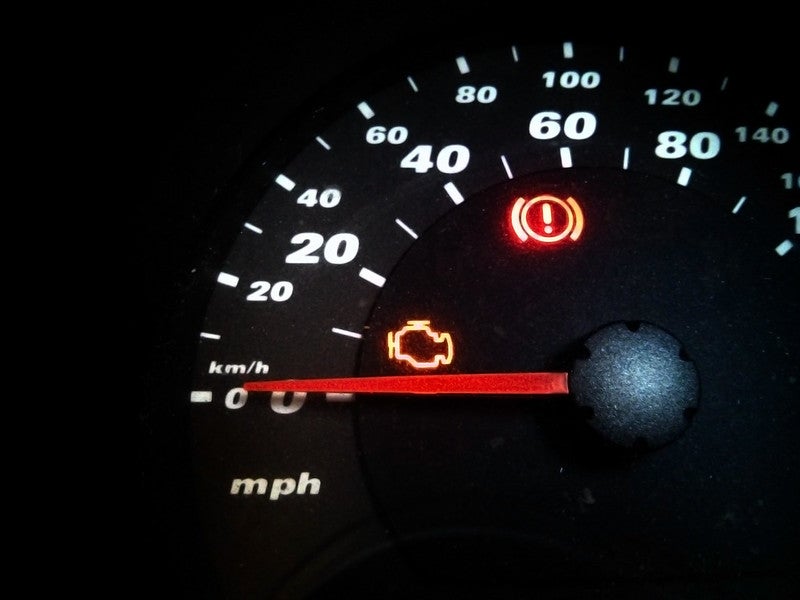
Whether you're on a scenic road trip or running errands in town, a check engine light can cause problems. This alert, usually located on your speedometer, indicates an issue with one of your car's engine components. While different car models might be prone to unique issues, there are a few common problems that can turn that light on. Keep reading to find out some of the reasons why your check engine light might be active. Your Car's Gas Cap Is Loose or Damaged One of the most common reasons for a check engine light is also one of the easiest to fix. When your car's gas cap is loose, hazardous fuel vapors can escape into the air and into other parts of your car. If your car's check engine light comes on right after you fuel up, check to see if your car's gas cap is securely fastened. You should hear a clicking sound when you fasten the lid. In many cases, unscrewing the gas cap and replacing it can resolve the check engine light, allowing you to continue with your drive. Sometimes, dirt or other debris can get stuck in the cap, making a tight seal more difficult. If you don't hear the clicking sound, carefully wipe the inside grooves of the cap with a clean paper towel before trying again. A gas cap that still won't click into place might be damaged or worn out from frequent use. Luckily, replacing a gas cap is a fast and inexpensive repair. If the check engine light is still on and you can't get the cap to seal, take your car to a qualified mechanic right away. Your Car Needs New Spark Plugs Spark plugs are small engine components that pass an electrical current between them, providing the "spark" that starts your car's ignition. These pieces can wear out or break from frequent use, causing the check engine light to switch on. Even though spark plugs are small, they are vital parts of your car's engine, and if they are faulty this can cause issues with starting and accelerating your car. Worn spark plugs can also decrease your car's fuel efficiency. When you take your car to a mechanic, they can run a diagnostic test that detects spark plug issues. Since these pieces often need replacing, they might have your car's make and model spark plugs available onsite. If you drive a less common car or visit a smaller mechanic's shop, you might have to order the right spark plugs, which can take a few days. After the spark plugs arrive, though, it's a quick repair. Your Car's Oxygen Sensor is Malfunctioning When you start your car, a combination of oxygen and fuel in your fueling system combine and ignite, powering the vehicle. The oxygen sensor, or O2 sensor, in your car ensures that your engine gets the right ratio of fuel to oxygen when you're driving. This keeps your car running smoothly and ensures high fuel efficiency. A malfunctioning oxygen sensor can cause your car to use too much fuel (rich) or not enough (lean), which can be bad for your engine. Running rich can cause reduced fuel efficiency and clog up your engine parts with extra fuel. Running lean can reduce your car's power and cause your engine to seize up. If your mechanic detects an oxygen sensor issue, they might replace the part and test it to make sure it's monitoring your engine correctly. This repair might be more expensive than a spark plug or gas cap, but is still a fairly inexpensive fix. Your Car's Mass Airflow Sensor is Faulty The mass airflow sensor is related to the oxygen sensor, but it measures the total amount of air coming into your car's engine. The air then passes to the O2 sensor, which ensures the right amount goes into the fuel system. If your car needs a new mass airflow sensor, it might not send the right amount of air to each part of the engine that needs it. You might notice black exhaust or ashy residue on your car's exhaust pipe, which indicates that there's too much fuel compared to air. Like the oxygen sensor, replacing a car's mass airflow sensor is a fairly inexpensive process. It's important to have a mechanic look at your engine as quickly as you can once you see a check engine light on. Catching a mass airflow sensor issue early can keep your other engine parts clean, helping you avoid a pricier repair bill in the future. Your Car Needs a New Catalytic Converter One of the more expensive problems signaled by a check engine light is a faulty catalytic converter. The catalytic converter refines your car's exhaust before sending it out through the exhaust pipe. While catalytic converters usually don't break on their own, they can become clogged or damaged if another part of the engine isn't working correctly, like the spark plugs or oxygen sensors. Along with the check engine light, you might notice a strong smell, like rotten eggs, when you run your car. Left untreated, a faulty catalytic converter can cause serious damage to your car. Because the catalytic converter ensures that exhaust passes to the exhaust pipe, a clogged converter can trap exhaust gases in your engine, which can damage key parts, decrease your fuel efficiency, and cause slow acceleration. While replacing a catalytic converter can be expensive, these parts usually don't need replacing more than once every ten years. No matter what caused your engine problems, the service department team at Keith Pierson Toyota is here to help. Our expert service team can diagnose your engine trouble and recommend a budget-friendly repair to get you back on the road. If you drive a Toyota, we can order genuine replacement parts so you can feel confident leaving our lot with your new engine parts. You can also schedule regular tune-ups and other services with us, which can lessen the chances of an engine issue. On by Chris Isherwood is licensed with CC BY 2.0

Contact Us

Fill out this form below and we'll contact you shortly
*Required Fields